Introduction: The Rise of a New Competitive Frontier
Over the past two decades, competitive gaming has evolved from a casual pastime into a global phenomenon. What began as small local tournaments in arcades and community halls has transformed into a billion-dollar industry with professional teams, celebrity players, international championships, and audiences exceeding those of many traditional sports events. Today, esports stands as a powerful symbol of how technology, creativity, and community engagement can reshape what society views as legitimate competition. This blog explores the growth of esports, its cultural impact, its economic transformation, and the future of this digital arena that continues to captivate millions.
From Niche Hobby to Mainstream Entertainment
Esports did not rise to prominence overnight. Its origins trace back to the early days of gaming, when enthusiasts would gather to test their skills in titles like Pong, Space Invaders, and later, Street Fighter and StarCraft. These grassroots competitions were fueled by passion rather than financial incentives. Players joined simply for the thrill of victory and the sense of belonging within small but dedicated communities.
As technology advanced, online play removed geographical barriers, giving gamers the ability to compete globally. Suddenly, a player in one country could challenge another thousands of miles away. This shift created a new culture of competition that laid the foundation for modern esports. Developers began designing games with competitive balance in mind, spectators found joy in watching skilled players perform, and organizers saw an opportunity to create structured leagues. What once seemed like a fringe activity became a form of entertainment capable of attracting mainstream attention.
The Birth of the Professional Esports Player
With esports gaining traction, a new type of athlete emerged: the professional gamer. These players were no longer just enthusiasts; they treated gaming as a full-time career. Teams formed across regions, often supported by organizations that provided training facilities, nutrition plans, mental health support, coaches, analysts, and personal branding guidance.
Unlike traditional sports, the barrier to entry for esports is not physical prowess but skill, strategy, and dedication. Hours of practice, mastery of game mechanics, and strong teamwork are essential. Players must adapt quickly to updates, balance changes, and shifting strategies. Many esports professionals practice ten to twelve hours a day, honing their reflexes and studying opponents.
The rise of pro players also created esports celebrities. A single player’s personality, gameplay style, or emotional story can attract millions of fans. These players become role models for aspiring gamers, proving that passion and effort can shape a career in digital competition.
Esports Titles That Shaped the Industry
While countless games contribute to esports culture, a few have played pivotal roles in shaping the scene. Multiplayer Online Battle Arena games such as Dota and other strategic titles introduced large-scale team competition, while first-person shooters brought fast-paced action and teamwork to the forefront. Sports simulators created virtual versions of traditional athletic events, attracting fans from both gaming and sports communities.
Each esports title offers its own ecosystem, complete with leagues, seasons, rivalries, and storylines. These games maintain longevity by constantly evolving through updates and expansions. The result is a dynamic environment where players must remain adaptable, and viewers enjoy fresh strategies and narratives every year.
The Global Audience and the Spirit of Community
One of the most defining characteristics of esports is its massive global audience. Fans come from all ages, backgrounds, and countries, united by a shared passion for gaming. Streaming platforms play a crucial role by offering free and easy access to tournaments and professional gameplay. Spectators can watch events live or on demand, interact with fellow fans, and even engage with players during broadcasts.
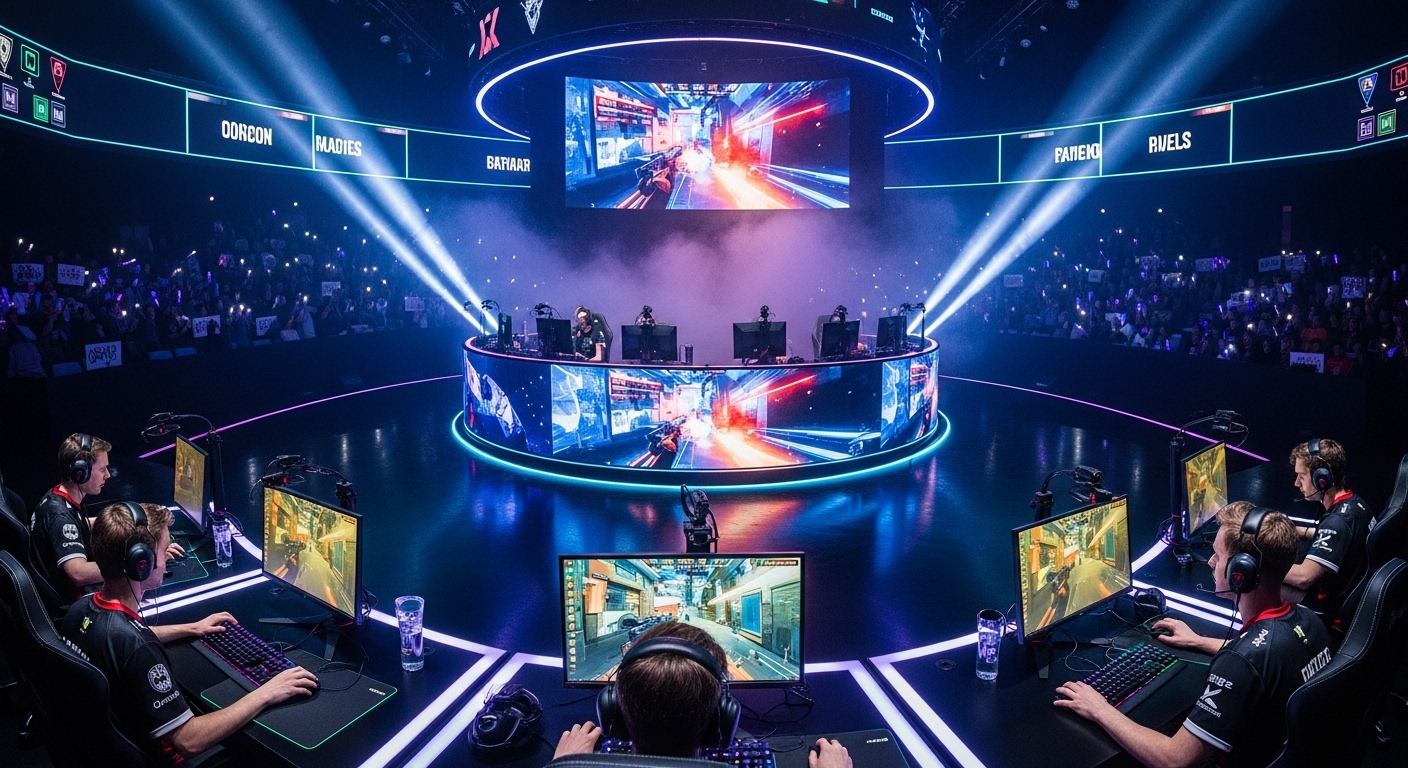
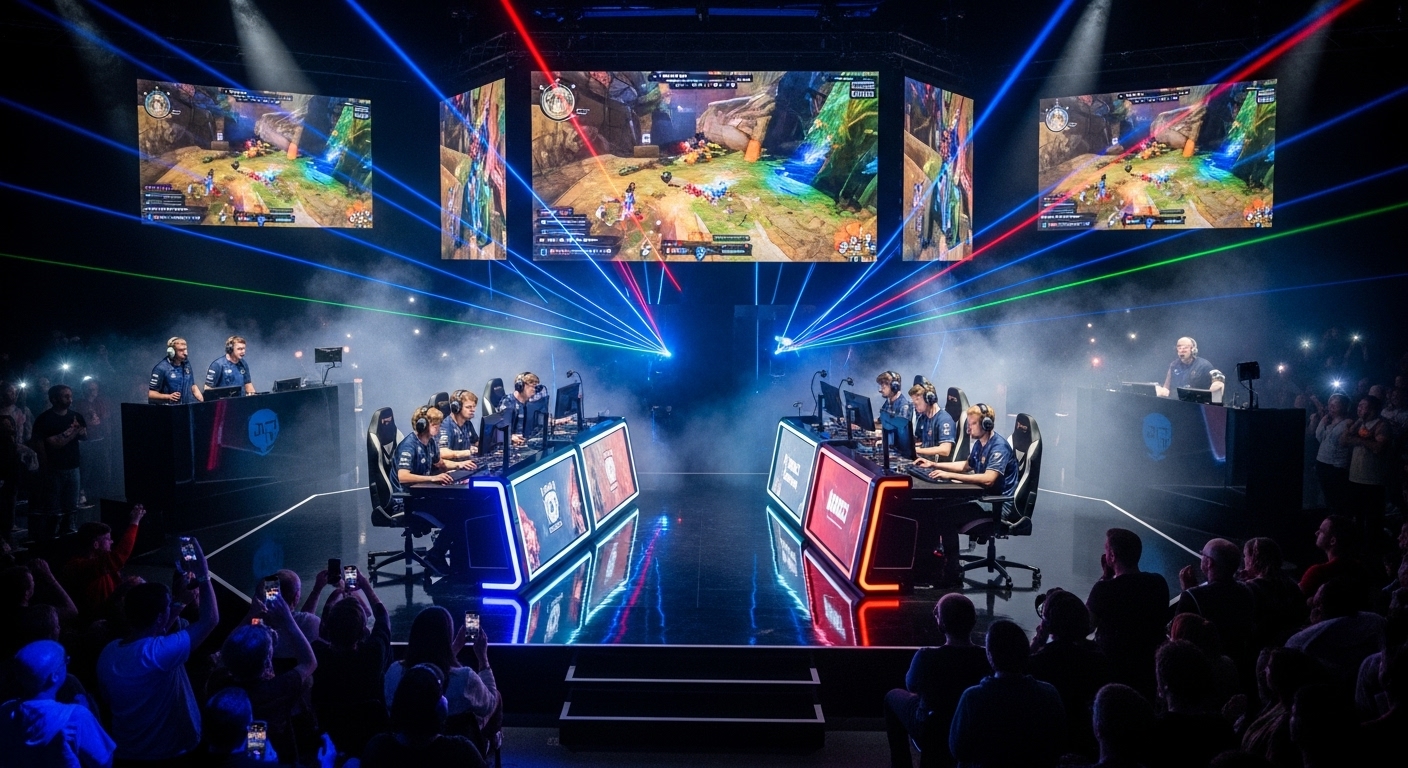
Esports communities are among the most active and creative on the internet. They produce fan art, analysis videos, commentary, memes, and detailed discussions about game updates and competitive strategies. Events often feel like celebrations, complete with music, lights, and elaborate stage designs. The energy of live tournaments rivals that of traditional sports arenas, showcasing the emotional investment of fans who cheer for their favorite teams with unwavering enthusiasm.
Educational and Career Opportunities Beyond Gameplay
Esports has also opened doors to a wide range of career paths that extend far beyond competitive play. Universities now offer scholarships to skilled gamers, recognizing esports as a legitimate talent similar to athletic or academic achievement. Courses in game design, digital marketing, broadcast production, and esports management help students build skills needed in this industry.
Professionals in fields such as event planning, coaching, psychology, content creation, and data analysis contribute to the ecosystem. Broadcasters bring personality to matches, analysts break down gameplay for viewers, and coaches guide teams through strategy and mental preparation. This evolving landscape provides countless opportunities for individuals passionate about gaming, even if they do not aspire to become pro players.
Economic Impact and the Business of Esports
The business side of esports has grown rapidly. Sponsorships, media rights, merchandise, event tickets, and brand partnerships contribute to a thriving economy. Companies from various industries recognize the value of esports audiences, which tend to be young, digitally engaged, and highly loyal.
Organizations invest in teams, build state-of-the-art training facilities, and collaborate with brands for cross-marketing campaigns. Advertisers who once relied on television now find success reaching audiences through esports events and influencers. This economic shift has elevated esports from a niche market to a formidable sector within global entertainment.
Cultural Impact and Changing Perceptions
Esports has significantly influenced modern culture. It challenges long-standing stereotypes about gamers by showcasing discipline, teamwork, and intellectual skill. Players demonstrate that competitive gaming demands mental agility, strategic thinking, and composure under pressure.
The visibility of esports has also encouraged inclusivity. People from different cultures and backgrounds connect through shared interests, often breaking language barriers. Gaming communities embrace diversity, creating spaces where individuals feel accepted and valued.
Furthermore, esports fosters creativity. Games inspire art, music, fashion trends, and even community-driven events. As gaming culture spreads across social media and mainstream entertainment, esports becomes a bridge between traditional sports and digital experiences.
Challenges Facing the Esports Industry
Despite its success, esports faces several challenges that shape its ongoing evolution. The intense pressure on professional players can lead to mental and physical strain. Burnout is common due to long hours of practice and the demanding nature of competition. Ensuring player well-being is now a priority, with organizations implementing support systems to maintain healthy routines.
Another challenge is maintaining competitive integrity. Issues such as cheating, illegal betting, and match-fixing can undermine trust within the community. Developers and league organizers consistently work to enforce strict rules and monitoring systems.
Additionally, the rapid growth of esports requires sustainable infrastructure. Balancing commercial interests with community values is essential to preserve the authenticity that made esports beloved in the first place.
The Future of Esports: What Lies Ahead
The future of esports is filled with promise. As technology advances, the line between physical and digital competition continues to blur. Virtual reality and augmented reality may introduce new forms of gameplay, offering immersive experiences for players and spectators.
Esports is also likely to expand into new regions, giving rise to international leagues and localized competitions. Educational programs will continue integrating esports into academic environments, nurturing future generations of players, coaches, designers, and analysts.
As mainstream recognition grows, esports may one day become a staple in global athletic events. Regardless of how the industry evolves, one truth remains clear: esports has redefined what it means to compete, entertain, and connect in the digital age.
Conclusion: A New Era of Competitive Excellence
Esports represents more than just games. It symbolizes innovation, community, and the power of passion to transform an industry. From humble beginnings to worldwide stadium events, esports has proven that competition can take many forms. It has given people the opportunity to dream, achieve, and belong in ways they never imagined.
As we look toward the future, it is evident that the digital arena will continue to inspire, challenge, and unite people across the globe. Esports has earned its place among the great cultural movements of our time, and its story is only just beginning.