Introduction: From Bedroom Gaming to World Arenas
Esports, once dismissed as a casual pastime enjoyed by teenagers in bedrooms and internet cafés, has transformed into a global phenomenon commanding massive audiences, billion-dollar investments, and professional legitimacy. Competitive gaming is no longer just about entertainment; it is a cultural movement, an economic force, and a career pathway for millions around the world. This blog explores how esports evolved, why it matters today, and what the future holds for this rapidly expanding industry.
The Early Roots of Competitive Gaming
The origins of esports can be traced back to the late twentieth century when video games first became accessible to the public. Early competitions were small-scale events organized around arcade games and home consoles. Players gathered locally to test their skills, driven purely by passion and bragging rights rather than financial rewards. These early tournaments laid the foundation for competitive structures, ranking systems, and the spirit of rivalry that still defines esports today.
As personal computers and gaming consoles improved, multiplayer games became more complex and competitive. Local area network gaming allowed players to connect and compete, turning gaming into a social and competitive activity. This period marked the transition from casual play to organized competition.
The Internet Revolution and Global Connectivity
The rise of high-speed internet fundamentally changed esports. Online connectivity allowed players from different regions and countries to compete in real time, breaking geographical barriers. This global access accelerated the growth of competitive gaming communities and enabled the formation of professional teams and leagues.
Streaming technology further amplified this growth by allowing fans to watch matches live. Viewers were no longer limited to attending physical events; they could follow tournaments from anywhere. This accessibility helped esports gain massive audiences and transformed players into global celebrities.
Professionalization of Esports
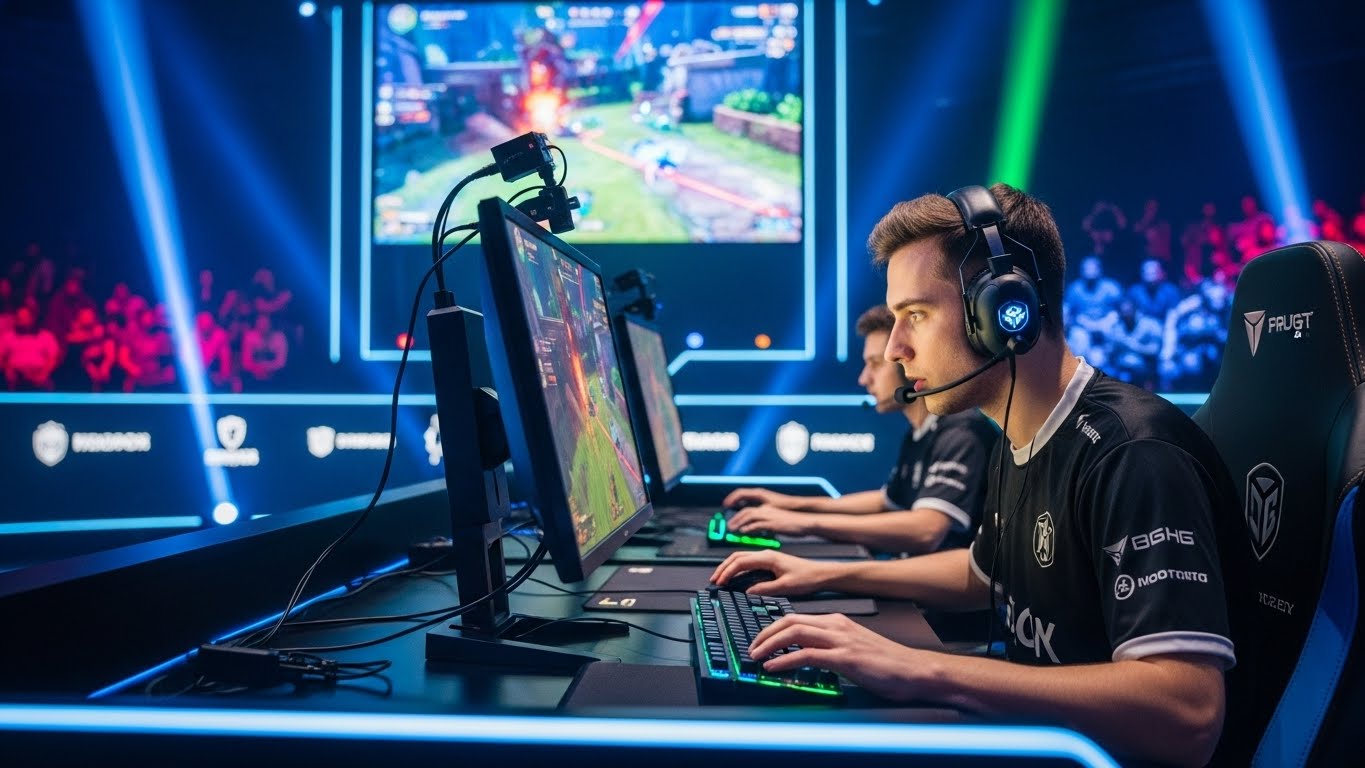
One of the most significant milestones in esports history is its professionalization. What was once a hobby has become a full-time career for players, coaches, analysts, commentators, and content creators. Professional esports teams now operate like traditional sports organizations, complete with training facilities, sponsorship deals, and management staff.
Players follow rigorous practice schedules that include strategy development, mechanical training, and mental conditioning. Contracts, salaries, and prize pools provide financial stability, making esports a viable profession. This shift has attracted serious investment and legitimized esports in the eyes of the broader public.
Esports as a Spectator Sport
Esports has redefined what it means to be a spectator sport. Fans engage with matches through live chats, social media discussions, and community events, creating an interactive experience that traditional sports often lack. The fast-paced nature of games, combined with expert commentary and high-quality production, makes esports entertaining and accessible even to non-players.
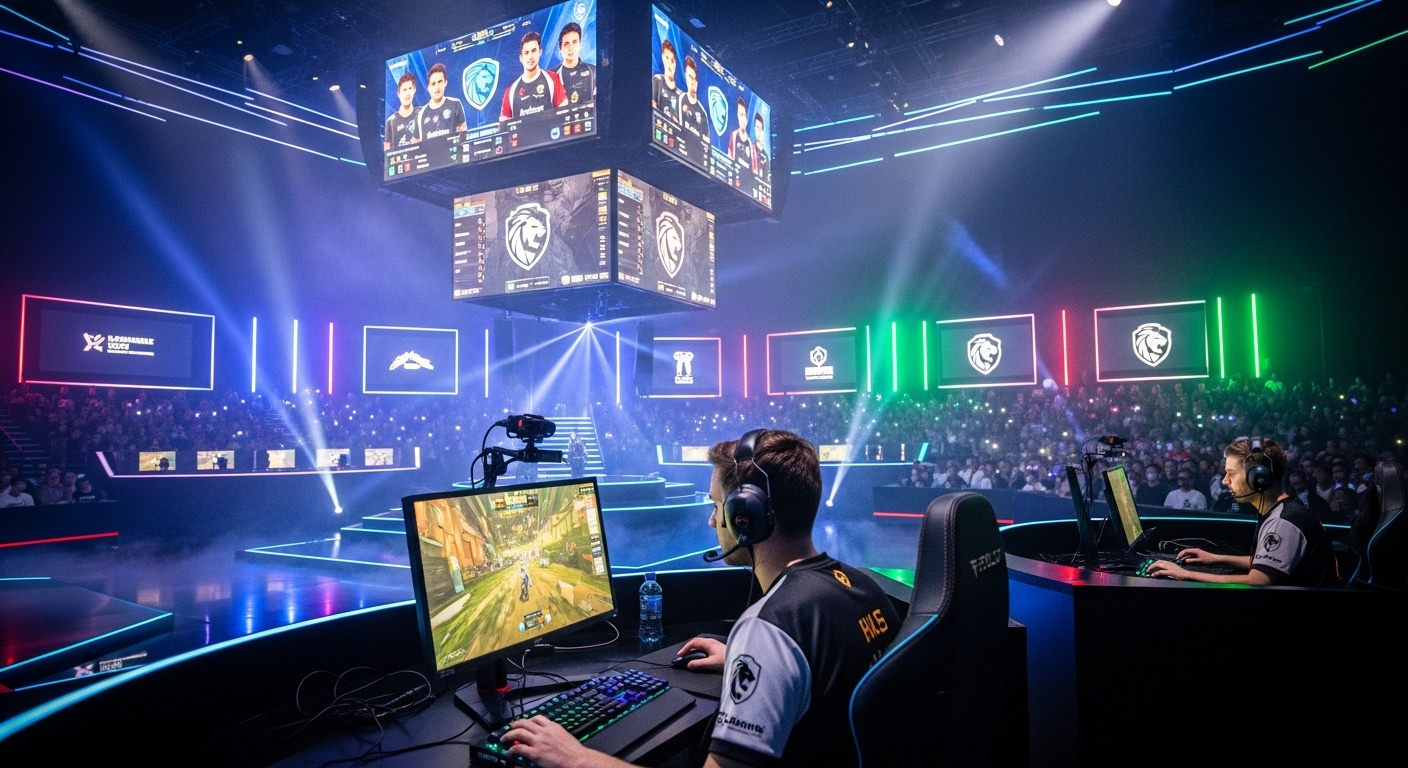
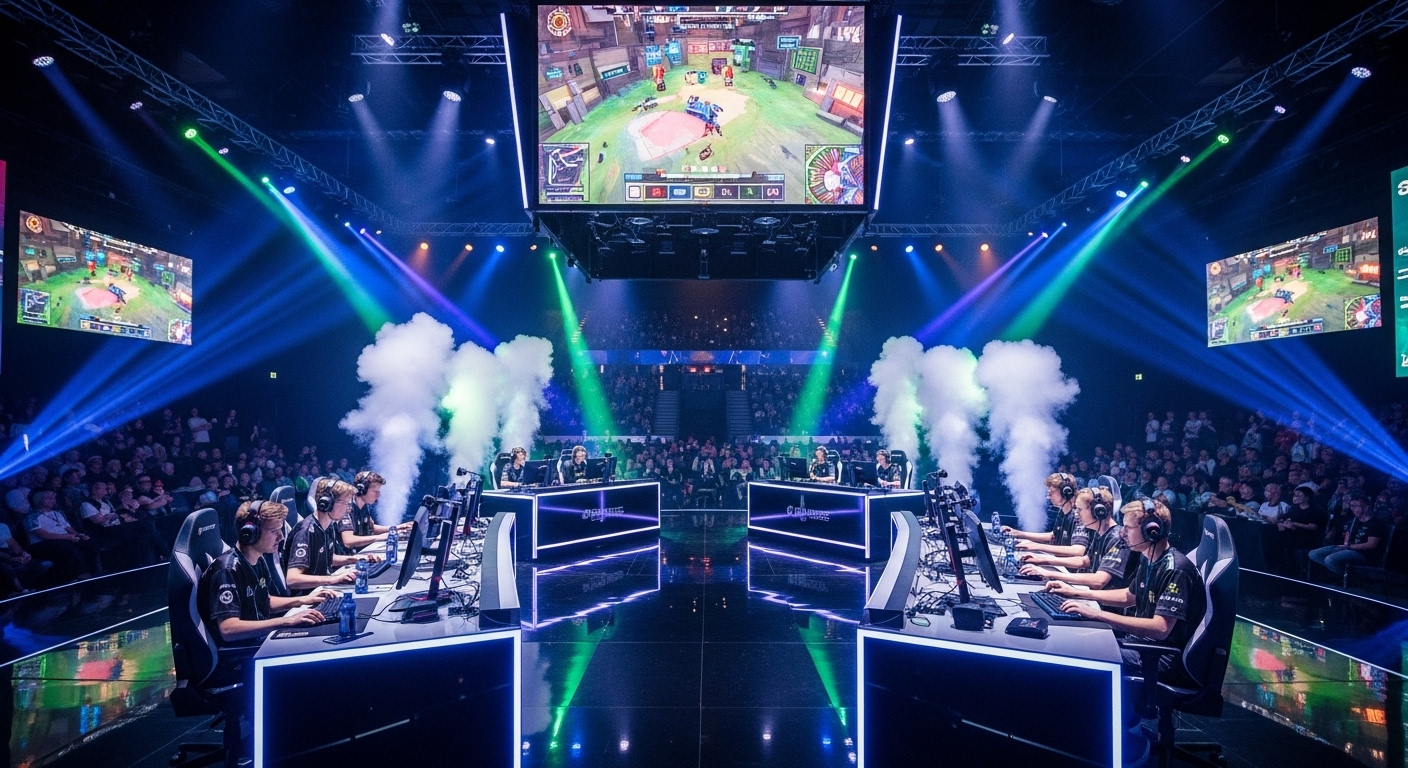
Major tournaments fill stadiums and attract millions of online viewers. The excitement of live competition, dramatic comebacks, and underdog victories resonates with audiences worldwide. Esports fandom has become a powerful cultural identity, uniting people across languages and borders.
Economic Impact and Industry Growth
The esports industry has experienced remarkable economic growth. Revenue streams include sponsorships, advertising, merchandise, ticket sales, media rights, and in-game purchases. Brands from technology, fashion, automotive, and food industries have entered esports to reach younger, digitally native audiences.
Job creation is another significant impact. Beyond players, esports supports roles in event management, marketing, broadcasting, software development, and journalism. Cities hosting major tournaments benefit from tourism and global exposure, further demonstrating esports’ economic influence.
Education and Skill Development
Esports is increasingly recognized for its educational value. Competitive gaming develops skills such as teamwork, strategic thinking, communication, and problem-solving. Many educational institutions now offer esports programs, scholarships, and dedicated facilities.
These initiatives help students balance academics with competitive gaming while preparing them for careers within and beyond esports. The integration of esports into education challenges outdated stereotypes and highlights its potential as a tool for learning and personal growth.
Health, Discipline, and Challenges
Despite its success, esports faces challenges, particularly concerning player health and well-being. Long practice hours, screen exposure, and performance pressure can lead to physical and mental strain. In response, professional teams emphasize fitness, nutrition, and psychological support.
The industry is also working to address issues such as fair play, inclusivity, and sustainability. Anti-cheating measures, diversity initiatives, and responsible gaming practices are becoming increasingly important as esports continues to mature.
Cultural Influence and Mainstream Recognition
Esports has made a significant cultural impact, influencing fashion, music, and digital culture. Gaming terminology and personalities have entered mainstream media, and esports events are covered by major news outlets. Collaborations between esports organizations and traditional sports teams further blur the lines between the two worlds.
This mainstream recognition reflects a broader shift in how society views gaming. Esports is no longer niche; it is a defining element of modern entertainment and youth culture.
The Future of Esports
The future of esports is filled with possibility. Advances in technology such as virtual reality, augmented reality, and artificial intelligence promise to enhance gameplay and viewing experiences. Mobile esports continues to grow, especially in regions where smartphones are more accessible than consoles or PCs.
As infrastructure improves and regulations evolve, esports is likely to gain even greater legitimacy. International competitions, grassroots development, and cross-industry partnerships will shape the next chapter of competitive gaming.
Conclusion: More Than Just a Game
Esports represents a profound shift in how competition, entertainment, and community are experienced in the digital age. From humble beginnings to global arenas, it has proven that skill, dedication, and passion can transcend traditional boundaries. Esports is not merely about playing games; it is about storytelling, connection, and the pursuit of excellence.