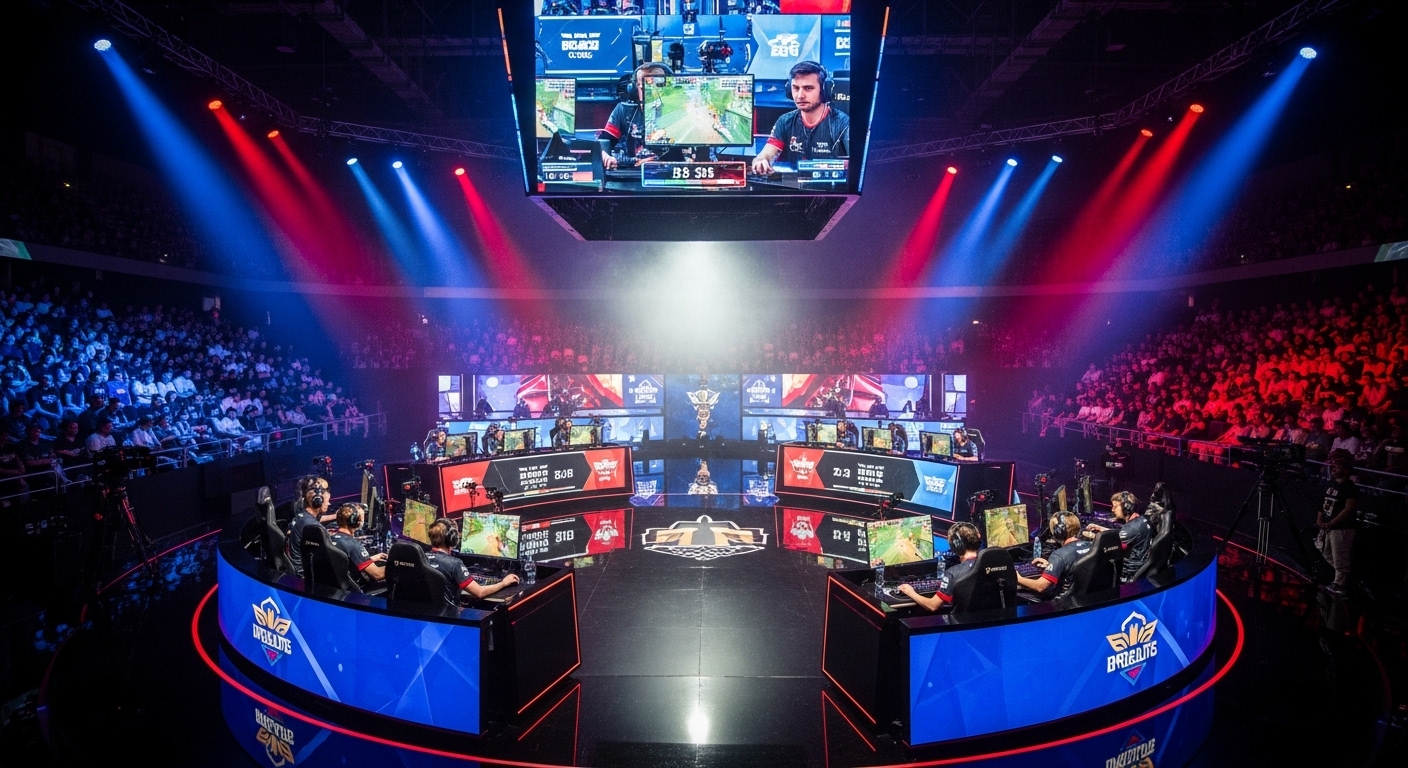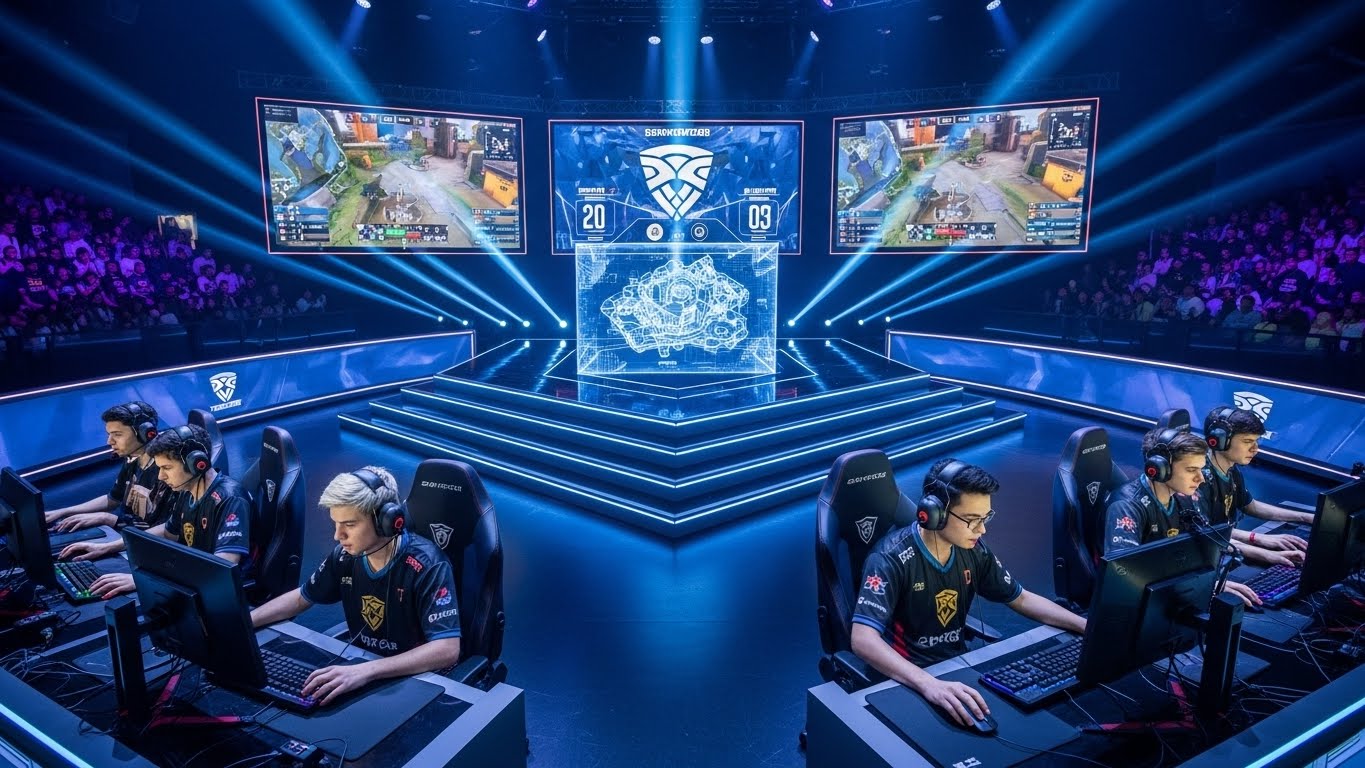
Esports has rapidly transformed from a niche hobby into a global phenomenon. With massive prize pools, professional players, and millions of passionate fans, competitive gaming has evolved into a mainstream sport. The world of esports is no longer confined to small tournaments and casual players; it has now become a multi-billion-dollar industry that rivals traditional sports in terms of viewership, sponsorships, and media presence. In this blog post, we’ll explore the rise of esports, its growth, the impact it has had on gaming culture, and its potential future in the entertainment landscape.
What is Esports?
Esports, short for electronic sports, refers to organized multiplayer video game competitions, particularly between professional players, individually or as teams. These competitions take place in various genres of games such as real-time strategy (RTS), first-person shooters (FPS), multiplayer online battle arena (MOBA), and battle royale games. While the concept of playing games for fun is nothing new, the competitive aspect of gaming has taken on a life of its own in the past decade, leading to the rise of professional esports leagues and tournaments worldwide.
The term “esports” encompasses everything from small community-driven events to massive international tournaments with audiences that rival those of traditional sports like basketball or soccer. The difference between esports and casual gaming is the high level of skill required, the structure of the competition, and the rewards for winning—both in terms of prize money and global recognition.
The History and Evolution of Esports
Esports is not a new phenomenon. Its roots trace back to the early 1990s when competitive gaming first gained traction. Games like Street Fighter II and Quake sparked the initial interest in competitive play, and small-scale tournaments began to emerge. However, it wasn’t until the late 2000s and early 2010s that esports began to take off on a larger scale.
One of the turning points in esports history was the creation of League of Legends by Riot Games in 2009. This game became a massive success, largely due to its easy-to-learn but hard-to-master gameplay mechanics, as well as its strong community and developer support. The launch of the League of Legends World Championship in 2011 provided a spotlight for esports, attracting millions of viewers worldwide.
As other games like Dota 2, Counter-Strike: Global Offensive (CS: GO), and Overwatch emerged, the esports ecosystem continued to expand. In 2014, Dota 2 hosted the first tournament with a prize pool exceeding $10 million, showcasing the potential for significant monetary rewards in esports. This event, The International, became one of the most prestigious events in gaming, further solidifying esports as a major force in entertainment.
Fast forward to today, esports is firmly entrenched in mainstream culture, with international leagues such as the Overwatch League and Call of Duty League, as well as large tournaments like The International and the League of Legends World Championship, drawing crowds in arenas and millions of viewers online.
The Growth of Esports: A Multibillion-Dollar Industry
Esports’ growth can be attributed to a number of factors, including advances in internet infrastructure, the proliferation of streaming platforms like Twitch and YouTube, and the increasing interest of corporate sponsors. Over the past decade, the esports industry has seen explosive growth, with revenues expected to surpass $1.6 billion by 2025.
One of the key drivers of this growth is the expansion of esports viewership. Streaming platforms such as Twitch and YouTube Gaming have provided a space for players to share their gameplay, engage with fans, and create communities around games. According to recent statistics, Twitch alone had more than 2 million concurrent viewers at peak times in 2020, with some of the most popular streamers garnering millions of followers. These platforms have not only made esports more accessible to the masses but also contributed to the growth of content creators who earn a living by streaming their gameplay.
Moreover, the interest of major brands and advertisers has significantly contributed to esports’ success. Companies from a variety of industries, including technology, energy drinks, and even automobile manufacturers, have invested heavily in esports sponsorships and partnerships. This influx of investment has allowed tournaments to offer larger prize pools and provided players with sponsorship opportunities that mirror those of traditional athletes.
Esports Tournaments and Leagues: The Backbone of Competitive Gaming
Esports tournaments and leagues are the lifeblood of the industry, providing the structure and organization needed to elevate competitive gaming to the level of traditional sports. These events bring together the best players and teams from around the world to compete for glory and large cash prizes.
Some of the most prestigious esports tournaments include:
- The International (Dota 2) – Considered the pinnacle of competitive gaming, The International is an annual event organized by Valve Corporation for the game Dota 2. The tournament boasts one of the largest prize pools in esports history, often exceeding $30 million. It attracts millions of viewers and features the best teams in the world competing in an intense battle for supremacy.
- League of Legends World Championship – League of Legends (LoL) is one of the most popular esports games, and its World Championship is one of the most-watched events globally. Held annually, the event brings together teams from different regions to compete for the title of world champion. The LoL World Championship attracts millions of viewers and boasts significant prize money.
- Overwatch League – The Overwatch League (OWL) is a professional esports league based on Blizzard’s Overwatch game. The OWL operates similarly to traditional sports leagues, with city-based teams that compete in regular seasons, followed by playoffs and a championship. The league has attracted significant investment from traditional sports organizations and has helped elevate Overwatch as a major esports title.
- CS: GO Major Championships – Counter-Strike: Global Offensive (CS: GO) has been one of the most enduring competitive shooters, and its Major Championships are among the most prestigious events in esports. These tournaments feature some of the best teams in the world, and the prize pools are typically in the millions.
These events not only provide intense competition but also foster a sense of community and excitement among fans. Esports tournaments are broadcasted live on streaming platforms, with commentators, analysts, and host personalities guiding viewers through the action, much like traditional sports broadcasts.
The Professional Esports Player: A New Type of Athlete
Becoming a professional esports player requires an immense amount of skill, dedication, and practice, akin to traditional athletes. Top-tier esports players often spend hours each day honing their craft, refining their gameplay, and developing strategies to stay ahead of the competition.
Esports players often begin their careers at a young age, sometimes as early as their teenage years. They rise through the ranks by participating in online tournaments, joining teams, and gaining recognition in the gaming community. While it is true that most players reach their peak performance in their 20s, esports careers can be relatively short due to the physical and mental demands of the sport.
One notable difference between esports and traditional sports is that esports players do not require physical fitness in the same way athletes in physical sports do. However, esports players still need to maintain excellent hand-eye coordination, reaction time, and mental focus. Many professional players also incorporate physical fitness routines, including exercises that improve posture and reflexes, to enhance their overall performance.
In addition to individual players, esports teams have become increasingly important. Teams like T1, Team Liquid, FaZe Clan, and Cloud9 have built massive fanbases, and their players are treated like celebrities. These organizations often have coaches, analysts, and support staff, providing players with the tools they need to perform at the highest level.
The Future of Esports: Growth, Innovation, and Globalization
Esports is still in its early stages, and the potential for growth is enormous. With the continued rise of technology, the proliferation of 5G networks, and the increasing interest from investors and sponsors, the future of esports looks bright. There are a few key trends and developments that could shape the future of the industry:
- Virtual and Augmented Reality – As VR and AR technology become more advanced, it’s possible that esports will incorporate these immersive technologies into their competitions. Imagine players competing in a fully virtual arena or even controlling avatars in a live environment.
- Esports as an Olympic Sport – There has been ongoing discussion about whether esports should be included in the Olympic Games. The IOC (International Olympic Committee) has shown interest in esports as a potential addition to the Olympics, which would further cement the legitimacy of esports as a mainstream sport.
- Expanded Global Reach – Esports continues to expand its global presence. While Asia has been the dominant region for esports, North America, Europe, and even parts of South America and Africa are catching up. This global expansion means more diverse teams, fans, and opportunities for players around the world.
- Monetization and Streaming – Platforms like Twitch, YouTube Gaming, and others will continue to dominate, creating new ways for content creators and players to monetize their skills and connect with their audience. Esports tournaments will also see an increase in sponsorships, advertising, and media rights deals, further driving industry revenue.
Conclusion
Esports has come a long way from its humble beginnings, and its influence continues to grow. With a booming global audience, professional players, and multi-million-dollar prize pools, esports has firmly established itself as a legitimate and thriving industry. As technology advances and the world of gaming continues to evolve, esports will likely continue to innovate, providing entertainment for millions and offering new opportunities for players, teams, and fans alike. Whether you’re a casual gamer or a professional, it’s clear that esports is here to