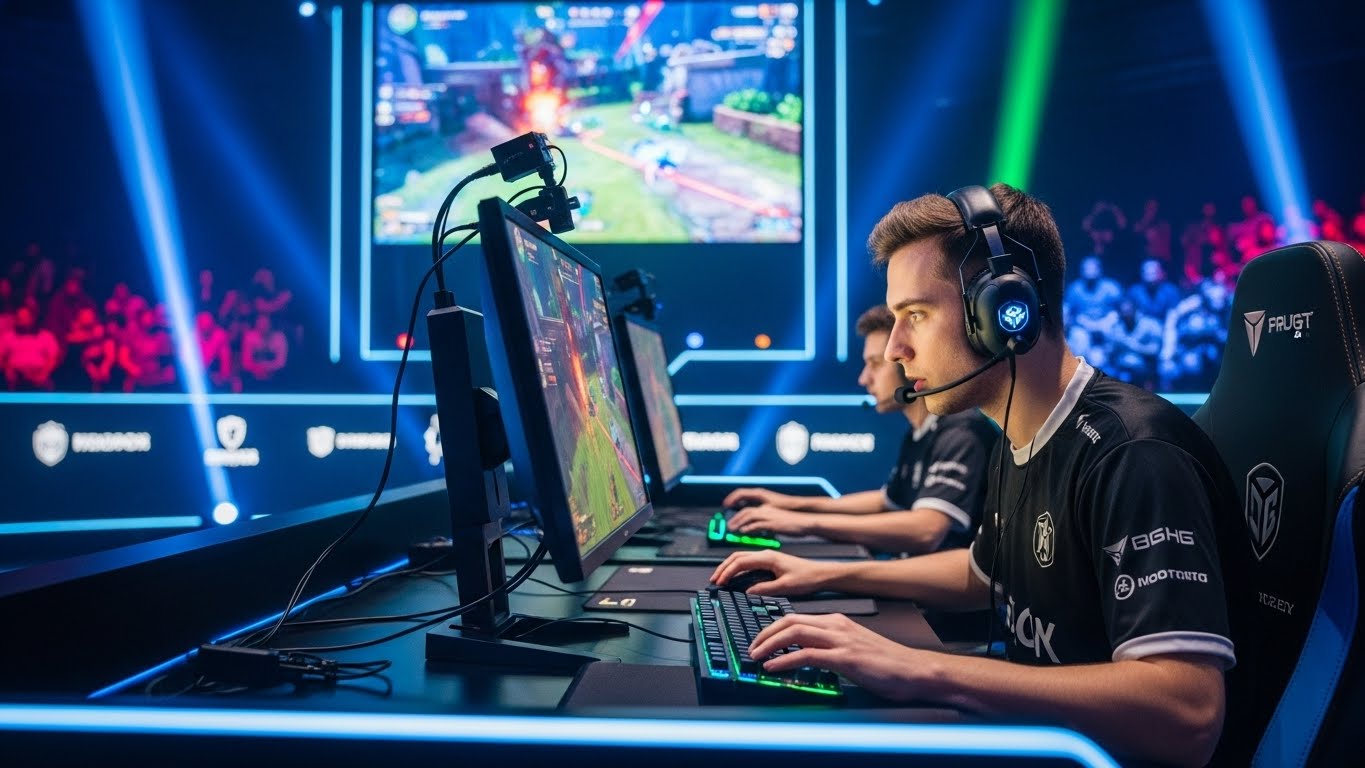
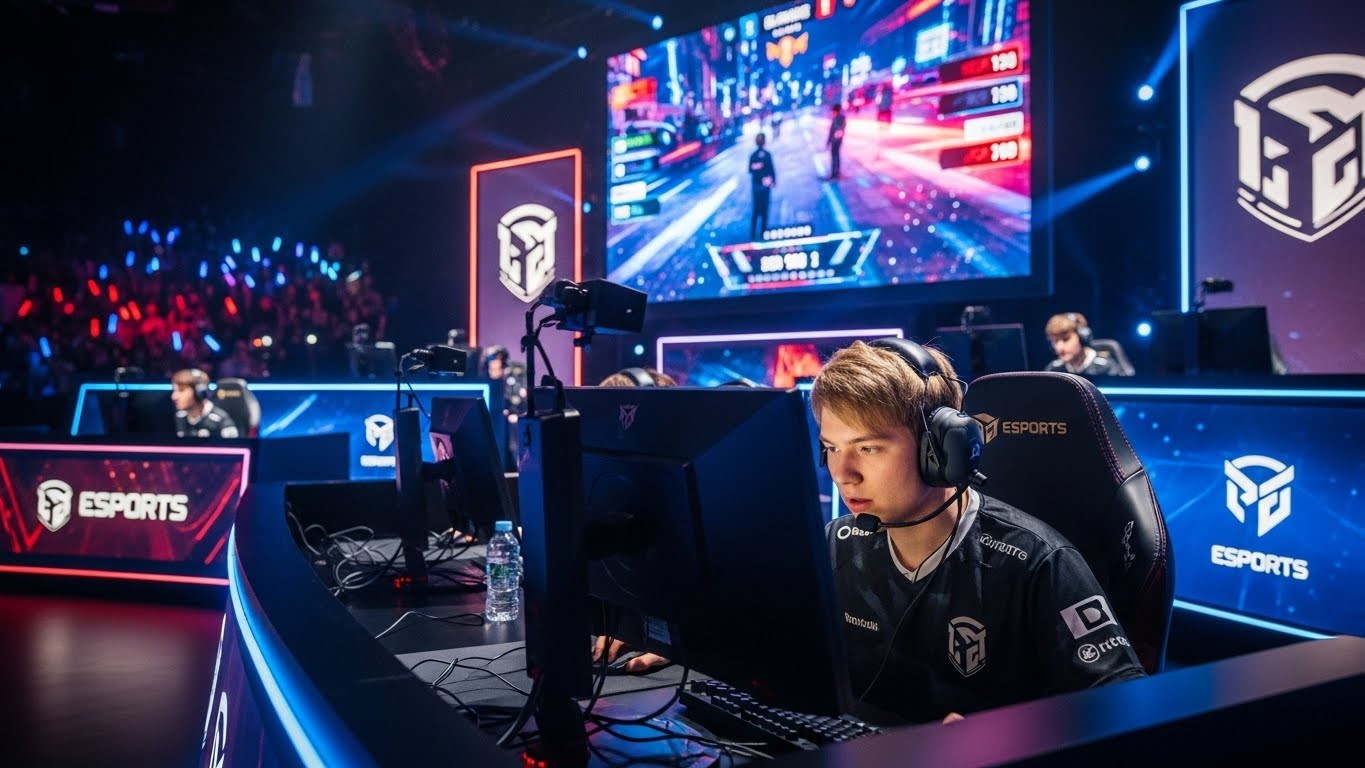
In the last two decades, a new form of competition has taken the world by storm. Esports, or competitive video gaming, has transformed from niche hobby to a global phenomenon, captivating millions of players and fans alike. What was once considered mere entertainment has evolved into a professional arena where skill, strategy, and teamwork define success. Esports has not only redefined what it means to compete but also reshaped culture, technology, and career opportunities in the digital era. In this blog post, we will explore the evolution, impact, and future of esports while examining why it has become a cornerstone of modern entertainment.
The Origins of Esports
Competitive gaming has roots that go back to the early days of video games. In the 1970s and 1980s, players gathered in arcades to compete for high scores, sometimes with local or regional recognition. Games like “Space Invaders” and “Pac-Man” created early forms of competition where skill and strategy determined success. By the 1990s, as home gaming consoles and personal computers became widely available, gaming competitions began to expand. Early tournaments for games such as “Street Fighter” and “Quake” set the stage for the formal esports industry.
The real turning point for esports came with the rise of online gaming in the 2000s. Multiplayer games allowed players to connect globally, forming communities, clans, and leagues. Titles such as “Counter-Strike,” “StarCraft,” and “World of Warcraft” became platforms for organized competition. The launch of streaming platforms and social media further accelerated esports’ growth, allowing audiences worldwide to watch live matches, follow professional players, and participate in gaming culture.
The Structure of Competitive Esports
Esports is organized in a way that mirrors traditional sports, with professional leagues, teams, coaches, and sponsors. Popular esports titles are divided into genres such as first-person shooters, multiplayer online battle arenas, fighting games, and sports simulations. Each genre has its own competitive structure, rules, and ranking systems.
Professional esports teams operate similarly to conventional sports teams, with training schedules, strategic planning, and performance analytics. Players spend hours each day honing their skills, studying opponents, and refining strategies. Major tournaments often offer prize pools worth millions of dollars, attracting top talent from around the world. These competitions are broadcast on streaming platforms, with commentators providing live analysis and fan engagement, making esports a spectator sport with global appeal.
Physical and Mental Demands of Esports
Despite being a digital activity, esports requires immense physical and mental effort. Professional players must maintain excellent hand-eye coordination, reaction time, and reflexes. Training sessions often involve repetitive practice to master game mechanics, precise control over movements, and effective multitasking. Maintaining physical health through exercise, proper nutrition, and rest is also crucial, as fatigue and strain can impact performance.
Equally important is the mental aspect. Esports players need exceptional focus, strategic thinking, and resilience under pressure. Matches can be intense, requiring split-second decisions and adaptability to rapidly changing situations. Mental toughness, teamwork, and communication skills are essential for success, making esports a holistic form of competitive performance that combines cognitive, social, and physical abilities.
The Role of Streaming and Content Creation
One of the most revolutionary aspects of esports is the integration of streaming and content creation. Platforms like Twitch, YouTube, and other video-sharing services have allowed gamers to reach millions of viewers in real time. Streaming has transformed esports from a competition into an interactive experience, where fans can engage directly with players, participate in chats, and even influence game dynamics.
Content creation also plays a significant role in expanding the esports ecosystem. Influencers and professional players share tutorials, highlight reels, and behind-the-scenes content that inspire aspiring gamers. This accessibility has made esports a cultural phenomenon, creating communities of enthusiasts who not only watch competitions but actively engage with the gaming world on a daily basis.
Esports as a Career
The rise of esports has opened up new career paths beyond professional playing. Athletes can earn a living through sponsorships, tournament winnings, and streaming revenue. Coaches, analysts, and team managers are vital in ensuring teams operate efficiently and maintain a competitive edge. Event organizers, commentators, and content creators also contribute to the growing esports industry, making it a multi-faceted ecosystem with opportunities for a wide range of skill sets.
The industry has also introduced educational programs, with universities and academies offering scholarships for esports athletes. These programs train students in game strategy, teamwork, communication, and media management, preparing them for careers in gaming and related fields. As esports continues to professionalize, its legitimacy as a career choice has grown, challenging traditional perceptions of gaming as a hobby.
Cultural Impact of Esports
Esports has become a defining element of digital culture. It transcends age, gender, and nationality, creating a shared space where people connect over their love of games. Competitive gaming has influenced fashion, music, and media, with players often becoming global celebrities and role models. Major esports tournaments are celebrated like cultural festivals, attracting fans from around the world and generating excitement comparable to traditional sports events.
Moreover, esports has created communities that foster inclusion and diversity. Players from different backgrounds collaborate, compete, and share experiences in ways that transcend geographical and social boundaries. This cultural impact is especially evident among younger generations, for whom gaming and digital interaction are integral to identity and social engagement.
The Global Esports Industry
The esports industry has grown into a multi-billion-dollar enterprise, encompassing tournaments, sponsorships, media rights, merchandise, and advertising. Major tournaments such as The International for Dota 2, the League of Legends World Championship, and the Fortnite World Cup attract millions of viewers and offer prize pools exceeding ten million dollars in some cases.
Corporate sponsorships from technology companies, apparel brands, and entertainment firms further fuel the growth of esports. Streaming platforms provide additional revenue streams through subscriptions, advertisements, and virtual tipping. The global reach of esports ensures that audiences and revenue are not limited to one country or region, creating a truly international market for competitive gaming.
Challenges and Controversies in Esports
Despite its growth, esports faces challenges and controversies that must be addressed for sustainable development. Mental health concerns are prevalent among professional players, who may face stress, burnout, and anxiety due to high expectations and long hours of practice. The industry also contends with issues such as cheating, performance-enhancing software, and ethical considerations around sponsorships and monetization.
Additionally, accessibility and inclusivity remain areas for improvement. While esports has made strides in promoting diversity, there is still work to be done to ensure that women, differently-abled individuals, and underrepresented communities can fully participate and thrive in competitive gaming. Addressing these challenges is critical to maintaining the credibility, integrity, and longevity of the esports industry.
Esports and Education
Esports is increasingly being recognized as a tool for education and personal development. Schools and universities integrate esports programs into curricula, teaching students critical thinking, teamwork, communication, and problem-solving skills. Competitive gaming also encourages strategic planning and adaptability, skills that are transferable to real-world scenarios.
Moreover, esports provides opportunities for scholarships and career pathways in technology, media, and business. By bridging the gap between entertainment and education, esports empowers students to pursue their passions while developing essential life skills.
The Future of Esports
The future of esports is bright, with rapid technological advancements and increasing global recognition. Virtual reality, augmented reality, and artificial intelligence will likely transform the way games are played and watched. Esports may become even more immersive, interactive, and accessible, allowing fans to experience competitions in new and innovative ways.
As esports continues to professionalize, it will likely achieve greater mainstream acceptance. Collaboration with traditional sports leagues, integration into educational programs, and growth in media coverage will further elevate the industry. The next decade promises an era where esports is not only entertainment but a cultural, educational, and professional cornerstone of the digital age.
Conclusion
Esports represents a revolution in the way we perceive competition, entertainment, and culture. It combines skill, strategy, and technology to create experiences that captivate players and audiences alike. From its humble beginnings in arcades to the multi-billion-dollar industry of today, esports has transformed how people interact, compete, and connect in the digital world.
More than just a game, esports teaches discipline, teamwork, resilience, and critical thinking. It creates communities, provides career opportunities, and shapes digital culture in ways previously unimaginable. As technology evolves and global interest continues to grow, esports will remain a defining force in modern society, proving that competition and human connection can thrive in both physical and virtual arenas.
Esports is not just the future of gaming; it is the future of competitive entertainment, education, and cultural exchange—a digital playground where skill, passion, and innovation redefine what it means to compete.