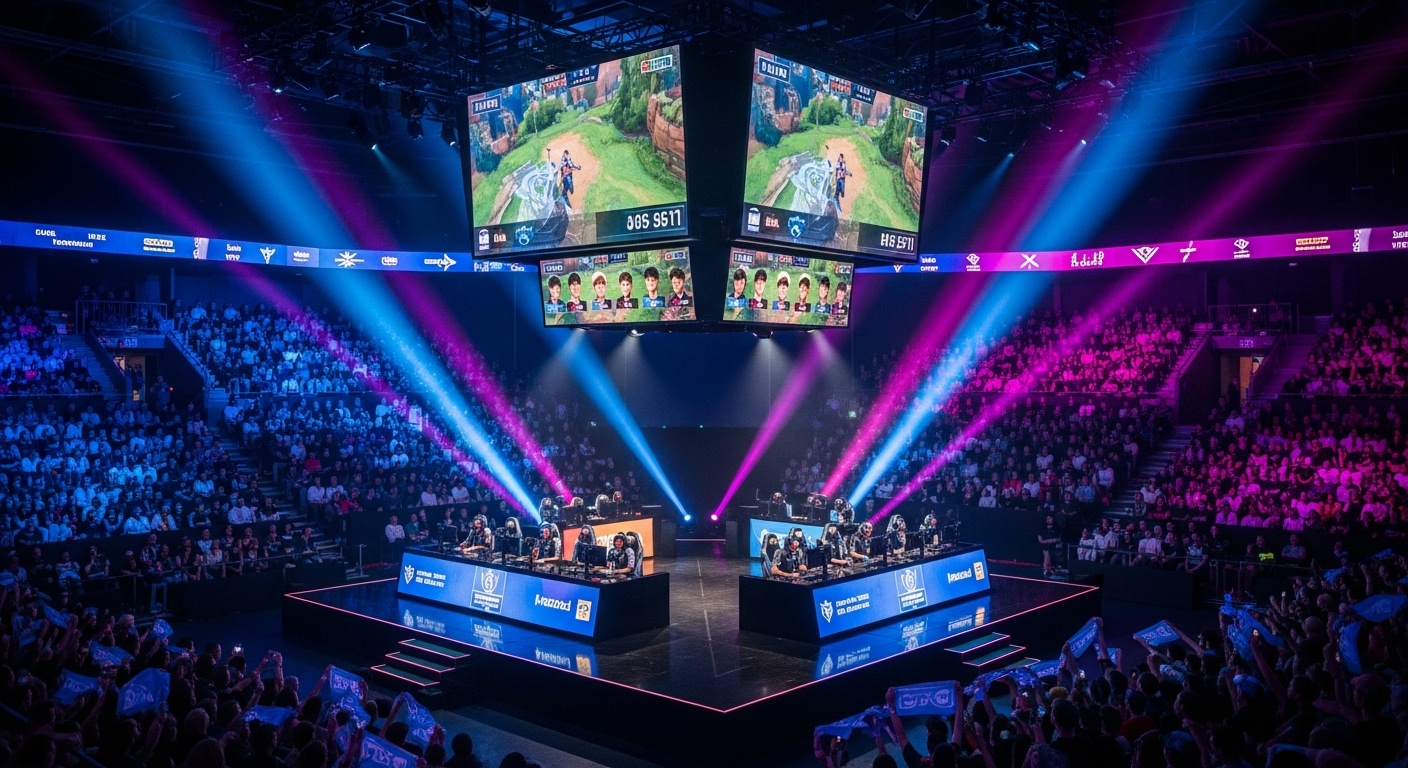
Esports has emerged as one of the most influential forms of entertainment in the modern world. What began as casual video game competitions among friends has evolved into a global industry featuring professional players, massive tournaments, and millions of dedicated fans. Esports represents a shift in how competition is defined, blending technology, skill, strategy, and community into a powerful cultural force. This blog explores the journey of esports, its structure, its impact on individuals and society, and what the future holds for competitive gaming.
The Birth of Competitive Gaming
The roots of esports can be traced back to the early days of video gaming. In the late twentieth century, players gathered in arcades to compete for high scores, often earning local recognition for their skills. These early competitions lacked formal organization, but they laid the foundation for a competitive mindset within gaming culture.
As gaming consoles and personal computers became more accessible, multiplayer games gained popularity. Players began organizing small tournaments in homes, schools, and gaming centers. The competitive spirit grew stronger with the introduction of online gaming, allowing players from different regions to compete against one another. This global connectivity marked the true beginning of esports as a recognizable phenomenon.
The Evolution into a Professional Industry
Esports transformed rapidly once structured leagues and professional tournaments were introduced. Game developers, tournament organizers, and sponsors recognized the potential of competitive gaming as entertainment. Organized leagues began establishing rules, formats, and ranking systems similar to traditional sports.
Professional teams formed, complete with coaches, analysts, and training facilities. Players signed contracts, practiced daily, and competed for prize money and sponsorships. International tournaments filled large arenas and attracted millions of viewers through digital broadcasts. Esports had officially evolved from a hobby into a professional industry.
Popular Esports Genres and Games
Esports is not limited to a single type of game. It encompasses a wide range of genres, each requiring different skills and strategies. First-person shooter games emphasize precision, reaction speed, and teamwork. Multiplayer online battle arena games focus on strategy, coordination, and map control. Fighting games highlight timing, reflexes, and one-on-one mastery, while sports simulation games replicate real-world sports in a virtual environment.
Each genre has its own fan base, competitive ecosystem, and professional stars. This diversity allows esports to appeal to a broad audience, ensuring its continued growth and relevance.
Physical and Mental Demands of Esports
Despite common misconceptions, esports requires significant physical and mental effort. Professional players must maintain excellent hand-eye coordination, quick reflexes, and precise control over their movements. Long practice sessions demand physical endurance and proper posture to prevent injury.
The mental demands are even greater. Players must process large amounts of information in real time, make rapid decisions, and adapt strategies under pressure. Competitive matches can be emotionally intense, requiring mental resilience and focus. Team-based games also demand strong communication and leadership skills, proving that esports athletes train both mind and body.
Training and Discipline in Esports
Professional esports players follow structured training routines similar to traditional athletes. Practice sessions involve mastering game mechanics, studying opponents, reviewing match footage, and refining strategies. Many teams employ analysts to break down gameplay data and identify areas for improvement.
Discipline plays a crucial role in success. Players must balance practice with rest, physical exercise, and mental recovery. Maintaining a healthy lifestyle is essential to sustain performance over long competitive seasons. This level of dedication highlights the seriousness of esports as a competitive discipline.
The Role of Streaming and Fan Engagement
Streaming platforms have revolutionized how esports is consumed. Fans can watch live matches, follow their favorite players, and engage with content in real time. Viewers interact through chats, discussions, and fan communities, creating a shared experience that extends beyond the game itself.
Streaming has also allowed players to build personal brands. Many professional gamers share their daily routines, training sessions, and casual gameplay with fans. This transparency strengthens the connection between players and audiences, making esports a highly interactive form of entertainment.
Career Opportunities Beyond Playing
Esports offers a wide range of career paths beyond professional gaming. Coaches guide teams through strategic development, while analysts provide data-driven insights. Commentators and hosts bring matches to life for audiences, combining entertainment with expert analysis.
Other roles include event management, marketing, graphic design, video editing, and community moderation. Game developers and technology specialists also play a vital role in shaping the esports ecosystem. These opportunities demonstrate that esports is a comprehensive industry with room for diverse talents.
Cultural Impact of Esports
Esports has become a significant cultural movement, especially among younger generations. It influences fashion, music, language, and online trends. Professional players often serve as role models, inspiring fans through their dedication and achievements.
The global nature of esports fosters cultural exchange. Players from different countries compete on the same stage, sharing experiences and perspectives. This international collaboration promotes understanding and unity, proving that competition can bring people together across borders.
Esports and Education
Educational institutions have begun recognizing the value of esports. Schools and universities offer esports programs that focus on teamwork, leadership, communication, and strategic thinking. These programs help students develop skills that are applicable beyond gaming.
Scholarships and training programs provide pathways for students to pursue esports professionally while continuing their education. Esports also encourages interest in technology, digital media, and problem-solving, making it a valuable educational tool in the digital age.
Challenges Facing the Esports Industry
Despite its success, esports faces several challenges. Mental health concerns are common among professional players due to intense competition and public pressure. Burnout, stress, and anxiety require greater awareness and support systems.
Ethical issues such as cheating, unfair practices, and unequal representation must also be addressed. Ensuring inclusivity for women and underrepresented groups remains a priority. Addressing these challenges is essential for the long-term sustainability and credibility of esports.
The Business of Esports
Esports has grown into a multi-billion-dollar industry supported by sponsorships, advertising, merchandise, and media rights. Major tournaments generate substantial revenue and attract global audiences. Brands invest heavily in esports to connect with younger, digitally engaged consumers.
This commercial growth has increased professionalism but also raised concerns about over-commercialization. Balancing business interests with player wellbeing and competitive integrity remains an ongoing challenge for the industry.
The Future of Esports
The future of esports is filled with potential. Advances in technology such as virtual reality, artificial intelligence, and enhanced broadcasting tools will continue to reshape how games are played and watched. Esports is expected to become even more immersive and interactive.
As acceptance grows, esports may further integrate with traditional sports, education systems, and mainstream media. Greater emphasis on health, inclusivity, and sustainability will help shape a more balanced and responsible industry. The next generation of players and fans will define what esports becomes.
Conclusion
Esports is more than digital competition; it is a reflection of modern society’s relationship with technology, entertainment, and community. From its humble beginnings to its current status as a global industry, esports has redefined what it means to compete and connect.
Through skill, strategy, discipline, and passion, esports athletes push the boundaries of human potential in virtual spaces. The industry creates opportunities, fosters creativity, and brings people together across cultures and continents. As esports continues to evolve, it stands as a powerful symbol of how competition, innovation, and community can thrive in the digital age.