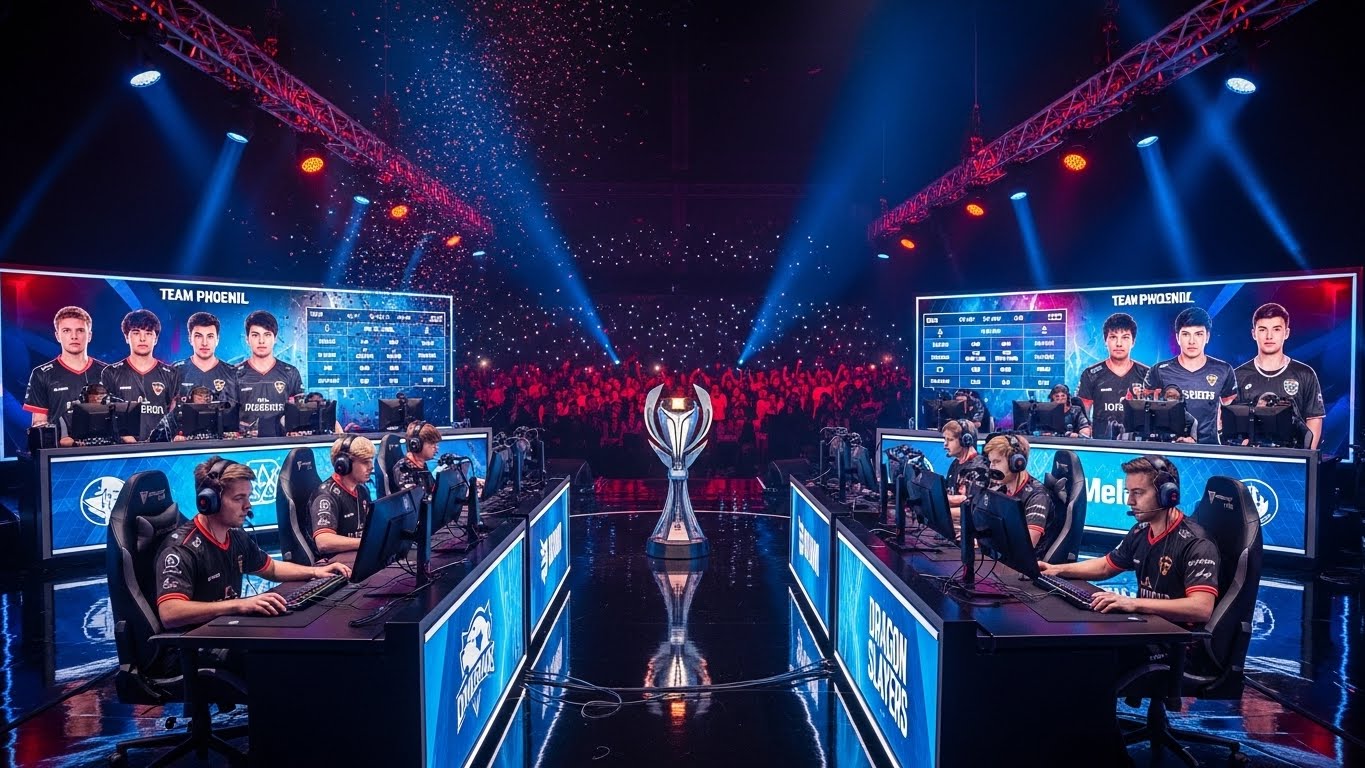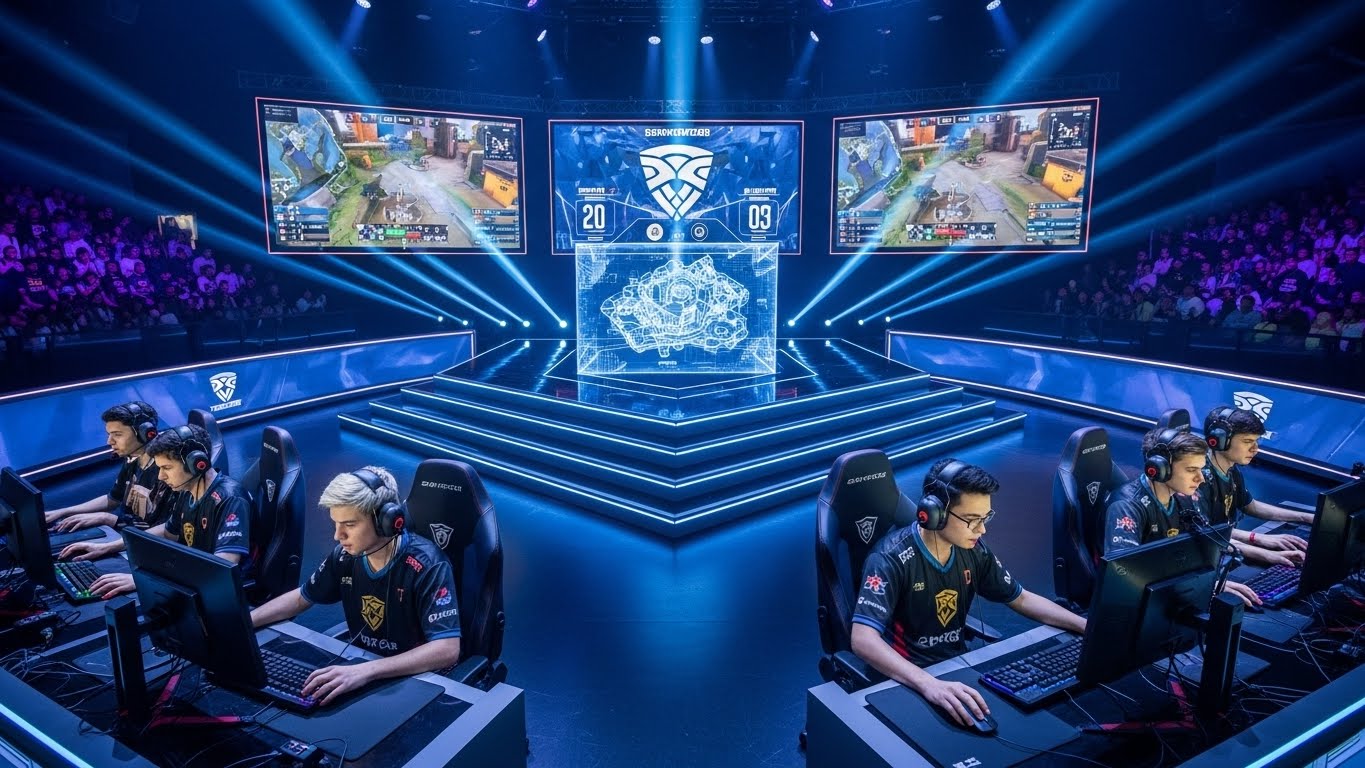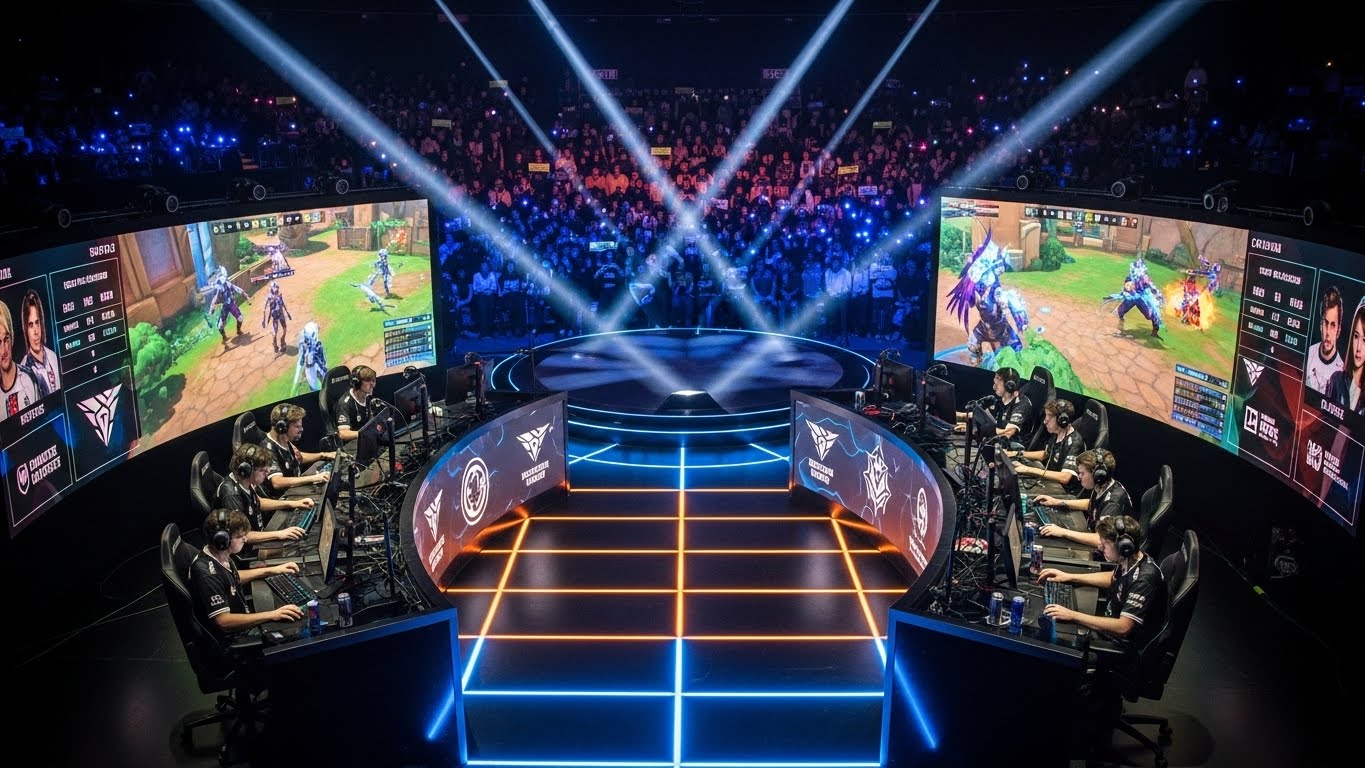
Esports has rapidly transformed from casual competitive gaming into a global phenomenon that rivals traditional sports in popularity, scale, and cultural influence. What was once seen as a hobby confined to bedrooms and internet cafés is now a professional industry featuring elite athletes, massive tournaments, and millions of passionate fans. Esports represents a new era of competition where mental agility, teamwork, and digital mastery define success. This blog explores the origins, structure, cultural impact, and future of esports, highlighting how it has reshaped modern entertainment and competition.
The Early Foundations of Esports
The origins of esports can be traced back to the early days of video gaming when players began competing for high scores and bragging rights. In the late twentieth century, arcade competitions brought players together in shared spaces, creating the first gaming communities. These early contests lacked formal organization, but they established a competitive spirit that would later define esports.
As personal computers and gaming consoles became more widespread, multiplayer games allowed players to compete head-to-head. Local tournaments emerged, often organized by gaming enthusiasts. The true turning point came with the rise of the internet, which enabled online multiplayer gaming. Players could now compete with others across the world, laying the groundwork for global esports competition.
The Transition to Professional Esports
Esports began its transition into a professional industry when organized leagues, sponsorships, and structured tournaments were introduced. Game developers and event organizers recognized the growing audience and competitive potential of gaming. Professional teams were formed, players signed contracts, and regular training schedules became standard.
Large-scale tournaments attracted thousands of spectators and millions of online viewers. Prize pools increased significantly, turning esports into a viable career for skilled players. The professionalization of esports brought legitimacy, transforming competitive gaming into a respected and structured form of competition.
Popular Esports Genres and Competitive Games
Esports includes a wide variety of game genres, each requiring different skills and strategies. First-person shooter games emphasize precision, reaction speed, and coordination. Multiplayer online battle arena games focus on strategy, teamwork, and map control. Fighting games demand quick reflexes, timing, and deep knowledge of mechanics, while real-time strategy games prioritize planning and decision-making.
This diversity allows esports to attract a broad audience and provides opportunities for players with different strengths. Each genre has its own professional scene, tournaments, and fan communities, contributing to the richness and depth of the esports ecosystem.
The Skill and Discipline of Esports Athletes
Contrary to the misconception that esports requires little effort, professional players must maintain exceptional physical and mental discipline. High-level gaming demands sharp reflexes, hand-eye coordination, and precise control. Players train for hours each day to refine mechanics, develop strategies, and synchronize with teammates.
Mental strength is equally important. Esports athletes must process information rapidly, adapt to changing situations, and perform under intense pressure. Team-based games require constant communication, trust, and leadership. Managing stress, maintaining focus, and recovering from losses are essential skills that define successful esports competitors.
Training, Coaching, and Strategy
Professional esports teams operate similarly to traditional sports organizations. Coaches design training routines, analysts study opponents and gameplay data, and support staff assist with logistics and player wellbeing. Teams review match footage to identify mistakes and improve performance.
Strategy plays a central role in esports. Understanding game mechanics, predicting opponent behavior, and adapting tactics mid-match can determine victory or defeat. The emphasis on preparation and analysis highlights the intellectual depth of competitive gaming.
The Role of Streaming and Spectatorship
Streaming platforms have revolutionized how esports is consumed. Fans can watch live matches, follow professional players, and engage with content in real time. Commentary and analysis enhance the viewing experience, making esports accessible even to those unfamiliar with the games.
Spectatorship has become a defining feature of esports culture. Major tournaments fill arenas with fans, while millions more watch online. This shared experience fosters a sense of community and excitement, turning esports into a global spectator sport.
Community and Social Impact of Esports
Esports has created vibrant communities that extend beyond competition. Players, fans, and creators connect through shared interests, forming friendships and collaborations across borders. Online forums, fan events, and social platforms allow individuals to engage with esports culture daily.
These communities promote inclusivity and global interaction. Players from different countries and backgrounds compete on equal footing, united by skill and passion. Esports demonstrates how digital spaces can foster meaningful social connections and cultural exchange.
Career Opportunities in the Esports Industry
Esports offers a wide range of career paths beyond professional playing. Coaches, analysts, commentators, event organizers, and team managers play essential roles in the industry. Content creators, video editors, designers, and marketers contribute to branding and audience engagement.
Educational institutions have begun offering esports-related programs, teaching skills such as strategic thinking, communication, and digital production. These opportunities highlight esports as a sustainable industry with diverse professional pathways.
Esports and Youth Development
For many young people, esports serves as an entry point into teamwork, leadership, and discipline. Competitive gaming encourages goal-setting, practice, and self-improvement. Players learn to manage wins and losses, develop resilience, and work collaboratively toward shared objectives.
Youth esports programs and school competitions provide structured environments where students can develop both technical and social skills. When guided responsibly, esports can support personal growth and digital literacy among younger generations.
Cultural Influence of Esports
Esports has become a significant cultural force, influencing fashion, music, language, and digital trends. Professional players often become role models, inspiring fans with their dedication and achievements. Esports events are celebrated as cultural milestones, drawing attention comparable to traditional sporting championships.
The influence of esports extends into mainstream media, where gaming culture increasingly shapes entertainment and lifestyle trends. This cultural integration reflects the growing acceptance and impact of esports worldwide.
Challenges Facing the Esports World
Despite its growth, esports faces several challenges. Player burnout and mental health concerns are common due to intense training schedules and public pressure. Physical strain from prolonged gaming requires better awareness and preventive care.
Issues such as cheating, unfair practices, and lack of representation must be addressed to ensure fairness and inclusivity. Establishing ethical standards and support systems is essential for maintaining the integrity and sustainability of esports.
The Business and Economics of Esports
Esports has grown into a powerful economic engine. Revenue streams include sponsorships, merchandise, media rights, and ticket sales. Brands invest heavily in esports to reach younger, digitally engaged audiences.
While commercial growth has fueled expansion, it also raises concerns about over-commercialization. Balancing business interests with player wellbeing and competitive integrity remains a critical challenge for the industry.
Technology Driving Esports Forward
Technology is at the heart of esports. Advances in hardware, software, and internet infrastructure have enabled smoother gameplay, better broadcasts, and enhanced viewer experiences. Data analytics and artificial intelligence help teams improve performance and strategy.
Future innovations such as virtual reality and advanced simulation tools may further transform competitive gaming. Technology will continue to shape how esports is played, watched, and experienced.
The Future of Esports
The future of esports looks promising as it continues to gain global recognition. Greater integration with education, traditional sports organizations, and mainstream media is likely. Emphasis on player health, diversity, and sustainability will shape a more balanced industry.
As technology evolves and audiences grow, esports will continue redefining competition and entertainment. It represents a new model of sport that reflects the digital age, combining innovation, skill, and global connectivity.
Conclusion
Esports has emerged as a defining feature of modern digital culture. From humble beginnings to global arenas, it has transformed how people compete, connect, and entertain themselves. Esports demands discipline, intelligence, teamwork, and resilience, challenging outdated perceptions of gaming.
Beyond competition, esports builds communities, creates careers, and fosters cultural exchange. It stands as a testament to how technology can redefine human interaction and achievement. As esports continues to evolve, it will remain a powerful symbol of the digital era, proving that competition and passion thrive just as fiercely in virtual worlds as they do in physical arenas.