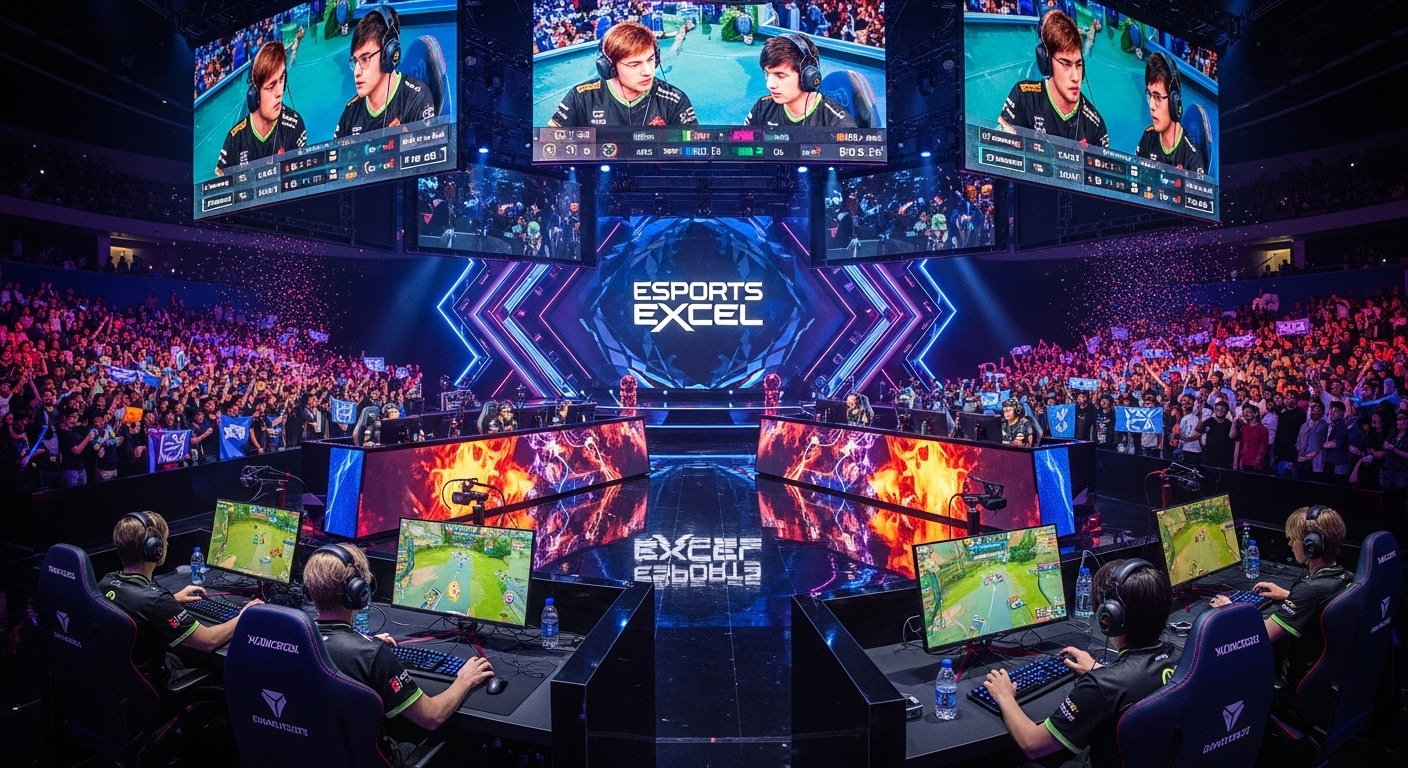
Esports has transformed from small-scale gaming tournaments into a global phenomenon, attracting millions of fans and generating billions in revenue each year. With that growth, the stakes have risen dramatically—not just in competition but also in the rewards for success. Prize pools in esports now rival those of traditional sports, sometimes even surpassing them. But how are these enormous sums of money distributed? How do players, teams, and organizations share the earnings?
Understanding how prize distribution works in esports gives insight into how the industry functions, how players are compensated, and how money flows within the competitive gaming ecosystem. Let’s dive deep into the structure, systems, and strategies behind esports prize distribution.
The Evolution of Esports Prize Pools
In the early 2000s, competitive gaming tournaments offered modest cash rewards, often funded by small sponsors or game developers. Prize pools were usually a few thousand dollars, enough to cover travel expenses or basic rewards for top players.
However, as esports gained global attention, everything changed. With platforms like Twitch, YouTube Gaming, and major sponsorships entering the scene, tournaments started drawing massive audiences. Game publishers began to invest heavily, and the size of prize pools skyrocketed.
Today, major tournaments like The International (for Dota 2), Fortnite World Cup, and League of Legends World Championship offer multi-million-dollar prize pools, turning professional gamers into millionaires overnight.
Sources of Esports Prize Money
Prize pools in esports come from multiple sources, depending on the game and the event structure. Understanding these funding streams helps explain how money enters the ecosystem before being distributed.
1. Game Developers and Publishers
Many of the largest prize pools are directly funded by game publishers such as Valve, Riot Games, Blizzard, and Epic Games. These companies view esports as a powerful marketing tool to keep their games popular and attract new players.
For example, Valve funds The International for Dota 2 but also allows community contributions through in-game purchases, making the prize pool massive each year. Riot Games, on the other hand, funds the League of Legends World Championship entirely, ensuring stability and fairness in payouts.
2. Community Crowdfunding
Some games involve their communities in prize pool generation. Players can buy special in-game items or battle passes, with a percentage of the sales going directly to the tournament fund.
For instance, Dota 2’s Battle Pass system has helped The International break records year after year, with tens of millions of dollars contributed by fans worldwide. This model not only increases engagement but also allows fans to feel directly involved in the competitive scene.
3. Sponsors and Brand Partnerships
Corporate sponsors play a vital role in prize funding. Companies in hardware, energy drinks, tech, and lifestyle brands invest in tournaments to gain visibility with the esports audience. Their sponsorship dollars often supplement or partially fund the prize pool, especially in leagues and large-scale events.
4. Ticket Sales and Streaming Revenue
Offline tournaments that take place in arenas generate income through ticket sales. Additionally, streaming platforms sometimes pay for exclusive broadcasting rights, contributing a portion of the funds to the event’s overall budget—including prizes.
Distribution Models in Esports
Once the prize pool is established, organizers must decide how to distribute it among participants. The distribution model can vary depending on the size of the tournament, the number of teams, and the publisher’s policies.
Here are the most common prize distribution systems:
1. Tiered Percentage Model
This is the most widely used system. The top finishers receive the largest share of the prize pool, with smaller amounts going to lower-ranking teams.
A typical breakdown might look like this:
- 1st Place: 40% of the total prize pool
- 2nd Place: 20%
- 3rd Place: 10%
- 4th–8th Place: Smaller percentages split among them
This system rewards excellence while ensuring that multiple teams receive compensation for their participation.
2. Fixed Payout Model
Some leagues or events opt for fixed payouts, especially in franchise-based systems. Every team participating receives a guaranteed minimum payment, and additional rewards are given based on placement.
This model is used in structured leagues like the Overwatch League or Call of Duty League, ensuring financial stability for all organizations involved, even those finishing at the bottom of the standings.
3. Community Contribution Bonus
In crowdfunding-based tournaments, additional rewards are sometimes distributed based on fan engagement or popularity. For example, teams with the most fan votes or community support may receive bonus rewards or appearance fees.
How Teams Split Prize Money
Winning a large esports tournament is only the first step. The next challenge is dividing the earnings fairly among the players, coaches, and organizations.
1. Player Contracts
Each professional player signs a contract with their organization, detailing how prize money will be split. Typically, players receive between 60% to 90% of the team’s winnings, depending on their contracts and team policies. The organization retains the remaining amount to cover management, staff, and operational costs.
For example:
If a team wins $1 million and the contract specifies a 75/25 split, players collectively take home $750,000, while the organization keeps $250,000.
2. Equal Distribution Among Players
In most cases, the player portion of the prize money is divided equally among the team members. For a five-player roster, each player might receive 20% of the total player share.
However, in some teams, star players or captains may negotiate larger shares due to leadership responsibilities or brand influence.
3. Coaches and Support Staff
Coaches, analysts, and other support personnel often receive a small percentage of the winnings. While not as large as the players’ shares, these amounts serve as incentives for their behind-the-scenes contributions to team success.
4. Bonuses and Incentives
Some organizations offer additional performance bonuses for tournament wins, MVP awards, or top finishes. These are often paid separately from the official prize money, encouraging players to perform at their best.
Taxation and Legal Considerations
Prize money in esports, like in any professional field, is subject to taxation. The exact amount depends on the country where the player resides and where the event takes place.
For instance, players competing in international tournaments may face taxes both in their home country and in the host country, depending on tax treaties. Organizations often assist players with legal and financial advice to manage these earnings properly.
In addition to taxes, contractual obligations and sponsorship deals may affect the final payout. Some organizations withhold portions for future expenses or redistribute bonuses throughout the season.
Differences Between Esports Titles
Not all esports titles handle prize distribution the same way. Let’s examine a few major games:
1. Dota 2
Dota 2’s The International uses a crowdfunded system. The base prize pool starts with funding from Valve, and the community contributes by purchasing in-game content. This model has led to record-breaking payouts exceeding $40 million. Distribution follows a tiered system, with the winning team taking the largest portion—often more than 40%.
2. League of Legends
Riot Games funds the League of Legends World Championship entirely, ensuring consistent and fair payouts. Although the prize pool is smaller than Dota 2’s, players benefit from stable salaries and league support. The distribution model is based on placements, with all teams earning some reward for participation.
3. Fortnite
Epic Games made headlines by offering massive individual prize pools. The Fortnite World Cup 2019 awarded $30 million, with the solo winner taking home $3 million. Epic typically funds its tournaments directly and uses both individual and team-based distribution systems.
4. Counter-Strike: Global Offensive
In CS:GO, event organizers (like ESL, BLAST, or PGL) handle prize pools. Distribution varies but usually follows a tiered model. Players often receive most of the winnings directly, with contracts ensuring fair splits among team members.
5. Valorant
Riot’s Valorant Champions Tour (VCT) operates similarly to League of Legends. Prize pools are moderate compared to other titles but come with long-term support, sponsorships, and consistent salaries for players.
The Role of Salaries in Prize Distribution
In franchise-based leagues, players often receive monthly salaries in addition to prize winnings. This system stabilizes player income and makes esports careers more sustainable.
For instance, Overwatch League players have minimum salary guarantees, health benefits, and housing support. Prize winnings then act as performance bonuses rather than the main source of income.
In contrast, players in open-circuit games like CS:GO or Dota 2 may rely heavily on tournament winnings, making prize distribution more critical for their livelihood.
Transparency and Controversies
Prize distribution hasn’t always been smooth in esports. Over the years, disputes have arisen over delayed payments, unfair splits, or lack of transparency from organizations.
Some issues include:
- Teams withholding players’ shares unfairly
- Mismanagement of community-funded prize pools
- Event organizers delaying payouts
- Contract loopholes allowing teams to retain excessive portions
To combat these issues, many esports organizations now operate under stricter regulations, and some tournaments employ third-party auditors to ensure fairness. Players are also becoming more aware of their rights, often hiring agents or legal advisors to negotiate contracts.
Long-Term Impact on the Esports Economy
Prize distribution does more than reward winners—it fuels the entire esports ecosystem. The money flowing from tournaments supports organizations, helps fund infrastructure, and motivates new players to join the scene.
It also attracts investors, sponsors, and media rights deals, driving overall industry growth. Well-structured prize systems maintain player trust and ensure that esports remains a viable and sustainable career path.
Moreover, fair distribution promotes healthy competition and encourages professional conduct, which strengthens the industry’s credibility and long-term stability.
The Future of Prize Distribution
As esports continues to evolve, prize distribution models are becoming more sophisticated. Future trends may include:
- Revenue Sharing Systems: Teams and players earning portions of sponsorship and media revenue, not just prize winnings.
- Tokenized Rewards: Using blockchain or digital tokens to distribute and track prize payments transparently.
- Player Protection Laws: Legal frameworks ensuring fair and timely distribution of earnings.
- Increased Salaries: Reducing reliance on unpredictable tournament outcomes.
These developments will create more stability for players while maintaining the excitement and reward structure that makes esports so competitive.
Conclusion
Prize distribution in esports is far more complex than just handing money to the winning team. It involves a carefully balanced system of funding, contracts, percentages, and fairness that sustains one of the world’s fastest-growing industries.
From the developers and sponsors who fund events to the players and teams who battle for glory, every aspect of the process reflects esports’ evolution from grassroots gaming to a global entertainment powerhouse.
Ultimately, fair and transparent prize distribution ensures that esports remains not only thrilling to watch but also rewarding for those who dedicate their lives to mastering their craft. As the industry matures, players, organizations, and fans alike will continue to shape how competitive gaming shares its biggest prizes—and its greatest triumphs.