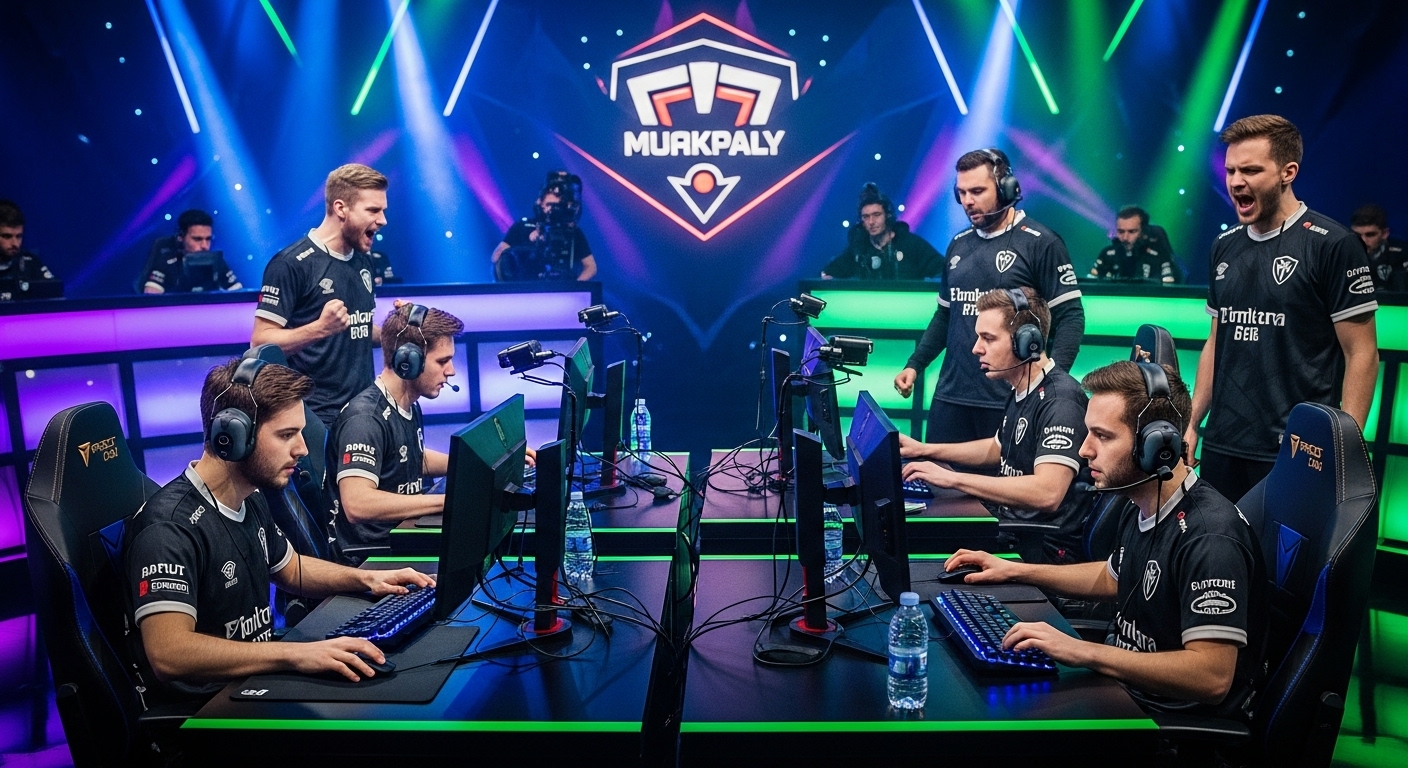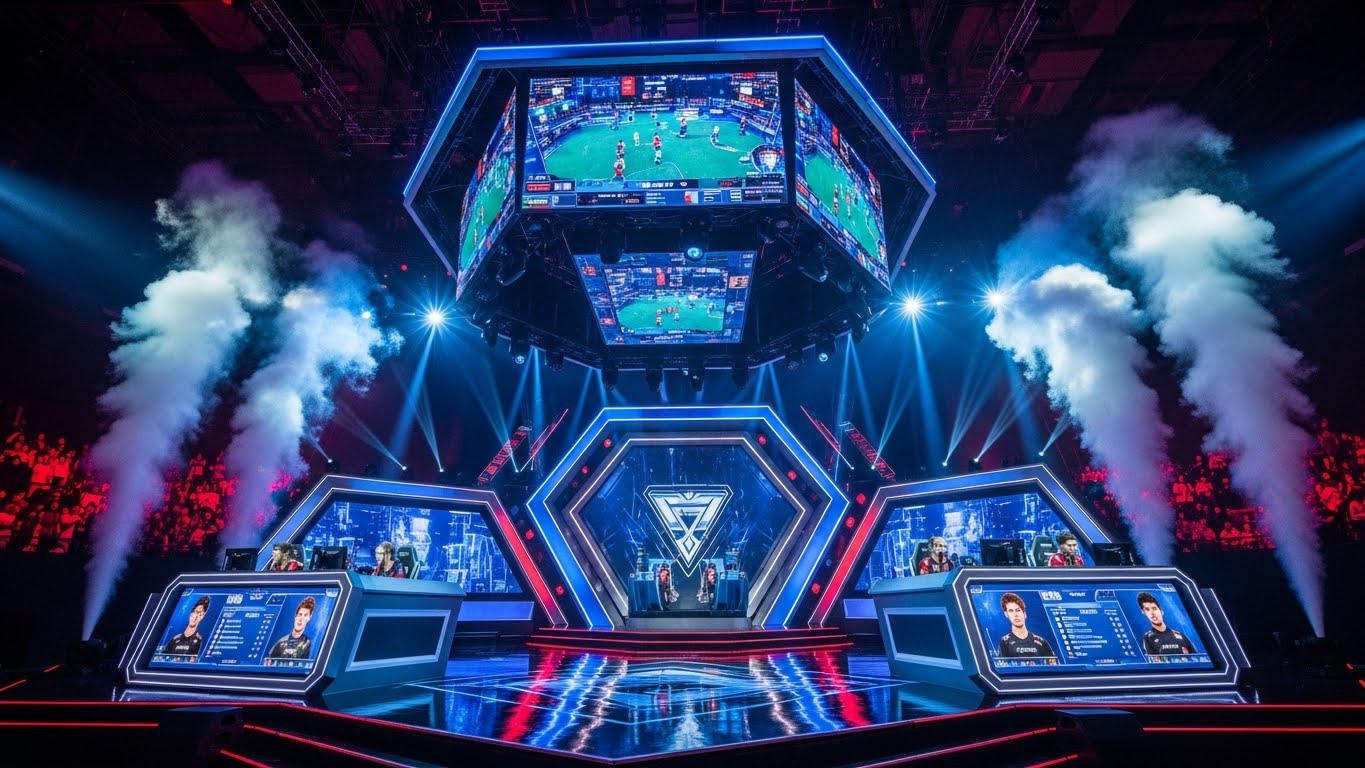
Esports, short for electronic sports, has grown from a niche pastime into a multi-billion-dollar global industry. What once began as casual gaming among friends has transformed into organized competitive gaming with professional players, global tournaments, and massive audiences. Today, esports is not just about entertainment—it intersects with technology, culture, business, and education, redefining how we view competition and recreation in the digital age.
This blog explores the evolution of esports, its impact on players and audiences, the business behind it, and its significance in shaping modern entertainment.
The Origins of Competitive Gaming
Competitive gaming has roots dating back to the early days of video games. In the late 1970s and 1980s, arcade games like Space Invaders, Pac-Man, and Donkey Kong fostered competitive communities. High score competitions and local tournaments brought players together to test their skills. The concept of organized gaming tournaments, while primitive, laid the groundwork for modern esports.
The 1990s saw the rise of multiplayer gaming on personal computers. Games like Quake, StarCraft, and Counter-Strike introduced the idea of competitive strategy and skill-based play in a structured environment. These games became staples of early esports communities, especially in South Korea, where StarCraft tournaments helped establish professional gaming as a legitimate career path.
During this era, competitive gaming was largely regional, with limited exposure outside of specialized communities. Players competed in small venues, and audiences often watched through local broadcasts or early internet streams. The foundations of modern esports, however, were firmly established: skill, teamwork, strategy, and the thrill of competition.
The Evolution of Esports
The 2000s marked a turning point for esports. Broadband internet became widely available, enabling real-time multiplayer gaming across the globe. Online platforms allowed players to compete against each other regardless of location, breaking geographical barriers that once limited competitive play.
The introduction of streaming services transformed esports from a niche activity into a spectator sport. Platforms dedicated to broadcasting live games enabled fans to watch tournaments, follow their favorite players, and engage with the community. This shift created a new form of interactive entertainment where audiences were not just passive observers but active participants through chat, social media, and fan communities.
Games like League of Legends, Dota 2, and Overwatch brought esports into the mainstream. They introduced organized leagues, global tournaments, and professional teams sponsored by major brands. The scale of these events, with prize pools reaching millions of dollars, elevated competitive gaming to a level comparable to traditional sports.
The Structure of Professional Esports
Professional esports operates similarly to conventional sports leagues. Players typically belong to teams or organizations that provide training, coaching, and support. Professional players often follow rigorous schedules, practicing for several hours daily to maintain peak performance. Teamwork, strategy, and individual skill are all critical components of success.
Esports tournaments can vary in format. Some are single-elimination, while others use round-robin or league systems. Major global events, such as The International for Dota 2 or the League of Legends World Championship, attract millions of viewers online and offer substantial prize pools. Sponsorships, merchandise, and media rights contribute to the financial sustainability of these events.
One notable aspect of esports is its accessibility. Unlike traditional sports, which often require physical prowess and years of training, competitive gaming emphasizes strategic thinking, reflexes, and teamwork. This inclusivity has broadened the appeal of esports, attracting players of diverse ages, backgrounds, and skill levels.
Esports as a Spectator Sport
Esports is unique because it functions as both a participatory and spectator experience. Fans do more than watch—they analyze strategies, follow team dynamics, and interact with other viewers online. Live streams and commentary have become essential aspects of the esports experience, similar to television broadcasts of traditional sports.
The growth of streaming platforms has enabled esports audiences to expand exponentially. Millions of viewers worldwide tune in to watch tournaments, follow players, and participate in fan communities. Unlike conventional sports, esports content is often available on-demand, allowing fans to catch up on matches and highlights at their convenience.
Spectatorship in esports also includes interactive elements. Fans can vote on in-game decisions, participate in discussions, and engage with players through social media. This level of interaction creates a sense of community that distinguishes esports from other forms of competitive entertainment.
The Business of Esports
Esports has evolved into a massive industry with multiple revenue streams. Sponsorships from global brands, advertising, media rights, ticket sales, and merchandise sales all contribute to the financial ecosystem. Major companies recognize the marketing potential of esports, targeting younger audiences who may be less engaged with traditional media.
Professional teams and players have become brands themselves. Sponsorship deals, endorsements, and merchandise sales provide additional income. Top players can earn salaries comparable to athletes in conventional sports, and prize winnings in high-profile tournaments often reach millions of dollars.
Event organization is another key business aspect. Companies invest heavily in producing live tournaments, often held in large arenas with professional broadcasts, elaborate production, and interactive fan experiences. The combination of competitive play, spectacle, and community engagement ensures esports’ financial viability and continuous growth.
The Cultural Impact of Esports
Esports has significantly influenced popular culture, particularly among younger generations. It has created global communities that transcend geographic and cultural boundaries. Fans connect through shared interests, discuss strategies, and celebrate player achievements collectively.
Esports also challenges traditional notions of sports. It demonstrates that competition, teamwork, and skill-based performance are not limited to physical activity. This shift has broadened the definition of athleticism and inspired discussions about the legitimacy of digital competition.
The influence of esports extends to media, fashion, and entertainment. Streamers and professional players have become influencers, shaping trends in gaming, lifestyle, and even technology. Popular games often drive collaborations with music, film, and merchandise, further integrating esports into broader culture.
Training and Discipline in Esports
Professional esports players follow disciplined routines similar to those of traditional athletes. Training involves practicing in-game mechanics, analyzing opponents, developing strategies, and maintaining physical and mental health. Reflexes, decision-making, and teamwork are honed through hours of deliberate practice.
Mental health is a growing concern within esports. The pressure to perform, long hours of practice, and exposure to public scrutiny can lead to stress and burnout. Professional organizations are increasingly focusing on support systems, including mental health resources, nutrition, and fitness programs, to ensure sustainable performance.
Physical health is also crucial. While esports may not involve intense physical activity, maintaining overall fitness helps improve reflexes, endurance, and concentration. Players often combine in-game practice with physical exercise, healthy diets, and proper rest to optimize performance.
Technology and Esports
Esports exists at the intersection of gaming and technology. Advances in hardware, software, and network infrastructure have enabled competitive gaming on a global scale. High-performance computers, gaming consoles, and peripherals provide players with precision and speed, while stable internet connections allow seamless online competition.
Streaming technology is equally important. High-definition broadcasts, live commentary, and interactive features enhance the viewer experience. Analytics software helps teams assess performance, analyze opponents, and refine strategies. Virtual reality and augmented reality are also starting to play a role, creating immersive experiences for both players and audiences.
Esports’ reliance on technology ensures that innovation drives the industry forward. Each advancement in gaming hardware, network reliability, or streaming capability can redefine the competitive landscape and audience engagement.
The Educational and Career Opportunities in Esports
Esports has opened up new career paths and educational opportunities. Professional players are just one aspect of the ecosystem. Roles in coaching, event management, content creation, broadcasting, analytics, marketing, and game development are all growing sectors within esports.
Several educational institutions now offer esports programs, combining gaming skills with business, media, and technology education. Students can pursue careers as professional players, analysts, or esports managers, blending passion for gaming with practical skill development.
The esports industry also promotes soft skills such as teamwork, communication, strategic thinking, and leadership. These competencies are transferable beyond gaming, making esports a legitimate pathway for professional growth and development.
The Future of Esports
The future of esports is full of potential. The industry continues to expand globally, reaching new markets in Asia, Europe, the Americas, and beyond. Emerging technologies, including virtual reality, augmented reality, and artificial intelligence, promise to create new formats and enhance the spectator experience.
Esports may also achieve greater recognition alongside traditional sports. Discussions about including esports in the Olympics or other international competitions highlight its growing legitimacy. Furthermore, the integration of esports with mainstream entertainment, such as movies, music, and streaming platforms, ensures its cultural relevance for years to come.
Inclusivity and diversity will likely shape the future as well. Esports offers opportunities for players regardless of physical ability, gender, or background. By embracing these principles, esports can continue to grow as a global, inclusive form of competitive entertainment.
Conclusion
Esports has transformed from a small community of gamers into a global phenomenon that influences culture, entertainment, and business. It is a unique combination of competition, technology, and storytelling, engaging millions of players and spectators worldwide.
The rise of esports highlights the power of digital media to create shared experiences and communities that transcend geographic and cultural boundaries. It challenges traditional notions of sport and competition, offering new opportunities for entertainment, education, and career development.
As technology continues to evolve, esports will continue to redefine how we play, watch, and experience competitive entertainment. With its combination of skill, strategy, innovation, and spectacle, esports is poised to remain one of the most dynamic and influential forms of entertainment in the modern world.