Introduction
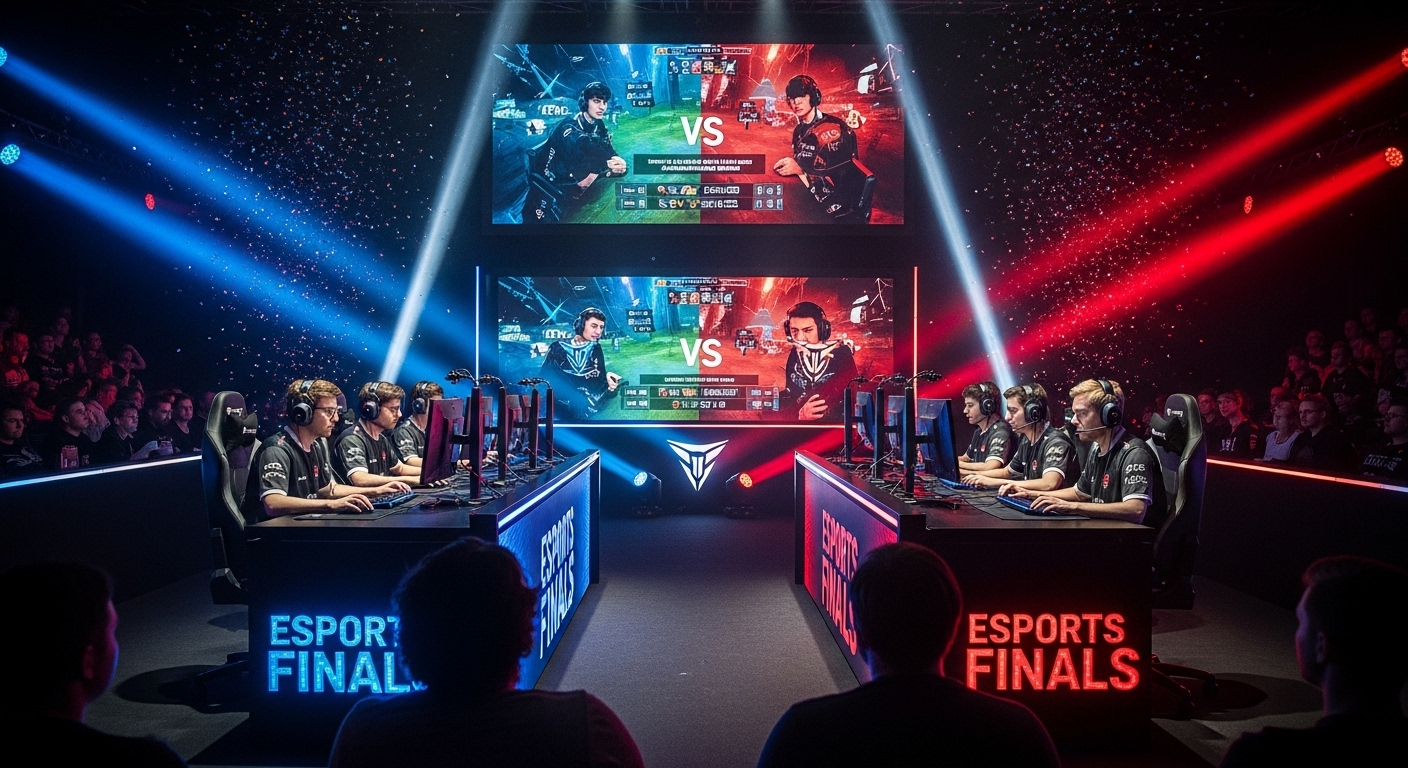
In the last two decades, esports has transformed from a niche hobby into a global phenomenon. What began as casual gaming competitions among friends has evolved into a professional industry with millions of fans, lucrative sponsorships, and international tournaments broadcast to audiences worldwide. Esports is not just about playing video games; it is a complex ecosystem involving players, teams, sponsors, event organizers, and audiences, all contributing to an ever-expanding digital sports culture.
The growth of esports has been fueled by advances in technology, the accessibility of the internet, and the rise of streaming platforms that allow fans to watch competitions live from anywhere in the world. As esports continues to integrate with mainstream culture, it challenges traditional perceptions of sports, entertainment, and career opportunities for gamers. This blog explores the rise of esports, its cultural and economic impact, the games that define the industry, and the future of competitive gaming.
The Origins of Esports
Esports has roots that trace back to the early days of competitive video gaming in the 1970s and 1980s. Arcade competitions, such as high-score challenges in classic games like Pac-Man and Space Invaders, were among the first organized gaming contests. By the 1990s, the rise of PC gaming introduced multiplayer experiences such as Doom and Quake, where players could compete in first-person shooter matches over local networks or the early internet.
These early competitions laid the foundation for the modern esports industry. Tournaments began to attract wider audiences, with prize pools and sponsorships gradually increasing. The introduction of games like StarCraft in South Korea helped solidify esports as a professional pursuit, with televised matches and dedicated fan communities emerging. This period demonstrated that video gaming could evolve into a competitive sport with both entertainment and career potential.
The Role of Technology in Esports Growth
Technology has been the key driver of esports growth. High-speed internet connections, powerful gaming hardware, and streaming platforms have enabled millions of people to play and watch games simultaneously. Streaming platforms such as Twitch and YouTube Gaming have created new opportunities for fans to engage with professional players, view tournaments live, and participate in community discussions.
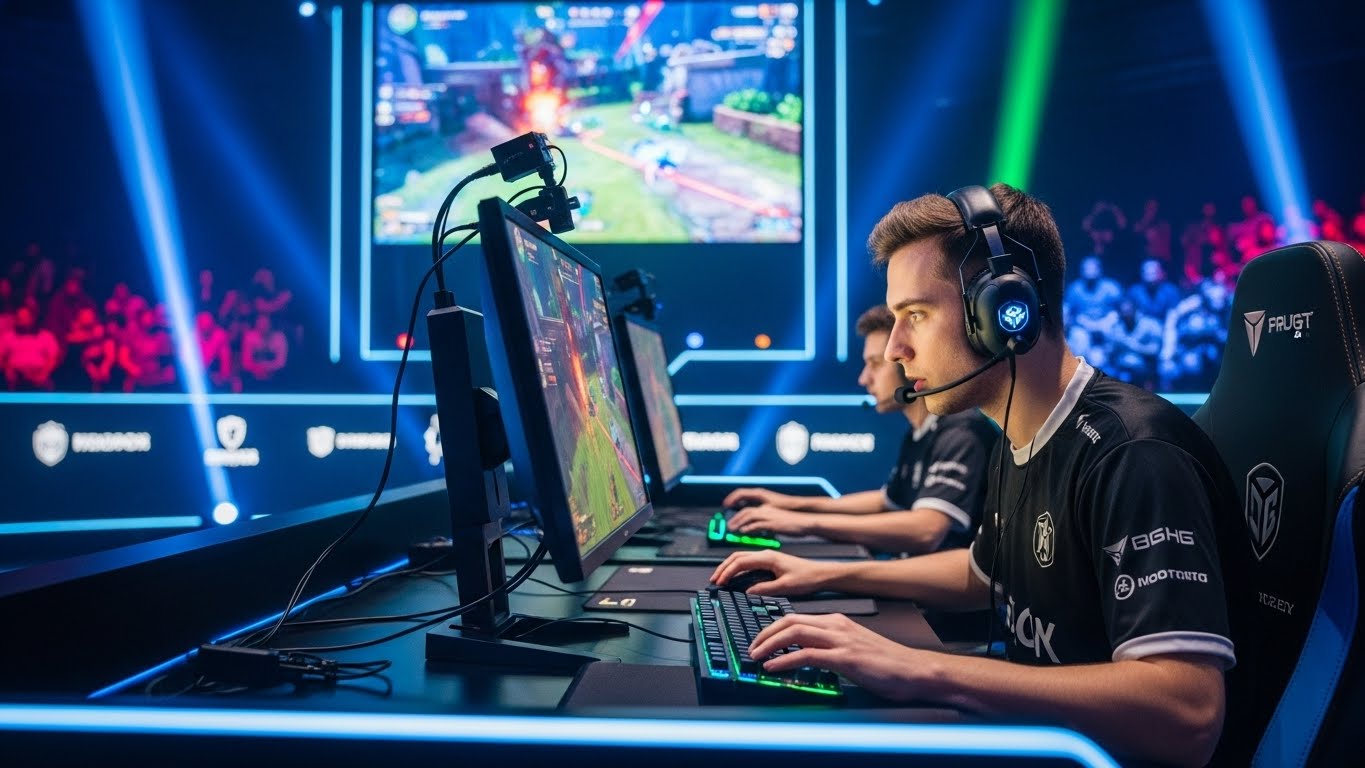
Advanced gaming technology has also allowed for more immersive experiences and precise competitive gameplay. High-refresh-rate monitors, mechanical keyboards, gaming mice, and high-quality headsets give players the tools needed to compete at elite levels. Moreover, game developers continuously update and balance competitive games to ensure fairness and maintain the excitement of esports tournaments.
Without technology, the global reach and professional structure of modern esports would not be possible. It has transformed gaming from a casual pastime into a spectator sport capable of drawing audiences comparable to traditional sports leagues.
The Economics of Esports
Esports has become a billion-dollar industry with multiple revenue streams. Professional teams and organizations generate income through sponsorship deals, tournament winnings, streaming revenue, merchandise, and advertising. Major tournaments now offer prize pools that rival those of traditional sporting events, attracting top talent and global attention.
Sponsorship deals with companies ranging from gaming hardware manufacturers to beverage brands have fueled the growth of esports organizations. Corporations recognize the marketing potential of reaching younger, digitally savvy audiences who consume entertainment online rather than through traditional media.
Esports also drives economic activity beyond the players and teams. Event organizers, production crews, commentators, and digital content creators contribute to a thriving ecosystem that employs thousands worldwide. The financial impact is so significant that governments in some countries provide support and recognition for esports as a legitimate form of professional competition.
Popular Esports Titles
The success of esports is closely tied to the games that define competitive play. Certain titles have become iconic due to their competitive balance, spectator appeal, and player base.
- League of Legends – One of the most popular esports games, League of Legends is a multiplayer online battle arena (MOBA) that emphasizes strategy, teamwork, and quick reflexes. Its annual World Championship attracts millions of viewers and offers multi-million-dollar prize pools.
- Counter-Strike: Global Offensive – A tactical first-person shooter, CS:GO combines precision, strategy, and teamwork. Its competitive scene includes international tournaments with professional teams that have devoted fan followings.
- Dota 2 – Another MOBA with a massive global audience, Dota 2 is renowned for its complexity and depth. Its annual tournament, The International, regularly boasts the largest prize pool in esports history.
- Fortnite – Known for its fast-paced battle royale gameplay, Fortnite has made esports accessible to a younger audience. Its tournaments combine skill, creativity, and spectacle, often featuring celebrity appearances and cross-media events.
- Call of Duty and Overwatch – These first-person shooters emphasize team coordination and strategic gameplay. Professional leagues, including the Call of Duty League and Overwatch League, have introduced structured seasonal competitions, mirroring traditional sports leagues.
The diversity of esports titles ensures there is something for every type of player and fan, from strategy enthusiasts to action lovers.
The Cultural Impact of Esports
Esports has significantly influenced popular culture, especially among younger generations. Professional gamers are now celebrities with large followings on social media, streaming platforms, and gaming conventions. They inspire new generations of players to pursue esports as a career, demonstrating that gaming can be both a passion and a profession.
Esports has also influenced traditional sports. Major sports organizations, including football and basketball teams, have established esports divisions to engage with digital audiences. The concept of fan engagement, team branding, and live streaming has crossed over from esports to other entertainment sectors, creating a reciprocal cultural exchange.
Moreover, esports has contributed to social connectivity. Online communities form around games and tournaments, enabling fans to share strategies, discuss matches, and celebrate achievements. This digital camaraderie mirrors the community spirit of traditional sports fandom, fostering a sense of belonging and shared identity.
The Challenges of Esports
Despite its rapid growth, esports faces significant challenges. The pressure on professional players can be intense, with long training hours, high expectations, and limited career longevity. Mental health issues such as anxiety, burnout, and stress are prevalent in competitive environments. Ethical considerations regarding fair play, cheating, and online harassment also persist, requiring strict regulations and community management.
Furthermore, the sustainability of esports revenue models is a concern. While sponsorships and streaming revenue can be lucrative, the market is highly competitive and dependent on trends. Game popularity can fluctuate, potentially affecting tournament attendance, viewership, and team finances.
Accessibility remains another challenge. Not all regions have reliable internet infrastructure or the financial means to support professional-level gaming, limiting global participation. Addressing these challenges is crucial to ensuring that esports remains inclusive, fair, and sustainable in the long term.
Esports and Education
Esports has increasingly intersected with education, offering new opportunities for learning and personal development. Universities and colleges now offer esports scholarships, degrees in game design, and competitive gaming programs. These initiatives combine academic study with practical experience in team management, marketing, and digital media.
Educational programs teach skills beyond gameplay. Players learn teamwork, communication, strategic thinking, and problem-solving. They also gain exposure to technology, streaming, and analytics, providing transferable skills valuable in a digital economy.
By integrating esports into education, institutions are recognizing its potential as a legitimate career path and a tool for developing skills that extend beyond the gaming world.
The Future of Esports
The future of esports looks promising, with continued growth in audience, revenue, and global participation. Emerging technologies such as virtual reality, augmented reality, and artificial intelligence will create new forms of competitive gaming experiences. VR esports may allow players and fans to immerse themselves directly into virtual arenas, enhancing spectator engagement.
Globalization will also drive esports expansion into new regions, with countries in Asia, Europe, and North America leading the industry. Cross-border competitions, international leagues, and online tournaments will further unite the global gaming community.
Esports may also gain greater recognition alongside traditional sports. Some governments already recognize esports athletes as professional sportspeople, offering visas and support. This legitimization can lead to better infrastructure, regulation, and career sustainability for players.
Finally, the integration of esports with mainstream media, entertainment, and culture will continue to grow. Collaborations with movies, music, and popular franchises will create hybrid experiences that merge gaming, storytelling, and spectacle in innovative ways.
Conclusion
Esports has evolved from humble beginnings into a global entertainment and professional industry with immense cultural, social, and economic impact. It has redefined what it means to compete, spectate, and participate in sports in the digital era. Professional gamers have become celebrities, tournaments have become global spectacles, and fans engage with esports in ways comparable to traditional sports fandom.
Despite challenges related to mental health, regulation, and sustainability, esports continues to grow in influence and legitimacy. Its integration with technology, education, and culture ensures that it will remain a defining aspect of modern entertainment.
As esports moves forward, it represents not only a new form of competition but also a reflection of broader societal trends—digital connectivity, global collaboration, and the evolving nature of sports and entertainment. For players, fans, and industry professionals alike, esports offers a dynamic and engaging landscape where passion, skill, and innovation converge.
Esports is no longer a pastime—it is a global movement shaping the future of entertainment, technology, and culture.