Introduction: Understanding the Phenomenon of Esports
In recent years, esports has surged from a niche hobby to a global competitive and entertainment industry. What started as casual gaming contests has transformed into a sophisticated ecosystem involving professional players, massive tournaments, dedicated organizations, and passionate fans worldwide. This rapid evolution has changed how we perceive competition, sportsmanship, and digital culture.
Esports is more than just playing video games; it represents a cultural shift in entertainment, community building, and career opportunities. This blog explores the history, structure, economic significance, player journeys, challenges, and future prospects of esports, shedding light on why it captivates millions and continues to grow exponentially.
The Origins of Esports: From Local Play to Global Spectacle
The roots of competitive gaming trace back several decades when early video games like Pong and Space Invaders invited players to compete for high scores in arcades. With the rise of home consoles and personal computers in the 1980s and 1990s, informal competitions shifted into homes and local gaming centers.
Local area network (LAN) parties allowed gamers to connect directly and engage in head-to-head matches, setting the foundation for competitive play. Early games like Doom, Quake, and StarCraft featured multiplayer modes that encouraged tactical gameplay and rivalry. As internet connectivity improved, online matches became commonplace, opening opportunities for global competition.
During the late 1990s and early 2000s, organized tournaments emerged, some offering cash prizes, helping to legitimize gaming as a competitive activity. South Korea was one of the earliest adopters to professionalize esports, with the creation of leagues centered on games like StarCraft. The country’s embrace of esports as a spectator sport paved the way for today’s multi-billion-dollar industry.
Defining Esports: What Makes It a Sport?
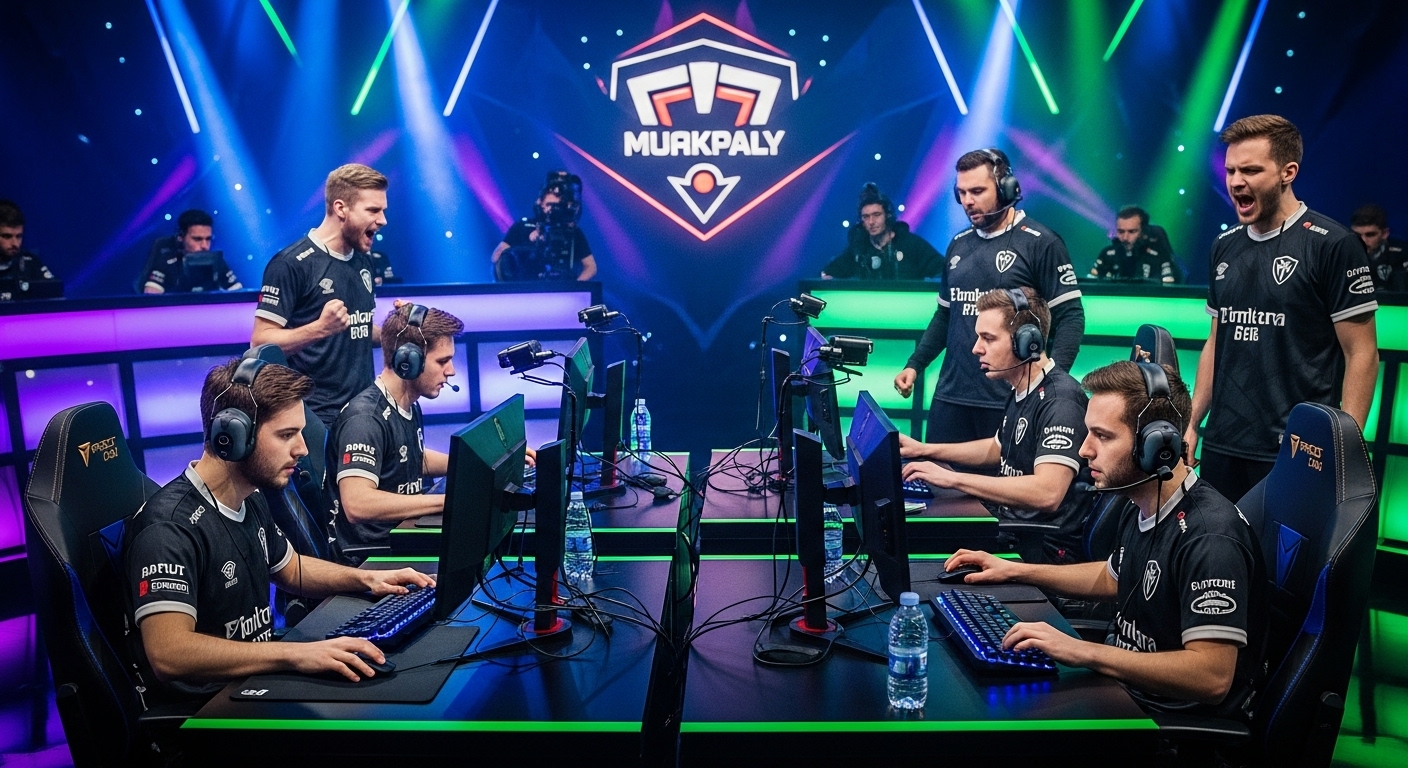
Esports shares many characteristics with traditional sports: structured competition, team dynamics, skill mastery, coaching, and dedicated fan bases. Unlike physical sports, esports is played virtually, where players interact through digital avatars or characters, using controllers or keyboards.
Professional esports competitions require intense training, strategic planning, and physical conditioning to maintain reflexes and mental focus. Players often dedicate 8 to 12 hours a day honing skills, analyzing opponents, and developing teamwork.
Spectators watch esports matches in real time, enjoying the strategic depth and high-paced action. The presence of commentators, analysts, and live audiences mirrors traditional sports broadcasting, reinforcing esports’ legitimacy as a form of sport and entertainment.
Popular Esports Genres and Games
Esports encompasses a variety of game genres, each with its distinct competitive style and fan base.
Multiplayer Online Battle Arena (MOBA)
MOBA games, such as League of Legends and Dota 2, dominate the esports scene. They feature teams of five players competing to destroy the opposing team’s base while managing resources, positioning, and character abilities. MOBAs emphasize teamwork, long-term strategy, and quick decision-making.
First-Person Shooters (FPS)
FPS games like Counter-Strike: Global Offensive, Valorant, and Overwatch require precise aiming, map control, and team coordination. These games highlight mechanical skill, spatial awareness, and split-second reactions.
Real-Time Strategy (RTS)
RTS games like StarCraft II challenge players to manage resources, build armies, and outmaneuver opponents in real time. Success depends on multitasking, strategic planning, and rapid adaptation.
Battle Royale
Games such as Fortnite, Apex Legends, and PUBG involve large player counts battling until one individual or team remains. These games combine survival tactics, shooting mechanics, and map navigation, creating unpredictable and thrilling competition.
Fighting Games
Fighting games like Street Fighter and Super Smash Bros. focus on one-on-one combat, requiring mastery of character moves, timing, and psychological reads of opponents.
Each genre brings unique skills, strategies, and fan engagement styles, contributing to the diverse appeal of esports.
The Structure of the Esports Ecosystem
Esports functions through a complex network of stakeholders working in harmony to create a thriving industry.
Players and Teams
At the core are professional players and teams who train rigorously and compete in tournaments worldwide. Teams often specialize in one or more games, with dedicated coaching and support staff, including analysts, psychologists, and physical trainers.
Game Developers and Publishers
These entities create and maintain the games that form esports’ foundation. They influence competitive rules, balance gameplay, and organize official tournaments.
Tournament Organizers and Leagues
Organizations that plan and execute competitions provide the stage for players and teams to showcase their talents. Leagues may run seasonal competitions with structured formats leading to high-stakes championships.
Broadcasters and Streamers
Esports thrives on content delivery. Broadcasters, commentators, and streamers engage audiences with play-by-play analysis, storytelling, and interactive experiences, enhancing viewer involvement.
Sponsors and Advertisers
Brands invest in esports to reach a young, engaged demographic. Sponsorships fund prize pools, teams, events, and content creation, fueling industry growth.
Fans and Communities
The passionate fanbase is essential, supporting esports through viewership, merchandise purchases, and active participation in forums and social media.
The Journey of an Esports Player
The path to professional esports success is demanding and competitive.
Discovery and Early Development
Most pro players begin as casual gamers passionate about a particular title. Early dedication, consistent practice, and participation in amateur competitions help players improve.
Rising Through the Ranks
Competitive ladders and regional tournaments provide platforms to showcase talent. Players often join amateur or semi-pro teams to gain experience.
Professional Signing
Upon recognition, players may be signed by professional organizations. They then enter structured training regimens, participate in high-profile tournaments, and face greater pressure.
Lifestyle and Discipline
Professional gaming requires intense focus, strategic thinking, physical health maintenance, and mental resilience. Many teams employ nutritionists, physical trainers, and psychologists to optimize player performance.
Career Longevity and Transition
Due to the high demands, many players retire relatively young, transitioning to coaching, content creation, or management within esports.
The Economics of Esports: Money Behind the Game
Esports’ financial landscape is multifaceted and growing rapidly.
Prize Money and Tournaments
Top tournaments offer millions in prize money, with events like The International and League of Legends World Championship featuring record-breaking pools.
Sponsorship and Advertising
Brand partnerships are a primary revenue source, involving logo placements, product endorsements, and event sponsorships.
Media Rights and Streaming
Platforms pay for broadcasting rights, while individual streamers monetize through subscriptions, donations, and advertisements.
Merchandise and Licensing
Teams and games sell branded merchandise and in-game items, creating additional revenue streams.
Ticket Sales and Live Events
Live tournaments attract thousands of attendees, generating income through ticket sales and ancillary services.
Investment and Franchising
Investors and traditional sports franchises increasingly enter esports, leading to franchised leagues and structured business models.
Challenges Facing Esports
Despite its success, esports grapples with several issues.
Player Burnout and Mental Health
The pressure to perform and long hours of practice contribute to burnout and mental health struggles. Organizations are recognizing the need for better support systems.
Regulatory and Legal Issues
Contract disputes, player rights, and intellectual property concerns require clearer regulations as esports professionalizes.
Cheating and Match-Fixing
Maintaining competitive integrity through anti-cheat technology and enforcement is critical.
Inclusion and Diversity
The industry strives to overcome gender imbalance, harassment, and ensure equitable opportunities.
Game Longevity and Publisher Control
Dependence on game publishers’ decisions can impact entire competitive scenes if support is withdrawn.
The Fan Experience: More Than Watching
Esports offers an interactive and immersive experience.
Live Viewing and Atmosphere
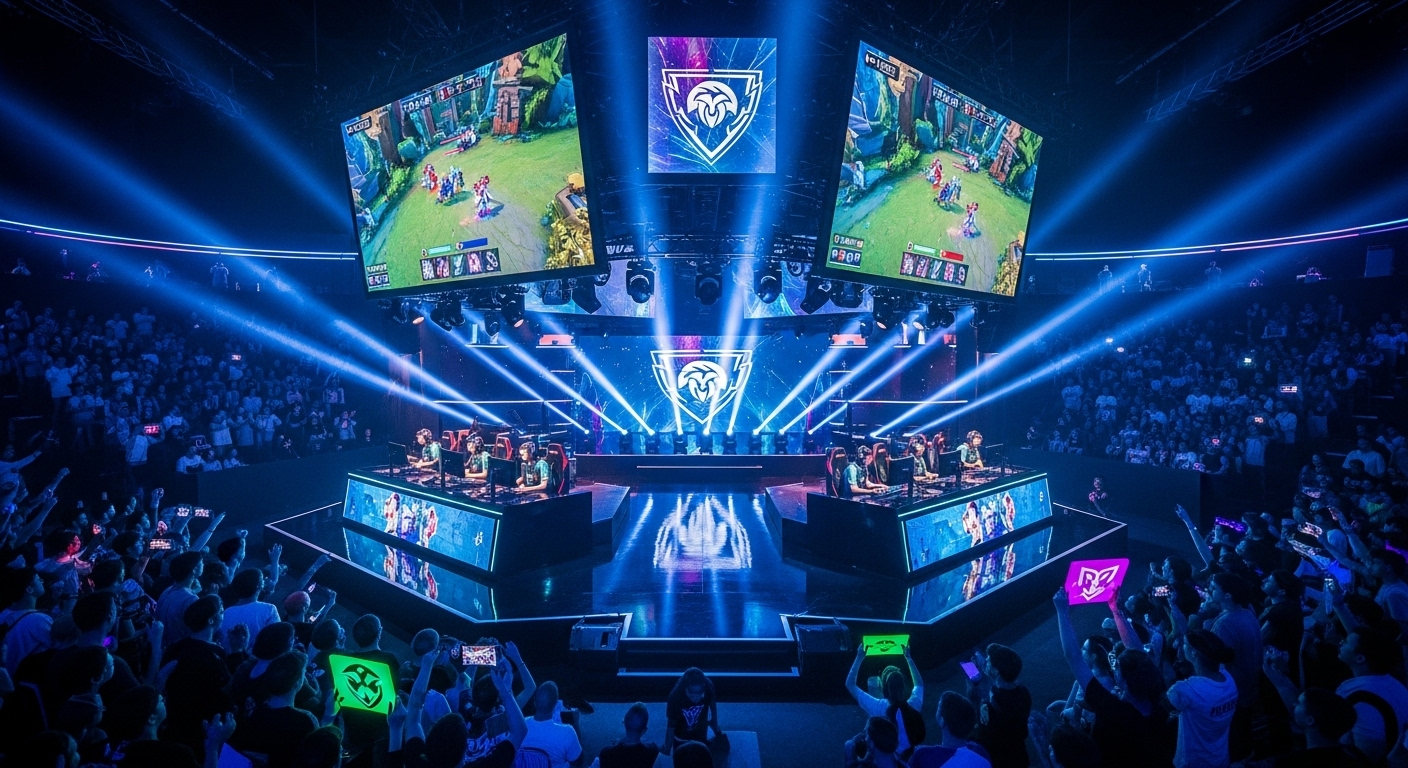
Major tournaments create electrifying atmospheres with enthusiastic crowds, live commentary, and production quality rivaling traditional sports.
Community Engagement
Fans participate through social media, forums, fan art, cosplay, and grassroots events.
Content Creation
Players and influencers produce vlogs, tutorials, and entertainment content, deepening fan connection.
The Future of Esports
Esports is poised for continued expansion and innovation.
Technological Advances
Virtual reality, augmented reality, and cloud gaming promise new formats and accessibility.
Cross-Industry Collaboration
Integration with traditional sports, entertainment, and education will broaden reach and legitimacy.
Institutional Support
Universities offering scholarships and degree programs reflect esports’ maturation.
Evolving Game Titles and Genres
New games and genres will diversify the competitive landscape.
Enhanced Analytics and AI
Artificial intelligence may revolutionize training and strategy development.
Conclusion: Esports as a Cultural and Competitive Force
Esports embodies the convergence of technology, entertainment, and competition in the modern age. It offers new ways for people to connect, compete, and celebrate skill beyond physical limitations. The industry’s continued growth, fueled by passionate players, innovative content, and supportive communities, signals that esports is not just a fleeting trend but a transformative part of global culture.
From humble beginnings in arcade halls to global stadiums filled with millions of viewers, esports has proven that digital competition can inspire, entertain, and unite people around the world. As technology and society evolve, esports will remain at the forefront, challenging our notions of sport and opening doors to new opportunities.