Sports have been an integral part of human civilization for centuries, transcending borders, languages, and cultures. They are more than just games played for leisure; they are a reflection of human skill, endurance, teamwork, and ambition. From local playgrounds to world-renowned stadiums, sports unite people, inspire passion, and foster personal and societal growth. This blog explores the multifaceted impact of sports on individuals, communities, and the global stage.
The Historical Significance of Sports
The history of sports dates back thousands of years. Ancient civilizations, including Greece, Egypt, and China, engaged in athletic activities for recreation, training, and ritual purposes. The Olympic Games in ancient Greece were among the first organized sports competitions, celebrating physical prowess, strategy, and fair competition.
Over centuries, sports evolved alongside societies. Medieval jousting, archery competitions, and regional games gave way to modern sports with structured rules, leagues, and professional organizations. Today, sports continue to evolve, integrating technological innovations, global audiences, and diverse disciplines while maintaining their foundational role in human culture.
Sports as a Universal Language
One of the most remarkable aspects of sports is their universality. People from different backgrounds, languages, and nations can connect through shared enthusiasm for athletic competition. Whether it is football in Brazil, cricket in India, basketball in the United States, or rugby in New Zealand, sports provide a common language of excitement, celebration, and teamwork.
Sports bridge cultural gaps, encourage mutual respect, and create shared experiences. International competitions such as the World Cup, the Olympics, and regional tournaments demonstrate how athletic events bring nations together, fostering camaraderie, pride, and understanding across borders.
Physical and Mental Benefits of Sports
Physical Health
Participation in sports promotes overall physical well-being. Regular activity improves cardiovascular fitness, strengthens muscles and bones, enhances flexibility, and helps maintain a healthy weight. Engaging in sports reduces the risk of chronic conditions such as diabetes, hypertension, and obesity, making it a cornerstone of a healthy lifestyle.
Mental Health
Sports also have a profound impact on mental health. Physical activity stimulates the release of endorphins, reducing stress, anxiety, and depression. Participation in sports fosters self-confidence, resilience, and emotional balance. Athletes learn to cope with setbacks, manage pressure, and maintain focus under challenging conditions.
Lifelong Habits
For children and adolescents, sports provide an opportunity to develop discipline, time management, and healthy habits. For adults, sports remain a valuable avenue for maintaining fitness, relieving stress, and building social connections throughout life.
Sports as a Tool for Character Building
Sports are an essential medium for teaching life skills and building character. Athletes develop qualities such as discipline, perseverance, teamwork, and leadership through regular practice and competition.
Team sports emphasize cooperation, communication, and collective responsibility. Players learn that success depends on the entire group, cultivating empathy and collaboration. Individual sports, on the other hand, teach self-reliance, focus, and accountability, as personal effort directly influences outcomes.
Handling victories and defeats cultivates resilience. Athletes learn to navigate challenges, adapt strategies, and maintain motivation, instilling values that extend far beyond the playing field.
The Social and Cultural Impact of Sports
Sports have the power to shape communities, influence culture, and drive social change.
Community Engagement
Sports bring people together at the local, regional, and national levels. Youth leagues, recreational clubs, and neighborhood competitions foster a sense of belonging and community pride. Local sports events provide social interaction, entertainment, and opportunities for personal growth.
Cultural Significance
Athletic achievements often become a source of cultural identity. National teams and athletes serve as symbols of pride and inspiration, reflecting shared history, values, and aspirations. Sports influence art, fashion, music, and media, shaping cultural narratives and trends across societies.
Social Change and Advocacy
Many athletes leverage their platforms to advocate for social causes, including equality, education, and health awareness. Their visibility and influence inspire change and encourage communities to address societal challenges. Sports provide a platform for amplifying important messages and fostering social responsibility.
Economic and Professional Aspects of Sports
The sports industry has grown into a significant economic sector. Professional leagues, international tournaments, and sponsorship deals generate billions of dollars annually, providing livelihoods for athletes, coaches, officials, and support staff.
Career Opportunities
Sports offer diverse career paths beyond athletic performance. Professionals can pursue roles as coaches, trainers, referees, sports analysts, broadcasters, event managers, and fitness consultants. The business side of sports, including marketing, sponsorship, and facility management, also presents ample opportunities for employment and entrepreneurship.
Sports Tourism and Events
Major sporting events attract visitors worldwide, boosting tourism, hospitality, and local economies. Fans travel to watch competitions, attend fan experiences, and explore sports-related attractions. Mega-events like the Olympics and international football tournaments have a profound economic and cultural impact on host cities and countries.
Technological Advancements in Sports
Technology has transformed the way sports are played, viewed, and managed.
Performance Enhancement
Wearable devices, motion sensors, and analytics software allow athletes to track performance, monitor fitness levels, and optimize training regimens. Video analysis and biomechanical studies help refine techniques and prevent injuries.
Spectator Experience
High-definition broadcasts, virtual reality, and interactive platforms offer immersive viewing experiences. Fans can watch games from anywhere, access multiple camera angles, and engage with live statistics, enhancing their connection to the sport.
Fair Play and Accuracy
Technology ensures fairness in competition through innovations like video assistant referees, goal-line technology, and digital scoring systems. These tools enhance accuracy, transparency, and trust in athletic events.
Challenges in Modern Sports
While sports bring numerous benefits, they face several challenges:
Doping and Ethical Concerns
The use of performance-enhancing substances undermines fair competition and athlete health. Strict regulations and testing protocols are essential to maintain integrity in sports.
Financial Disparities
Not all athletes and teams have equal access to resources, training facilities, or sponsorship opportunities. Addressing these disparities is critical to promoting inclusivity and fairness.
Health Risks
Injuries are an inherent risk in sports. Proper training, medical support, and preventive care are vital for athlete safety. Additionally, overtraining and high-pressure environments can lead to mental and physical strain.
Gender and Representation
Women’s sports continue to face challenges related to funding, media coverage, and recognition. Efforts to promote equality and provide opportunities are essential for the growth and inclusivity of the sports world.
Emerging Trends in Sports
The landscape of sports is constantly evolving. Emerging trends include:
Esports and Digital Competition
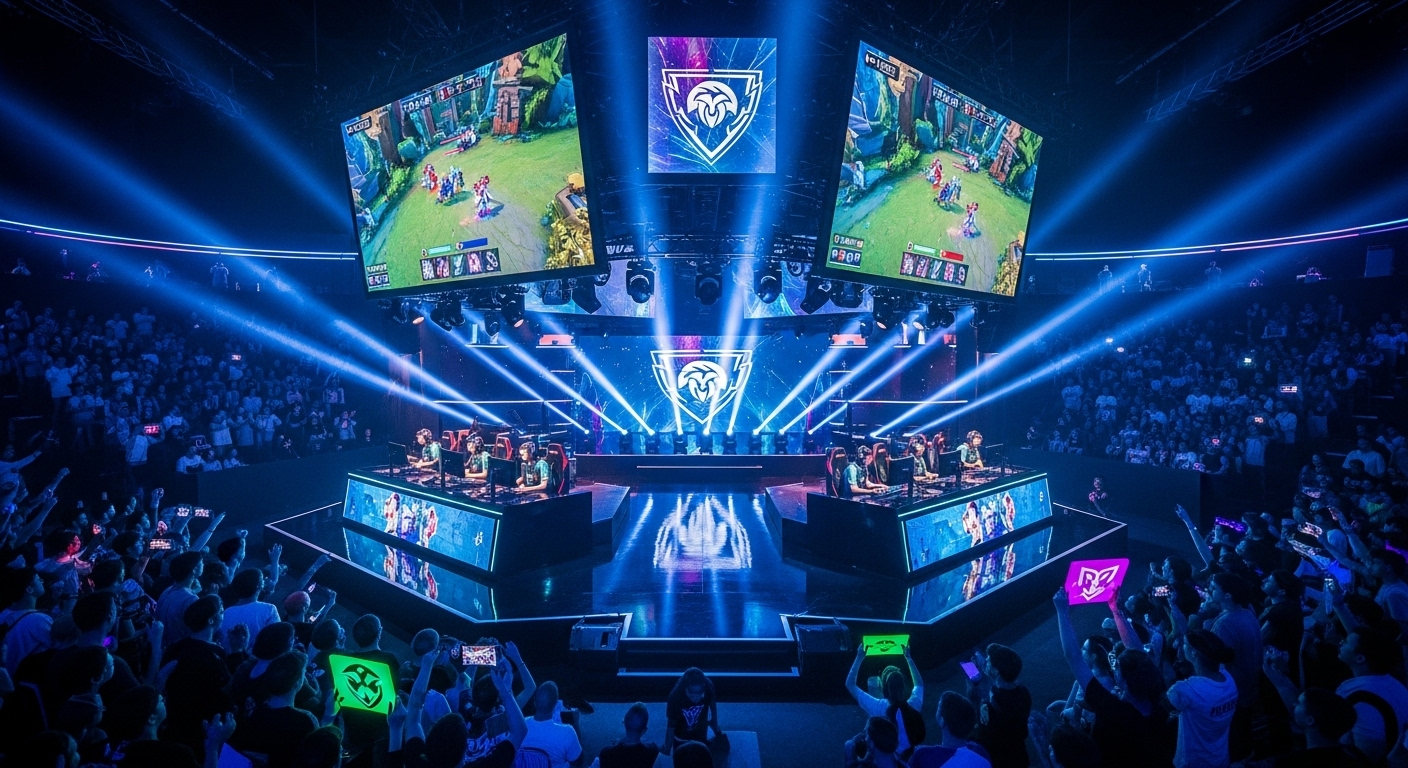
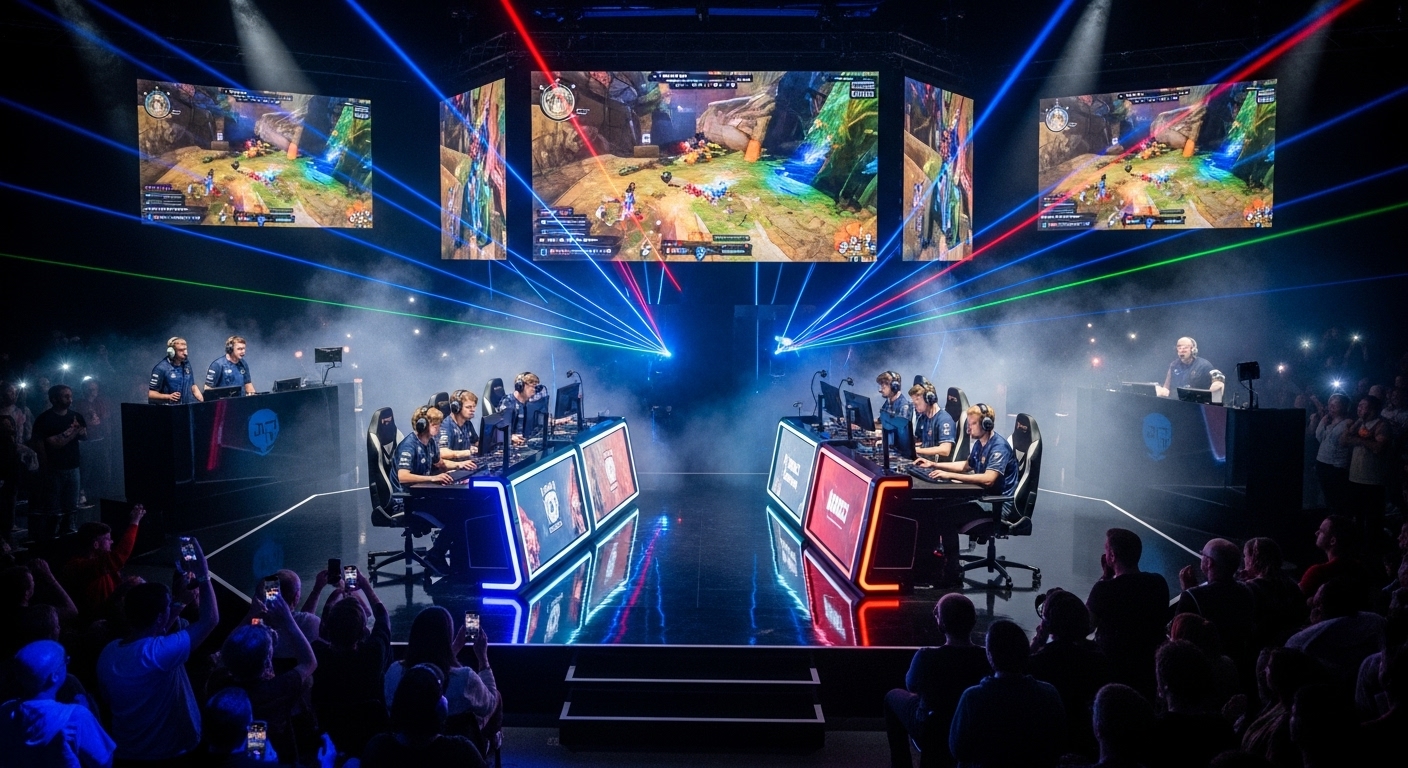
Competitive gaming has become a recognized form of sport, attracting players and fans globally. Esports blends technology, strategy, and entertainment, opening new avenues for athletic competition.
Sustainable Sports Practices
Environmental awareness has led to sustainable initiatives in stadium construction, event management, and sports equipment production, promoting eco-friendly practices in the industry.
Inclusive and Adaptive Sports
Efforts to create opportunities for athletes with disabilities and diverse backgrounds have grown. Inclusive and adaptive sports programs ensure participation and recognition for all athletes.
Data-Driven Coaching and Training
The use of data analytics to optimize training, strategize game plans, and enhance performance is increasingly prevalent. This trend emphasizes evidence-based approaches to achieving athletic excellence.
The Future of Sports
The future of sports promises continued growth, innovation, and global engagement. Technology will further enhance performance, fan interaction, and event management. Increased inclusivity, gender equality, and accessibility will ensure that sports remain a universal platform for personal growth and social connection.
As traditional sports coexist with emerging fields like esports, the definition of athleticism will expand. Sports will continue to inspire, challenge, and unite individuals, reflecting the ever-evolving spirit of human achievement and competition.
Conclusion
Sports are far more than games—they are a vital part of human culture, health, and society. They promote physical fitness, mental resilience, character development, and community engagement. They drive economic growth, technological innovation, and social change.
From playgrounds to professional arenas, sports have the power to unite, inspire, and empower. They teach valuable life lessons, provide opportunities for personal and professional growth, and foster a sense of belonging and pride. As society evolves, sports will continue to adapt and thrive, reinforcing their timeless role in shaping individuals and communities worldwide.
In the end, sports are a celebration of human potential, creativity, and perseverance. They remind us that through dedication, teamwork, and passion, we can achieve greatness—both on and off the field.