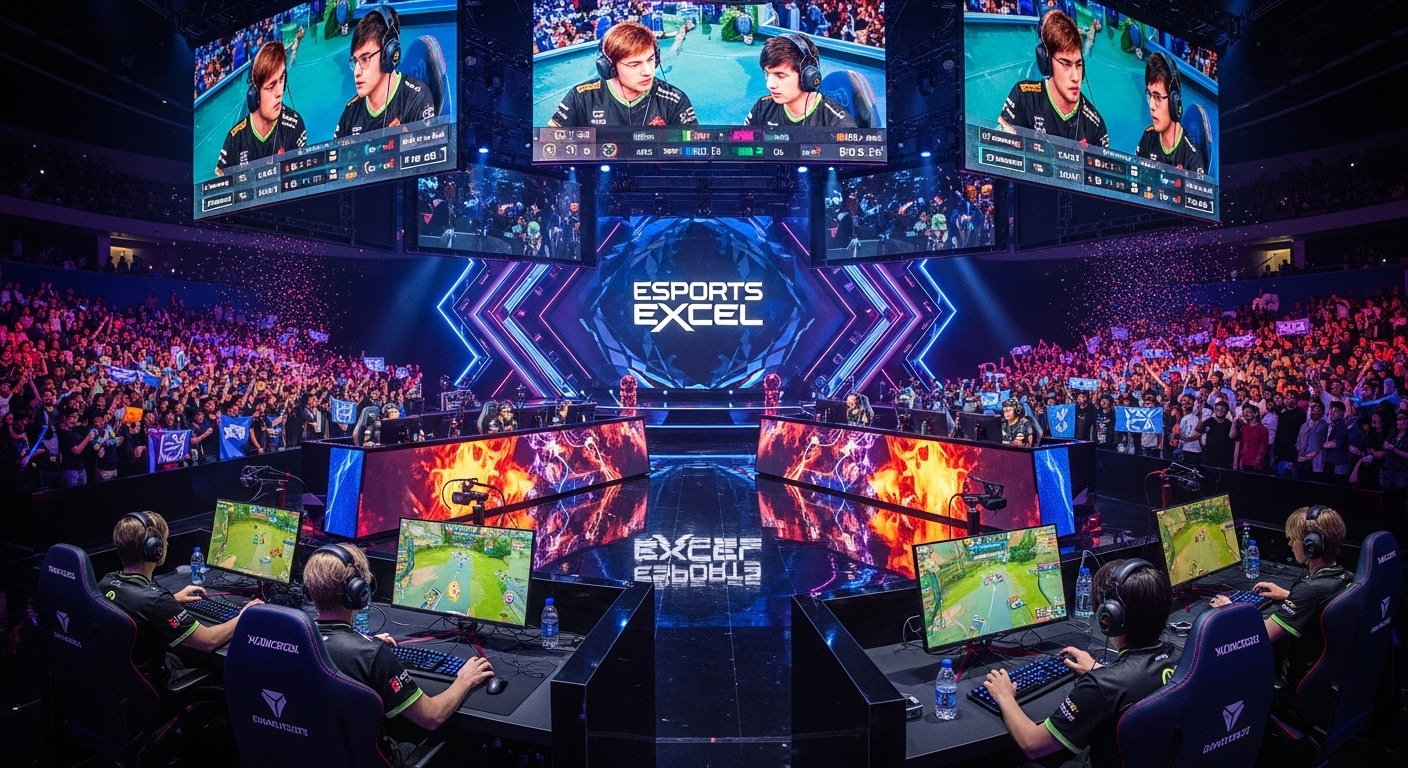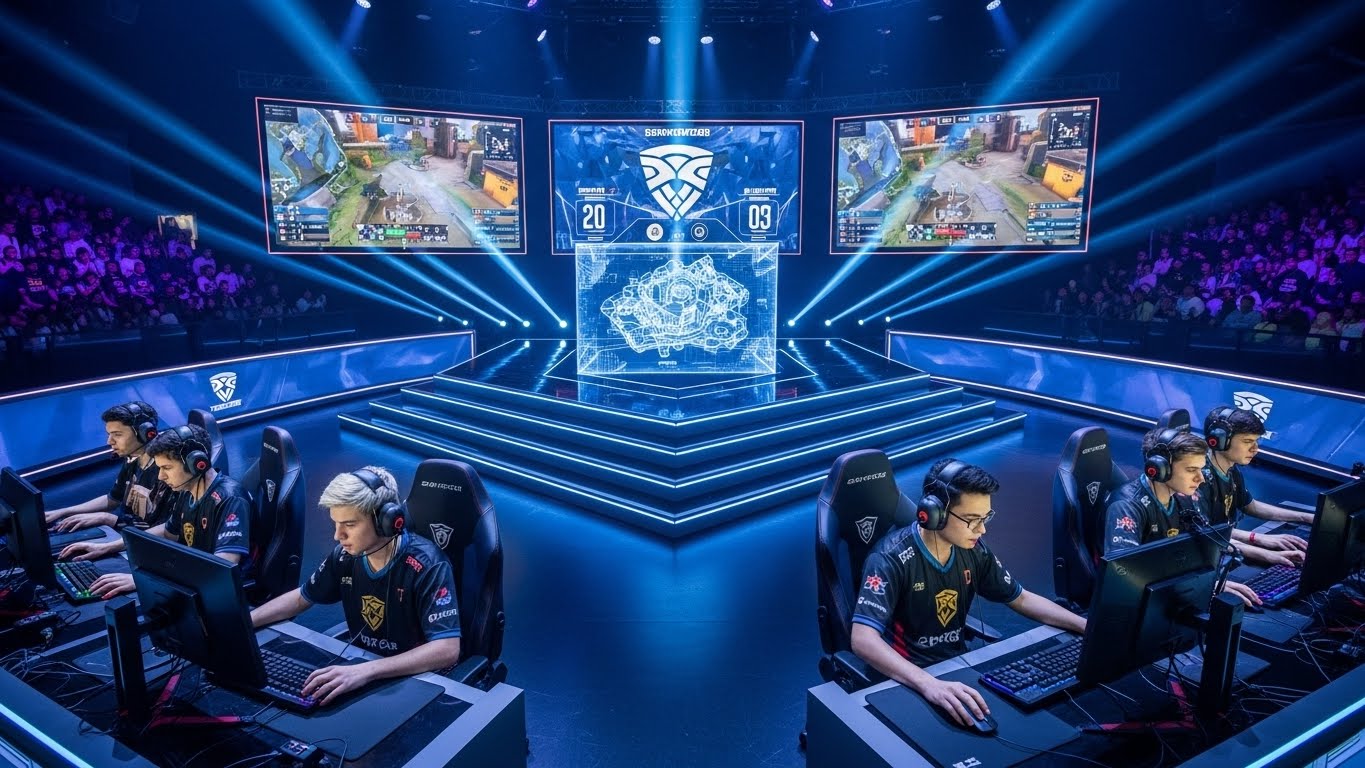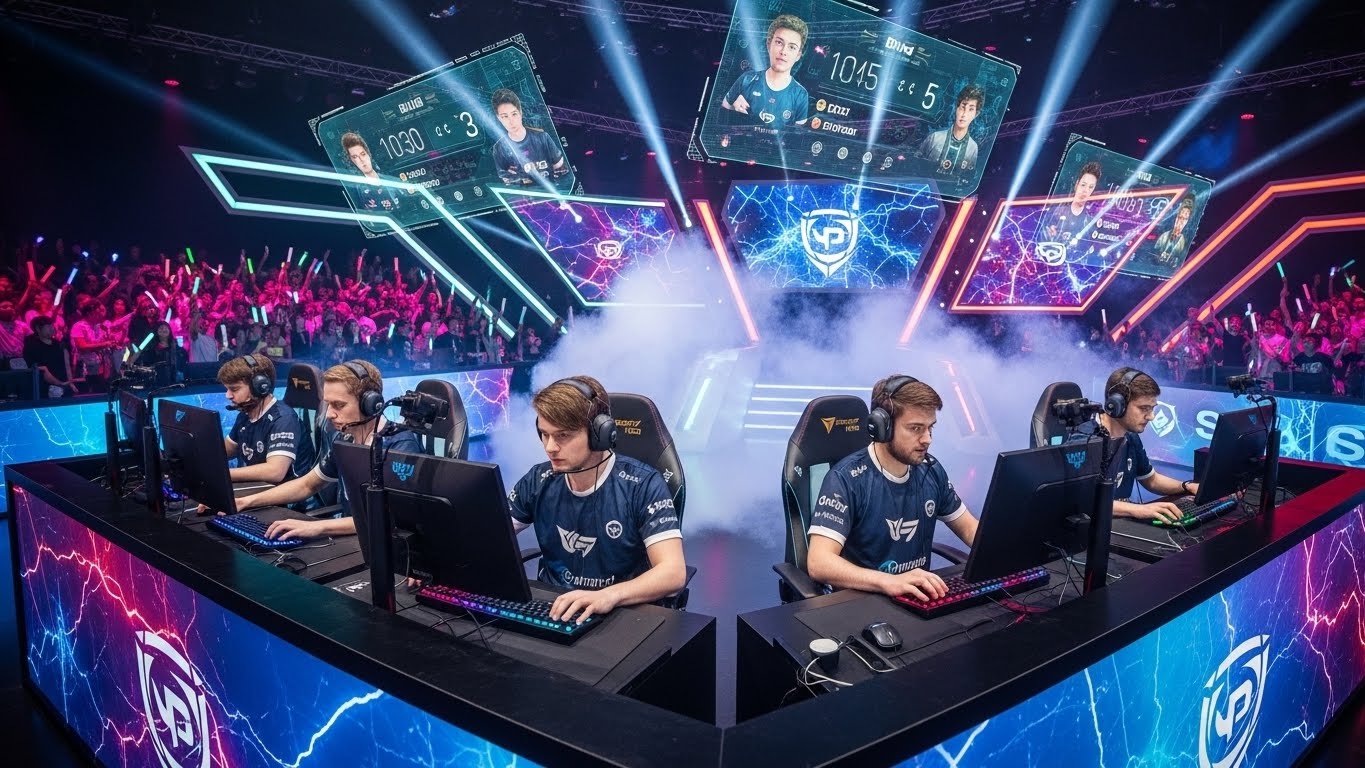
Esports, or competitive gaming, has grown from a niche hobby into a global phenomenon. What began as casual competitions among friends has transformed into a multi-billion-dollar industry with professional players, leagues, tournaments, and massive fan followings. In 2025, esports is no longer just about entertainment; it represents a fusion of technology, culture, business, and athleticism. This blog explores the evolution of esports, its impact on society, and the trends shaping its future.
The Origins of Esports
The roots of esports can be traced back to the early days of arcade gaming and competitive tournaments in the 1980s. Games like Pac-Man and Space Invaders first sparked public competitions, while arcade halls became venues for showcasing skill and earning recognition. The rise of personal computers and online connectivity in the 1990s brought new opportunities for multiplayer gaming, allowing players to compete beyond their local communities.
Titles such as StarCraft, Counter-Strike, and Warcraft laid the foundation for organized esports. These games required strategy, teamwork, and fast reflexes, highlighting the skill and dedication needed to excel. Early tournaments were often informal, but they captured the imagination of players and spectators alike, sowing the seeds for the global esports ecosystem we see today.
The Explosion of Professional Esports
In the last decade, esports has evolved into a professional industry. Players are now recognized as athletes, with training schedules, coaches, nutrition plans, and sponsorships. Professional teams compete in leagues and tournaments with prize pools reaching millions of dollars, attracting audiences comparable to traditional sports.
Major esports titles like League of Legends, Dota 2, Fortnite, and Call of Duty have become household names. These games feature structured competitive seasons, global championships, and live events that draw thousands of attendees. The competitive nature of esports, combined with its entertainment value, has transformed it into a legitimate career path for skilled gamers.
Esports Tournaments: A Global Spectacle
Esports tournaments have become some of the most-watched events worldwide. Competitions such as the League of Legends World Championship and The International for Dota 2 offer prize pools in the tens of millions, reflecting the industry’s growth and profitability. These events are broadcast on streaming platforms, attracting millions of live viewers and generating significant advertising revenue.
Tournaments are no longer confined to online play. Arena-style events bring fans together in stadiums with large screens, live commentary, and interactive experiences. The energy of live audiences, combined with the thrill of high-level competition, creates an atmosphere comparable to traditional sporting events, further legitimizing esports as mainstream entertainment.
The Role of Streaming Platforms
Streaming platforms are central to the rise of esports. Services that allow players to broadcast their gameplay live have transformed how fans engage with competitive gaming. Viewers can watch matches, interact with commentators, and even participate in live chats, creating a sense of community around esports.
Streamers and content creators play a significant role in promoting games and tournaments. Popular personalities influence trends, attract sponsorships, and provide entertainment outside of formal competition. The interactive nature of streaming has made esports more accessible, allowing fans to learn strategies, follow their favorite players, and feel directly connected to the competitive scene.
Training and Professionalism in Esports
Esports professionals undergo rigorous training similar to traditional athletes. Daily practice sessions, strategy reviews, and teamwork exercises are essential for maintaining peak performance. Players often specialize in specific roles within a game, requiring in-depth knowledge, mechanical skill, and mental resilience.
Coaches and analysts study opponents, develop strategies, and help players refine their gameplay. Sports psychologists assist with focus, stress management, and teamwork, recognizing that mental preparation is as important as technical skill. Nutritionists and fitness programs ensure players maintain physical health, counteracting the sedentary aspects of gaming. This level of professionalism underscores the dedication required to succeed in esports.
The Economic Impact of Esports
Esports is a booming industry with a significant economic footprint. Revenue streams include tournament prize money, sponsorships, advertising, merchandise, media rights, and game sales. Companies invest heavily in teams and events, recognizing the marketing potential of engaging with a highly dedicated and digitally connected audience.
Esports also stimulates job creation beyond players, including roles in event management, broadcasting, content creation, coaching, and game development. Educational institutions are beginning to offer esports programs and scholarships, preparing the next generation of professionals. The industry’s economic impact demonstrates that esports is a sustainable and rapidly growing sector within entertainment.
Diversity and Inclusion in Esports
Esports has made strides in fostering diversity and inclusion, though challenges remain. Players come from a wide range of backgrounds, countries, and cultures, creating a global community united by shared passion. Efforts are being made to address gender disparities, promote accessibility, and provide opportunities for underrepresented groups.
Inclusive tournaments, mentorship programs, and community initiatives encourage broader participation. Organizations are increasingly aware of the need to create safe, respectful environments for players and fans. By emphasizing diversity, esports can continue to grow as a welcoming and dynamic global community.
Technology Driving Esports
Technology is at the heart of esports. High-speed internet, powerful gaming hardware, streaming platforms, and advanced software enable competitive gaming at unprecedented levels. AI-driven analytics provide insights into player performance, while virtual reality and augmented reality offer new ways to engage fans and players.
Data analytics is also transforming coaching and strategy. Teams can track in-game statistics, analyze opponents’ behavior, and optimize strategies based on real-time insights. This integration of technology enhances the skill level, professionalism, and spectator experience, pushing esports toward new horizons of innovation and entertainment.
The Cultural Impact of Esports
Esports has influenced popular culture, fashion, music, and social trends. Gaming terminology, memes, and references appear in mainstream media, reflecting its widespread cultural penetration. Collaborations between game developers, music artists, and brands create unique experiences that blend entertainment forms, attracting new audiences.
Esports has also redefined fandom. Fans engage not only through watching matches but also by creating content, participating in online discussions, and attending live events. This level of engagement fosters strong communities and shared identities, further cementing esports as a cultural force.
Education and Esports
Education is increasingly recognizing esports as a viable field of study. Universities and schools are offering programs focused on game design, competitive strategy, broadcasting, and esports management. Scholarships and collegiate leagues provide pathways for talented players to pursue higher education while competing at a high level.
Esports education emphasizes teamwork, critical thinking, communication, and leadership skills. These transferable abilities demonstrate that competitive gaming is more than entertainment; it provides personal and professional development opportunities that prepare participants for a range of careers in and beyond esports.
The Future of Esports
The future of esports is bright and full of potential. Emerging technologies such as cloud gaming, virtual reality, and AI-driven analytics will enhance accessibility, immersion, and competitiveness. Cross-platform tournaments will break down device barriers, allowing players from different systems to compete seamlessly.
Global expansion is another key trend. Countries across Asia, Europe, and the Americas are investing in esports infrastructure, creating regional leagues, and fostering local talent. This internationalization strengthens the industry, making esports a truly global phenomenon.
Esports is also likely to integrate more with mainstream entertainment. Collaborations with movies, music, and virtual experiences will create hybrid events that attract wider audiences. As society embraces digital culture, esports will continue to redefine entertainment, competition, and community in ways previously unimaginable.
Conclusion
Esports has evolved from casual gaming competitions to a professional, global, and culturally influential industry. It combines athleticism, strategy, technology, and entertainment, creating experiences that captivate millions of players and fans worldwide. With professional teams, international tournaments, streaming platforms, and technological innovations, esports is no longer a niche hobby—it is a transformative force in modern entertainment.
The economic, cultural, and educational impact of esports demonstrates its significance beyond mere gameplay. As the industry continues to grow and innovate, esports will shape the future of entertainment, offering opportunities for players, creators, and fans to engage, compete, and connect in ways that were once unimaginable.
Esports is more than competition; it is a reflection of the digital age—a world where skill, creativity, technology, and community intersect to create a new era of entertainment