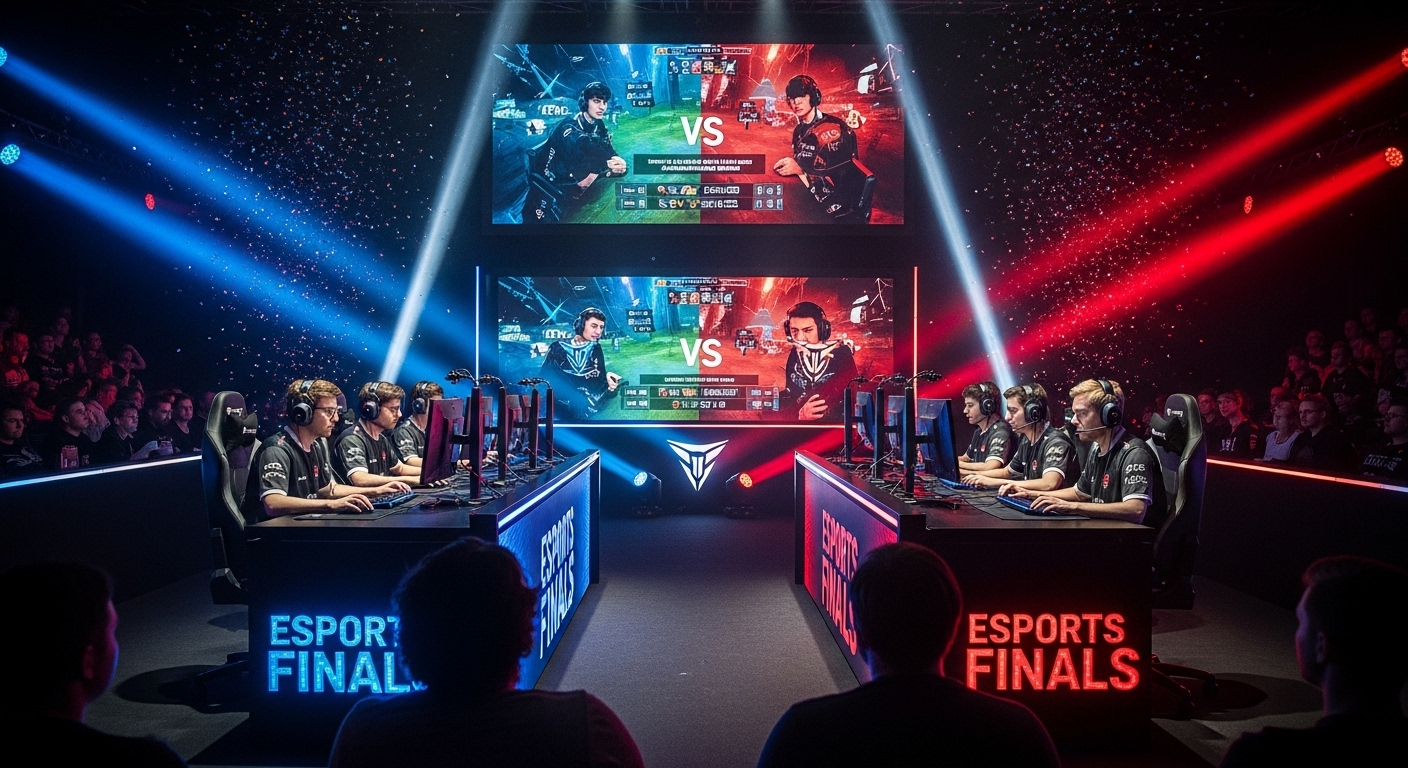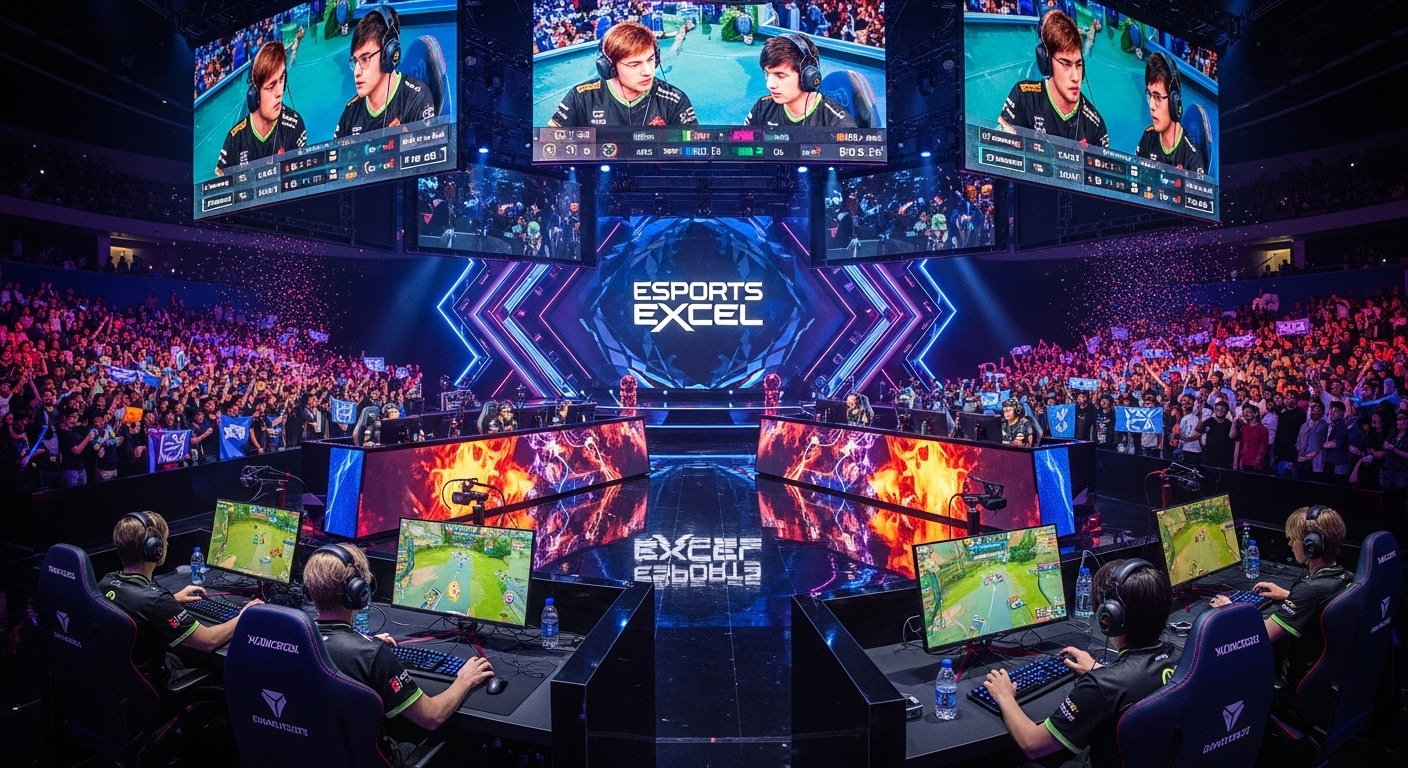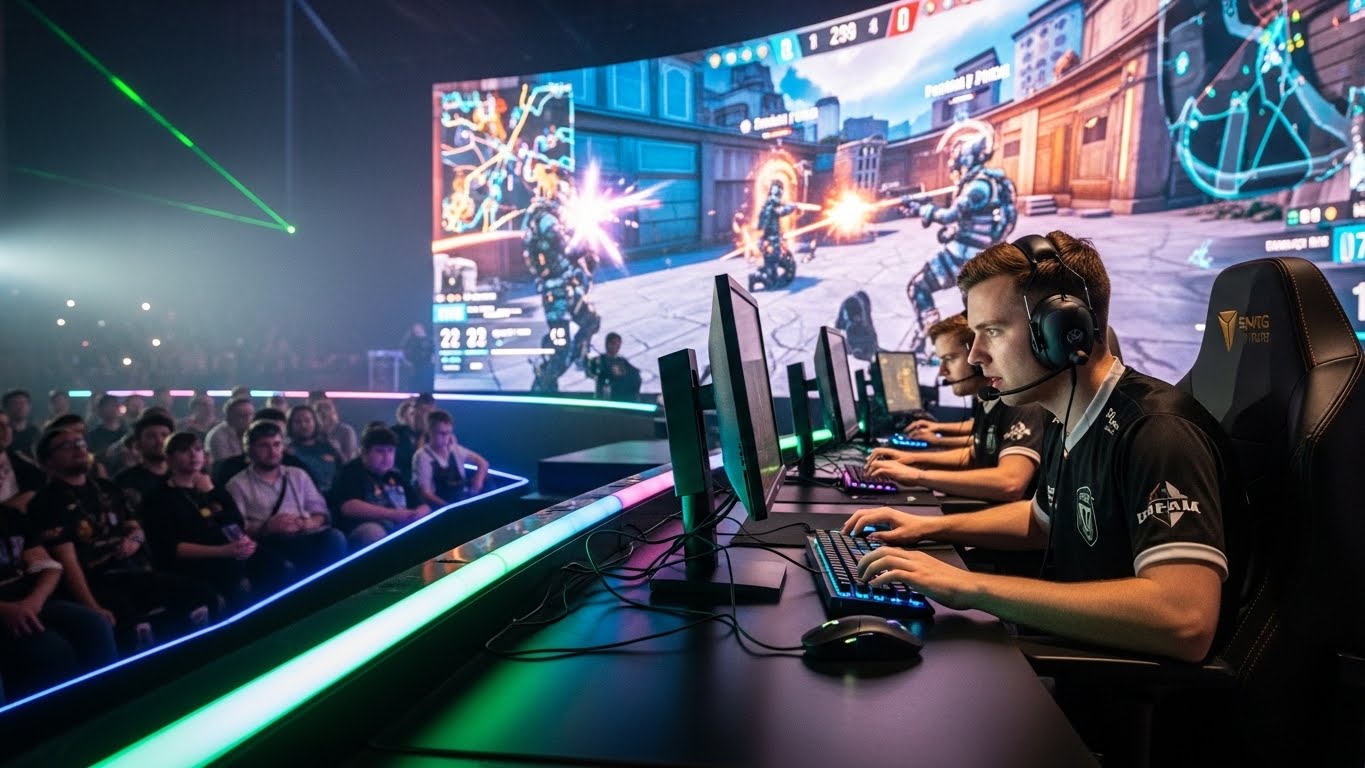
Esports, short for electronic sports, has transitioned from a niche hobby to a global phenomenon over the past two decades. What started as a pastime for gamers has evolved into a multibillion-dollar industry, attracting millions of fans and players worldwide. From packed arenas to streaming platforms, esports has cemented its place in modern entertainment, rivaling traditional sports in terms of viewership and popularity. This blog explores the evolution of esports, its current state, the factors fueling its growth, and its potential future.
The Birth of Esports: From Arcade Games to Global Competitions
Esports as we know it today has its roots in the early days of competitive video gaming. The first organized video game tournament took place in 1972, when Stanford University hosted the “Intergalactic Spacewar Olympics.” The competition, which featured the game Spacewar, was small in scale, but it planted the seed for future esports events. In the 1980s and 1990s, the rise of arcade gaming and the advent of PC gaming laid the foundation for more competitive play.
The 1990s witnessed the first major esports events, thanks in part to the development of the internet and more sophisticated gaming platforms. Games like Quake, StarCraft, and Warcraft saw competitive scenes emerge, particularly in South Korea. The country became a global hub for esports in the early 2000s, and it wasn’t long before other regions began to follow suit.
The Global Expansion: A New Era of Entertainment
As the internet became faster and more accessible, gaming transformed from a solitary activity to one that encouraged interaction and competition on a global scale. The mid-2000s saw the formation of online platforms and tournaments, which allowed players from around the world to compete without leaving their homes.
This shift was crucial in turning esports into a global enterprise. Platforms like Twitch and YouTube Gaming revolutionized how people watched gaming, allowing fans to stream tournaments and follow their favorite players. In the early 2010s, large-scale tournaments like The International (Dota 2) and League of Legends World Championship were attracting millions of viewers both online and in-person.
One of the defining moments in esports’ rise came with the success of League of Legends, developed by Riot Games. The game’s massive player base, coupled with its innovative esports ecosystem, helped elevate esports into the mainstream. Riot’s commitment to producing world-class events, complete with multi-million-dollar prize pools and extensive media coverage, set a precedent for the entire industry.
Esports as a Business: Monetizing the Phenomenon
One of the most significant factors contributing to the rapid growth of esports is the business model that surrounds it. Esports has become a highly lucrative industry, not just for players, but for investors, teams, and sponsors. The industry has seen massive investment from venture capitalists and big-name brands who recognize the potential of esports as both an entertainment medium and a form of advertising.
Sponsorships and partnerships with companies like Coca-Cola, Intel, and Red Bull have injected millions into the industry, helping to fund tournaments, production value, and player salaries. Esports organizations, which often operate like traditional sports teams, sign players to contracts, run training facilities, and negotiate broadcasting rights. These organizations, such as Cloud9, Team Liquid, and Fnatic, have built massive fanbases, and their team jerseys and logos are frequently seen across various forms of media.
Moreover, esports has become a key player in the gaming ecosystem. Video game publishers like Blizzard Entertainment, Riot Games, and Valve have recognized the importance of esports to the longevity of their titles. Esports brings additional layers of engagement, creating communities that continue to thrive long after a game’s initial release. Publishers are investing heavily in building sustainable competitive ecosystems, offering regular updates, tournaments, and in-game content to maintain player interest.
The Esports Audience: A New Generation of Fans
Esports has captured the attention of a new generation of viewers who are more engaged with digital content than ever before. Traditional sports fans are aging, while esports appeals to a younger, tech-savvy demographic, which makes up a significant portion of its audience. According to reports, over half of esports viewers are between the ages of 18 and 34. This audience consumes content primarily through streaming platforms like Twitch, YouTube, and Facebook Gaming, where they can watch live broadcasts of major events, interact with streamers, and participate in the community.
The accessibility of esports is also a key factor. Traditional sports can sometimes be expensive or geographically restrictive, but esports breaks down many of these barriers. All you need is an internet connection to access the action, whether it’s watching a local tournament or a world championship. This level of accessibility has helped esports garner an audience that is global, diverse, and loyal.
The Professionalization of Esports: Careers and Competitive Leagues
As esports has grown, it has become more professionalized. No longer are players simply hobbyists; they are full-time professionals who treat their gaming career like an athletic pursuit. Training regimens, coaches, analysts, and psychologists have all become common fixtures in top-tier esports organizations. Just like in traditional sports, the focus is now on maximizing player performance both in terms of skill and mental preparation.
Esports has also begun to mirror traditional sports in the creation of leagues and franchised teams. For example, the Overwatch League and League of Legends Championship Series operate under a franchise model, where teams are signed to specific cities or regions and compete in organized seasons. This shift has helped establish a more structured, stable environment for players and organizations, providing more financial security and greater opportunities for sustained growth.
Beyond the players themselves, a growing ecosystem of content creators, analysts, broadcasters, and casters has emerged, further professionalizing the space. These individuals play an essential role in making esports events entertaining, accessible, and engaging for fans. Their expertise in commentary and analysis helps translate the action to a wider audience, making even the most technical games understandable to casual viewers.
The Future of Esports: Where is it Headed?
As we look to the future, it’s clear that esports is not a passing trend but a new form of entertainment that is here to stay. Several key trends are likely to shape the future of esports.
- Mobile Gaming: Mobile esports is on the rise, especially in regions like Asia. Games like PUBG Mobile, Arena of Valor, and Free Fire have brought esports to smartphones, broadening the reach of competitive gaming. With mobile devices becoming more powerful and internet connectivity improving worldwide, mobile esports is expected to become a significant part of the industry.
- Virtual Reality (VR) and Augmented Reality (AR): As VR and AR technologies continue to evolve, they could bring new forms of esports to life. These immersive experiences could take esports beyond the traditional PC and console formats, offering players and fans a completely new way to engage with competitive gaming.
- Integration with Traditional Sports: We are already beginning to see collaborations between traditional sports leagues and esports organizations. The NBA, for instance, has its own esports league—the NBA 2K League—and other major sports organizations are beginning to explore similar ventures. In the future, we may see more hybrid events that combine elements of both traditional and digital sports.
- Increased Globalization: As esports becomes more mainstream, it will continue to spread globally. New markets, particularly in regions like Africa, Latin America, and the Middle East, are beginning to embrace esports, which will only expand its audience. More localized events, in different languages and cultural contexts, will emerge, allowing for greater inclusivity and engagement.
- Esports in Education and Career Pathways: In some parts of the world, esports is being incorporated into schools and universities as both an extracurricular activity and an academic discipline. Scholarships for esports players and courses on game design, broadcasting, and event management are becoming more common. This development will help professionalize the industry even further, providing new pathways for aspiring gamers and esports professionals.
Conclusion: Esports is More Than a Game—It’s a Global Movement
Esports has grown far beyond what anyone could have imagined when it first began in the early 2000s. It has become a multi-faceted industry, shaping the future of entertainment, technology, and even education. What was once a hobby has blossomed into a full-fledged global phenomenon, one that touches millions of lives in ways that traditional sports can’t.
Whether you’re a competitive gamer, a casual viewer, or someone just starting to explore the world of esports, it’s impossible to ignore the influence it has on modern entertainment culture. As the industry continues to grow and evolve, there’s no telling where esports will go next, but one thing is certain: the future of gaming is brighter than ever.