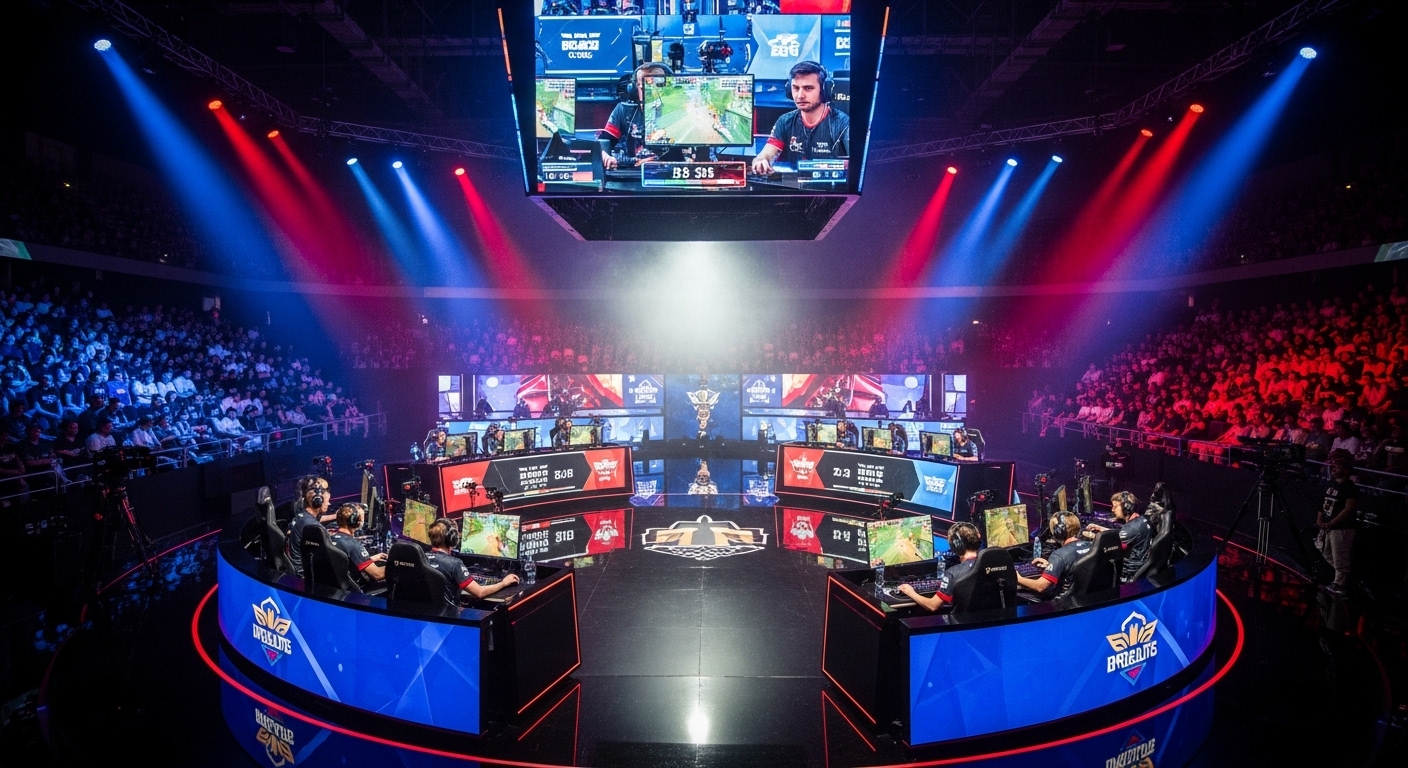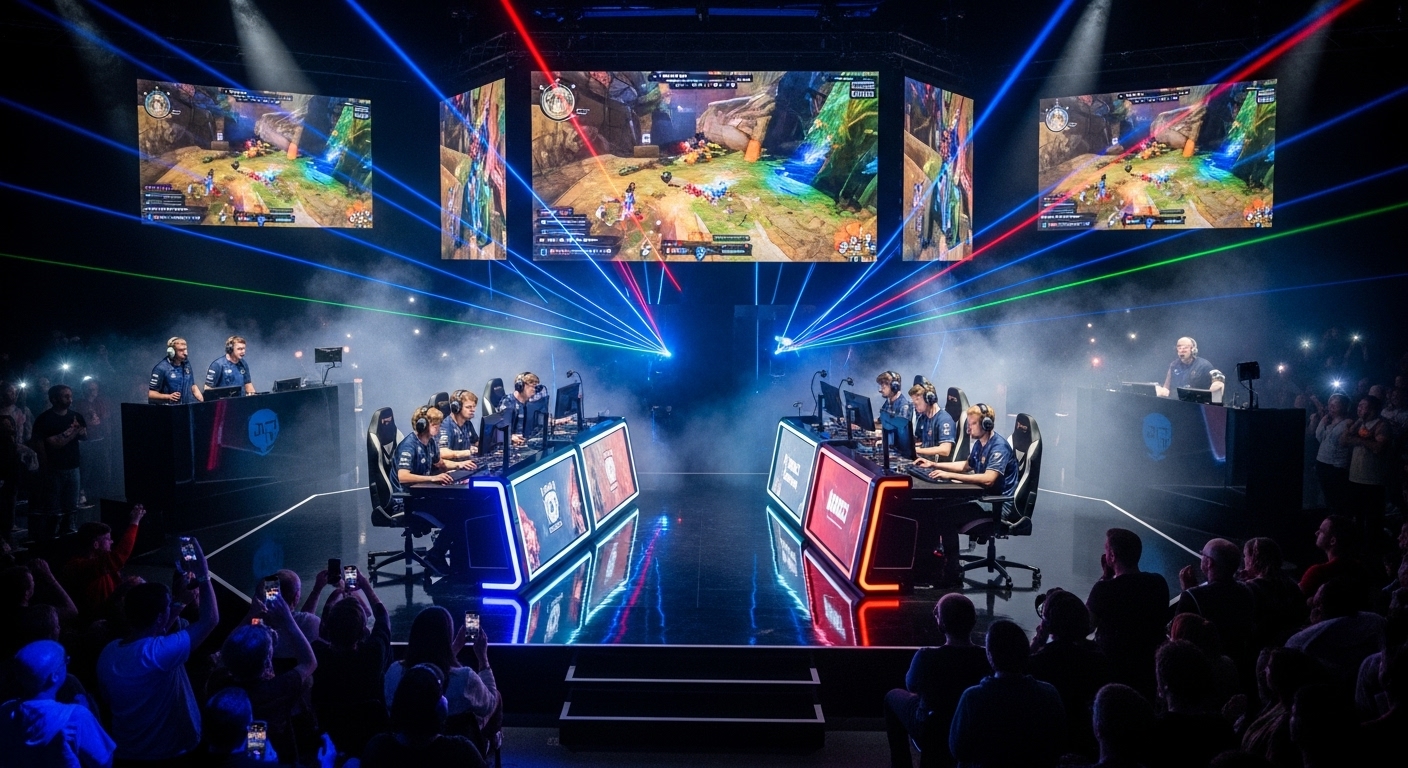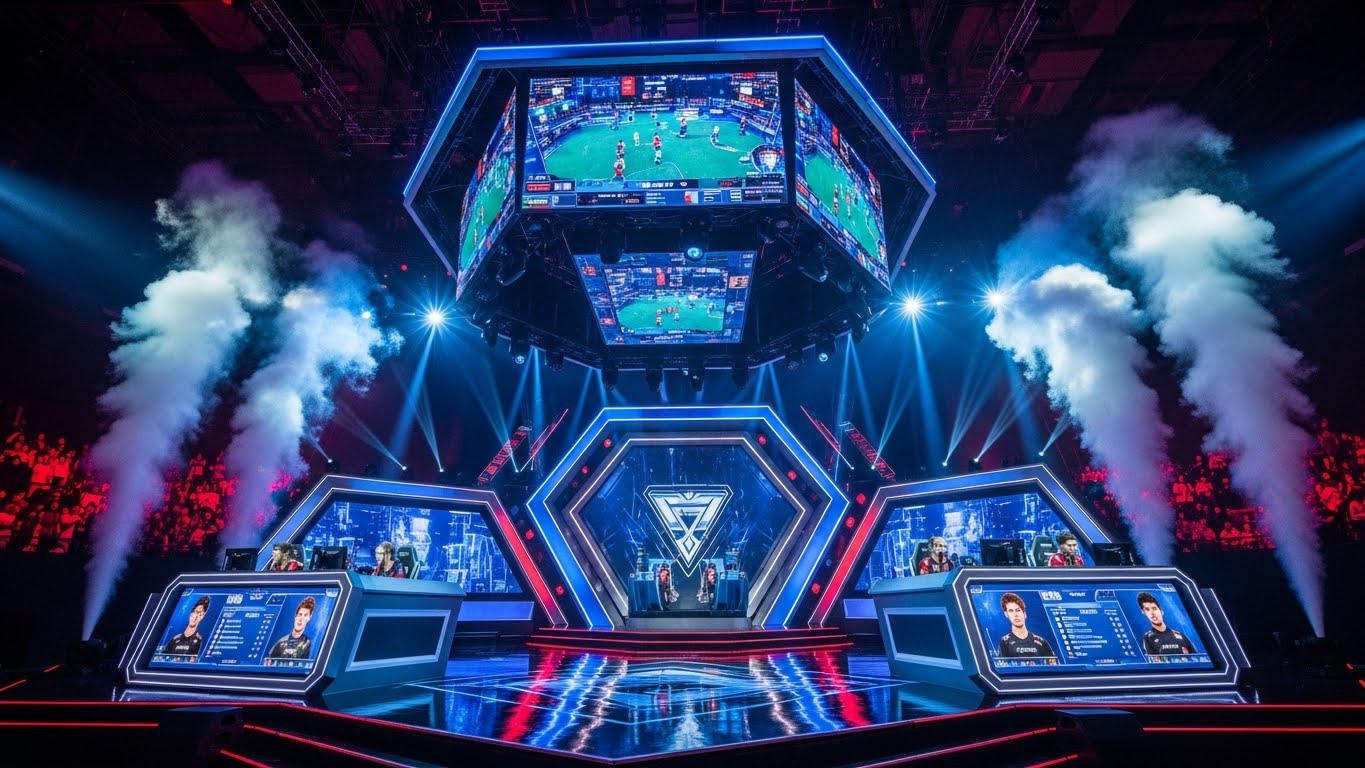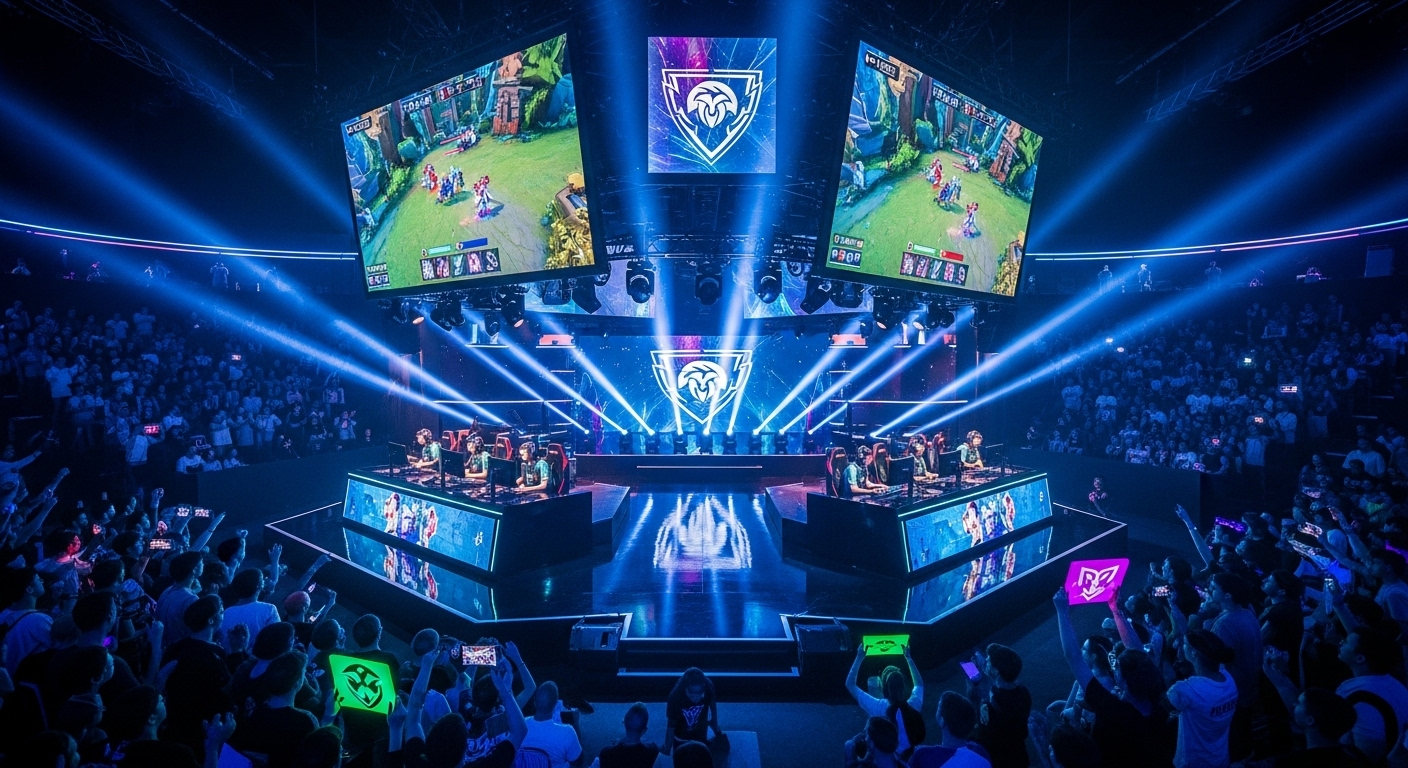
Esports, or electronic sports, has transformed from a niche subculture into a multi-billion-dollar global industry. What was once a pastime for a handful of dedicated gamers has now evolved into a competitive arena where professional players compete for fame, sponsorships, and enormous prize pools. The growth of esports reflects broader changes in technology, entertainment, and sports culture, making it a subject worthy of detailed exploration.
The Origins of Competitive Gaming
Competitive gaming dates back to the 1970s and 1980s, when arcade games began to capture public attention. Early tournaments were often informal gatherings at arcades or college campuses, where players would challenge each other in games like Space Invaders, Pac-Man, and later Street Fighter. One of the earliest recognized esports events was the 1980 Space Invaders Championship, which drew thousands of participants in the United States.
The 1990s saw the rise of PC gaming, with titles like Warcraft, Doom, and Quake paving the way for more structured competition. These games introduced the concept of skill-based ranking and tournaments, often organized by gaming magazines, local clubs, or early online forums. The advent of the internet allowed players from different regions to connect and compete, planting the seeds for the global esports ecosystem we know today.
The Growth of Online Gaming
The 2000s marked a major turning point for esports. High-speed internet and online gaming platforms enabled large-scale competitive play. Games like Counter-Strike, StarCraft, and Warcraft III became staples of the competitive scene, with organized tournaments and professional leagues beginning to emerge. South Korea, in particular, became a hub for esports, popularizing professional gaming as a legitimate career. South Korean players gained celebrity status, and televised matches drew millions of viewers, legitimizing esports in the eyes of mainstream audiences.
Online platforms allowed players from around the world to compete without leaving their homes. Ladder systems and ranking modes created a structure that mirrored traditional sports leagues, and the proliferation of forums and communities fostered fan engagement. The esports culture began to take shape, complete with fan followings, strategic analysis, and media coverage.
The Professionalization of Esports
By the 2010s, esports had matured into a professional industry. Players signed contracts with teams, coaches were hired to improve performance, and sponsorship deals provided financial stability. Organizations like Team Liquid, Fnatic, and Cloud9 became household names within the gaming community. This professionalization mirrored traditional sports, with structured training regimens, performance analysis, and a focus on mental and physical well-being.
Esports leagues also became more sophisticated. Games like League of Legends, Dota 2, and Overwatch introduced franchised leagues with regular seasons, playoffs, and global tournaments. The creation of the League of Legends World Championship and The International for Dota 2 exemplifies the scale and prestige esports competitions had achieved. These tournaments not only offered massive prize pools but also attracted millions of viewers, both online and in packed stadiums.
The Role of Streaming Platforms
Streaming platforms have been central to esports growth. Platforms like Twitch, YouTube Gaming, and Facebook Gaming allowed fans to watch live matches, interact with players, and participate in community discussions. This accessibility transformed esports from a spectator niche into a mainstream entertainment medium.
Streaming also created opportunities for content creators and influencers within the esports ecosystem. Players could broadcast practice sessions, offer tutorials, and engage with fans directly, cultivating personal brands that extended beyond competitive play. Sponsorships, donations, and subscription models provided additional revenue streams, further incentivizing players to maintain an active presence online.
Popular Esports Genres
Esports is diverse, spanning multiple genres that appeal to different audiences. First-person shooters (FPS) like Counter-Strike: Global Offensive, Valorant, and Call of Duty emphasize reflexes, accuracy, and tactical coordination. Multiplayer online battle arena (MOBA) games like League of Legends and Dota 2 focus on strategic teamwork and real-time decision-making. Fighting games such as Street Fighter and Super Smash Bros. test individual skill and reaction times, while sports simulation games like FIFA and NBA 2K replicate real-world sports competition in a digital format.
Each genre has cultivated its own competitive scene, fan base, and culture. FPS games tend to emphasize fast-paced action and precision, MOBAs prioritize strategy and communication, and fighting games showcase intense one-on-one rivalries. The diversity of esports ensures that there is something for almost every type of gamer and fan, expanding the industry’s reach.
Economic Impact and Sponsorships
Esports has grown into a multi-billion-dollar industry, with revenue generated from sponsorships, advertising, merchandise, ticket sales, and media rights. Major brands, ranging from tech companies to beverage brands, have invested heavily in esports marketing. The industry has proven particularly attractive to companies seeking to reach younger, digitally-native audiences.
Sponsorship deals often include team uniforms, branded content, event naming rights, and collaborations with influencers. These partnerships have provided financial stability to teams and players while legitimizing esports as a serious business venture. The prize pools for tournaments have also grown exponentially, with some events offering tens of millions of dollars in winnings, rivaling traditional sports championships.
Challenges Facing the Industry
Despite its rapid growth, esports faces several challenges. Player burnout is a significant concern, as professional gamers often train for 8-12 hours per day under intense competitive pressure. Physical and mental health issues, such as repetitive strain injuries and anxiety, are common among players. Organizations have begun to address these challenges by incorporating wellness programs, sports psychologists, and structured rest periods.
Another challenge is the perception of esports as “real” sports. While esports has gained mainstream recognition, some critics argue that it lacks the physicality or tradition of conventional sports. However, the combination of skill, strategy, teamwork, and global competition increasingly parallels traditional athletics, gradually shifting public opinion.
Additionally, issues like cheating, match-fixing, and online toxicity continue to pose threats to the integrity and reputation of esports. Developers and league organizers invest heavily in anti-cheat systems, fair-play policies, and community management to address these concerns, but challenges persist.
The Global Esports Scene
Esports is truly a global phenomenon. While South Korea and China were early pioneers, North America, Europe, and Southeast Asia now host thriving competitive scenes. International tournaments bring together players from different countries, fostering cross-cultural competition and collaboration. Events like the League of Legends World Championship, The International, and EVO Championship Series are celebrated worldwide and attract millions of live and online viewers.
Cultural differences also influence game preferences. For example, MOBAs are particularly popular in East Asia, while FPS games dominate in North America and Europe. Sports simulation games resonate in regions with strong traditional sports culture, creating a diverse and interconnected global ecosystem.
The Future of Esports
The future of esports appears bright, with continued growth in technology, viewership, and investment. Emerging technologies like virtual reality (VR), augmented reality (AR), and artificial intelligence could further transform gameplay and spectator experiences. VR esports tournaments may offer immersive experiences, while AI could enhance training tools and analytics for professional players.
Esports may also integrate more closely with traditional sports. Some professional sports organizations have launched esports divisions or partnered with gaming companies to engage younger fans. Colleges and universities now offer esports scholarships and programs, reflecting the growing legitimacy of competitive gaming as both a career path and an academic pursuit.
The social and cultural impact of esports will likely continue to expand. Communities built around games provide social connections, opportunities for creative expression, and platforms for discussion. As esports becomes more inclusive, accessible, and diverse, its influence on entertainment, education, and technology will only grow.
Conclusion
Esports has come a long way from its humble beginnings in arcades and college dorms. Today, it stands as a global industry, a cultural phenomenon, and a legitimate career path for millions of people. Its evolution reflects broader societal shifts in technology, media consumption, and the way we define competition and skill.
While challenges remain, the continued professionalization, technological innovation, and global engagement of esports suggest that its future will be even more dynamic and influential. Whether as a spectator, participant, or industry professional, there has never been a better time to be part of the esports revolution.
The story of esports is still being written, and every tournament, every match, and every player contributes to a rapidly growing legacy. From local competitions to international championships, esports exemplifies the power of digital connectivity, competition, and community in the modern age.