Introduction: The Rise of a New Sporting Frontier
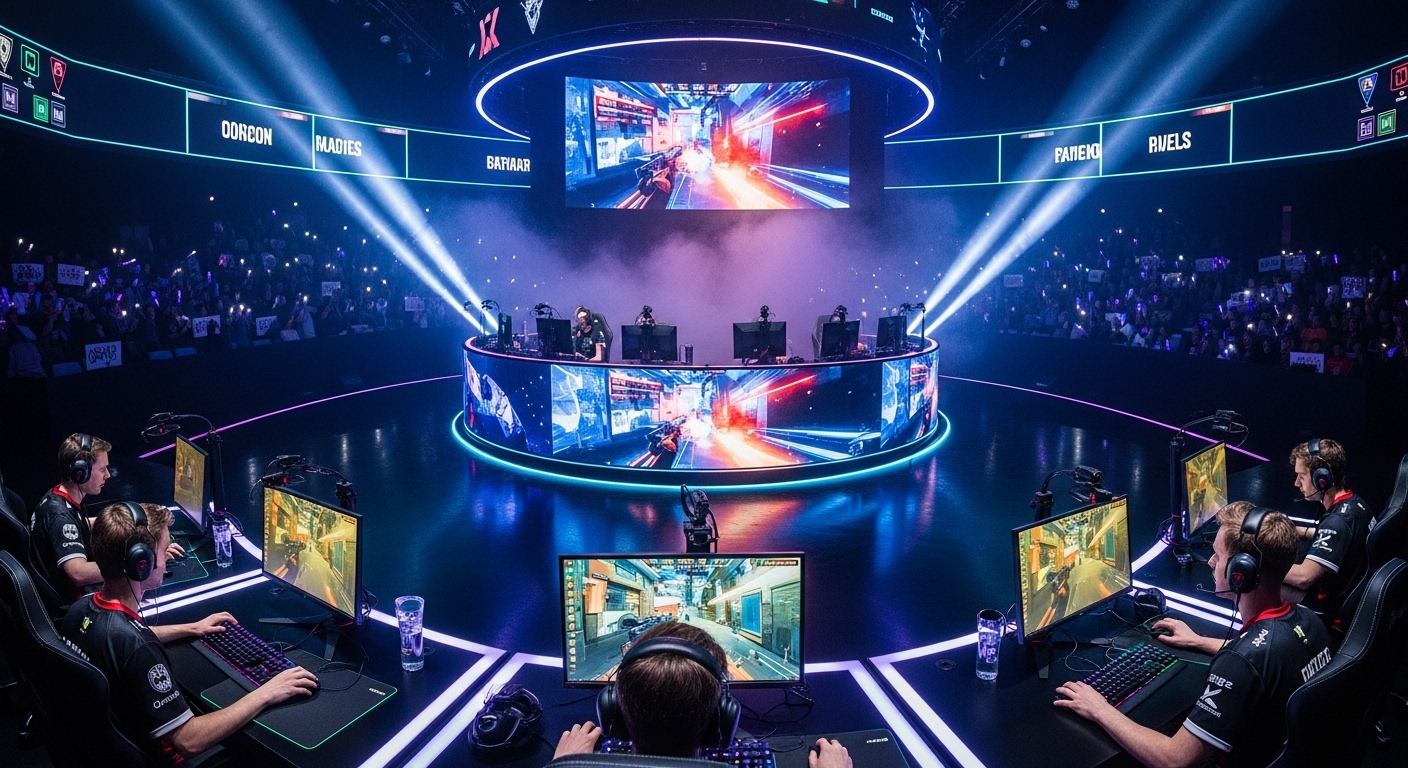
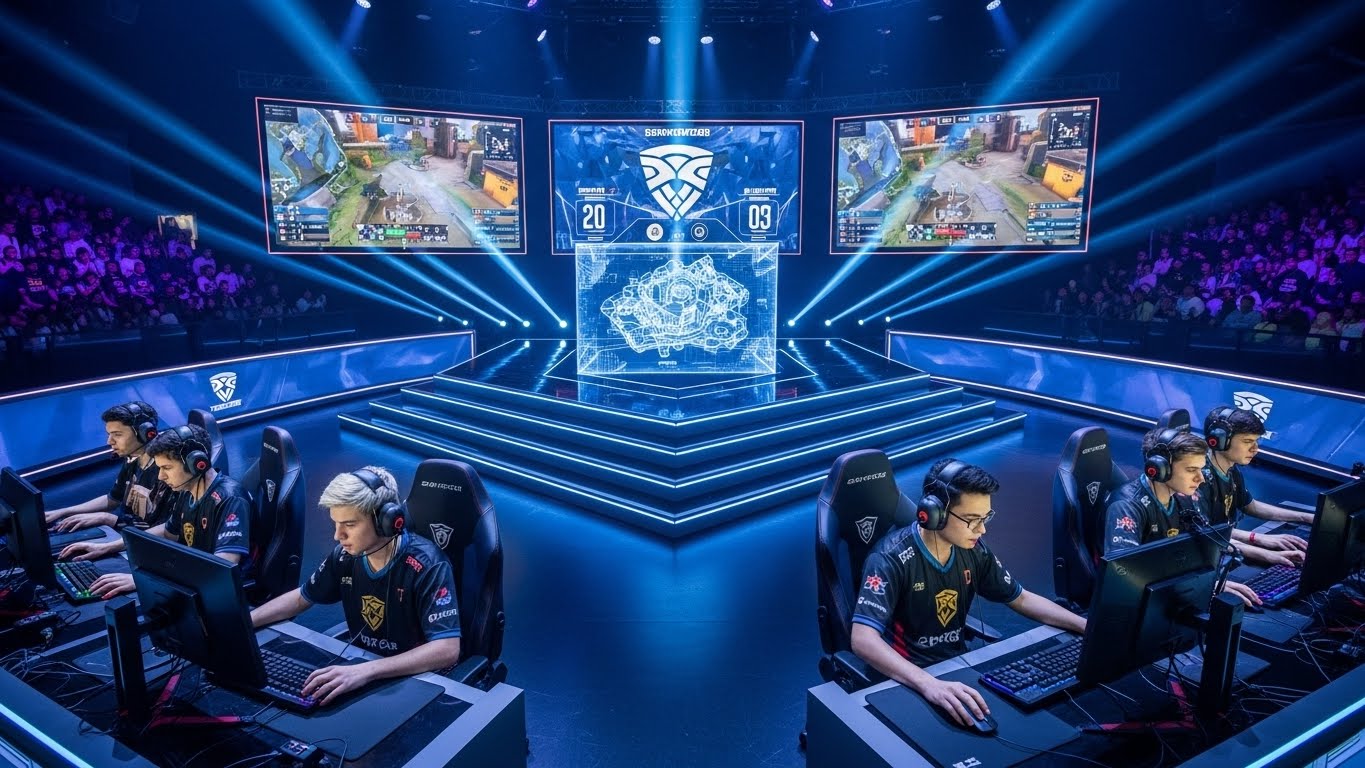
Esports, or electronic sports, has transformed video gaming from a casual pastime into a global phenomenon. What once was seen as a hobby for a select few is now a multibillion-dollar industry that attracts professional athletes, worldwide audiences, and corporate sponsorships. Competitive gaming has evolved beyond bedrooms and arcades to massive arenas where players demonstrate exceptional skill, strategy, and teamwork. Esports is not only entertainment; it is a cultural shift that reshapes how people engage with technology, sports, and social communities.
The Origins of Esports: From Arcades to Online Arenas
The story of esports dates back to the early 1970s, when the first video game competitions emerged. These competitions were small, local, and often limited to arcade players. In the 1980s and 1990s, games like Street Fighter, Mortal Kombat, and Doom began to cultivate competitive communities, particularly in arcades and gaming centers. The real turning point arrived with the internet era, as multiplayer online games such as StarCraft and Counter-Strike allowed players from across the globe to compete in real-time. This innovation laid the foundation for modern esports, introducing the concept of organized, high-stakes competition in digital spaces.
The Golden Era of Competitive Gaming
The early 2000s marked the professionalization of esports. South Korea emerged as a leader, transforming StarCraft players into national celebrities and televising matches for massive audiences. Gaming centers, known as PC bangs, became training hubs where aspiring professionals honed their skills. Meanwhile, organizations like Major League Gaming in the United States began establishing structured competitions and professional leagues. Games like Warcraft III, Halo, and Quake dominated the competitive scene, attracting passionate players and viewers. This period cemented esports as more than a hobby—it became a legitimate form of competition with professional stakes.
The Streaming Revolution: Making Esports Accessible Worldwide
The rise of live streaming platforms revolutionized esports, allowing millions of fans to watch competitions from anywhere in the world. Platforms that support live gameplay transformed players into personalities, connecting them with audiences on an unprecedented scale. Fans no longer needed to attend events in person to experience the excitement of high-level competition. This accessibility helped esports grow into a global entertainment phenomenon. Streamers, influencers, and professional players became central figures in this ecosystem, building communities around specific games and fostering a sense of belonging for fans worldwide.
Professionalization and Team Dynamics
Esports today mirrors traditional sports in many ways. Professional teams employ coaches, analysts, and managers, and players often train for ten hours or more daily. Titles like League of Legends, Dota 2, Counter-Strike, and Valorant dominate the professional scene, each with large international tournaments and dedicated fanbases. Sponsorships and media deals have elevated top teams and players to celebrity status. Training regimens focus not only on mechanical skill but also on strategy, communication, and mental preparation. Esports has become a career path that demands dedication, discipline, and resilience, much like any other professional sport.
Esports as a Career Path
The rise of esports has created a diverse range of career opportunities. Beyond professional players, the industry requires shoutcasters, analysts, coaches, content creators, event organizers, and marketing professionals. Universities now offer esports scholarships and programs, further legitimizing the field. The emergence of mobile esports has also democratized access, allowing players in regions with limited resources to compete internationally. Esports encourages not only technical skill but also strategic thinking, teamwork, and leadership, preparing participants for success both in gaming and in broader professional contexts.
Cultural Impact: Building Global Communities
Esports has cultivated a unique cultural identity. Fans rally around teams and players, often developing intense loyalty similar to traditional sports. Cosplay, fan art, and online forums create a vibrant community that extends beyond gaming itself. Esports events are cultural gatherings, where audiences celebrate competition, creativity, and technological innovation. This shared experience fosters international connections, uniting people across continents, languages, and backgrounds through a common passion for gaming. Esports has transcended its origins to become a defining feature of modern youth culture.
Challenges Facing the Esports Industry
Despite its rapid growth, esports faces notable challenges. Player burnout is a significant concern due to long training hours and high-performance expectations. Mental health issues such as anxiety, stress, and social pressure are common among professional players. The industry also grapples with fairness and integrity, as cheating, match-fixing, and toxicity remain persistent problems. Gender representation is another area needing improvement, as female players are often underrepresented in top-tier competitions. Addressing these challenges is essential for the sustainable growth and credibility of esports as a professional field.
The Role of Technology in Esports
Technology is at the heart of esports. High-performance computers, gaming peripherals, and fast internet connections enable competitive play at elite levels. Data analytics and artificial intelligence help teams optimize strategies and improve player performance. Virtual reality and augmented reality are beginning to enhance both gameplay and the viewing experience, creating immersive environments for audiences. Cloud gaming is expanding access, allowing players to compete without expensive hardware. Continuous technological advancements ensure that esports remains at the forefront of digital innovation, bridging the gap between entertainment and technology.
Globalization of Esports
Esports has become a truly global phenomenon. South Korea, China, the United States, Europe, and emerging regions like India and Southeast Asia contribute unique styles, talent, and fan cultures. International tournaments draw massive audiences, with players and teams representing their countries on a global stage. Some governments recognize esports athletes with visas and official support, reflecting its growing legitimacy as a professional sport. This global reach fosters cross-cultural exchange and showcases the universal appeal of competitive gaming.
Esports in Education
Educational institutions are increasingly incorporating esports into their programs. Schools and universities use esports to teach collaboration, problem-solving, and communication skills. Esports clubs provide social engagement for students who may not participate in traditional sports. Academic programs in esports management, game design, and broadcasting prepare students for careers within the industry. By integrating competitive gaming with education, esports helps bridge learning and entertainment, offering students unique opportunities to develop both personal and professional skills.
Business and Marketing in Esports
Esports is now a major business sector. Sponsorships, advertising, merchandise, ticket sales, and media rights drive revenue for teams and events. Brands across various industries recognize the marketing potential of esports, using it to reach engaged, tech-savvy audiences. However, success depends on authenticity. Fans are quick to spot marketing that feels forced or insincere. Companies that understand and respect esports culture, while creatively engaging audiences, can thrive in this expanding market. Esports has become a hub for innovation in marketing, community engagement, and entertainment.
Mental Health and Well-Being in Esports
With the pressures of professional gaming, mental health has become a critical concern. Long practice hours, intense competition, and online criticism can lead to stress, burnout, and anxiety. Leading organizations now prioritize mental health by hiring psychologists, wellness coaches, and support staff. Open conversations about mental health are becoming more common, reducing stigma and promoting healthier approaches to competition. By prioritizing player well-being, the esports industry can create sustainable careers and ensure long-term growth.
The Future of Esports
The future of esports is bright and expansive. Integration with emerging technologies such as virtual reality, augmented reality, and cloud gaming will continue to redefine competition and viewership. Mobile esports will further democratize participation, allowing more players from diverse backgrounds to compete. Mainstream acceptance is growing, and esports may eventually find its place alongside traditional sports in major events and institutions. The potential for innovation, entertainment, and community engagement is limitless, signaling a continued rise in esports’ influence on global culture.
Conclusion: Esports as a Cultural and Competitive Force
Esports has redefined the meaning of competition, transforming digital gaming into a global cultural and professional phenomenon. It combines strategy, skill, teamwork, and technology in a way that resonates with millions worldwide. Beyond entertainment, esports fosters careers, global communities, and cultural innovation. It has become a bridge between technology and human connection, uniting players and fans across continents. The digital arenas of esports are more than just games—they are stages for talent, ambition, and the limitless potential of the modern era. Esports is here to stay, and its impact will continue to grow for generations to come.