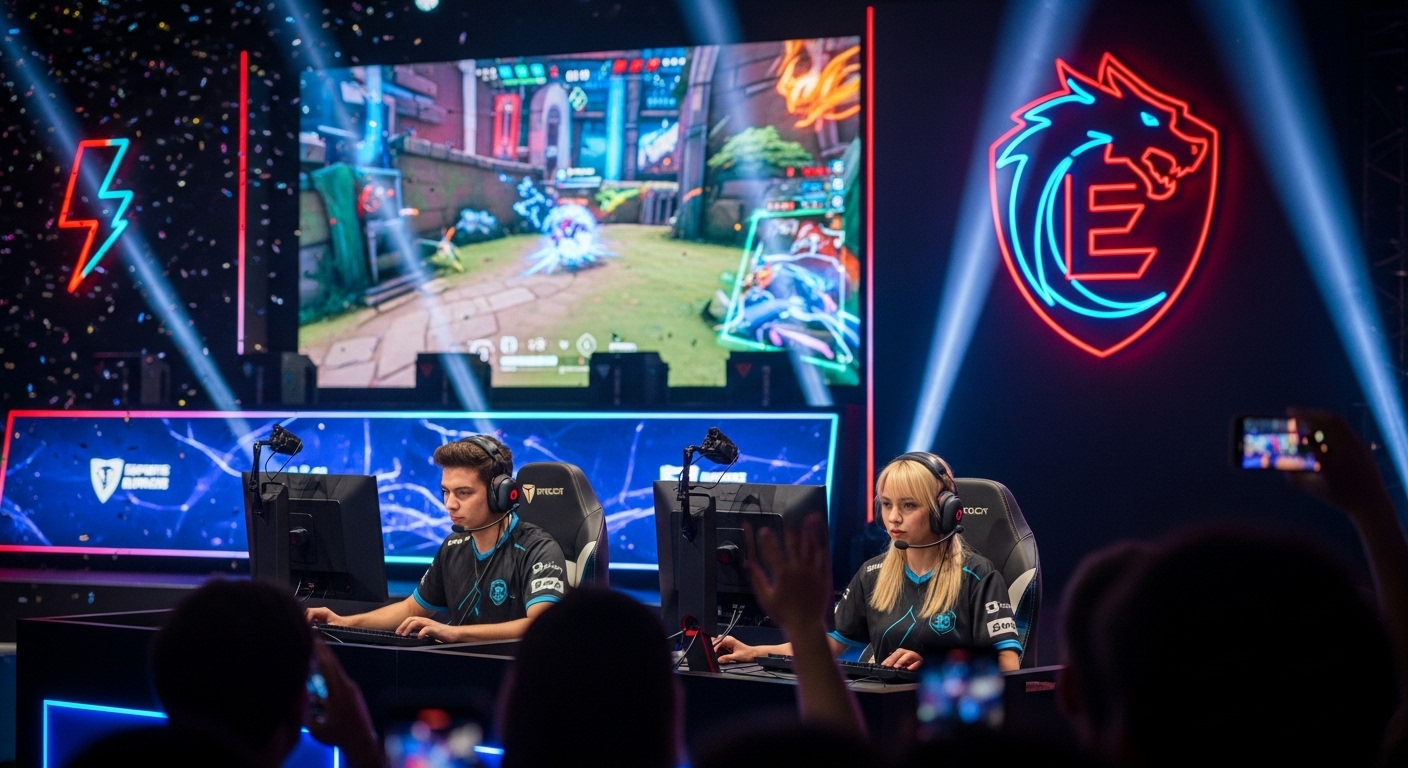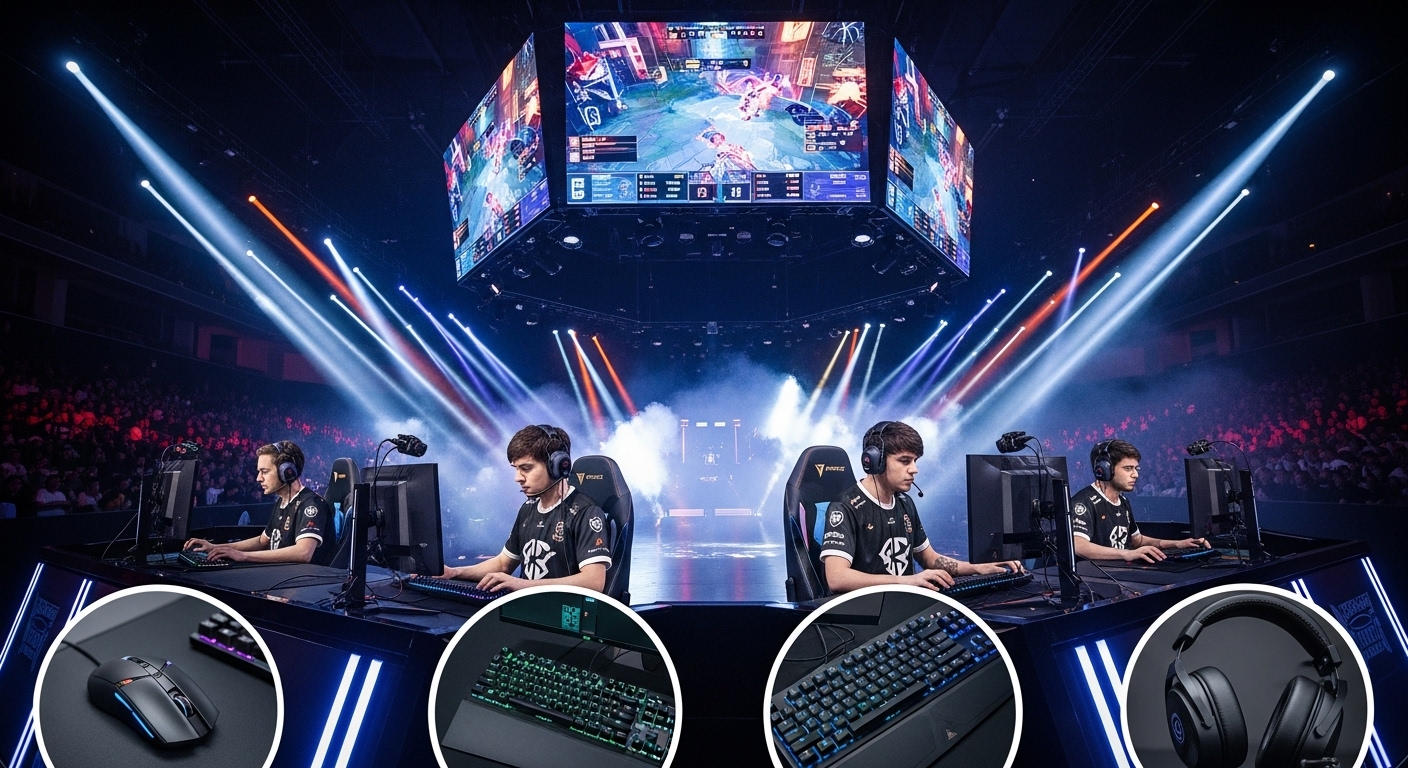
Esports, short for electronic sports, has seen an explosive rise in popularity over the past two decades. What began as a niche hobby for gamers has transformed into a multi-billion-dollar industry, drawing massive audiences, attracting sponsorships from top global brands, and producing elite players who are celebrated as athletes in their own right. Today, esports is not just about playing video games; it’s a cultural movement that blends entertainment, competition, and technology in ways that were once unimaginable.
In this blog post, we will explore the growth of esports, its impact on the gaming community, its global influence, and the future of this rapidly evolving industry.
The Birth of Esports: Humble Beginnings
Esports didn’t emerge overnight. It started in the early 1990s with competitive gaming events held on a small scale. Early competitions were mostly localized, involving players competing in games like Street Fighter, Doom, and Warcraft. These tournaments were often community-driven, and the prize pools were small, usually consisting of gaming equipment, bragging rights, or a modest amount of cash.
However, the landscape began to shift with the rise of online multiplayer games in the late 1990s and early 2000s. The internet provided a platform for gamers from all over the world to compete against each other. The launch of games like Quake, StarCraft, and Counter-Strike marked a turning point in competitive gaming. These games encouraged not only local but international competitions, setting the foundation for what we now recognize as the esports scene.
As the gaming community grew, so did the opportunities for competitive events. In 2000, the first major esports tournament, the World Cyber Games (WCG), was launched in South Korea. The event was a landmark in the development of esports, bringing together players from various countries and solidifying the concept of esports as a global phenomenon.
The Golden Era of Esports
From 2005 onwards, esports began to enter a golden era. High-speed internet connections and the proliferation of gaming PCs and consoles made online multiplayer games more accessible to a wider audience. Alongside this, the rise of platforms like Twitch in 2011 allowed gamers to stream their gameplay to a global audience, paving the way for the development of esports as an entertainment medium.
As esports gained traction, the prize pools for major tournaments grew exponentially. Titles like League of Legends, Dota 2, Counter-Strike: Global Offensive, and Overwatch became central to the competitive gaming scene, each offering multi-million-dollar prize pools for top players. This shift not only attracted more players but also brought in fans, who were now able to watch live broadcasts of their favorite players and teams on platforms like Twitch, YouTube, and later Facebook Gaming.
One of the most significant moments in esports history came in 2013, when The International (Dota 2’s premier tournament) set a new standard for competitive gaming events. With a prize pool of over $2.8 million, it became the largest prize pool in esports history at the time. Over the years, The International has only continued to grow, with prize pools now reaching upwards of $40 million. This astronomical rise in prize money signaled that esports was no longer just a hobby, but a legitimate sport with substantial financial backing.
The Professionalization of Esports
With the growth of competitive gaming came the need for professional organizations, training facilities, and coaching. Esports moved from being a pastime for casual players to a full-fledged professional career. Organizations like Team Liquid, Fnatic, Cloud9, and G2 Esports became household names, signing top-tier players and establishing themselves as major players in the esports world.
These teams not only competed in tournaments but also signed lucrative sponsorship deals with brands like Coca-Cola, Intel, and Nike. The partnerships between esports organizations and multinational corporations helped legitimize esports as a professional sport. Players, who once competed in makeshift arenas, now found themselves playing in state-of-the-art arenas, with full support staff, analysts, and coaches.
The professionalization of esports also brought about a greater emphasis on physical and mental conditioning. Just like traditional athletes, esports players now undergo rigorous training schedules that include both in-game practice and off-game exercises. Many teams have sports psychologists and nutritionists to ensure that their players perform at their best, both mentally and physically.
Esports and the Rise of Streaming Culture
One of the driving forces behind the exponential growth of esports has been the rise of live streaming. In the early 2000s, streaming was a niche activity, but platforms like Twitch revolutionized the way people consumed content. What started as a way for gamers to share their experiences with friends quickly evolved into a global community of viewers, content creators, and professional gamers.
Twitch’s success paved the way for a new type of content consumption, with thousands of viewers tuning in to watch live esports events, gameplay, and commentary. Esports tournaments became live broadcasts, attracting millions of viewers worldwide, both for the gameplay and the excitement that comes with watching skilled players compete.
Streaming also allowed fans to interact directly with players and teams. Fans could chat with their favorite players in real time, create fan content, and even contribute to live events through crowd funding. The interaction between fans and players built a sense of community, transforming esports into a participatory experience. Today, popular esports personalities like Ninja, Shroud, and Pokimane have become household names, with millions of followers on platforms like Twitch and YouTube.
Esports and Traditional Sports: A Symbiotic Relationship
Over the years, esports has increasingly been recognized by traditional sports organizations, with several prominent figures from the world of sports joining the esports movement. Traditional sports leagues like the NBA, NFL, and MLB have invested in esports teams and tournaments. The NBA, for instance, launched the NBA 2K League, a professional esports league based on the popular NBA 2K video game.
Moreover, esports has also received recognition from academic institutions, with colleges and universities offering scholarships to talented players and establishing esports programs. In 2018, the University of California, Irvine became the first major university to open an esports arena, signaling that competitive gaming was beginning to be taken seriously in educational settings as well.
In many ways, esports has filled the void for younger generations who may not have the time, resources, or interest in traditional sports. For a large number of young people, esports provides a new avenue for entertainment, competition, and community-building. With its combination of technology, gaming, and competition, esports has become the bridge between traditional sports and the digital age.
The Global Appeal of Esports
One of the most remarkable aspects of esports is its global reach. While traditional sports like soccer or basketball may have strong followings in certain regions of the world, esports has the unique ability to transcend borders. With online play, anyone with an internet connection can compete, making it an inclusive and worldwide sport.
Countries like South Korea, China, the United States, and Germany have emerged as global esports powerhouses, while nations in Latin America, Southeast Asia, and Europe have also contributed significantly to the growth of the industry. International tournaments like The International and League of Legends Worlds are watched by millions of fans across the globe, with broadcasts available in multiple languages.
The global nature of esports has fostered a sense of unity among its fans. No longer are fans restricted to supporting local teams or players; they can follow their favorite players from different countries and cultures, creating a unique global fanbase that shares a passion for gaming.
The Future of Esports
As the esports industry continues to grow, it is clear that the future holds exciting possibilities. Advances in technology, such as virtual reality (VR) and augmented reality (AR), will likely play a significant role in the development of esports, creating more immersive experiences for players and spectators alike. Additionally, as 5G technology becomes more widespread, we can expect even more seamless, high-quality gaming experiences.
The rise of mobile gaming has also opened up new doors for esports. Mobile esports tournaments, with games like PUBG Mobile and Clash Royale, have become incredibly popular, especially in regions where console and PC gaming are not as widespread. This trend is likely to continue, as mobile esports continues to reach a broader audience.
Moreover, esports is slowly but surely becoming more integrated into mainstream entertainment. From collaborations with Hollywood to esports-themed TV shows and movies, the cultural influence of esports is undeniable. As more people recognize the skill, dedication, and teamwork involved in professional gaming, esports will continue to solidify its place as a legitimate sport in the global entertainment landscape.
Conclusion: The Enduring Impact of Esports
Esports has come a long way from its humble beginnings as a pastime for casual gamers. Today, it is a global industry worth billions of dollars, with millions of fans and professional players making their mark on the world stage. As the world becomes more connected through technology, the future of esports looks brighter than ever.
The growth of esports is a testament to the evolving nature of sports and entertainment. What began as a niche interest has blossomed into a phenomenon that continues to inspire and entertain millions of people worldwide. Whether you’re a gamer, a fan, or just someone curious about this exciting industry, one thing is clear: esports is here to stay.