Esports: The New Frontier of Competitive Gaming and Global Entertainment
Esports has rapidly emerged from a niche hobby to a global phenomenon, captivating millions of fans, players, and viewers alike. What once started as small, local competitions in video games has now transformed into a multi-billion-dollar industry, with professional teams, international tournaments, sponsorships, and a dedicated fanbase. The growth of esports has been nothing short of remarkable, with games like League of Legends, Fortnite, Dota 2, Counter-Strike, and Overwatch becoming household names. But what makes esports so popular, and how has it evolved into the massive industry it is today? In this blog post, we will explore the origins, rise, impact, and future of esports, while examining how this unique blend of competitive gaming and entertainment has changed the landscape of sports and entertainment culture worldwide.
The Origins of Esports: From Arcade Competitions to Online Tournaments
The roots of esports can be traced back to the early days of video games, when players would compete for high scores in arcade games like Pac-Man, Space Invaders, and Donkey Kong. These arcade machines often tracked high scores, allowing players to compete for the top spot, although the competition was limited to local settings. In the 1990s, as home gaming consoles and personal computers became more accessible, competitive gaming began to take on a new form.
The first major milestone in the history of esports occurred in 1997, with the creation of the Red Annihilation tournament for the game Quake. This tournament is often cited as the first true esports event, where professional gamers competed for a cash prize. It was also the event that helped launch the career of Johnathan “Fatal1ty” Wendel, one of the earliest professional gamers. As the internet began to expand in the late 1990s and early 2000s, online gaming and competitions started to flourish.
In the early 2000s, the rise of multiplayer online games such as StarCraft, Warcraft III, and Counter-Strike set the stage for competitive gaming on a much larger scale. These games offered the ability for players from around the world to compete against each other in real-time, creating the foundation for what we now know as esports. The first major esports leagues were formed, and tournaments like The World Cyber Games (WCG) and The Electronic Sports World Cup (ESWC) became some of the most prestigious events in the gaming community.
The Rise of Esports: Professionalization and Global Expansion
Esports really began to gain traction in the mid-2000s, as internet speeds improved, gaming technology advanced, and dedicated esports organizations began to form. One of the most significant turning points for esports was the rise of StarCraft in South Korea. The game became a cultural phenomenon in the country, with dedicated television broadcasts and the formation of professional gaming leagues. South Korea is often credited with being the birthplace of modern esports, and it remains a major hub for competitive gaming to this day.
In the West, games like Counter-Strike, League of Legends, and Dota 2 began to attract a dedicated following. The early esports tournaments were often modest affairs, but with the growth of platforms like Twitch and YouTube, esports began to reach a global audience. Twitch, a live-streaming platform launched in 2011, played a crucial role in the growth of esports, providing a space where gamers could watch live competitions, learn strategies, and interact with other fans. By the mid-2010s, esports was no longer a niche activity—esports was becoming a legitimate form of entertainment with a wide-reaching global audience.
In 2011, League of Legends was released by Riot Games and quickly became one of the most popular competitive games in the world. The game’s annual League of Legends World Championship now attracts millions of viewers and offers multi-million-dollar prize pools. The success of League of Legends and other competitive titles has led to the formation of professional esports leagues, such as the Overwatch League and Call of Duty League, that operate much like traditional sports leagues, with franchised teams, salaries, sponsorships, and dedicated fanbases.
The Esports Ecosystem: Teams, Players, Sponsors, and Fans
At the heart of esports lies its ecosystem, which includes a wide range of components: professional players, teams, tournaments, broadcasters, sponsors, and fans. The ecosystem has grown so complex and interwoven that it now mirrors traditional sports in many ways.
Professional Players: Just like athletes in traditional sports, esports players are highly skilled competitors who dedicate hours of practice to perfect their craft. Many professional gamers start young, often in their teens, and dedicate themselves to mastering their chosen game. These players often train for 10-12 hours a day, honing their mechanical skills, learning new strategies, and studying their opponents.
Top-tier esports players earn substantial salaries, with many professional gamers also signing lucrative sponsorship deals, streaming contracts, and prize money from tournaments. For example, the prize pool for The International, the Dota 2 world championship, has reached over $40 million in recent years, with individual players taking home millions of dollars. These earnings, combined with sponsorships and streaming revenue, make esports a potentially highly lucrative career.
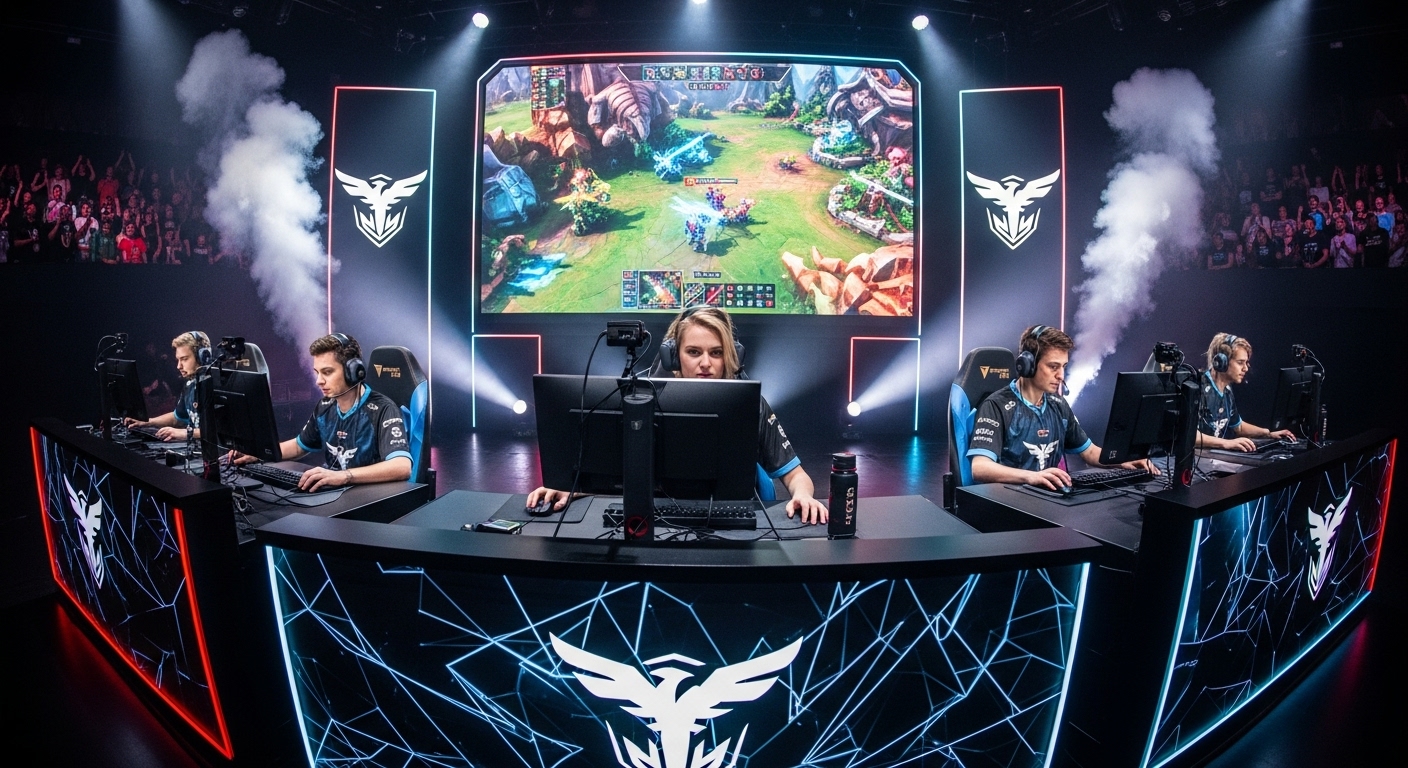
Esports Teams: Similar to traditional sports leagues, esports has professional teams that compete in various games. These teams are often backed by major investors and corporate sponsors. Some of the biggest esports organizations, such as Team Liquid, Fnatic, Cloud9, and G2 Esports, have grown into international brands, representing not only their players but also the larger culture of esports. These organizations recruit and train players, manage their schedules, and negotiate sponsorships and contracts.
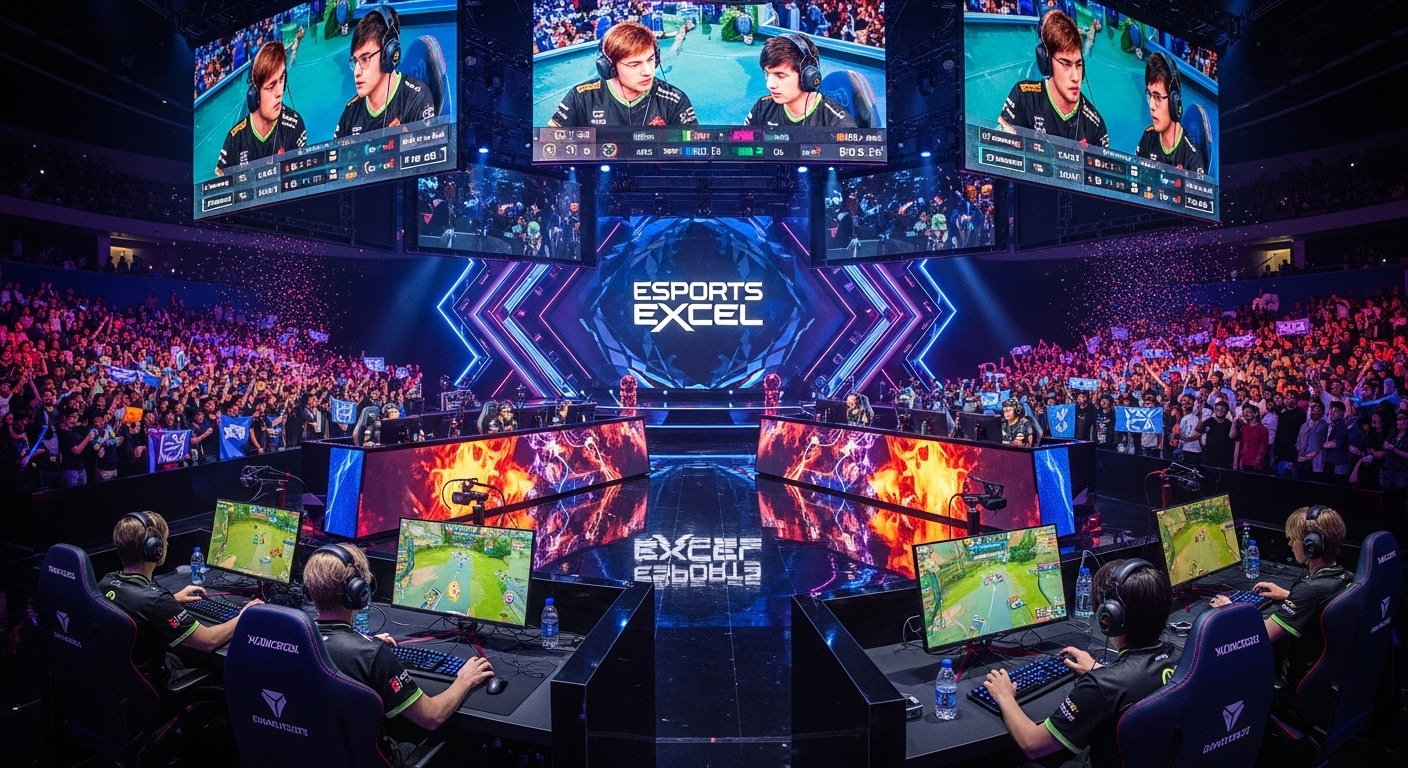
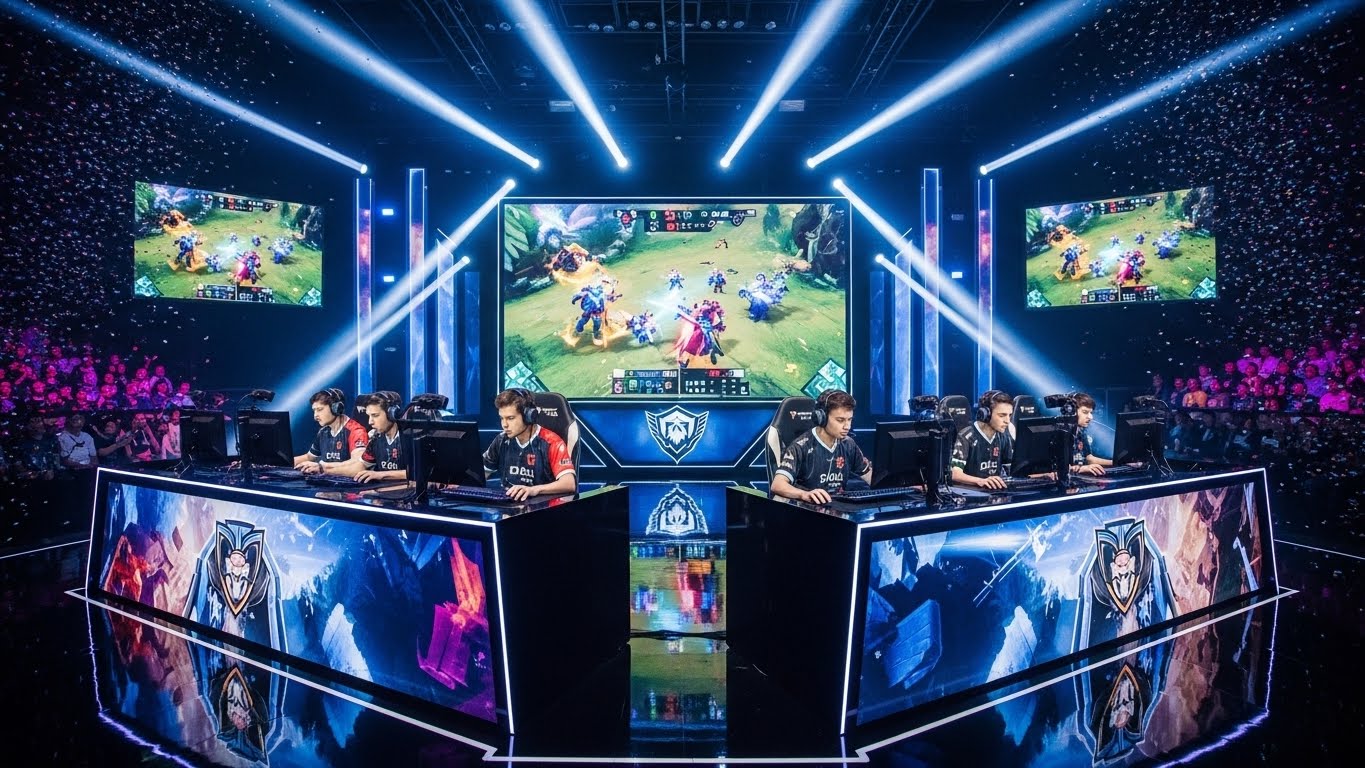
Tournaments and Leagues: Competitive gaming events have evolved from small, regional tournaments to large-scale international championships. Major events such as the League of Legends World Championship, The International, and Overwatch League Finals attract hundreds of thousands of live viewers and millions more online. These tournaments are often broadcast live on streaming platforms like Twitch, YouTube, and Facebook Gaming, with full production teams, commentators, and analysts providing coverage similar to that of traditional sports broadcasts.
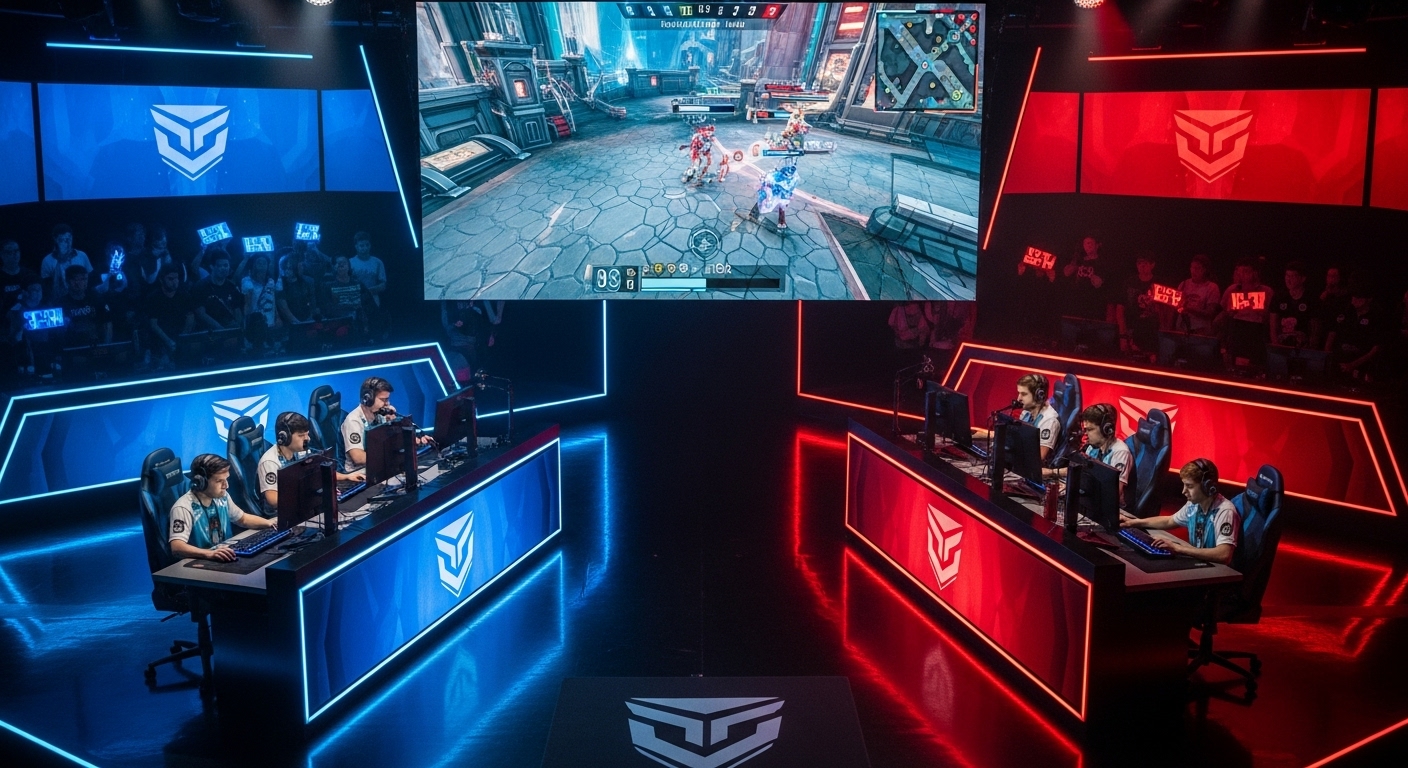
In addition to these global events, there are also regional and national leagues that help fuel the esports ecosystem. These leagues provide a platform for emerging talent and give fans the opportunity to support local teams. Esports leagues like the Call of Duty League and LCS (League of Legends Championship Series) follow traditional sports models, with regular seasons and playoffs that lead to a championship event.
Sponsors and Investors: Just like traditional sports, esports has attracted significant corporate sponsorships and investments. Companies ranging from tech giants like Intel and Nvidia to beverage brands like Coca-Cola and Red Bull have all invested in esports. Sponsorships help teams cover their operating costs and provide exposure for the brands involved. Investors have also shown increasing interest in esports, with venture capital firms pouring money into esports organizations, tournaments, and media platforms.
Fans and Community: One of the most unique aspects of esports is its passionate, dedicated fanbase. Esports fans are often highly engaged, watching their favorite teams and players not just during tournaments but through live streams, social media, and fan meetups. The rise of social media platforms like Twitter, Discord, and Reddit has allowed fans to interact directly with their favorite players, creating a sense of community around the games.
Esports fans are not limited to watching tournaments; they often actively engage in the culture of the games themselves, creating content like fan art, memes, and commentary. The accessibility of esports through streaming platforms like Twitch and YouTube means that fans can follow their favorite players and teams year-round, fostering a deeper connection to the esports world.
Esports and Traditional Sports: A Symbiotic Relationship
In many ways, esports and traditional sports share more in common than one might initially think. Both are forms of competition that require immense skill, dedication, and teamwork. Just as basketball players train tirelessly to perfect their shots, esports players hone their reflexes and strategies to outmaneuver their opponents. Both also rely heavily on sponsorships, media coverage, and fan engagement to grow and sustain their industries.
Esports has also seen collaborations with traditional sports leagues. For instance, professional basketball teams like the Golden State Warriors and Philadelphia 76ers have invested in esports franchises, while football clubs like Manchester City have their own esports teams. These cross-industry partnerships help bridge the gap between traditional sports and esports, allowing both to thrive in a competitive entertainment space.
Additionally, some traditional sports organizations have recognized the growing importance of esports and have begun to integrate competitive gaming into their business models. The NBA 2K League, an esports league based on the popular basketball video game, is an example of this crossover. It allows players to compete in a virtual version of basketball while benefiting from the NBA’s global reach and fanbase.
The Future of Esports: Growth, Innovation, and Global Recognition
Looking ahead, esports is poised for even more growth. As gaming technology continues to evolve, so too will the opportunities for competitive gaming. Virtual reality (VR) and augmented reality (AR) have the potential to revolutionize esports by offering new ways for players to interact with their games, leading to more immersive and dynamic competitions.
Esports is also expected to gain further mainstream recognition, with more media outlets and traditional sports organizations offering coverage and support. The rise of esports scholarships, college leagues, and high school teams is also a sign that competitive gaming is becoming more institutionalized and recognized as a legitimate career path.
The continued global expansion of esports will also drive its growth, as regions like China, Southeast Asia, and Latin America become key players in the esports ecosystem. As more countries invest in esports infrastructure and host major international events,