The Rise of Esports
Esports, or competitive gaming, has evolved from a niche hobby into a global phenomenon. What was once seen as a pastime for teenagers in basements is now a multi-billion-dollar industry with professional players, sponsors, and international tournaments. Unlike traditional sports, esports allows individuals from around the world to compete from the comfort of their own homes, yet still draws millions of spectators both online and in packed arenas.
The roots of esports can be traced back to the 1970s and 1980s when early arcade and console competitions began gaining popularity. However, it was the rise of high-speed internet and streaming platforms that truly transformed gaming into a spectator sport. Today, games like League of Legends, Dota 2, and Counter-Strike have become household names, with professional players earning salaries comparable to traditional athletes.
Understanding the Esports Ecosystem
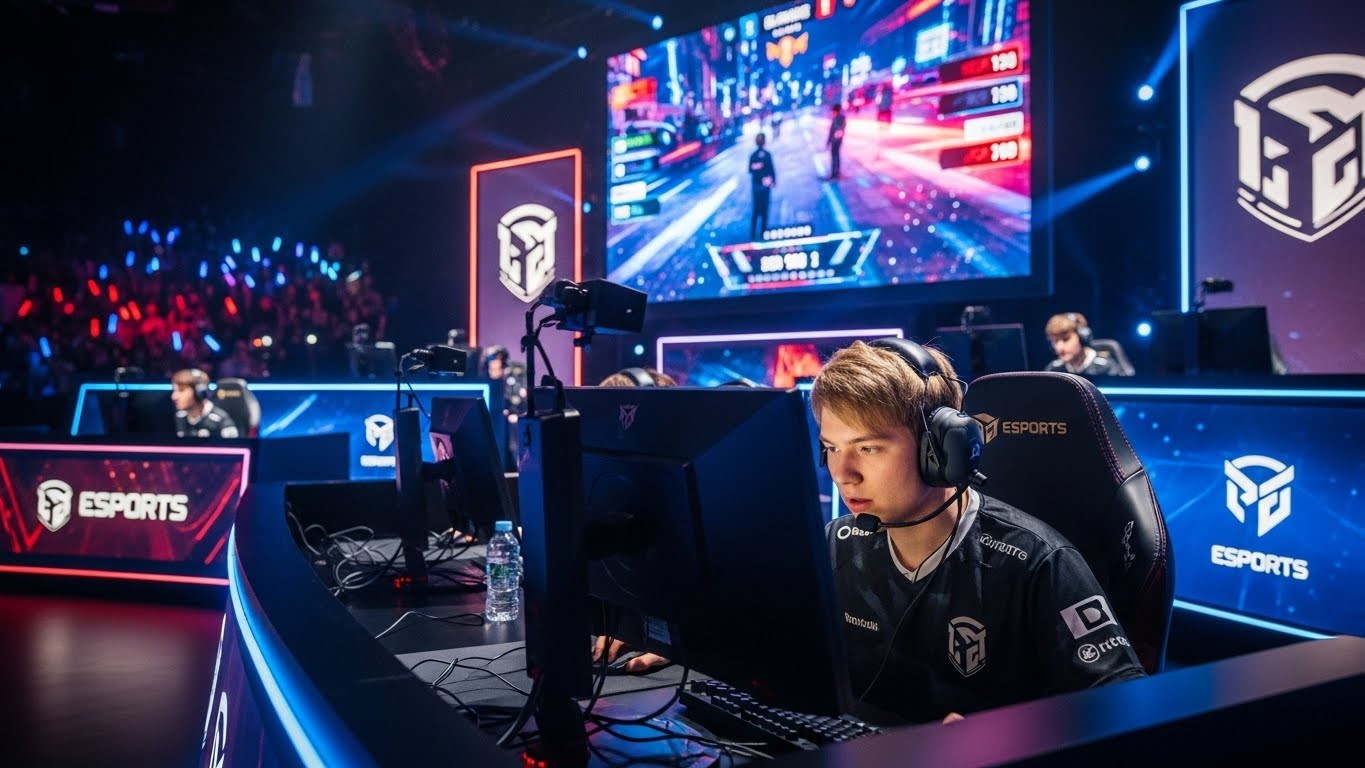
Esports is not just about playing games; it encompasses an entire ecosystem. At its core are the players, who dedicate countless hours to honing their skills. Professional esports players often train like traditional athletes, practicing for several hours a day, analyzing gameplay, and working closely with coaches.
Teams and organizations are another integral part of the ecosystem. Much like football or basketball teams, esports organizations recruit players, provide management support, and negotiate sponsorship deals. Popular esports organizations have fanbases in the millions, and team loyalty often rivals that seen in traditional sports.
Streaming platforms like Twitch and YouTube Gaming have been instrumental in the rise of esports. They allow fans to watch live tournaments, follow favorite players, and interact through chat in real time. These platforms also give rise to content creators who, while not professional players, influence the esports community through commentary, tutorials, and entertainment.
The Economics of Esports
The financial side of esports is staggering. Industry reports estimate that global esports revenue exceeds a billion dollars annually and continues to grow at a rapid pace. Revenue streams include sponsorships, merchandise, advertising, ticket sales, and streaming platform partnerships. Brands from various sectors, including technology, fashion, and food and beverage, are increasingly investing in esports due to its massive reach among younger audiences.
Player salaries in esports are also noteworthy. Top-tier players can earn hundreds of thousands of dollars per year through team contracts, tournament winnings, and streaming income. In certain cases, esports athletes earn more than traditional professional athletes, especially in sports where commercial revenue is lower.
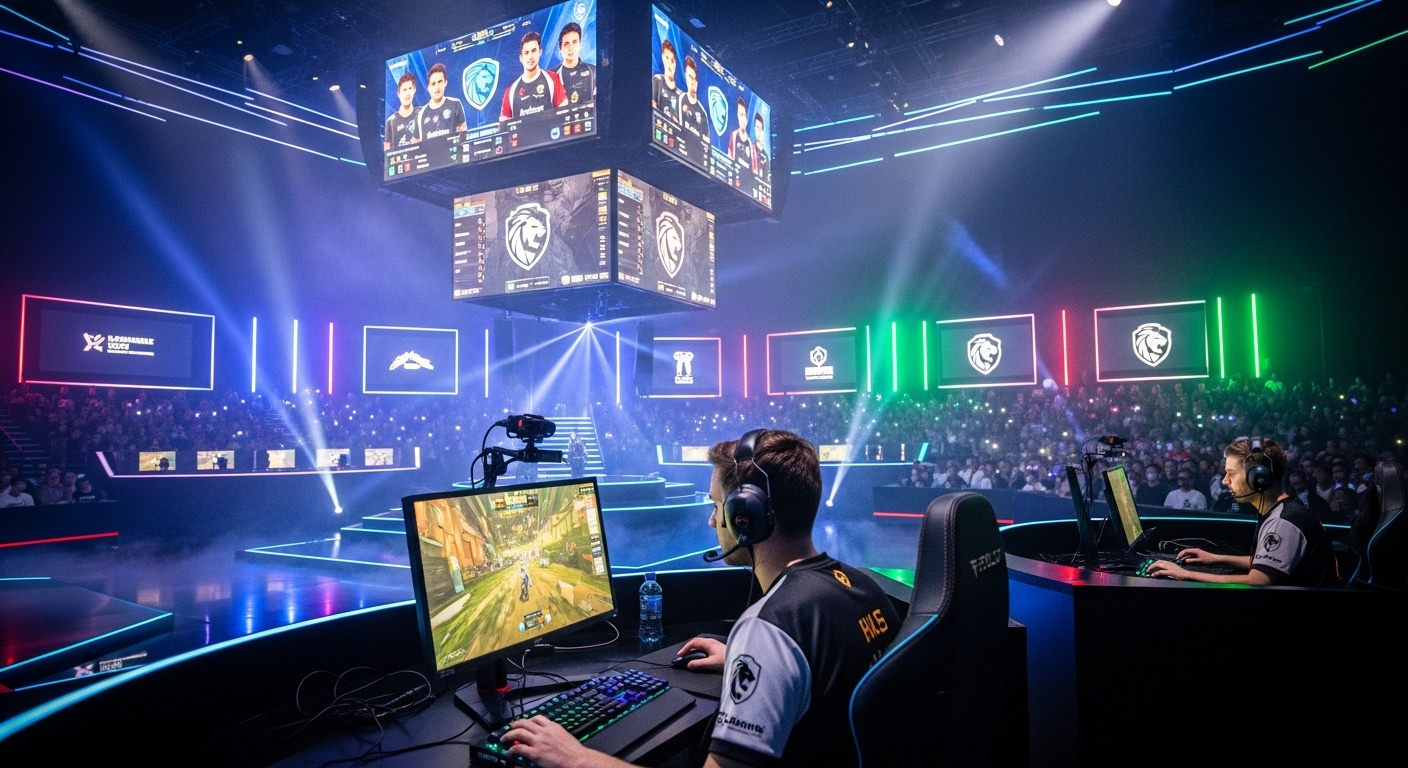
Tournaments are a major driver of economic growth in esports. Events like The International for Dota 2 and the League of Legends World Championship offer prize pools that reach tens of millions of dollars. These tournaments attract thousands of fans to stadiums and millions more online, generating substantial revenue for organizers, sponsors, and local economies.
Popular Esports Games and Genres
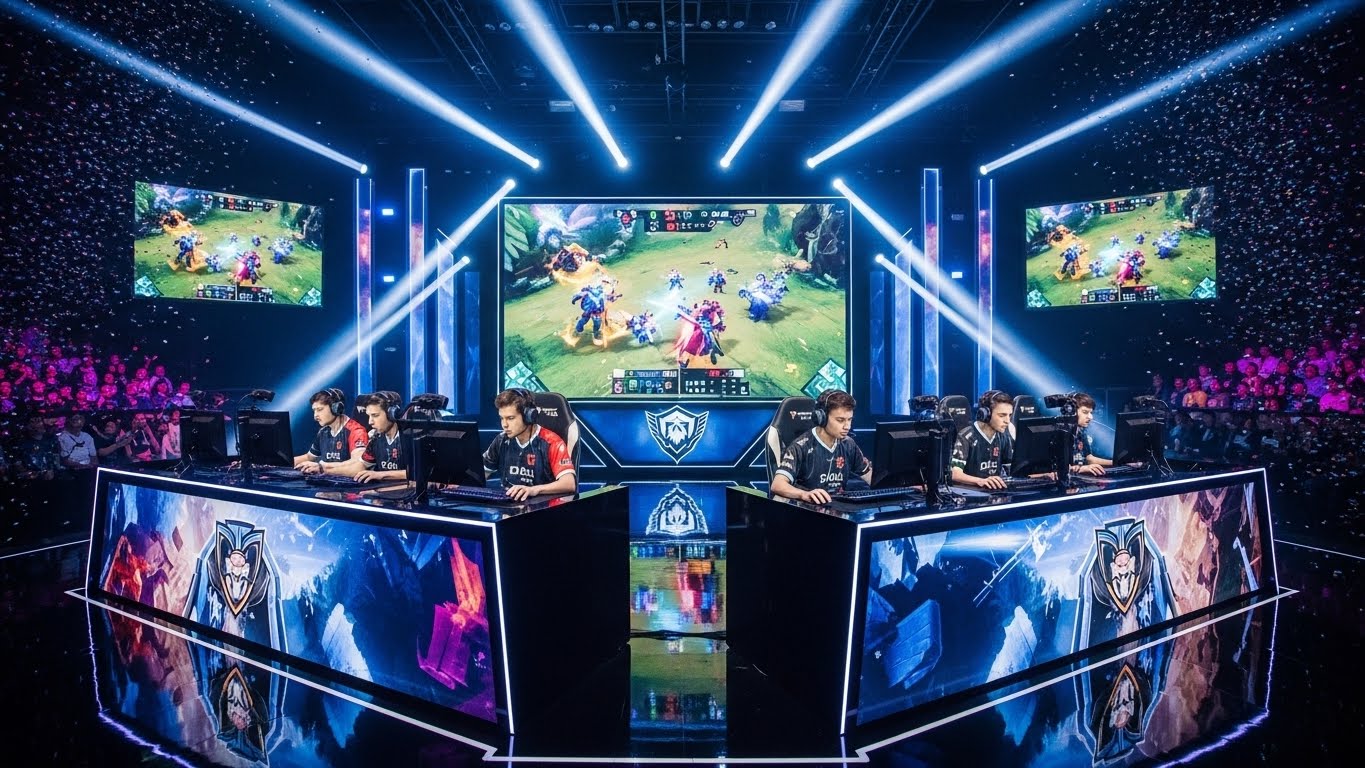
Esports encompasses a wide range of genres, each with its own fanbase and competitive scene. Multiplayer online battle arena (MOBA) games such as League of Legends and Dota 2 are among the most popular. These games require strategy, teamwork, and fast decision-making, making them highly engaging for both players and spectators.
First-person shooters (FPS) like Counter-Strike: Global Offensive and Call of Duty emphasize precision, reflexes, and tactical awareness. FPS tournaments are known for their intense, high-stakes matches, often lasting several hours, and attracting millions of viewers online.
Battle royale games such as Fortnite and PUBG have also made a significant impact on esports. These games combine survival mechanics with competitive gameplay, and their accessible format has drawn a wide audience. Other popular genres include sports simulations, real-time strategy, and fighting games, each offering unique competitive experiences.
Training and Lifestyle of Professional Esports Players
Being a professional esports player requires more than just gaming talent. Players must maintain a strict training regimen, including both in-game practice and physical fitness. Eye strain, repetitive strain injuries, and mental fatigue are common challenges, and top players often work with trainers, nutritionists, and psychologists to stay at peak performance.
The lifestyle of a professional esports player can be intense. Practice sessions often last eight to twelve hours a day, and players travel frequently for tournaments. Despite the pressures, many athletes enjoy significant social recognition and financial rewards, making the lifestyle appealing to competitive gamers worldwide.
Esports also emphasizes teamwork and communication. Unlike solo gaming, professional matches rely on players working together, sharing strategies, and adapting to opponents’ tactics in real time. This collaborative aspect is part of what makes esports both challenging and exciting.
The Role of Technology in Esports
Technology plays a crucial role in the growth and popularity of esports. High-speed internet, powerful gaming hardware, and advanced streaming software enable seamless gameplay and broadcast quality that rivals traditional sports coverage.
Streaming technology has allowed esports to reach global audiences without geographic limitations. Fans from any part of the world can watch tournaments live, interact with commentators, and follow their favorite players in real time. Virtual reality and augmented reality are emerging technologies that could further transform the esports experience, offering immersive gameplay and interactive viewing experiences.
Moreover, data analytics has become an important tool in esports. Teams analyze player performance, strategy patterns, and opponent tendencies to gain a competitive edge. Advanced software tracks hundreds of metrics during matches, allowing coaches and players to make informed decisions and refine their gameplay.
Social and Cultural Impact of Esports
Esports has had a profound social and cultural impact, especially among younger generations. It has helped redefine what it means to be an athlete, challenging traditional notions of physical activity and competition. Competitive gaming has also fostered online communities, connecting people from different countries, backgrounds, and cultures through shared interests.
Esports has influenced pop culture, fashion, and entertainment. Professional players often achieve celebrity status, appearing in commercials, talk shows, and social media campaigns. Gaming merchandise, from team jerseys to collectibles, has become a significant part of fan culture.
The inclusivity of esports is another notable aspect. Unlike many traditional sports, esports allows individuals of various physical abilities to compete on an equal footing. Women, people with disabilities, and players from underrepresented regions have increasingly made their mark in competitive gaming, broadening the diversity and reach of the industry.
Challenges Facing the Esports Industry
Despite its rapid growth, esports faces several challenges. One of the main issues is regulation. Unlike traditional sports, esports lacks a unified governing body, leading to inconsistencies in rules, tournament formats, and player contracts. This can create confusion and make it difficult to ensure fairness across competitions.
Player burnout is another concern. The intense training schedules, frequent travel, and pressure to perform at high levels can lead to mental and physical health issues. Teams and organizations are beginning to recognize the importance of supporting players’ well-being, but industry-wide standards are still developing.
Cheating and doping have also emerged as challenges in competitive gaming. Game developers and tournament organizers continuously work to detect and prevent cheating, but the digital nature of esports makes it a persistent issue. Ethical and legal considerations around sponsorships, content monetization, and broadcasting rights add additional complexity to the industry.
The Future of Esports
The future of esports looks promising. As technology advances, the accessibility and immersive nature of competitive gaming will continue to attract new audiences. Esports could potentially become part of major global sporting events, with discussions already underway about its inclusion in events like the Olympics.
Education and career opportunities related to esports are also expanding. Universities now offer scholarships and degree programs focused on gaming, esports management, and game design. This professionalization of the industry will help ensure long-term sustainability and growth.
Virtual reality, augmented reality, and AI-driven analytics are poised to transform esports further. VR esports could allow players and spectators to experience matches in three-dimensional environments, while AI could help players improve strategies and personalize training regimens.
Esports’ cultural significance is likely to continue growing. As competitive gaming becomes more mainstream, it will influence entertainment, media, and lifestyle trends, creating a lasting impact on global culture.
Conclusion
Esports is more than just a trend; it is a cultural and economic revolution. It has redefined competition, challenged traditional notions of athleticism, and created a vibrant global community. With professional players, massive tournaments, and ever-growing audiences, esports has proven that gaming is more than a hobby—it is a legitimate, dynamic, and evolving form of sport.
As the industry continues to mature, it will face challenges related to regulation, player health, and ethical standards. However, the opportunities for growth, innovation, and social impact are immense. Esports is no longer just the future of gaming—it is shaping the future of entertainment, sports, and global culture.
Whether you are a casual gamer, a professional player, or a spectator, esports offers a unique window into a world where skill, strategy, and creativity meet in a digital arena that knows no borders. The revolution is here, and it is only gaining momentum.