Introduction
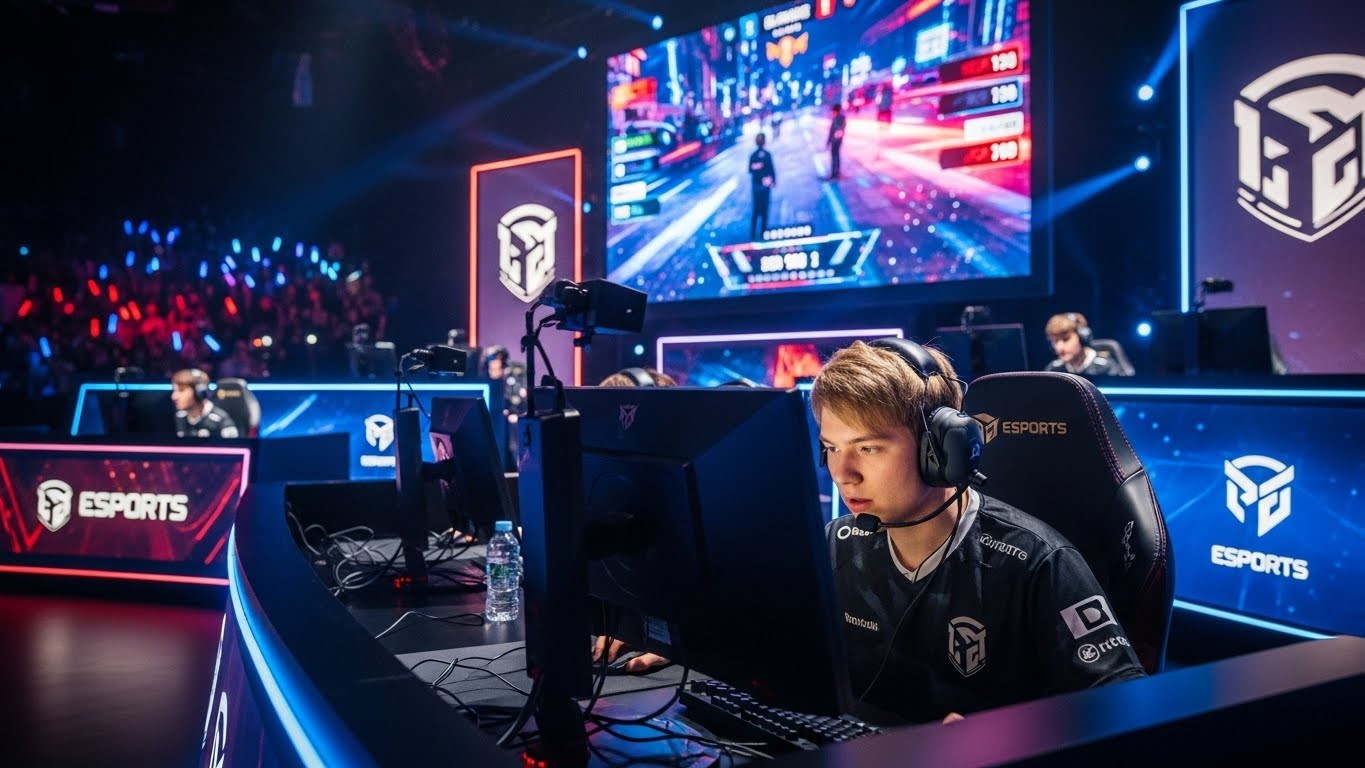
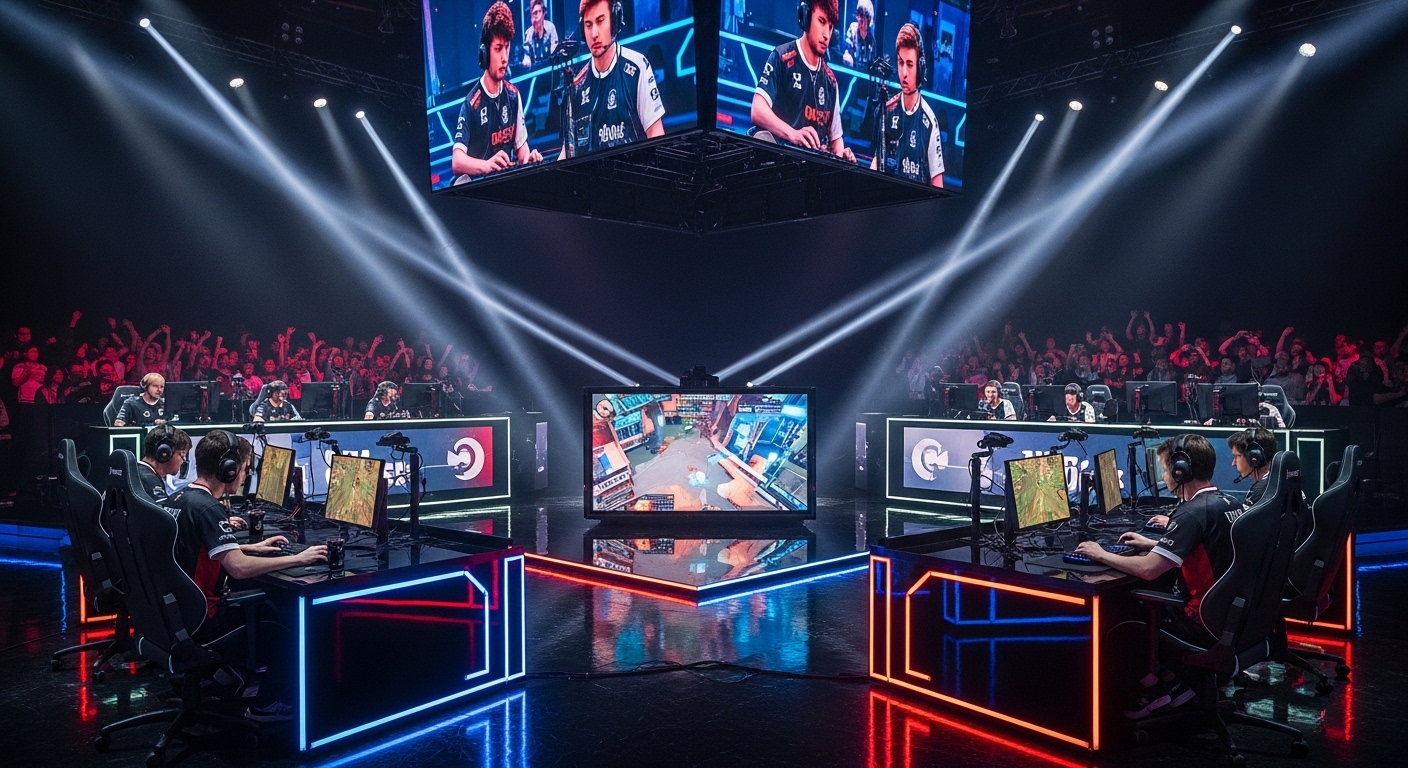
Esports has rapidly evolved from a modest pastime enjoyed by passionate gamers into a massive global industry capturing the attention of millions. What was once a niche community is now a mainstream cultural force, influencing entertainment, technology, sports, and even education. With enormous tournaments, professional players, and fanbases spread across continents, esports has transformed not only how people play games but also how they experience competition. This blog explores the journey, impact, structure, and future of esports in a comprehensive and engaging way.
The Early Roots of Competitive Gaming
Before esports became a global entertainment powerhouse, it began in the most humble environments. Early competitions emerged in the 1970s and 1980s when arcades served as gathering spots for players to challenge one another in classic titles. Games like Space Invaders and Street Fighter created friendly competition while sparking the idea of organized tournaments. However, the concept of esports as a professional field did not exist yet.
The turning point came with the rise of home computers and gaming consoles, followed by local and regional competitions organized by dedicated fan communities. These early gatherings laid the groundwork for what would later become a structured, professionally recognized industry.
The Rise of Online Gaming and Global Connectivity
The explosion of the internet changed everything for competitive gaming. Online multiplayer games connected players worldwide, allowing them to compete without geographic limitations. This connectivity transformed gaming from a local hobby into an international stage where skill could be recognized regardless of location.
Games like Counter-Strike, StarCraft, and Warcraft became pioneers of online competitive gaming. They fostered communities that practiced strategies, developed team dynamics, and dedicated countless hours to mastering mechanics. This era introduced the idea of esports teams, leagues, and long-term player careers.
The Emergence of Professional Esports
As online gaming gained momentum, esports began to shift from casual competition to professional sport. The introduction of sponsored teams, coaches, analysts, and structured training programs brought legitimacy to the field. Players began signing contracts, earning salaries, and competing in tournaments with prize pools worth thousands, eventually millions.
Professional organizations developed training facilities similar to traditional sports academies. These spaces equipped players with high-performance computers, nutrition programs, performance coaching, and mental wellness support. Esports was no longer just about talent; it was becoming a fully organized, demanding profession.
Major Titles That Shaped the Industry
Certain video games played a crucial role in elevating esports to global prominence. Each game brought unique elements that attracted massive fanbases and created thriving competitive scenes.
Games like League of Legends introduced global tournaments with millions of viewers. Dota 2 set records for prize pools, showcasing the financial power of community-backed competitive gaming. Counter-Strike cultivated a following that admired precision, teamwork, and high-level strategy. Meanwhile, Fortnite reinvented esports through its youth-driven audience and innovative gameplay style.
These titles helped create diverse genres within esports, including strategy, first-person shooters, battle royale, and sports simulations, ensuring that there is something for every type of gaming fan.
The Impact of Streaming and Digital Content Creation
The rise of livestreaming platforms transformed esports into a spectator sport. Fans no longer needed to wait for big tournaments; they could watch their favorite players practice, compete, and engage with audiences daily. This direct connection allowed players to build personal brands, attract sponsorships, and develop loyal communities.
Streaming also democratized esports exposure. Amateur players gained recognition, local tournaments reached global audiences, and fans could follow teams from any corner of the world. As a result, esports viewership soared, and live streaming became an essential pillar of the industry.
The Global Audience and Cultural Influence
Esports has attracted a diverse audience that spans cultural borders, languages, and age groups. Competitions draw millions of viewers globally, with fan communities often resembling those of traditional sports teams. Supporters wear team jerseys, attend live events, and follow their favorite players’ careers closely.
Esports has also shaped mainstream culture. Fashion brands release gaming-inspired collections. Music artists collaborate with game developers for promotional events. Even major sporting organizations have begun investing in esports teams. Esports has become a cultural bridge, blending digital entertainment with real-world trends.
Training, Discipline, and the Life of a Professional Player
The life of a professional esports athlete is demanding. Players must maintain high levels of focus, quick reflexes, and deep understanding of in-game strategies. Training hours can rival those of traditional sports, with players practicing six to ten hours a day. They review replays, study opponents, and communicate constantly with teammates to maintain competitive excellence.
Mental and physical health has become a key focus in esports. Teams increasingly provide psychological support, physical training routines, and wellness programs. These elements are essential not only for performance but for preventing burnout, which has been a significant challenge for younger players facing high pressure.
Esports Education and Academic Opportunities
Esports has made its way into educational institutions, offering students opportunities to pursue gaming in structured academic environments. Schools and universities now host esports teams, build arenas, and offer scholarships to talented players. Courses in game design, digital media, and esports management have emerged, preparing students for careers in the rapidly growing industry.
This integration into education demonstrates that esports is more than entertainment. It is a pathway to careers in technology, marketing, event management, coaching, and software development.
Economic Impact and Business Growth
The economic influence of esports is impressive. Revenue streams include sponsorships, advertising, merchandise sales, tournament tickets, digital add-ons, and media rights. Large brands invest heavily to reach gaming audiences, recognizing their loyalty and engagement.
Teams operate as full-scale businesses, with marketing departments, training facilities, and investor support. Esports events generate tourism, fill stadiums, and create job opportunities in hosting cities. As the industry continues to expand, its economic footprint will only grow stronger.
Challenges Facing the Esports Industry
Despite its success, esports faces several challenges. Player burnout, cyberbullying, online harassment, and lack of long-term career stability remain concerns. Regulatory issues, including anti-cheat systems, competitive fairness, and player protection, also require constant improvement.
Another challenge is sustainability. As the industry grows, it must balance commercialization with community integrity. Ensuring that esports remains welcoming, fair, and inclusive is essential for its continued evolution.
The Future of Esports
The future of esports is filled with innovation. Virtual reality and augmented reality may create immersive competitive experiences. Artificial intelligence could introduce new training methods and personalized gameplay. Mobile esports, already huge in several regions, will continue expanding with improvements in device technology.
Esports is also likely to become more interconnected with traditional sports. Cross-industry collaborations, hybrid events, and shared training strategies may reshape how we view both physical and digital competitions. As technology advances, esports will continue pushing boundaries and redefining entertainment.
Esports as a Force of Global Connection
One of the most remarkable aspects of esports is its ability to bring people together. Fans from different cultures, speaking different languages, unite through shared passion for the games they love. Teams represent cities, countries, and communities, creating a sense of belonging and identity.
Esports fosters friendship, teamwork, and communication. It allows players to collaborate across borders and encourages audiences to embrace diversity. In a world often divided by differences, esports stands as a reminder that digital spaces can create meaningful connections.
Conclusion
Esports has undoubtedly changed the landscape of modern entertainment and competition. From its humble beginnings to its thriving global presence, it has proven that skill, strategy, and passion can flourish in the digital arena just as much as in traditional sports. Esports represents innovation, connection, and the limitless potential of human creativity.
As the industry continues to grow, it will keep influencing technology, culture, education, and global entertainment. Whether you are a dedicated fan, a curious newcomer, or someone inspired by the digital age, esports offers a world of excitement, opportunity, and unforgettable moments that will shape the future for years to come.