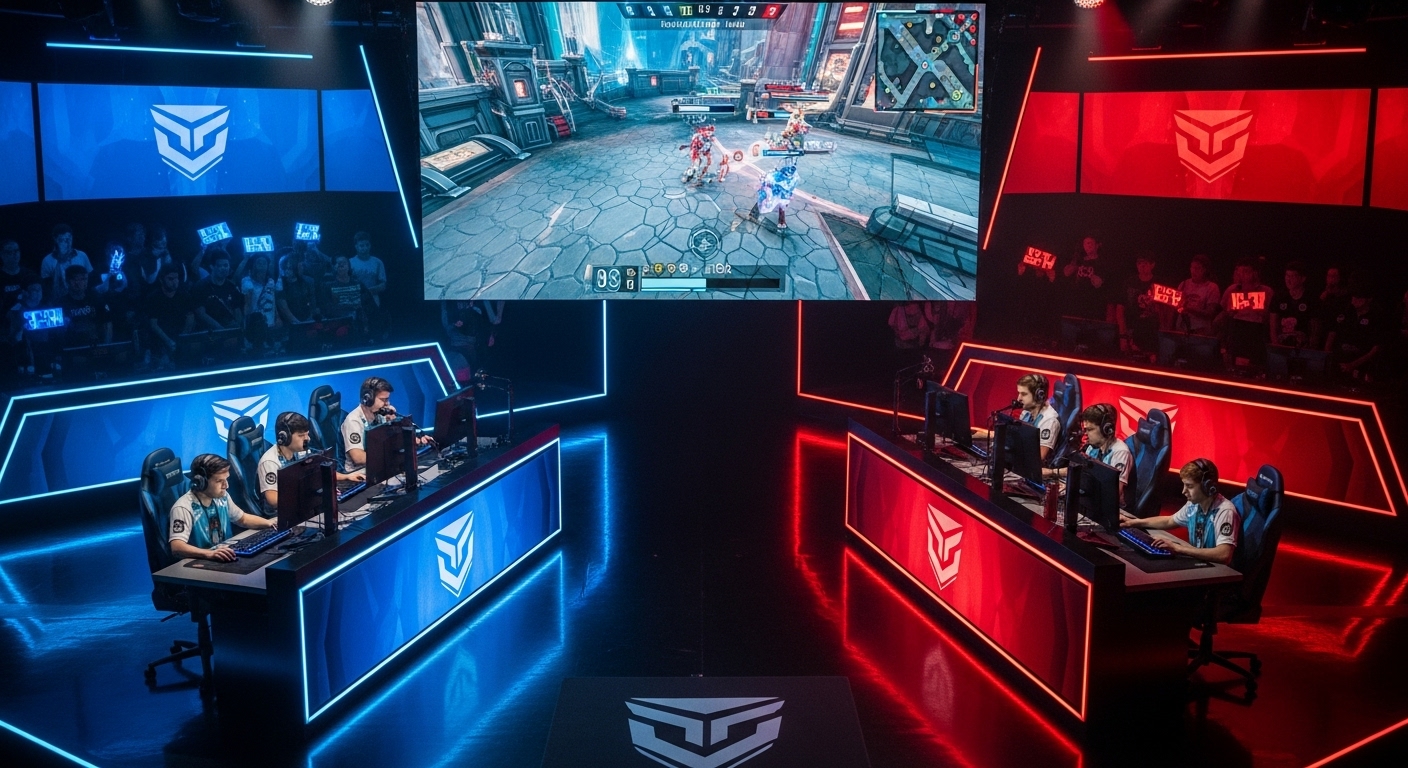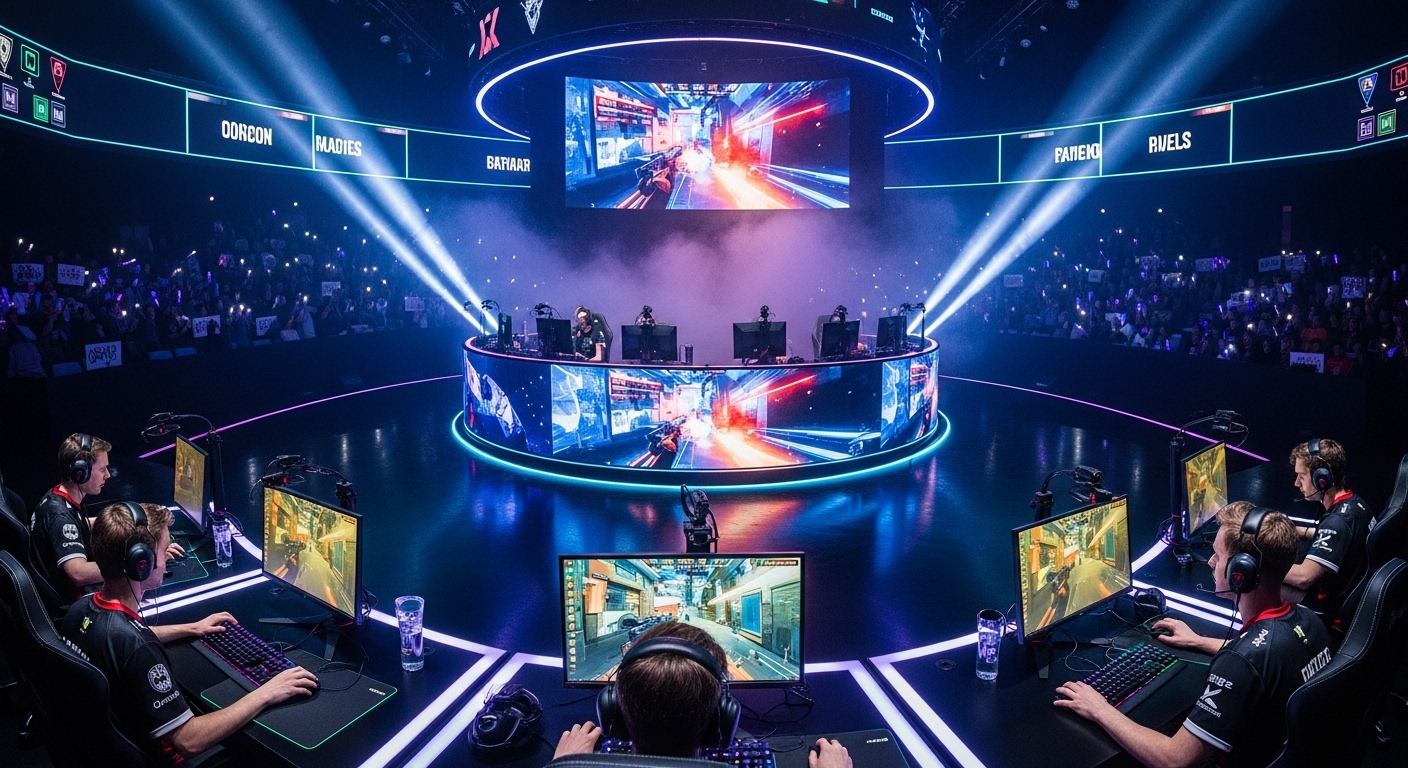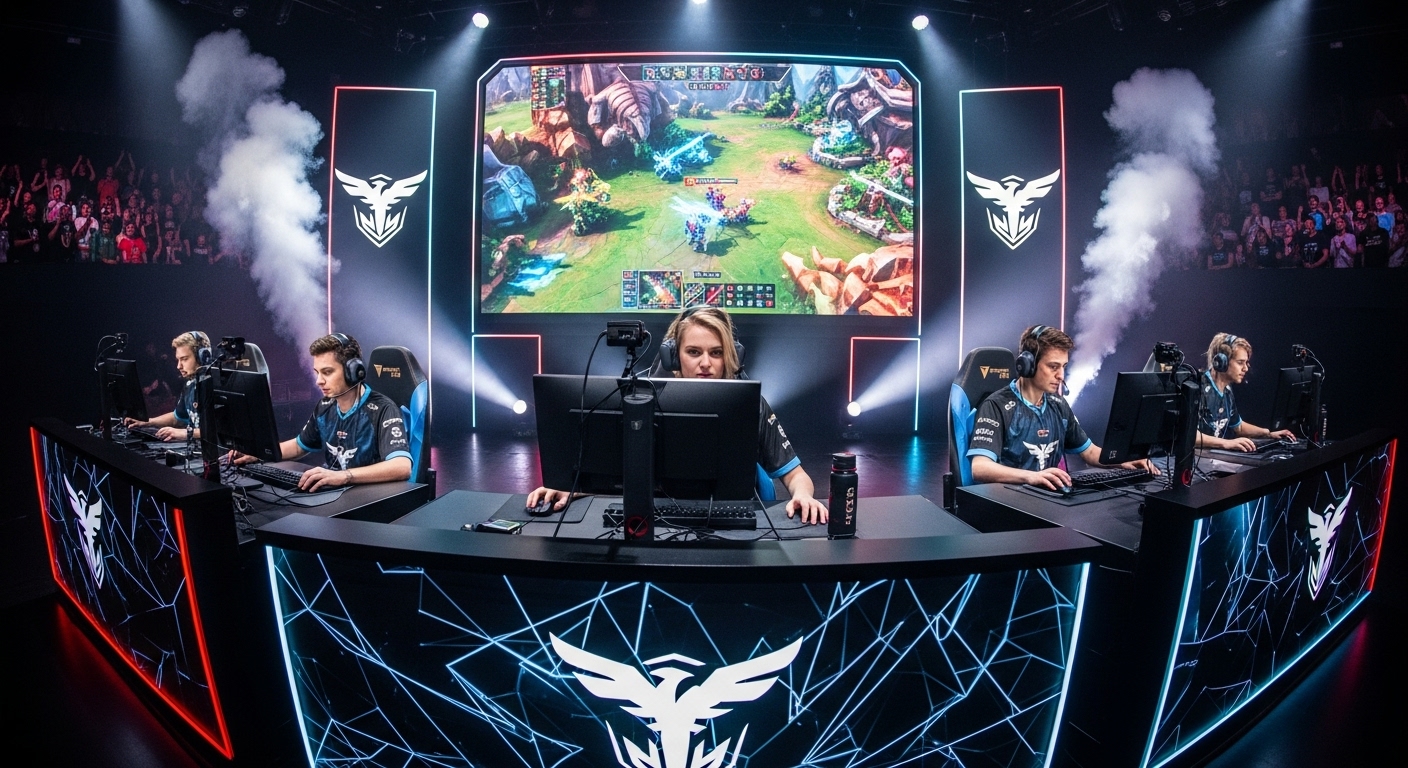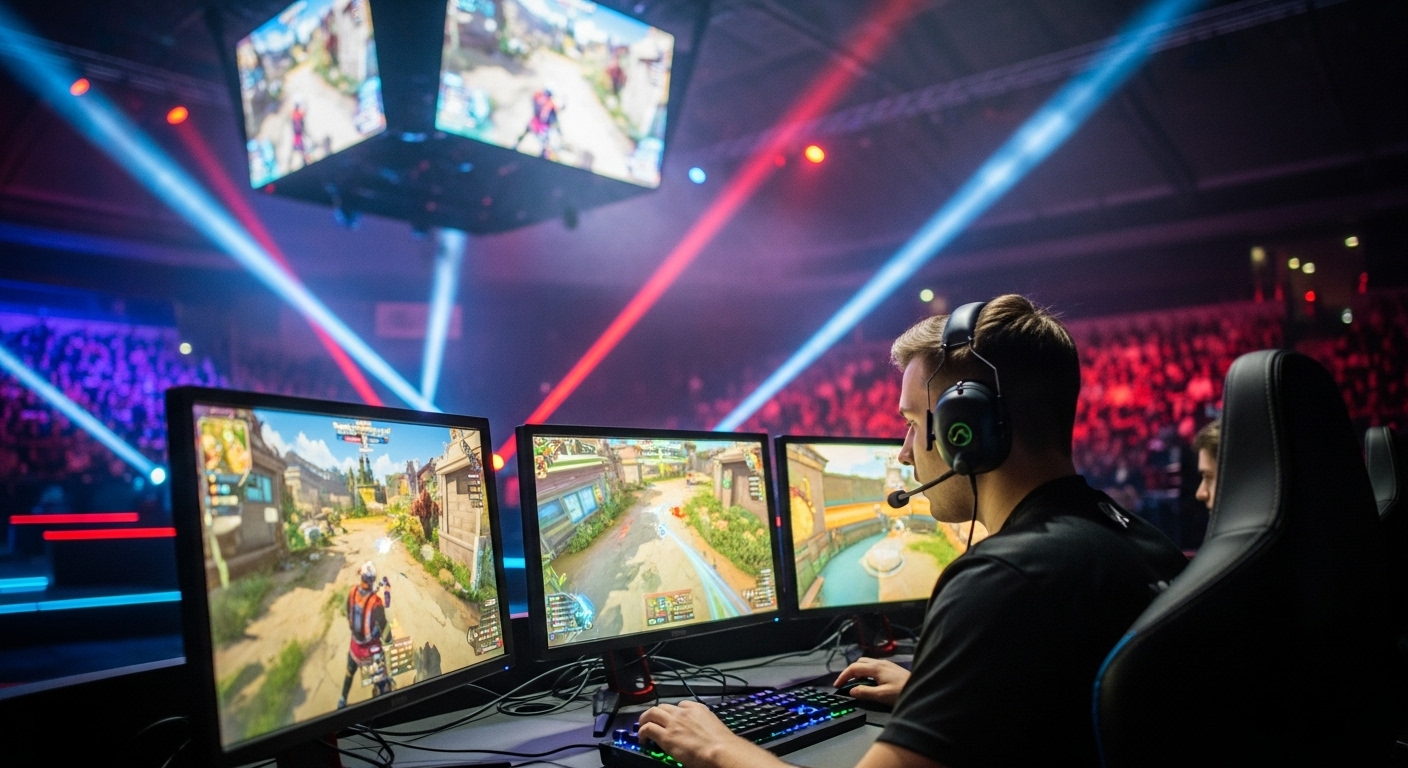
In the world of competitive gaming, the difference between victory and defeat is often measured in milliseconds, decision-making, and mental sharpness. Esports athletes, just like traditional sports players, are continuously refining their skills, honing their reflexes, and optimizing their physical and mental health to perform at their best. What sets esports apart from casual gaming is the level of dedication and the structured training routines that top-level competitors follow to stay ahead of the competition.
If you’re serious about making it to the top of the esports world, whether you’re aiming to compete in games like League of Legends, Valorant, Fortnite, or CS:GO, having a solid training routine is crucial. In this post, we’ll dive into the essential training routines that esports professionals swear by. These routines encompass everything from physical fitness and mental conditioning to in-game practice and strategy development.
1. Physical Conditioning: The Foundation for Mental Sharpness
Why it matters: Physical fitness plays a crucial role in mental clarity and reaction time.
While esports may seem like a purely mental pursuit, physical conditioning is a key component of a successful training routine. Many top-tier esports players engage in physical workouts to boost their overall health, reduce the risk of injury, and improve their stamina for long gaming sessions.
Esports professionals often sit for extended periods, which can lead to issues like poor posture, back pain, and wrist injuries. Regular exercise helps counteract these risks, improving posture, flexibility, and blood circulation, all of which contribute to better focus and reaction times.
The physical routine of an esports player should include:
- Cardio exercises (such as running, cycling, or swimming) to increase stamina and endurance.
- Strength training (focusing on core, arms, and shoulders) to reduce the risk of injuries and improve overall posture.
- Stretching and mobility drills to maintain flexibility and prevent repetitive strain injuries like carpal tunnel syndrome or tendinitis.
- Eye exercises to reduce eye strain from prolonged screen exposure and improve focus.
By incorporating these physical components into their training, esports athletes ensure they have the endurance to play at their best, especially during high-stakes tournaments where matches can last for hours.
2. In-Game Practice: Building Skill through Repetition
Why it matters: Repetition and focused practice are essential for improving mechanical skills and game knowledge.
Esports requires exceptional reflexes, decision-making abilities, and precise mechanics. In-game practice is where gamers refine these skills. A standard training session often involves both solo practice and team-oriented drills, with a heavy emphasis on repetition.
For games like League of Legends, players focus on mechanics like last hitting, map awareness, and champion-specific combos. In CS:GO or Valorant, players spend hours improving their aim, crosshair placement, and reaction times. Here are the key components of in-game practice:
- Warm-ups: Many esports athletes start with basic drills such as aiming practice, reflex training, or simple skirmishes to get their hands moving and their minds focused. Warm-ups can be done on specialized training maps or in custom lobbies that help simulate real-game scenarios.
- Mechanical skill practice: Repetitive tasks like last hitting in League of Legends, recoil control in CS:GO, or flick shots in Apex Legends are crucial. Players dedicate time to these tasks until they become second nature.
- Strategy sessions: Especially in team-based games, players work on strategies, map awareness, and communication. Reviewing gameplay footage, analyzing mistakes, and discussing potential improvements are essential practices.
- Custom lobbies and bots: Many players utilize bots and custom lobbies to work on specific mechanics like aiming, timing, or map navigation. For instance, a CS:GO player might run drills in a shooting range or a Fortnite player may practice building techniques in custom creative modes.
Repetition is the key. The more time spent in focused practice, the more efficient the player becomes, translating directly into better in-game performance.
3. Mental Conditioning: Strengthening Focus and Resilience
Why it matters: Mental fortitude is just as critical as physical skills in esports.
Esports is as much about mental strength as it is about physical skill. Players need to stay calm under pressure, make quick decisions, and handle the stress of tournaments and high-stakes matches. This is where mental conditioning comes into play.
Top esports athletes practice mental skills regularly to boost focus, improve decision-making, and enhance emotional control. These are a few key mental conditioning techniques:
- Visualization: Many professional gamers use visualization techniques to prepare for high-pressure moments. They imagine themselves playing in tournament environments, making perfect moves, and responding effectively to in-game challenges. This practice helps boost confidence and reduces anxiety during critical moments.
- Meditation and mindfulness: To improve focus, clarity, and emotional regulation, many gamers practice meditation or mindfulness exercises. These techniques help manage stress and keep players calm during intense situations. Regular meditation can also improve reaction times by teaching players to stay centered and avoid panic during fast-paced sequences.
- Cognitive exercises: Training your brain with cognitive exercises, such as puzzles or reaction time games, can sharpen decision-making skills. Players often use apps or games designed to enhance cognitive abilities like memory, reaction speed, and attention.
- Dealing with tilt: “Tilt,” or frustration, is a common issue in esports. Players who allow their emotions to cloud their judgment can perform poorly. Professional gamers develop mental resilience to stay calm, focus on the next play, and not dwell on mistakes. They often work with sports psychologists to develop strategies for dealing with tilt.
By incorporating mental conditioning into their routines, gamers improve their ability to perform consistently, especially under pressure, which is often the difference between a good player and a great one.
4. Team Training: Communication and Coordination
Why it matters: Communication and teamwork are vital in multiplayer games.
In team-based esports, individual skill can only go so far. For many players, developing communication and teamwork is just as important as improving mechanical skills. A well-coordinated team can outplay a group of individually skilled players, and communication is the key to achieving this.
The best esports teams spend hours practicing together, focusing on team synergy and refining strategies. Team training typically includes:
- Scrims (practice matches): These practice matches are crucial for improving communication, understanding team strategies, and analyzing how to execute in real game situations. Scrims help teams practice specific team compositions, rotations, and synergy, which are vital for success in high-level tournaments.
- Review sessions: After scrims or competitive matches, teams review footage to analyze what went right and what went wrong. In-depth analysis of gameplay helps teams identify mistakes, strategize improvements, and optimize their approach.
- Role-specific practice: In team-based games like League of Legends or Dota 2, players often practice their roles and responsibilities within the team. They hone their specific tasks while ensuring the whole team’s strategies align. This focused practice helps each player understand their contribution to the team’s overall success.
- Communication drills: To ensure smooth in-game communication, teams practice concise and effective calls. Strong communication is key in fast-paced situations where every second counts.
Effective teamwork can make or break a game, so many esports players dedicate significant time to building chemistry and trust with their teammates.
5. Rest and Recovery: The Importance of Downtime
Why it matters: Physical and mental recovery is essential for long-term performance.
Esports training is intense, and players spend hours a day practicing, strategizing, and competing. However, it’s equally important to incorporate rest and recovery into the training routine. Without proper downtime, players risk burnout, injuries, and mental fatigue.
Top esports athletes understand the value of rest and prioritize activities like:
- Sleep: Getting enough rest is crucial for reaction times, memory retention, and overall performance. Players should aim for 7-9 hours of sleep each night to allow the brain and body to recover fully.
- Active recovery: Light activities like walking, yoga, or swimming can help improve blood circulation and prevent muscle stiffness. These activities reduce physical strain and promote overall well-being.
- Mental downtime: Just like physical rest, mental rest is equally important. Taking breaks from intense gameplay, engaging in hobbies, or socializing with friends outside of gaming helps recharge the mind and prevent burnout.
A well-rested player is a sharper player, capable of performing at their peak during crucial moments in competitive play.
Conclusion: The Path to Esports Greatness
Achieving success in esports requires dedication, discipline, and a well-rounded training routine. Whether you’re an aspiring pro or an experienced player aiming to improve, incorporating physical conditioning, in-game practice, mental training, team synergy, and recovery into your daily regimen will unlock your full potential.
Top esports athletes don’t just rely on talent—they follow structured routines that help them stay at the top of their game. By dedicating yourself to a balanced training routine, you can push your limits and achieve the level of performance required to compete at the highest level. The road to esports greatness is demanding, but with the right training, it’s entirely within reach.