Introduction
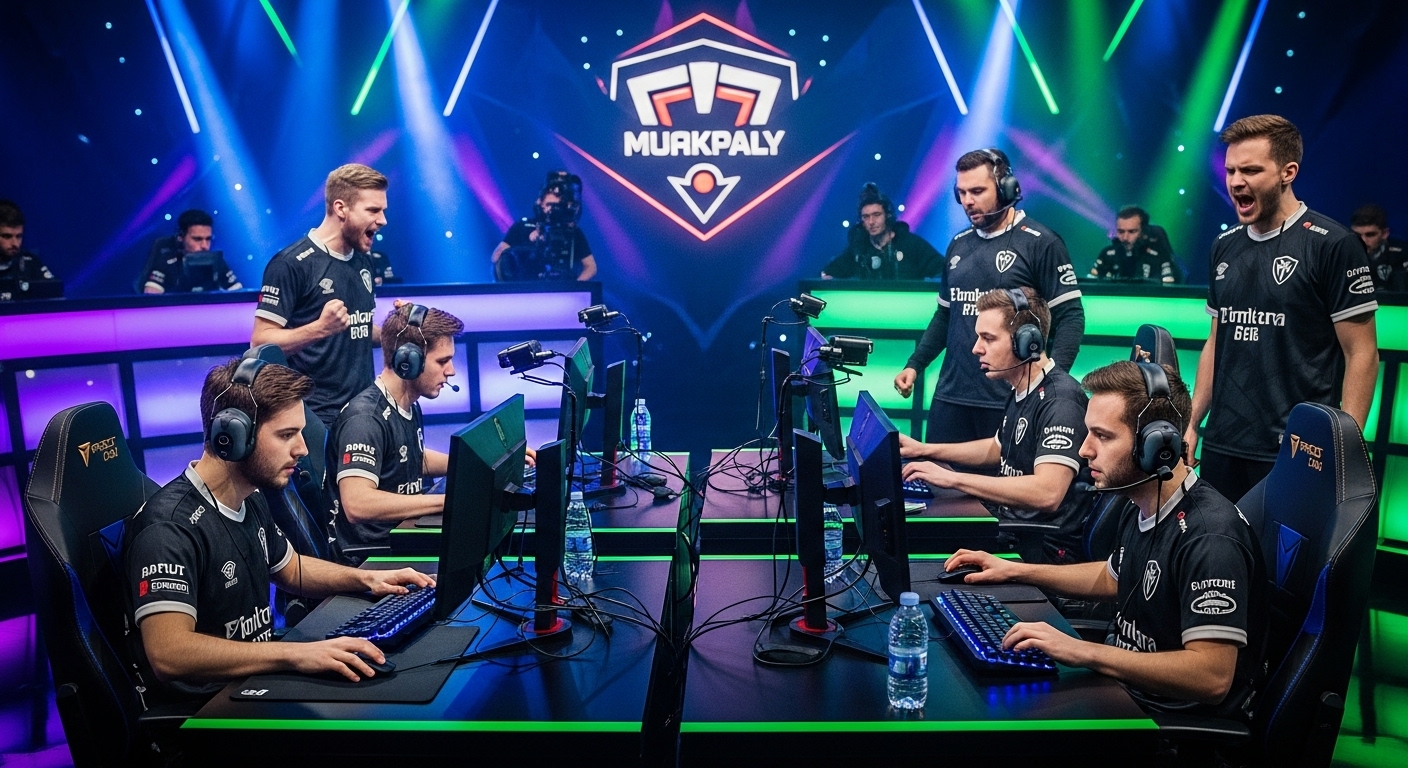
Over the past two decades, esports has transformed from small-scale LAN parties and internet café tournaments into a global phenomenon. What was once considered a niche pastime for dedicated gamers has now become one of the most exciting and profitable entertainment industries in the world. Esports is no longer just about playing video games for fun; it’s a structured, competitive, and highly professional ecosystem that attracts millions of fans, lucrative sponsorships, and mainstream recognition.
This evolution has been remarkable. From titles like StarCraft and Counter-Strike in the early 2000s to modern giants such as League of Legends, Dota 2, Valorant, and Fortnite, esports has grown into a cultural powerhouse. The rise of streaming platforms, technological innovation, and global audience engagement has further propelled it into the spotlight. Today, esports is not just a form of entertainment—it’s a legitimate sport, a career path, and a cultural movement shaping the future of digital entertainment.
The Origins of Esports
The story of esports dates back to the early days of video gaming. The first official gaming competition took place in 1972 at Stanford University, where students competed in a game called Spacewar. The prize? A year’s subscription to a magazine. It sounds humble by today’s standards, but it was the beginning of something revolutionary.
The 1980s brought arcade competitions like the Space Invaders Championship, which attracted thousands of players across the United States. Then came the rise of home consoles and PC gaming, making competitive gaming more accessible to a wider audience.
By the 1990s, titles such as Doom and Quake began shaping multiplayer experiences, while StarCraft and Counter-Strike introduced strategy and teamwork to the forefront of competition. South Korea played a critical role during this period, pioneering professional gaming leagues, television broadcasts, and team sponsorships. The Korean esports infrastructure laid the foundation for the global expansion we see today.
The Early 2000s: Building the Foundation
The early 2000s marked the true beginning of structured esports. Games like Warcraft III, Halo, and Counter-Strike 1.6 became staples of competitive gaming. LAN tournaments were booming, and players started gaining recognition beyond local communities. Organizations like the Cyberathlete Professional League (CPL) and Major League Gaming (MLG) began forming, establishing standardized rules, prize pools, and sponsorship systems.
This era also saw the birth of esports celebrities—players who were recognized internationally for their skills and personalities. Fans began following teams, attending live events, and engaging in early online forums to discuss match results. Although the technology and infrastructure were still developing, the community’s passion was undeniable.
The Streaming Revolution
The turning point for esports came with the rise of streaming platforms in the late 2000s and early 2010s. The ability to watch live matches from anywhere in the world changed everything. Platforms like Twitch, YouTube, and later Facebook Gaming and Kick, made it possible for fans to engage directly with their favorite players and teams.
Live streaming turned esports into a spectator sport, much like traditional sports. Viewers could follow every play, every clutch move, and every dramatic victory as it happened. Personalities like Ninja, Shroud, Faker, and s1mple became household names, not just within gaming circles but in mainstream culture.
Streaming also opened the door for casual players to become part of the community. It blurred the line between fan and participant. Anyone could start broadcasting their gameplay, building a following, and even earning a living through donations, sponsorships, and ad revenue.
The Explosion of Competitive Titles
Esports is not defined by a single game but by a wide array of genres and titles. Each game brings its own community, strategy, and competitive scene.
- MOBA Games: League of Legends and Dota 2 dominate this category. These games require teamwork, strategy, and lightning-fast decision-making. Their tournaments, such as The International and Worlds Championship, offer some of the largest prize pools in the world.
- FPS Games: Shooters like Counter-Strike 2, Valorant, and Overwatch have cultivated massive global audiences. They combine mechanical precision with tactical coordination, making them both thrilling to play and watch.
- Battle Royale: Games like Fortnite and PUBG brought a fresh dynamic to esports, blending survival elements with massive-scale competition. Fortnite in particular became a cultural sensation, with events attracting millions of live viewers.
- Sports Simulations: Titles like FIFA, NBA 2K, and Rocket League have merged the virtual and physical sports worlds, drawing fans from both sides.
- Fighting Games: The Street Fighter and Tekken communities, among others, continue to keep the genre alive, with tournaments such as EVO serving as legendary stages for one-on-one battles.
Esports as a Career
Gone are the days when gaming was dismissed as a waste of time. Today, esports offers legitimate career paths for players, coaches, commentators, analysts, event organizers, and even psychologists specializing in player performance.
Professional players can earn significant income through tournament winnings, sponsorships, streaming, and brand deals. Some of the world’s top players have net worths rivaling athletes in traditional sports. However, like all professional sports, the life of an esports athlete comes with challenges—intense practice schedules, mental strain, and short career spans due to the high demand for precision and reflexes.
Beyond the players, an entire industry has emerged around esports. There are production crews managing broadcasts, marketing professionals handling team brands, and journalists covering the scene with the same rigor as traditional sports media. Esports organizations function much like football clubs, complete with management, scouting, and fan engagement strategies.
The Role of Technology
Technology has been the beating heart of esports’ success. High-speed internet, powerful gaming PCs, and advanced graphics have made competitive gaming more immersive and accessible than ever.
Virtual reality (VR) and augmented reality (AR) are starting to make their way into the scene, promising a new wave of interactive experiences. Cloud gaming services have also reduced hardware barriers, allowing more players from around the world to compete without needing expensive setups.
Moreover, the use of data analytics and AI in esports is growing rapidly. Teams now analyze massive datasets to study opponents’ strategies, optimize training routines, and make split-second tactical decisions during matches.
The Globalization of Esports
Esports is one of the few forms of entertainment that transcends cultural and linguistic boundaries. Fans from different continents come together to cheer for their favorite teams, united by a shared passion for gaming.
Asia remains the epicenter of esports, with South Korea, China, and Japan leading in infrastructure and talent development. Europe has strong scenes in titles like Counter-Strike and FIFA, while North America has emerged as a powerhouse in Valorant and Call of Duty. Meanwhile, emerging markets like South America, Africa, and the Middle East are rapidly building their own esports ecosystems.
Governments are also recognizing esports’ potential. Countries like South Korea and China treat esports as a national industry, offering support and funding for events and training programs. Some universities now offer esports scholarships, acknowledging it as a viable academic and career pursuit.
The Business of Esports
Behind the players and the games lies a massive economic engine. Sponsorships, advertising, media rights, and merchandise drive billions of dollars in revenue annually. Major brands from industries such as tech, fashion, automotive, and energy are investing heavily in esports to reach younger audiences.
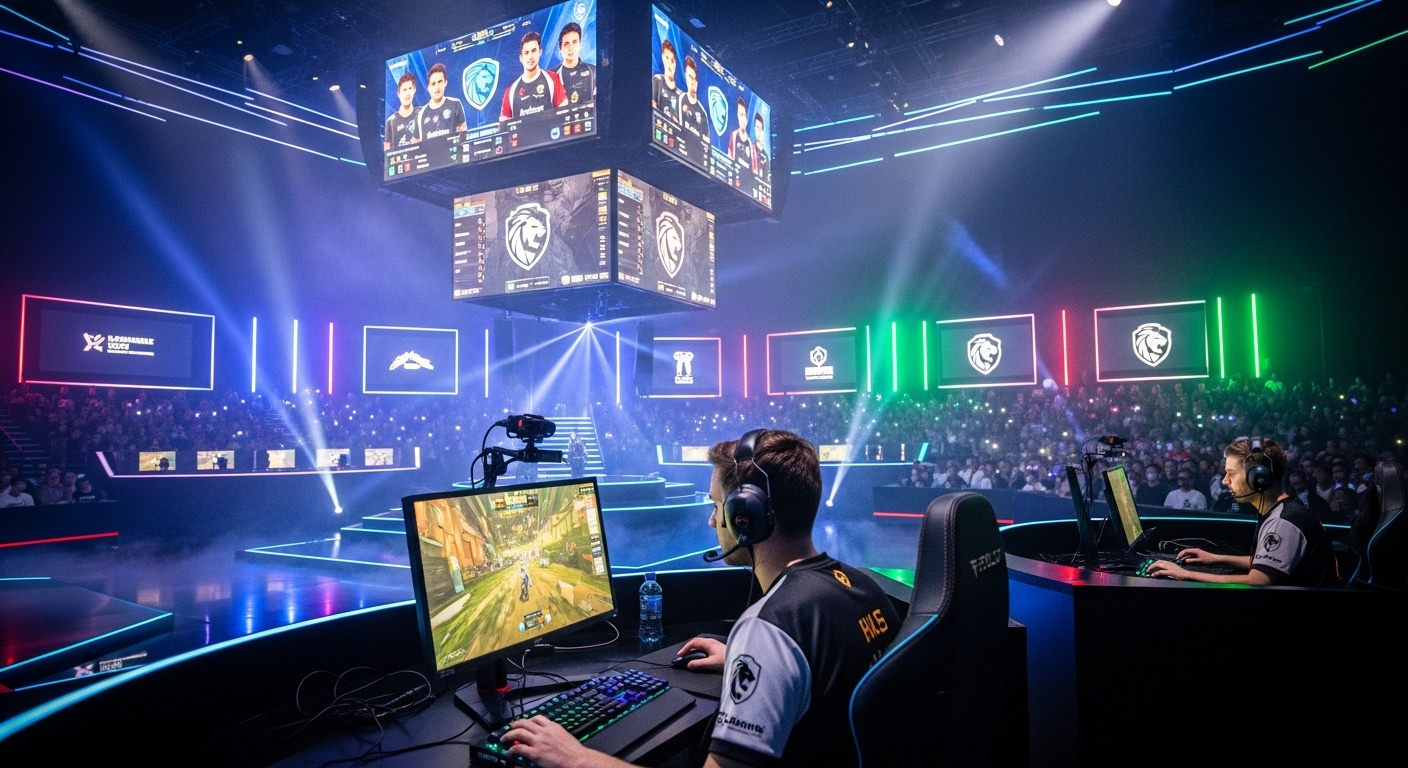
Esports tournaments attract crowds comparable to major sports events. Venues like Madison Square Garden and the Staples Center have hosted finals, while global events draw online viewership in the tens of millions. The ecosystem continues to evolve with franchised leagues, player unions, and even fantasy esports platforms emerging to engage fans in new ways.
The Impact of Esports on Culture
Esports has done more than change gaming—it has influenced pop culture, fashion, music, and entertainment as a whole. Collaborations between esports teams and famous brands are common, creating streetwear collections, music videos, and cinematic trailers that rival Hollywood productions.
Musicians perform at esports events, celebrities invest in teams, and Hollywood actors stream games to connect with fans. Gaming language and memes have permeated mainstream conversation, and esports champions are now seen as legitimate athletes.
Esports has also inspired new forms of storytelling. Documentaries, anime series, and films now explore the emotional and human side of competitive gaming—the sacrifices, friendships, and rivalries that define it.
Challenges Facing the Industry
Despite its success, esports faces challenges that must be addressed for sustainable growth. Issues such as player burnout, inconsistent regulations, and the lack of long-term financial stability for smaller organizations remain significant hurdles.
Toxicity in online communities and the need for better diversity and inclusivity are ongoing discussions within the esports world. As the audience grows, so does the responsibility to foster a healthy, respectful environment for all participants.
Additionally, while major tournaments attract huge investments, grassroots development often lacks funding. Building pathways for amateur players to reach the professional level is crucial to ensure the industry continues to thrive.
The Future of Esports
Looking ahead, esports shows no sign of slowing down. Its integration with emerging technologies, expanding global reach, and continued mainstream acceptance suggest a future where competitive gaming stands alongside traditional sports in prestige and influence.
The introduction of new genres, cross-platform capabilities, and mobile esports will further diversify the scene. Mobile titles like PUBG Mobile and Mobile Legends already boast massive player bases, especially in developing regions.
Virtual arenas and the metaverse could redefine how fans experience matches, offering fully immersive spectator modes. Esports education and training institutions are on the rise, nurturing the next generation of professional players, developers, and managers.
Conclusion
Esports is more than just a trend—it’s a revolution in how people connect, compete, and consume entertainment. What started as a hobby for a handful of gamers has become a global spectacle that bridges technology, culture, and community.
It has redefined what it means to be an athlete, what it means to be a fan, and what it means to share passion in the digital age. From crowded stadiums filled with cheering fans to millions watching online, esports stands as a testament to the power of human creativity and competition.
As we move deeper into the digital era, esports will continue shaping the landscape of entertainment, offering endless opportunities for innovation, expression, and connection. The game has only just begun, and the future of esports promises to be as thrilling and unpredictable as the matches themselves.