Introduction
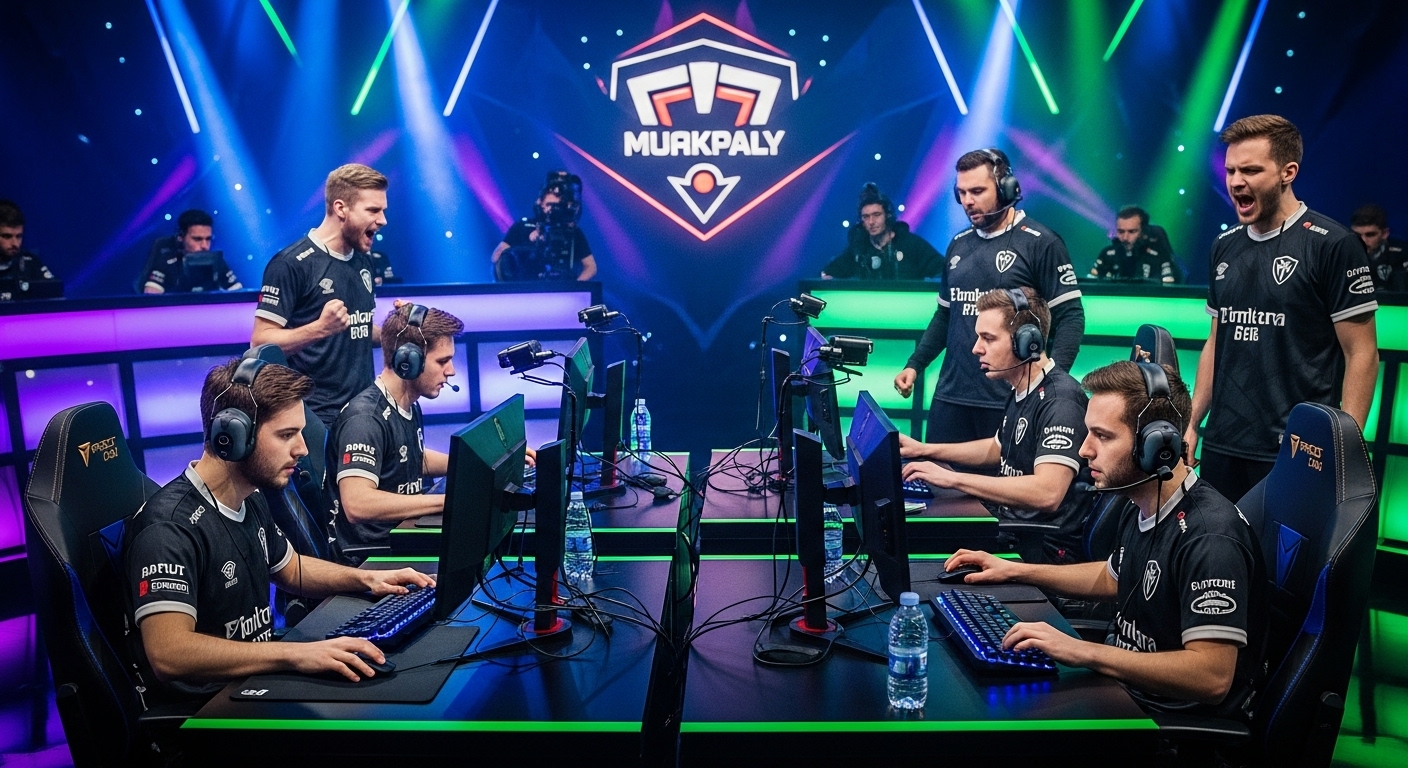
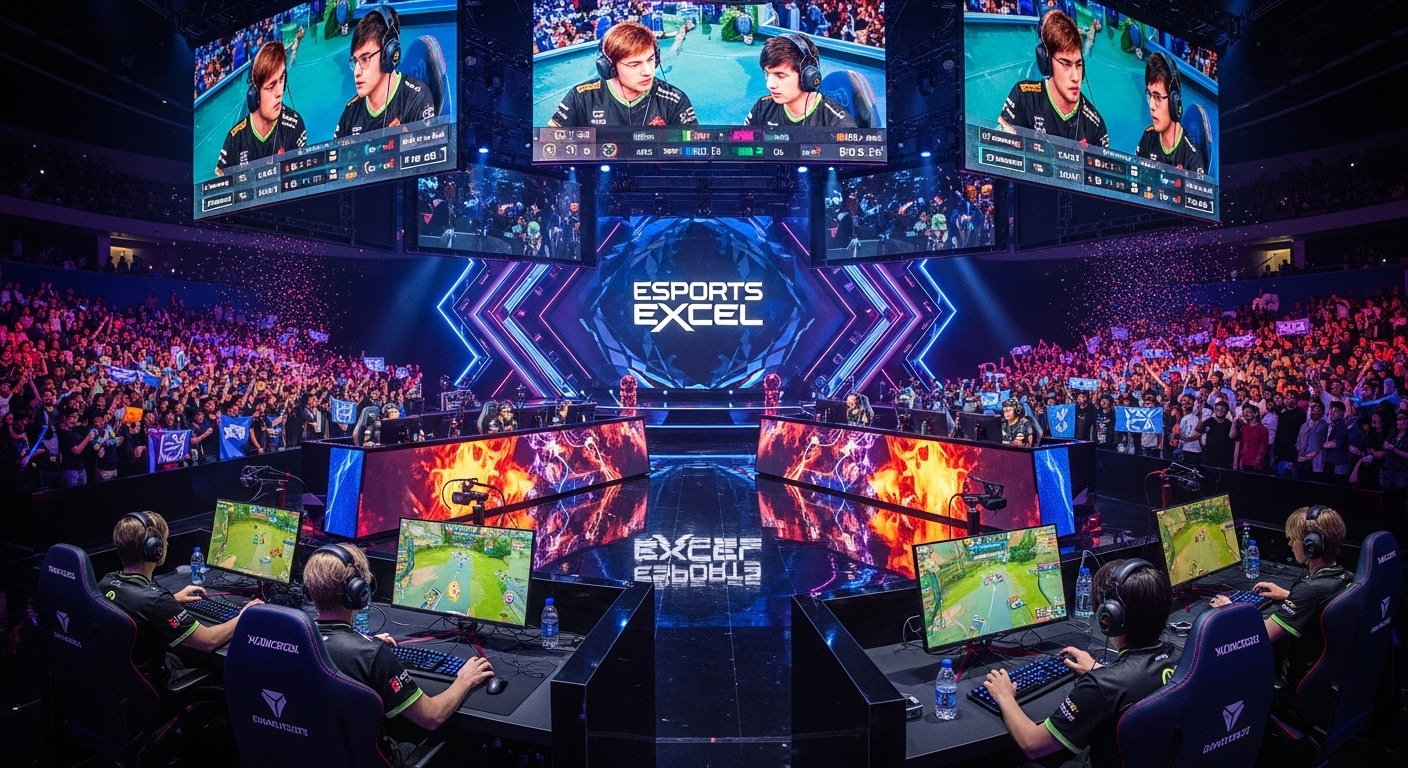
eSports, or electronic sports, has grown from a niche hobby into a global phenomenon. Competitive gaming now attracts millions of players and fans worldwide, combining the thrill of traditional sports with the innovation of digital technology. eSports tournaments showcase skill, strategy, and teamwork, proving that video games are more than just entertainment—they are a serious competitive arena.
The Rise of eSports
The evolution of eSports has been rapid. What started as small gaming competitions has grown into professional leagues with massive audiences and significant prize pools. Games like League of Legends, Dota 2, and Counter-Strike have become household names in the gaming community. The rise of streaming platforms has also allowed fans to watch live matches, creating a global audience that continues to expand every year.
Skills and Benefits of eSports
eSports is not only about quick reflexes—it demands strategy, critical thinking, and teamwork. Players must analyze opponents, make rapid decisions, and communicate effectively with teammates. These skills enhance cognitive abilities, problem-solving, and leadership qualities. Competitive gaming also promotes discipline and focus, as professional players train for hours to master their craft.
The Social Impact of eSports
eSports has created a strong sense of community. Online platforms, tournaments, and fan events connect players and enthusiasts worldwide. Gamers share strategies, form teams, and develop friendships across borders. eSports also provides a sense of identity and belonging, as fans support teams and players with dedication similar to traditional sports fandom.
Challenges in eSports
Despite its growth, eSports faces challenges. Intense competition and long hours of gameplay can affect physical and mental health. Online toxicity and negative behavior can create an unsafe environment for players. Additionally, ensuring fair play and regulating professional leagues are ongoing concerns. Balancing training, rest, and responsible gameplay is essential for both aspiring and professional players.
The Future of eSports
The future of eSports is bright and full of innovation. Virtual reality, augmented reality, and AI-driven games are enhancing the competitive experience. With increasing recognition as a legitimate sport, eSports continues to attract investment, sponsorships, and educational opportunities. The global audience is expected to grow further, making eSports a mainstream form of entertainment and competition.
Conclusion
eSports is more than just gaming—it is a platform for skill, strategy, and global connection. It challenges the mind, builds teamwork, and entertains millions around the world. With responsible play and continued innovation, eSports will continue to redefine competition in the digital age, proving that the arena of gaming is as thrilling and impactful as any traditional sport.