Esports has come a long way from its humble beginnings as casual competitions between gamers. Today, it has transformed into a multi-billion-dollar industry with a dedicated fanbase, high-profile tournaments, and a growing presence in mainstream media. Whether you’re a player, a fan, or just an observer, the world of esports has become impossible to ignore. But how did this phenomenon come to be, and where is it headed?
The Evolution of Esports
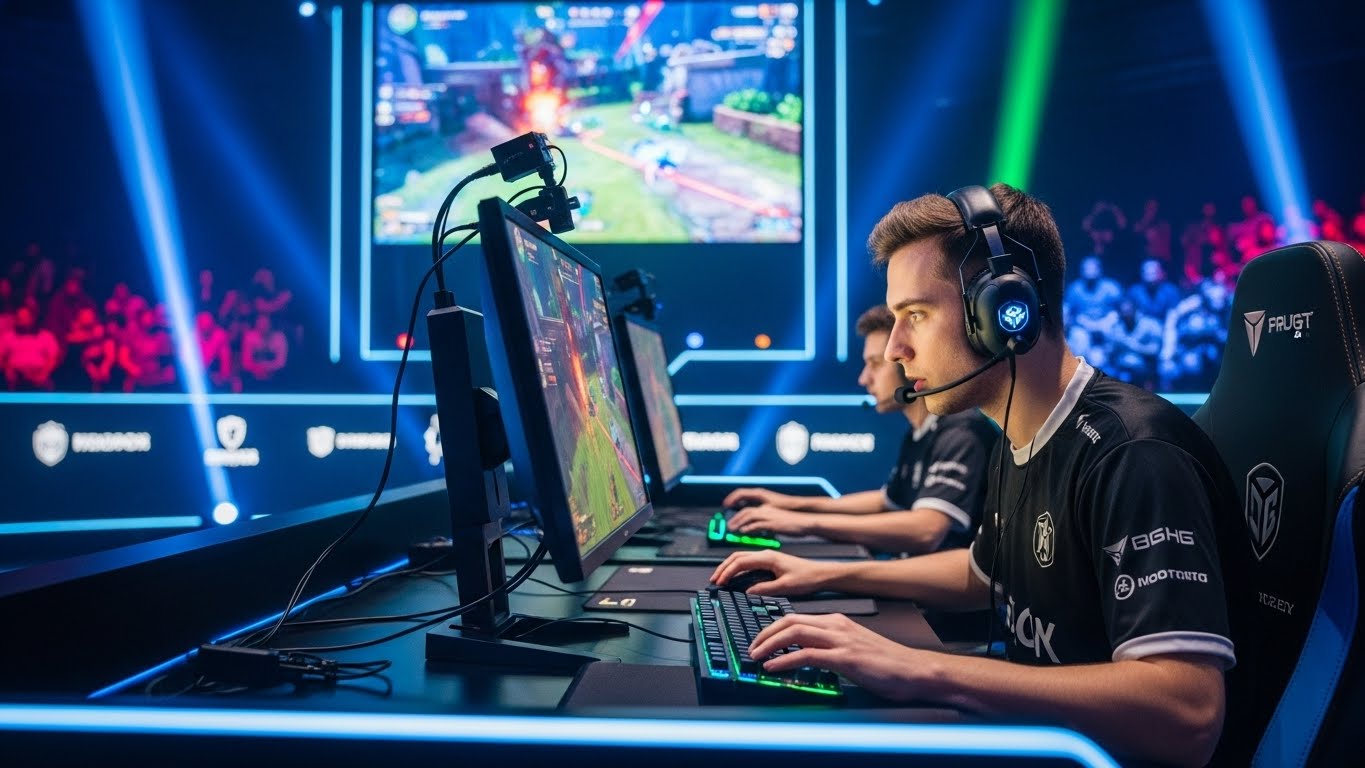
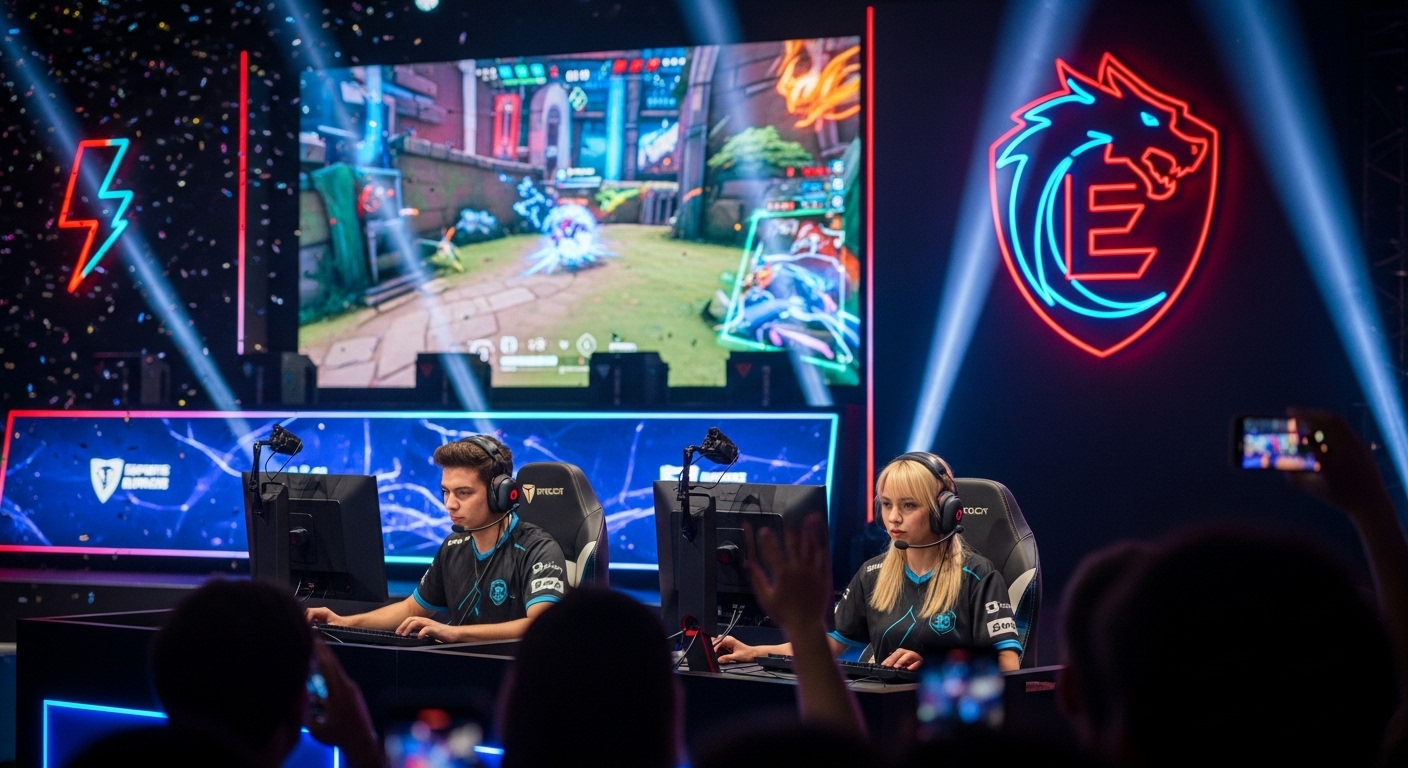
Esports, or electronic sports, refers to competitive video gaming, where players compete in organized tournaments, often for cash prizes, sponsorships, and titles. In the early days, esports were mainly confined to LAN (Local Area Network) parties or small-scale competitions, but with the advent of high-speed internet and the rise of streaming platforms like Twitch, esports exploded into the global phenomenon it is today.
In the early 2000s, games like “StarCraft” and “Counter-Strike” were some of the first to feature large-scale competitive play. Esports events such as the “World Cyber Games” and “Electronic Sports World Cup” brought competitive gaming to international audiences. But it wasn’t until the rise of MOBAs (Multiplayer Online Battle Arenas) like “League of Legends” and battle royales like “Fortnite” that esports gained widespread attention.
The Global Impact of Esports
Esports is no longer just a niche hobby; it’s a multi-faceted global industry. Major organizations, teams, and leagues have sprung up to manage competitive play across various genres. Players can earn substantial salaries, and top-tier gamers are treated like celebrities. For example, players in games like “League of Legends,” “Dota 2,” and “CS:GO” can make a living from tournament earnings, sponsorships, and streaming their gameplay.
One of the most notable shifts in esports is its increasing popularity in traditional sports media. Networks like ESPN and Fox Sports have started broadcasting major esports tournaments, while sponsorship deals with global brands such as Coca-Cola, Intel, and Nike have brought further legitimacy to the industry. The introduction of esports in major global events like the Asian Games has also bolstered its reputation, showcasing esports as not just entertainment but as a legitimate competitive discipline.
The Economics Behind Esports
The economic structure of esports is multifaceted and lucrative. Teams and players can earn from various revenue streams, including sponsorships, media rights, merchandise sales, and tournament prize money. However, the major financial powerhouses are sponsorship deals and media rights. Big brands want access to the vast and loyal audience that esports commands, especially the coveted demographic of younger, tech-savvy individuals.
One of the most well-known esports leagues, the Overwatch League (OWL), operates similarly to traditional sports leagues like the NBA, with franchised teams and a league structure that allows for significant revenue generation. The growth of online platforms like Twitch, YouTube Gaming, and Facebook Gaming also provides opportunities for streamers to monetize their content through subscriptions, donations, and ads, giving rise to the “professional streamer” phenomenon.
The Competitive Scene: From Amateur to Pro
In the early days of esports, the divide between amateur and professional players was much more pronounced. Most gamers competed for the love of the game, and prize money was secondary. However, as the industry grew, so did the competition. Today, aspiring players must undergo rigorous training and compete in local and regional tournaments to make a name for themselves.
The transition from amateur to professional esports player is a complex journey that involves not only improving one’s skills but also navigating the business side of the industry. This includes building a personal brand, establishing relationships with sponsors, and creating an online presence across social media platforms. While talent is essential, a player’s ability to market themselves and engage with their community is equally important.
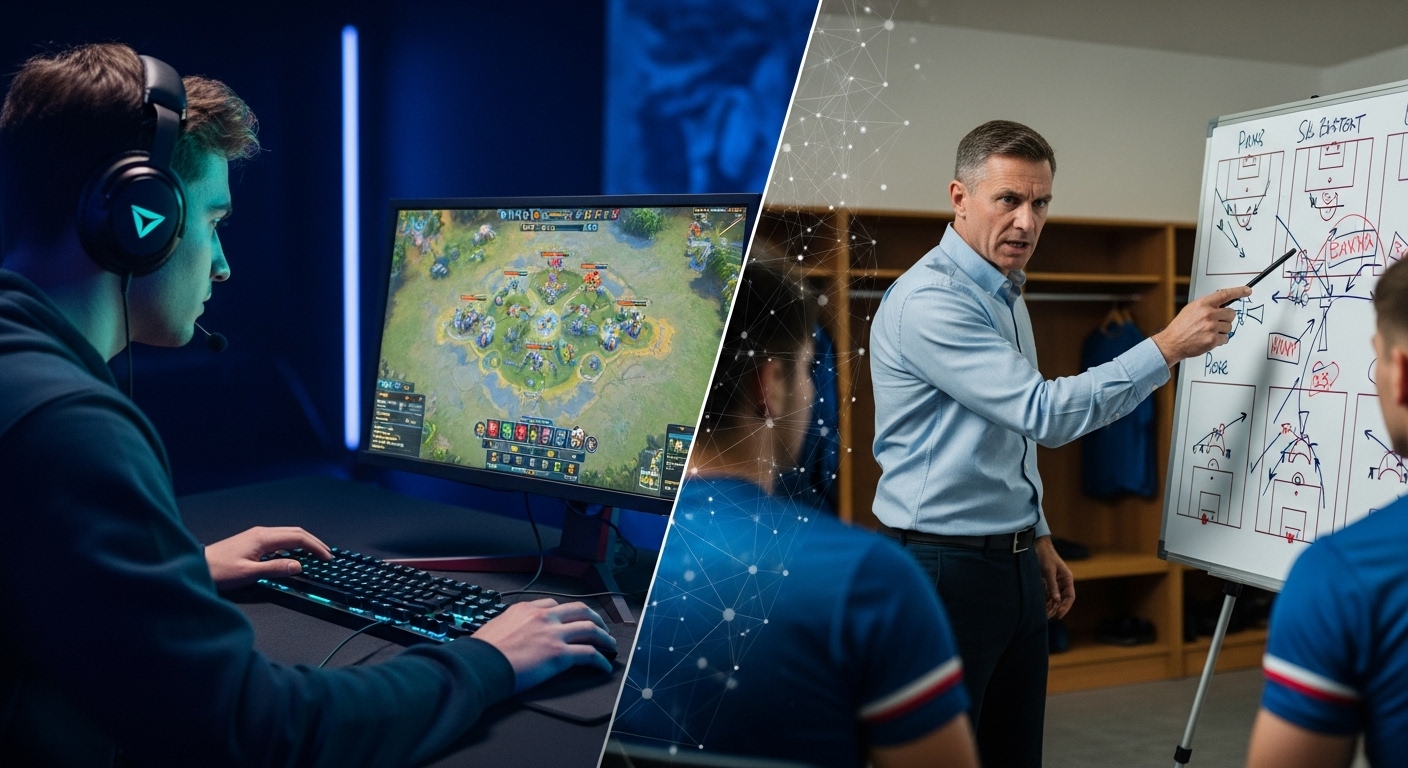
Moreover, professional gaming teams now operate like well-organized sports franchises. Coaches, analysts, psychologists, and other specialists work with players to ensure peak performance. This level of professionalism has taken esports to new heights, making it a true competitive career option.
The Future of Esports
The future of esports looks incredibly promising, with growing investments and a widening fanbase. As internet speeds continue to improve, cloud gaming services evolve, and virtual reality (VR) becomes more mainstream, esports could expand into new dimensions. There are already discussions about including VR esports as part of future gaming leagues, which would offer an entirely new layer of competition.
One of the most exciting aspects of esports is its inclusivity. Unlike traditional sports, where physical limitations can be a barrier, esports offers a level playing field where anyone, regardless of age or physical ability, can compete. This inclusivity has allowed esports to attract a diverse range of players from different backgrounds and cultures.
Furthermore, as the line between traditional sports and esports continues to blur, it’s not unimaginable that esports could be included in the Olympics one day, a move that would further solidify its legitimacy as a competitive field.
Conclusion: The Esports Revolution Is Just Beginning
Esports has transformed from a niche pastime into a global industry with millions of players and fans. Whether through intense tournaments, sponsorship deals, or streaming platforms, the world of esports is expanding rapidly. What once was a fringe interest is now a thriving ecosystem, with endless opportunities for players, teams, sponsors, and fans alike.
As technology evolves and the industry matures, esports is set to grow even further, reaching new heights of competition, entertainment, and cultural significance. For those looking to get involved, now is the perfect time to be part of this exciting revolution. Whether you’re a player, fan, or industry professional, the esports world is ready for the next chapter, and it’s bound to be an epic one.