Introduction: Esports as a Cultural Phenomenon
Esports, or competitive gaming, has rapidly transformed from a niche hobby into a global industry, captivating millions of players and fans around the world. Unlike traditional sports, esports thrives in the digital space, bridging technology, entertainment, and competition. What began as informal tournaments among friends has evolved into professional leagues, major international competitions, and a booming ecosystem of teams, sponsors, and media platforms. Today, esports is not just a form of gaming; it is a cultural movement that influences entertainment, technology, and social interaction on a massive scale.
The Origins of Esports: From Arcades to Online Arenas
Esports has its roots in the earliest days of video gaming. During the 1980s, players competed for high scores in arcade games, and local tournaments provided a competitive platform for skillful players. Games like Pac-Man, Space Invaders, and Street Fighter introduced the concept of structured competition.
The transition from arcade gaming to home computers and consoles in the 1990s allowed a broader audience to participate. Titles such as StarCraft, Quake, and Counter-Strike popularized competitive online play, laying the foundation for the professional esports environment. These early competitions emphasized skill, strategy, and teamwork, which remain fundamental to esports today.
Popular Esports Genres and Their Appeal
Esports encompasses multiple game genres, each attracting different audiences and requiring unique skills.
Multiplayer Online Battle Arenas (MOBAs): Games like League of Legends and Dota 2 require teamwork, strategic thinking, and precise execution. Each player controls a character with specific abilities, making collaboration and coordination crucial.
First-Person Shooters (FPS): Titles such as Counter-Strike, Call of Duty, and Valorant emphasize accuracy, reflexes, and map awareness. FPS esports require split-second decision-making and tactical coordination among team members.
Battle Royale Games: Fortnite and PUBG challenge players to survive in shrinking arenas, promoting adaptability, resource management, and strategic positioning. The unpredictable nature of these games keeps both players and viewers engaged.
Sports Simulation Games: FIFA, NBA 2K, and Madden allow players to simulate real-life sports. These games combine strategy, timing, and skill, attracting fans of traditional sports who enjoy a digital competitive experience.
Card and Strategy Games: Games like Hearthstone and Magic: The Gathering Arena rely on planning, foresight, and tactical thinking. Players must anticipate opponents’ moves and develop effective strategies under pressure.
This diversity of genres ensures that esports appeals to a wide audience and offers varied competitive experiences.
Professional Esports: Teams, Training, and Dedication
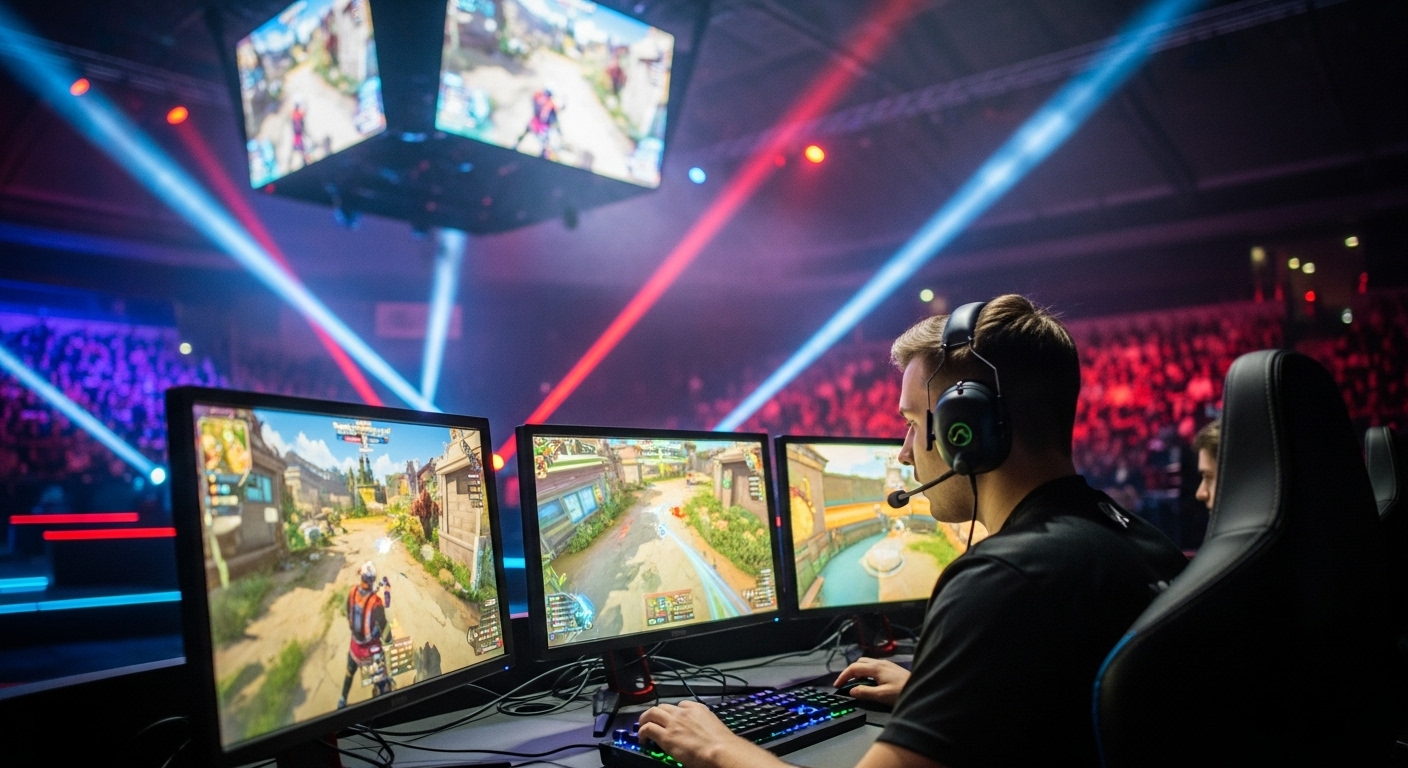
Modern esports operates similarly to traditional professional sports. Teams recruit talented players through tryouts and scouting programs, providing coaching, training facilities, and support staff. Players dedicate countless hours to practice, honing skills, strategies, and teamwork.
Coaches analyze game footage, develop strategies, and optimize team performance. Nutritionists, mental health professionals, and physical trainers help players maintain balance, focus, and resilience. Just as in traditional sports, success in esports requires dedication, discipline, and consistent effort.
The Role of Technology in Esports
Technology drives every aspect of esports, from gameplay to broadcasting. High-performance computers, low-latency internet, and optimized servers enable seamless competitive experiences. Streaming platforms allow fans worldwide to watch tournaments live, interact with commentators, and engage with players.
Virtual reality and augmented reality technologies are beginning to shape immersive esports experiences, while artificial intelligence assists teams in analyzing strategies and optimizing gameplay. Technology ensures that esports remains fast-paced, accessible, and interactive for both players and audiences.
Streaming and the Rise of Esports Viewership
Streaming platforms have played a crucial role in esports’ growth. Sites such as Twitch and YouTube Gaming allow players to broadcast live matches, reach global audiences, and build personal brands. Fans interact directly through chat, donation features, and virtual events, creating a unique community-driven viewing experience.
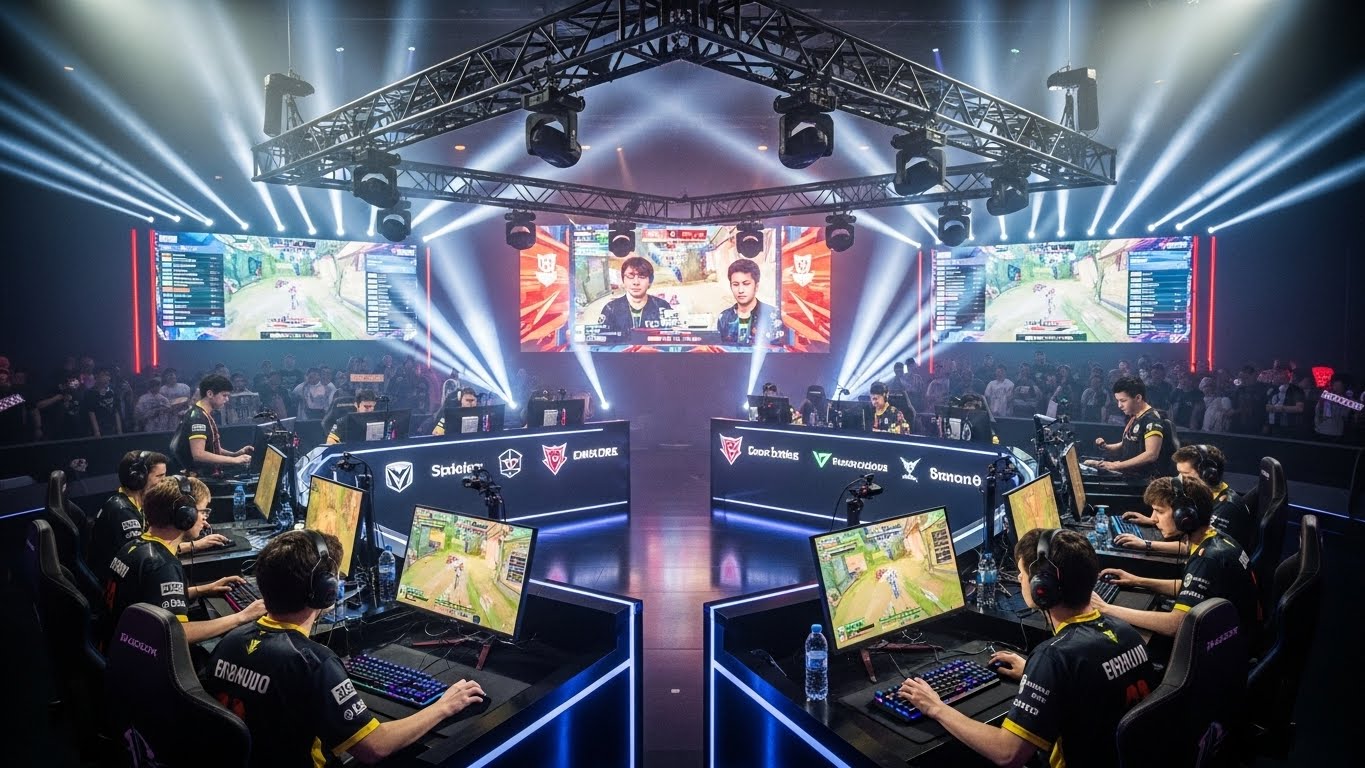
Major esports tournaments attract millions of live viewers, often surpassing audiences of traditional sporting events. The accessibility of digital streaming has democratized viewership, allowing anyone with an internet connection to follow professional competition from anywhere in the world.
The Economic Impact of Esports
Esports is a rapidly expanding economic sector. Revenue streams include sponsorships, advertising, ticket sales for live events, media rights, and merchandise. Prize pools for top-tier tournaments reach millions of dollars, incentivizing players and teams to strive for excellence.
The industry also creates jobs across game development, event management, broadcasting, coaching, and content creation. As esports continues to grow, it shapes digital economies and becomes a significant contributor to entertainment revenue globally.
Esports Culture: Community, Identity, and Fan Engagement
Esports has developed its own rich culture, emphasizing community, creativity, and identity. Fans often identify with teams or players, attending live events, participating in online communities, and engaging in discussions, fan art, and cosplay.
Unlike traditional sports, esports culture is highly interactive, enabling audiences to communicate directly with players and creators. This interaction fosters inclusivity and global connectivity, giving esports a unique role as a unifying digital culture.
Youth Engagement and Educational Opportunities
Esports resonates strongly with younger audiences, offering entertainment and opportunities for skill development. Schools and universities increasingly recognize esports as a formal activity, offering competitive programs, scholarships, and training facilities.
Participation in esports teaches valuable life skills such as teamwork, strategic thinking, time management, and communication. Players learn discipline, resilience, and problem-solving, which are transferable to academic and professional settings. This integration of esports into education demonstrates its growing legitimacy as a career path and developmental tool.
Challenges Facing Esports
Despite its rapid growth, esports faces several challenges. Issues such as online toxicity, cheating, and harassment can undermine competition integrity. Players often deal with high stress, long practice hours, and mental fatigue, making wellness programs essential.
Additionally, fair play and regulation are critical. Ensuring transparent rules, anti-doping measures, and ethical conduct helps maintain trust among players and fans. Addressing these challenges is vital for the long-term sustainability and credibility of the esports industry.
Mental and Physical Health in Esports
Professional esports requires both mental and physical fitness. High-pressure environments demand focus, emotional control, and cognitive agility. Physical health is equally important, as long hours of gameplay can lead to repetitive strain injuries, poor posture, and fatigue.
Teams now employ wellness strategies that include physical training, ergonomic setups, regular breaks, and mental coaching. By prioritizing health, esports ensures that players can maintain peak performance while enjoying long-term career longevity.
The Future of Esports
The future of esports is full of potential. Emerging technologies like virtual reality, augmented reality, and AI-driven analytics will create new competitive formats and immersive fan experiences. Cross-platform gaming, inclusive tournaments, and global connectivity will further expand the reach and appeal of esports.
As esports continues to integrate into mainstream entertainment, it may become a recognized discipline in international multi-sport events, further legitimizing competitive gaming. Its influence will continue to shape digital culture, professional opportunities, and entertainment trends worldwide.
Conclusion: Esports as a Transformative Force
Esports has grown from local arcade competitions to a global digital phenomenon. It merges skill, strategy, technology, and entertainment into a compelling form of competition. Players, teams, and fans have created a unique culture that celebrates achievement, collaboration, and creativity.
As the industry continues to expand, esports will remain a transformative force in entertainment, technology, and global culture. It empowers individuals to develop skills, connect communities, and redefine what it means to compete in the digital age. For millions around the world, esports is no longer just a game—it is a lifestyle, a career, and a symbol of the limitless possibilities of modern digital competition.