Introduction: The Birth of a Digital Revolution
Over the last two decades, the world has witnessed an extraordinary transformation in entertainment, technology, and competitive culture. One of the most surprising and influential phenomena to emerge from this evolution is Esports, short for electronic sports. Once dismissed as a pastime for gamers, Esports has now evolved into a multibillion-dollar global industry that attracts millions of viewers, sponsors, and professional players. From small local tournaments in the early 2000s to massive international championships filling entire stadiums today, Esports has proven itself as a legitimate form of competition and a major cultural movement of the 21st century.
The story of Esports is one of passion, innovation, and community. It is the story of how a generation raised on video games turned their love for play into careers, fandoms, and even life-changing opportunities. As technology continues to advance and new platforms emerge, Esports is set to grow even further, blending the boundaries between traditional sports, entertainment, and digital culture.
The Early Days: Foundations of Competitive Gaming
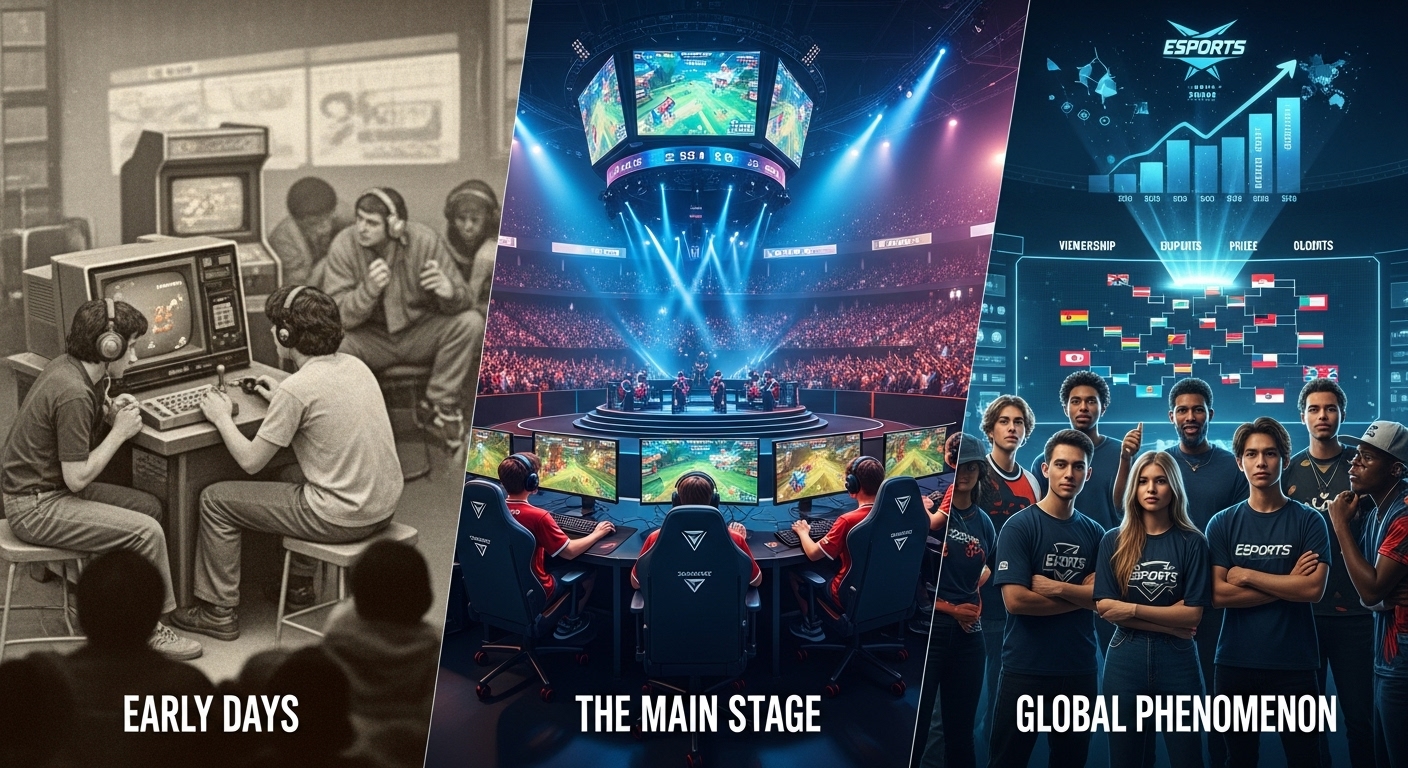
The origins of competitive gaming date back to the late 20th century, long before Esports became a mainstream term. In the early 1980s, video game competitions began appearing in arcades, with titles like Space Invaders and Pac-Man attracting crowds of enthusiasts eager to prove their skill. However, it was the 1990s that truly set the foundation for modern Esports, thanks to the rise of home computers, consoles, and local area networks (LANs).
Games like Doom, Quake, and StarCraft became the breeding grounds for competitive players. LAN parties—where friends gathered in basements or computer cafes to connect their machines and play—became the earliest form of Esports events. These were informal gatherings, but they planted the seeds of what would become a structured and professional industry.
As the internet became more accessible in the late 1990s, online multiplayer gaming took off. Suddenly, players could challenge opponents across the globe, not just in their neighborhood. This technological leap gave rise to online leagues, ranking systems, and the first generation of professional gamers who played for recognition and modest cash prizes.
The 2000s: The Rise of Organized Competition
The early 2000s marked the beginning of Esports as a structured global phenomenon. Games like Counter-Strike, Warcraft III, Halo, and Call of Duty became central to competitive gaming culture. During this decade, professional gaming organizations began forming, tournaments were streamed online, and sponsorships slowly entered the scene.
South Korea played a particularly important role in shaping the Esports ecosystem. The country embraced competitive gaming as a national pastime, with televised StarCraft matches and professional players achieving celebrity status. Esports stadiums opened, government-recognized teams were formed, and fans began following their favorite players the same way others followed football or basketball stars. This professional model later inspired countries around the world to develop their own leagues and infrastructures.
In the West, organizations like the Cyberathlete Professional League (CPL), Major League Gaming (MLG), and the World Cyber Games (WCG) helped popularize Esports among younger audiences. They provided standardized tournaments, player rankings, and media coverage that legitimized competitive gaming as more than just a hobby. The seeds of modern Esports professionalism were firmly planted during this era.
The 2010s: Esports Goes Mainstream
The 2010s were a golden decade for Esports. Several factors converged to catapult gaming into the mainstream cultural spotlight. The first was the rise of streaming platforms, especially Twitch, which allowed millions of viewers to watch live matches, interact with players, and follow their favorite teams. This direct connection between players and audiences created a new kind of entertainment ecosystem, where Esports content was as engaging as traditional sports broadcasts.
Secondly, game developers began investing heavily in Esports infrastructure. Titles like League of Legends, Dota 2, Overwatch, and Fortnite were designed with competitive play in mind. Developers established professional leagues, hosted massive tournaments, and offered multimillion-dollar prize pools. For instance, the annual Dota 2 International became famous for its enormous community-funded prize pools, which often exceeded $30 million, making it one of the richest competitions in sports history.
Traditional media and corporations also began paying attention. Television networks started broadcasting Esports events, while companies such as Intel, Red Bull, and Coca-Cola sponsored tournaments and teams. Universities began offering scholarships for Esports athletes, and professional organizations like Team Liquid, Fnatic, and Cloud9 became household names. Esports had officially entered the mainstream entertainment industry.
The Cultural Impact of Esports
Esports is more than just a competition; it represents a cultural shift. It challenges traditional notions of sportsmanship, athleticism, and media consumption. For many young people, Esports has become a symbol of community, identity, and aspiration. The online nature of gaming allows players from all over the world to connect, communicate, and collaborate, transcending geographical and cultural boundaries.
The rise of Esports also reshaped how audiences consume entertainment. Fans no longer simply watch; they participate. Through live chats, fan art, memes, and content creation, the Esports community thrives on interactivity. Streamers and professional players are not just athletes but also influencers and entertainers who cultivate massive online followings. This blend of gaming, performance, and personality has redefined celebrity culture for the digital generation.
Moreover, Esports has contributed to the evolution of digital careers. It has given birth to a wide range of professions—coaches, analysts, broadcasters, event organizers, and content creators—all revolving around competitive gaming. The industry has become a full-fledged ecosystem, generating thousands of jobs and economic opportunities worldwide.
The Business and Economics of Esports
The economic scale of Esports is staggering. According to various market analyses, the industry has grown into a multibillion-dollar sector with revenue streams coming from sponsorships, media rights, advertising, ticket sales, and in-game purchases. Major tournaments often attract audiences comparable to major sporting events, sometimes even surpassing them. The League of Legends World Championship, for example, consistently draws tens of millions of viewers globally.
Brands have quickly recognized the marketing potential of Esports. The audience is young, tech-savvy, and highly engaged—making it an ideal demographic for companies aiming to reach the digital generation. As a result, corporations across industries—from energy drinks and apparel to technology and automotive—have entered partnerships with teams and leagues.
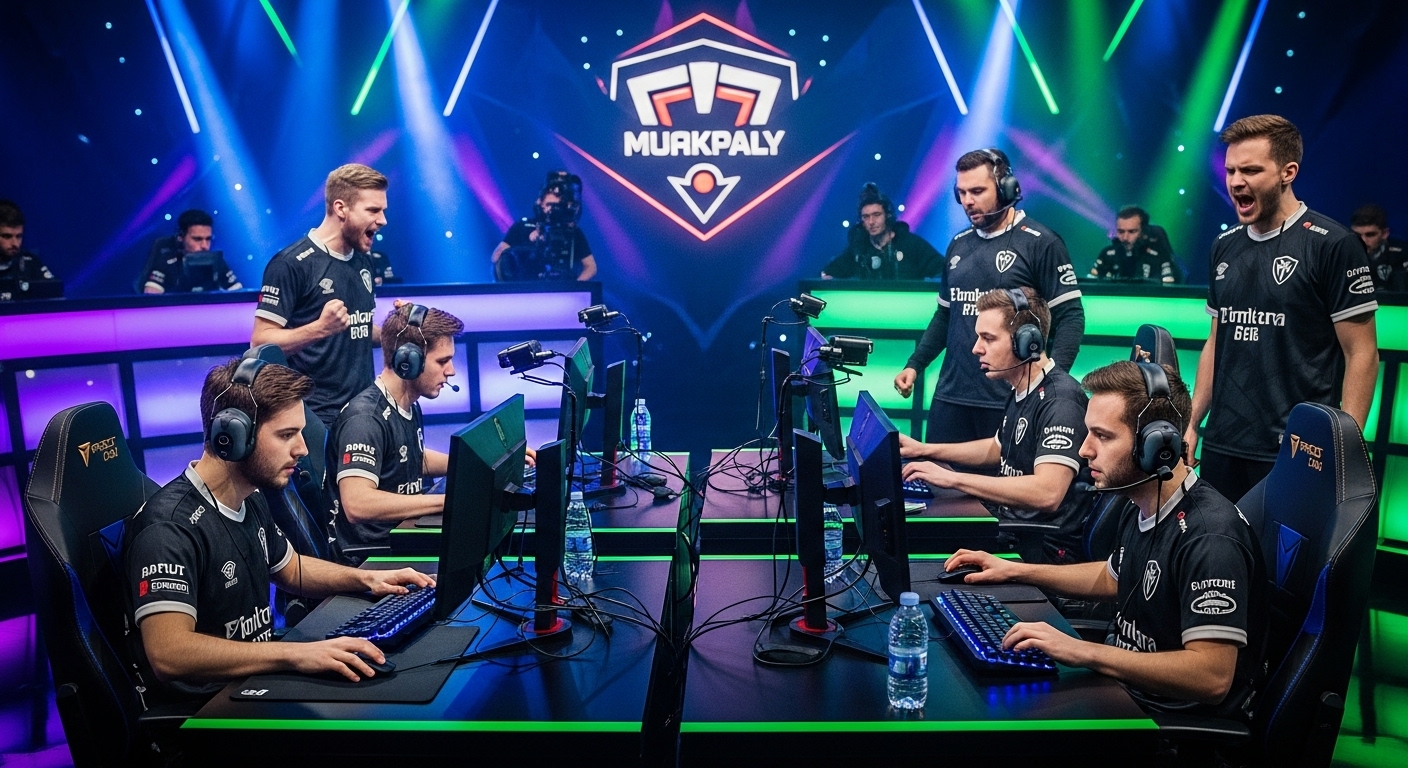
Franchising has also become a major business model in Esports, mirroring traditional sports leagues. Titles like Overwatch League and Call of Duty League adopted city-based franchise systems, bringing structure and stability to team operations. While not without challenges, these systems have attracted major investors, including celebrities and traditional sports organizations, further blending the line between Esports and conventional athletics.
Technology and Innovation Driving Esports
Technological advancement lies at the heart of Esports growth. The progress in internet infrastructure, high-performance hardware, and streaming technology has made it possible for millions to play and watch games in real time. Moreover, innovations in virtual reality (VR), augmented reality (AR), and artificial intelligence (AI) are starting to influence the Esports experience.
VR Esports, for instance, introduces physicality into digital competition, blending the athleticism of traditional sports with the creativity of gaming. Meanwhile, AI-driven analytics help teams improve strategy, analyze opponents, and refine player performance. Advanced broadcast technology allows commentators to break down plays with precision, offering fans an immersive viewing experience that rivals any professional sport.
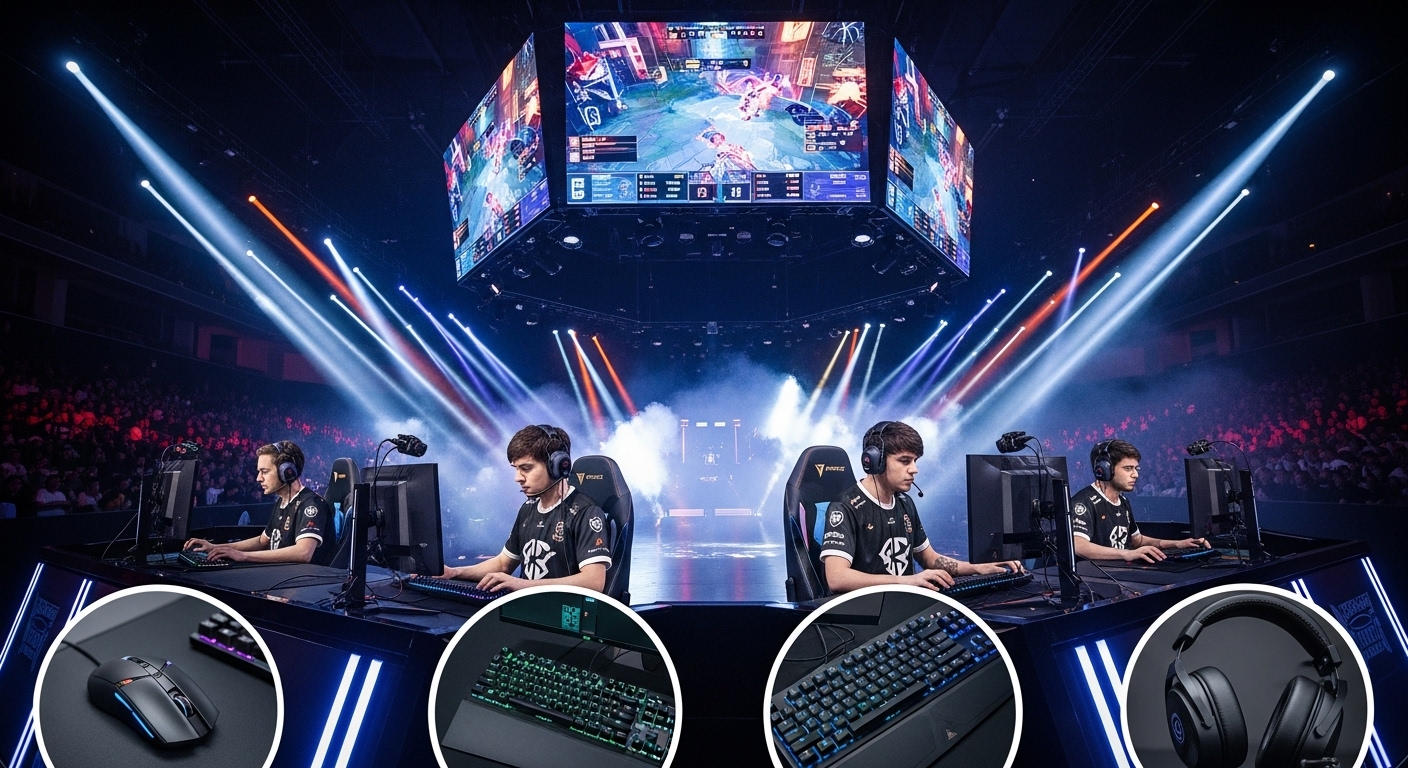
Esports arenas themselves have become marvels of technology. Equipped with LED displays, motion graphics, surround sound, and live holographic effects, these venues create an electrifying atmosphere that rivals any concert or sporting event. The fusion of technology and entertainment is what makes Esports so uniquely modern and appealing to the next generation.
The Esports Athlete: Discipline, Strategy, and Skill
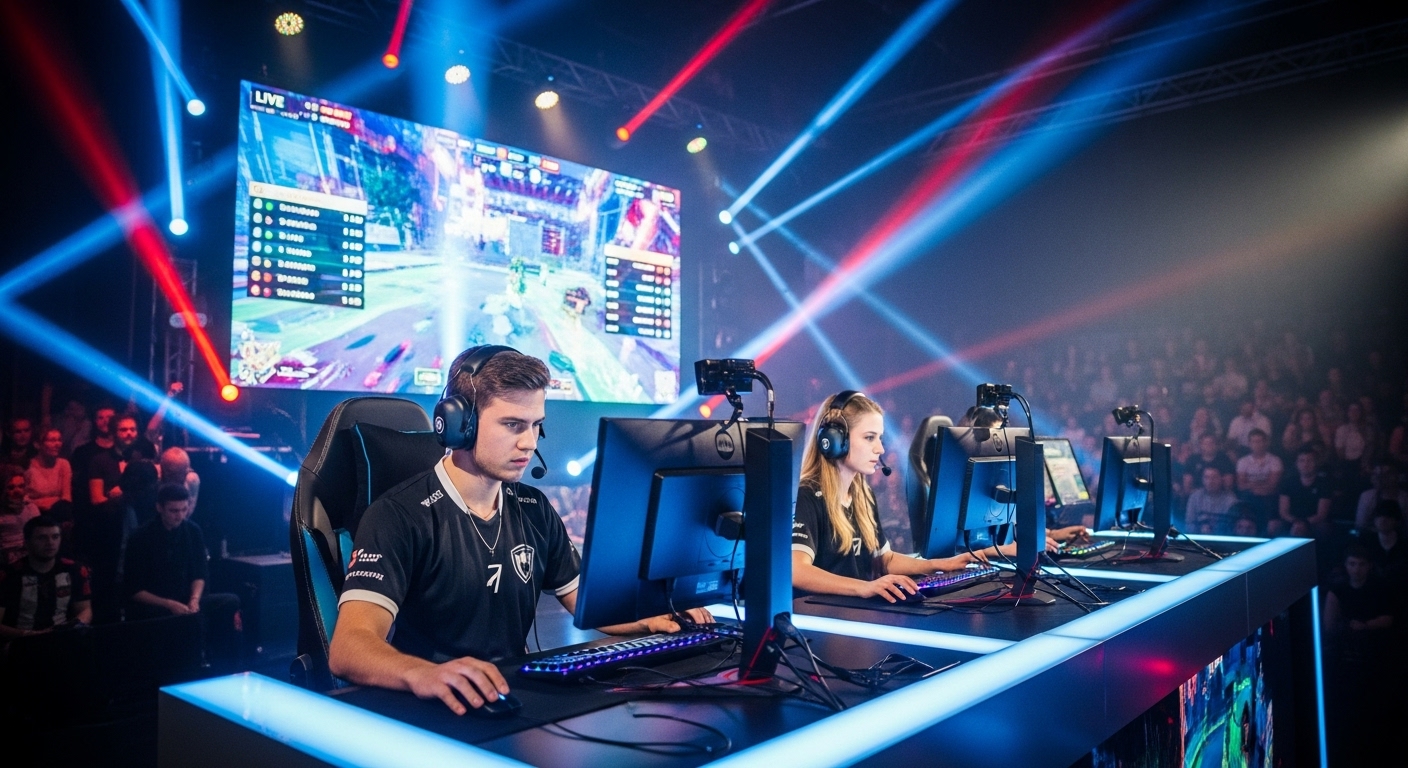
Contrary to popular stereotypes, professional Esports players are not casual gamers. They are highly skilled athletes who train rigorously, often dedicating ten to twelve hours a day to practice. Reflexes, coordination, communication, and mental endurance are crucial in competitive gaming. The difference between victory and defeat can be measured in milliseconds.
Teams employ coaches, psychologists, and nutritionists to maintain player performance and well-being. Just like traditional sports, mental health has become a focal point in Esports. The intense competition and constant pressure can lead to burnout, anxiety, and fatigue. Organizations have started taking these issues seriously, developing wellness programs and structured schedules to support players’ long-term careers.
Strategy also plays a central role. Each Esports title requires a deep understanding of mechanics, team dynamics, and real-time decision-making. The analytical side of Esports—studying game data, analyzing opponents, and developing new tactics—adds a layer of intellectual complexity that makes the competition as much about brains as reflexes.
Education and Career Opportunities in Esports
As Esports gains legitimacy, educational institutions have begun integrating it into their programs. Universities across the world now offer degrees and courses in Esports management, game design, and digital media. Scholarships for competitive gaming are becoming increasingly common, providing young players with opportunities to pursue both academic and professional ambitions simultaneously.
Beyond playing, the Esports industry has opened up a vast range of career paths. Event management, broadcasting, marketing, software development, journalism, and graphic design are just a few examples of roles tied to the growing Esports landscape. The industry thrives not only because of the players but also because of the vast network of professionals supporting them.
Esports education also fosters valuable skills such as teamwork, leadership, communication, and problem-solving. These skills are transferable to other industries, making Esports an effective gateway to broader career development in the digital economy.
Challenges Facing the Esports Industry
Despite its rapid success, Esports faces several challenges that could impact its long-term stability. One major concern is sustainability. The industry is heavily reliant on sponsorships and advertising revenue, which makes it vulnerable to market fluctuations. Establishing more stable revenue models through merchandising, ticketing, and media rights remains an ongoing goal.
Player burnout and mental health are also pressing issues. The intense training schedules, constant travel, and high performance expectations can lead to physical and psychological strain. Without proper support, many players retire young, often before the age of 25.
Another challenge lies in regulation and governance. Esports lacks a unified global governing body, leading to inconsistent rules, contracts, and disciplinary systems across different games and regions. Efforts to create standardized frameworks for player rights, integrity, and competition fairness are ongoing but complex.
Furthermore, diversity and inclusion continue to be areas of improvement. While Esports is theoretically open to anyone, women and underrepresented groups still face barriers such as harassment and unequal opportunities. The industry is becoming more aware of these issues, with initiatives aimed at promoting inclusivity and creating safer gaming spaces for all participants.
The Global Phenomenon: Esports Around the World
Esports transcends national and cultural boundaries. Different regions have developed their own dominant games, leagues, and communities. In Asia, especially in South Korea and China, Esports enjoys massive popularity and government recognition. In North America, the industry thrives through professional organizations, streaming platforms, and franchise leagues. Europe, meanwhile, boasts some of the strongest teams in games like Counter-Strike: Global Offensive and Rocket League.
Emerging regions such as Latin America, the Middle East, and Africa are also investing heavily in Esports infrastructure. Governments, brands, and educational institutions are realizing the potential of Esports as both an entertainment medium and a tool for technological development. The universality of gaming—its ability to connect people across languages and borders—makes Esports a uniquely global cultural force.
The Future of Esports: What Lies Ahead
As we look to the future, the possibilities for Esports seem limitless. Advances in technology will continue to shape how we play and watch games. Cloud gaming, 5G connectivity, and AI integration will make Esports even more accessible and interactive. Virtual and augmented reality will further blur the lines between physical and digital experiences, transforming how tournaments are played and viewed.
The potential inclusion of Esports in major sporting events, such as the Olympics, is also on the horizon. While debates about classification continue, the fact that Esports is being considered for such platforms demonstrates its cultural significance and global appeal.
Esports is also likely to merge more closely with mainstream entertainment industries. We may see collaborations between game developers, film studios, and music artists to create cross-media experiences. The boundaries between gaming, sports, and pop culture will continue to dissolve, giving rise to new forms of interactive entertainment.
Conclusion: The Legacy of Esports
Esports is no longer just about gaming; it is about community, creativity, and connection. It represents how digital technology has reshaped human competition and expression in the modern age. What began as small gatherings of enthusiasts has evolved into a sophisticated, global industry that influences culture, business, and education.
The journey of Esports mirrors the evolution of the internet itself—a story of innovation driven by passion and participation. As new generations continue to embrace digital platforms, Esports will remain a central pillar of global entertainment. Its impact on society, technology, and culture will only deepen, proving that competition and creativity know no boundaries in the digital world.