Introduction: The Emergence of Esports
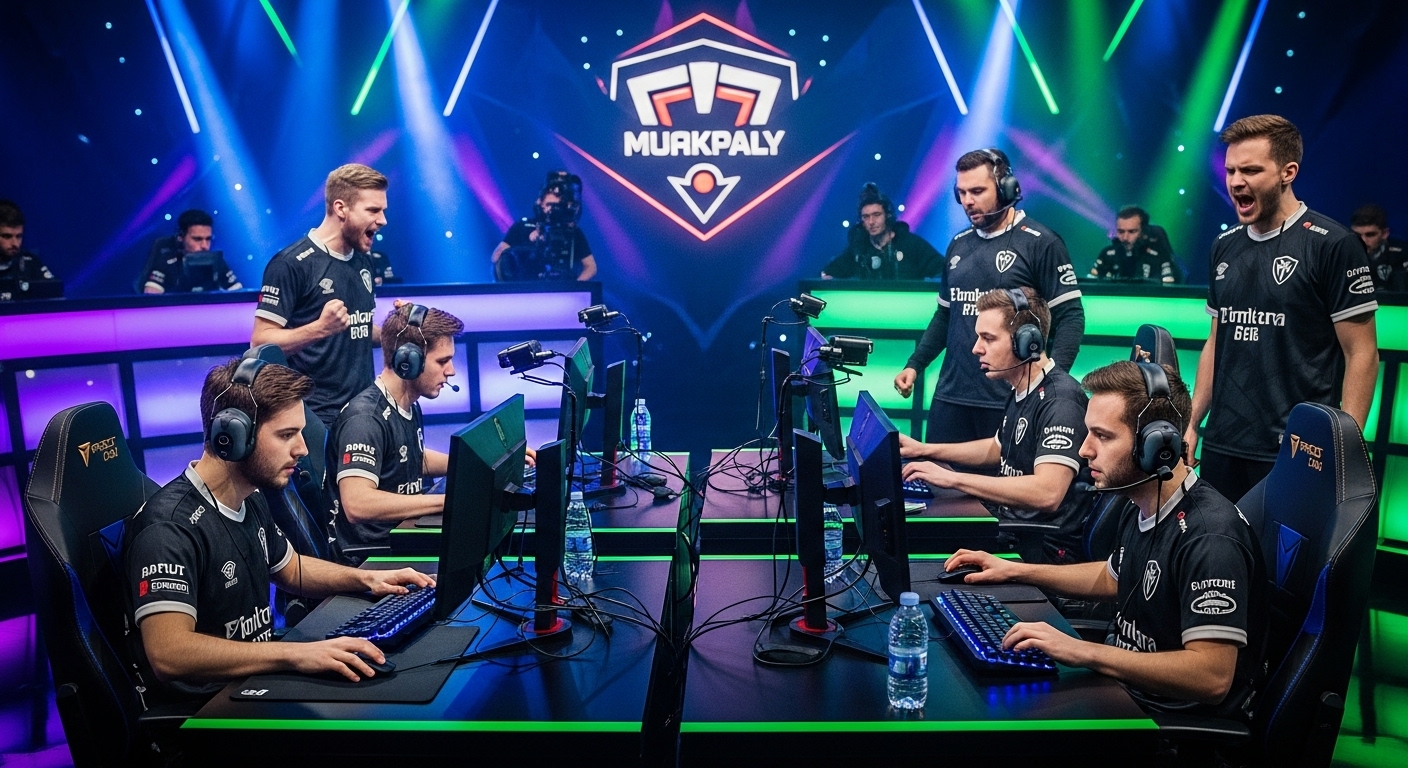
In recent years, esports has transformed from a niche hobby to a global phenomenon. Competitive gaming, once viewed as a pastime for tech enthusiasts and gamers, now attracts millions of viewers, generates billions of dollars in revenue, and has become a legitimate industry in its own right. What was once relegated to basement tournaments and online leagues is now taking center stage, with professional players, teams, and organizations gaining the same levels of fame and sponsorship as traditional sports stars. From the high-energy worlds of League of Legends to the fast-paced action of Fortnite, esports is reshaping the way we think about competition, entertainment, and even sports itself.
This blog post explores the rise of esports, its impact on the gaming and entertainment industries, and how it has evolved into a force that is changing the way we view both competitive play and the future of entertainment.
What is Esports? Understanding the Concept
At its core, esports is simply the competitive aspect of video gaming. Unlike casual gaming, where players engage in games for leisure or recreation, esports involves organized, professional competitions where individuals or teams compete for prizes, sponsorships, and recognition. These competitions are often broadcasted online, on TV, or in arenas, attracting large audiences both in-person and virtually.
Esports encompasses a wide range of video games, from first-person shooters (FPS) like Counter-Strike: Global Offensive (CS:GO) and Call of Duty, to multiplayer online battle arena (MOBA) games like Dota 2 and League of Legends, to real-time strategy games and sports simulations. What makes esports particularly appealing is the diverse range of games that are included in the competitive scene, offering something for nearly every type of gamer.
The Evolution of Esports: From Casual to Professional
While the concept of competitive gaming dates back to the early days of arcade machines, esports as we know it today started to take shape in the late 1990s and early 2000s. The rise of online multiplayer games like StarCraft and Warcraft created a new breed of competitive players who could face off against one another from different parts of the world. Early esports events, such as the Cyberathlete Professional League (CPL) and World Cyber Games (WCG), were among the first to bring competitive gaming to an international audience.
The major turning point for esports came in the mid-2000s with the rise of streaming platforms like Twitch. What was once a small community of passionate gamers grew exponentially as players and teams began streaming their gameplay to a global audience. Twitch, in particular, revolutionized how people consumed gaming content, allowing viewers to watch live esports tournaments, interact with players in real-time, and even watch casual playthroughs by their favorite streamers. The streaming platform, founded in 2011, is now one of the biggest players in the esports industry, hosting events and becoming a crucial part of the esports ecosystem.
Esports also began to gain legitimacy during this period. The prize pools for tournaments grew significantly, sponsorships from major brands such as Coca-Cola, Intel, and Red Bull flooded the industry, and media outlets started covering major esports events. The first The International Dota 2 tournament, held in 2011, is often seen as a pivotal moment, with its massive $1 million prize pool signaling that esports could be a serious business. Over time, the prize money and viewership for esports events continued to rise, attracting attention from major companies and traditional sports organizations alike.
The Role of Technology in Esports: Innovation and Connectivity
One of the key drivers behind the rapid rise of esports is technology. Advances in gaming hardware, internet connectivity, and streaming capabilities have played a critical role in shaping the competitive gaming scene. As technology has improved, so has the quality of the gaming experience, both for players and viewers.
For players, high-performance gaming PCs and consoles are essential for success. Esports athletes use cutting-edge hardware, including fast processors, high-refresh-rate monitors, and customized peripherals such as gaming mice, keyboards, and headsets, to ensure they have a competitive edge. The precision and speed offered by modern gaming technology allow players to perform at their best and react in real-time to the fast-paced action of competitive games.
The rise of 5G networks has also had a significant impact on esports, particularly in mobile gaming. As mobile games like PUBG Mobile and Clash Royale have become more competitive, the need for low-latency connections has become crucial. With 5G technology offering faster internet speeds and lower latency, mobile esports is becoming a more viable and exciting sector of the esports industry, with major tournaments and events now featuring mobile gaming alongside traditional PC and console competitions.
For fans, technology has made it easier than ever to watch esports events. High-definition streaming, virtual reality, and interactive features on platforms like Twitch and YouTube have elevated the fan experience. Fans can now watch live tournaments in 4K resolution, interact with players and commentators through live chats, and even participate in virtual events. Esports broadcasts have become as sophisticated as traditional sports broadcasts, with expert analysts, post-game breakdowns, and commentary to enhance the viewing experience.
Esports as a Global Industry: The Business of Competitive Gaming
Esports is no longer just a hobby for gamers—it’s a global business. The industry is now worth billions of dollars and continues to grow at an incredible rate. According to estimates, the global esports market was valued at over $1 billion in 2020, with projections showing continued growth in the coming years. This explosive growth has been fueled by a combination of sponsorships, advertising, media rights, merchandise sales, and ticket sales for live events.
One of the largest revenue sources for the esports industry comes from sponsorships and advertising. Major brands across various sectors, including technology, automotive, and consumer goods, have recognized the potential of esports to reach a younger, tech-savvy audience. Companies like Intel, Nike, and Samsung have all partnered with esports teams, tournaments, and organizations to advertise their products to the esports demographic. Additionally, esports teams have become fully-fledged brands in their own right, with sponsors eager to attach their names to well-known players and organizations.
Media rights are another significant revenue stream for esports. Companies like Twitch, YouTube, and Facebook have all invested heavily in broadcasting esports content. The sale of media rights for major esports events, such as The International, League of Legends World Championship, and Overwatch League, has created a robust ecosystem that mirrors traditional sports broadcasting. These events are streamed to millions of viewers around the world, with advertisers paying top dollar to have their products featured during broadcasts.
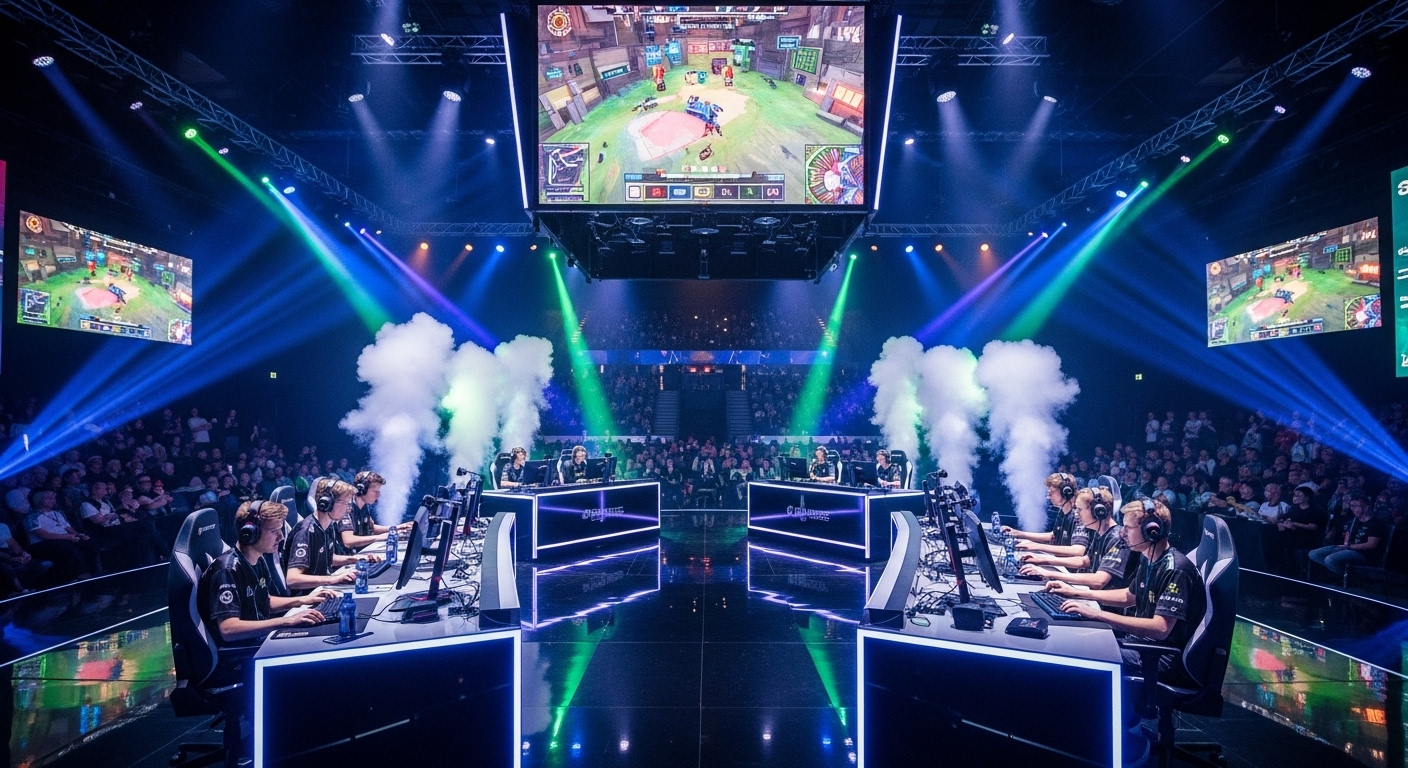
Esports tournaments also generate substantial revenue through ticket sales and merchandise. Fans who attend live events not only purchase tickets but also buy exclusive event merchandise, ranging from team jerseys to limited-edition collectibles. The spectacle of esports tournaments, with their large-scale stages, pyrotechnics, and live audiences, has made them similar to traditional sports events in terms of production value and audience engagement.
Esports Athletes: From Gamers to Global Superstars
One of the most exciting aspects of the esports revolution is the rise of professional gamers as celebrities in their own right. Esports athletes, who are often younger than their traditional sports counterparts, can amass large followings through streaming, social media, and tournament victories. Players like Faker (Lee Sang-hyeok), Ninja (Tyler Blevins), and s1mple (Oleksandr Kostyliev) have become household names, not only for their impressive skills but also for their ability to build brands and attract sponsorship deals.
Much like traditional athletes, esports players dedicate hours each day to practice and refine their skills, often competing in grueling tournaments that require mental stamina, strategic thinking, and teamwork. The commitment required to succeed at the highest level in esports is no different from that of athletes in physical sports. In fact, esports athletes face unique challenges, such as the mental strain of long hours in front of a screen and the intense pressure of competing on a global stage.
Beyond gaming, many esports stars have used their fame to branch out into other areas, such as streaming, content creation, and business ventures. For example, Tyler “Ninja” Blevins went from being a professional Fortnite player to a media mogul, with his own branded merchandise, a partnership with major brands, and even appearances on talk shows. This shift from competitive gaming to broader entertainment makes esports athletes some of the most marketable personalities in the entertainment world.
The Future of Esports: Continued Growth and Challenges
As esports continues to expand, it faces both opportunities and challenges. The growing popularity of esports has led to the establishment of university programs, dedicated esports arenas, and even government recognition in some countries. In the future, esports could become a part of the Olympic Games, following the inclusion of esports events in multi-sport competitions such as the Asian Games.
However, as the industry grows, it will also need to address issues such as player health, fair play, and the sustainability of its business models. Mental health challenges, such as burnout and stress, are prevalent among competitive gamers due to the high-pressure environment and long hours of practice. Ensuring that players have the support they need to manage their physical and mental well-being will be key to maintaining the longevity of the esports industry.
Esports will also need to ensure that it remains accessible and inclusive. While esports is often seen as a digital, inclusive space, issues such as gender inequality, harassment, and accessibility for players with disabilities must be addressed. Continued efforts to promote diversity and inclusion will be important for the long-term success of esports.