Esports, or competitive video gaming, has grown from a niche hobby into a global phenomenon. What began as small tournaments among friends has evolved into a billion-dollar industry with professional players, large-scale tournaments, corporate sponsorships, and millions of fans worldwide. Esports is no longer just about playing games; it is about strategy, teamwork, skill, and entertainment. Its rise is reshaping how we view competition, media, and even career opportunities in the digital age.
The Origins of Esports
Esports has humble beginnings, tracing back to the 1970s when video games like Pong and Space Invaders first gained popularity. Early competitions were small-scale and often informal, but they laid the foundation for a culture that combined gaming with competition. The 1980s saw the first organized tournaments, including the famous Space Invaders Championship in the United States, which attracted thousands of participants. As video games became more complex and widely available, the idea of competitive gaming evolved. By the 1990s, games such as StarCraft and Counter-Strike introduced structured competitions and ranking systems, fostering the first professional gaming communities. These early foundations set the stage for what would become a global esports industry.
The Growth of Professional Gaming
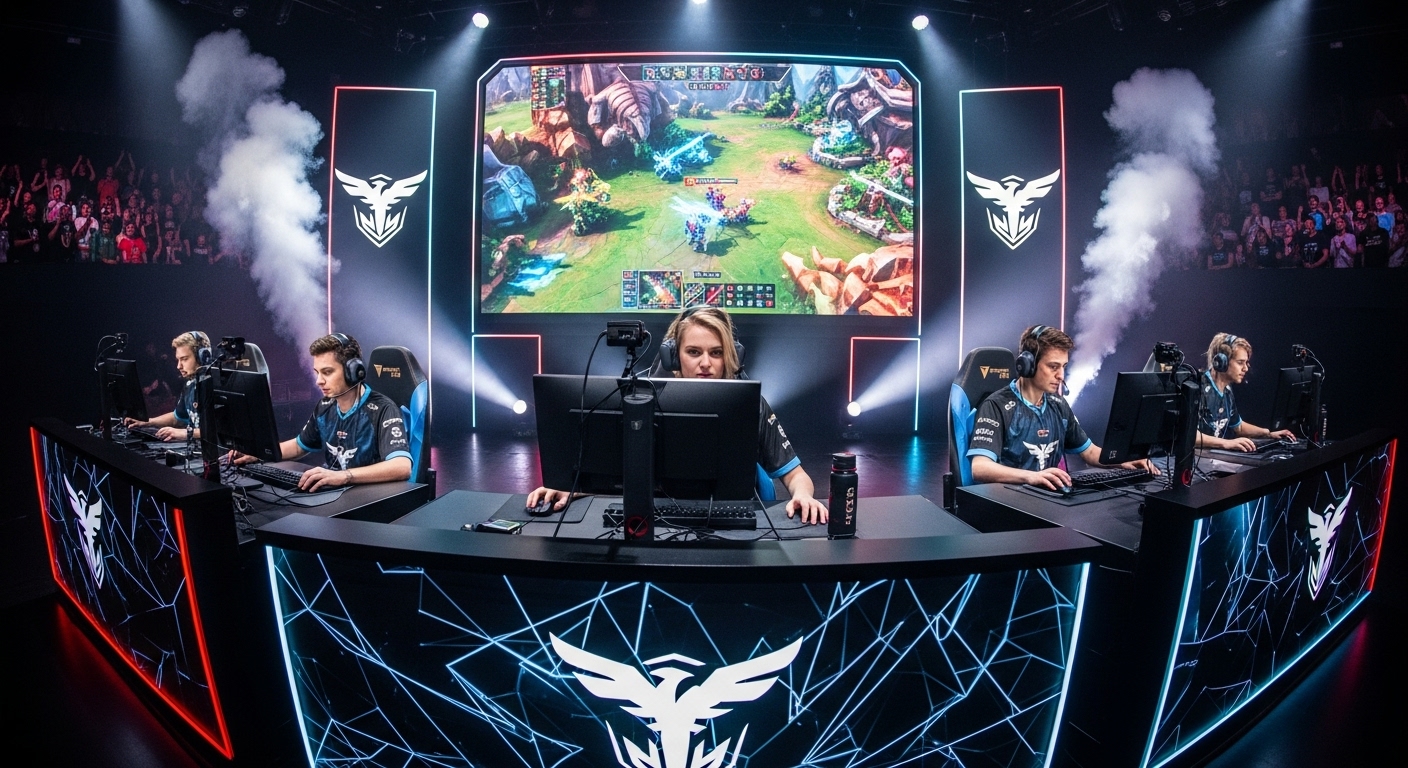
The 2000s marked a significant turning point for esports. Online connectivity allowed players from around the world to compete, creating international communities and leagues. Games like League of Legends, Dota 2, and Call of Duty introduced tournaments with structured prize pools, attracting professional players and dedicated fan bases. Esports organizations emerged, recruiting players, providing training, and managing sponsorship deals. The rise of streaming platforms like Twitch enabled fans to watch competitions live, creating a new form of media entertainment. Professional gaming began to resemble traditional sports, complete with teams, coaches, analysts, and global audiences.
The Role of Technology in Esports
Technology has been central to the growth of esports. High-speed internet, advanced gaming hardware, and streaming platforms have made it possible for players to compete at the highest levels from almost anywhere. State-of-the-art gaming computers, peripherals, and monitors allow for precision and responsiveness that are critical in professional play. Virtual tournaments can be broadcast live to millions of viewers, with interactive features that enhance the fan experience. Technology has also enabled data analysis, allowing teams to study opponents, refine strategies, and improve performance. The integration of technology has transformed esports into a sophisticated, high-performance industry.
The Competitive Landscape
Esports covers a wide range of games and genres, each with its own competitive ecosystem. Multiplayer online battle arena (MOBA) games like League of Legends and Dota 2 are some of the most popular esports titles, requiring teamwork, strategy, and quick decision-making. First-person shooters such as Counter-Strike and Overwatch emphasize reflexes, coordination, and tactical awareness. Fighting games, sports simulations, and card-based games also have dedicated competitive scenes. Each genre attracts unique audiences, and the diversity of games has helped esports appeal to a broad spectrum of fans worldwide. The variety of competition ensures that there is an esports experience for almost every type of gamer.
Esports as a Spectator Sport
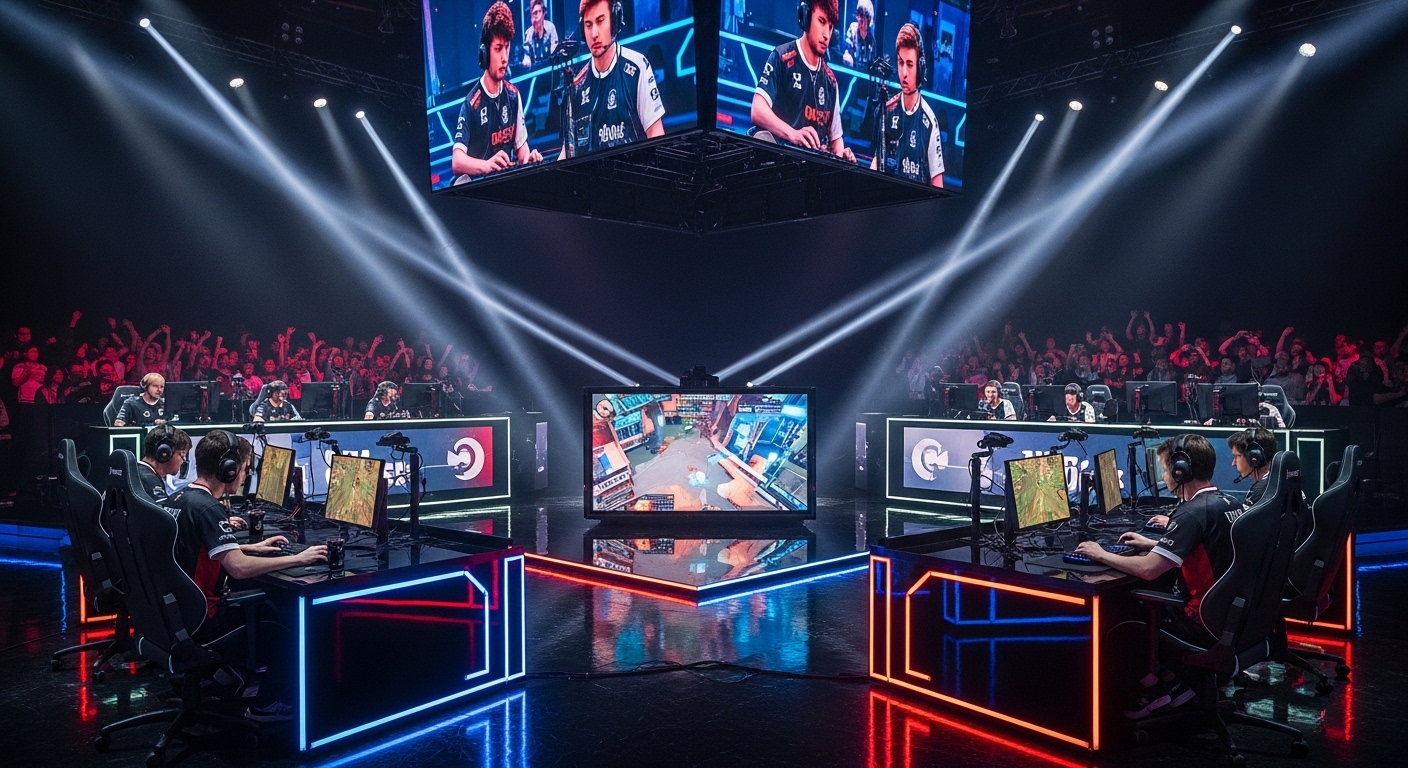
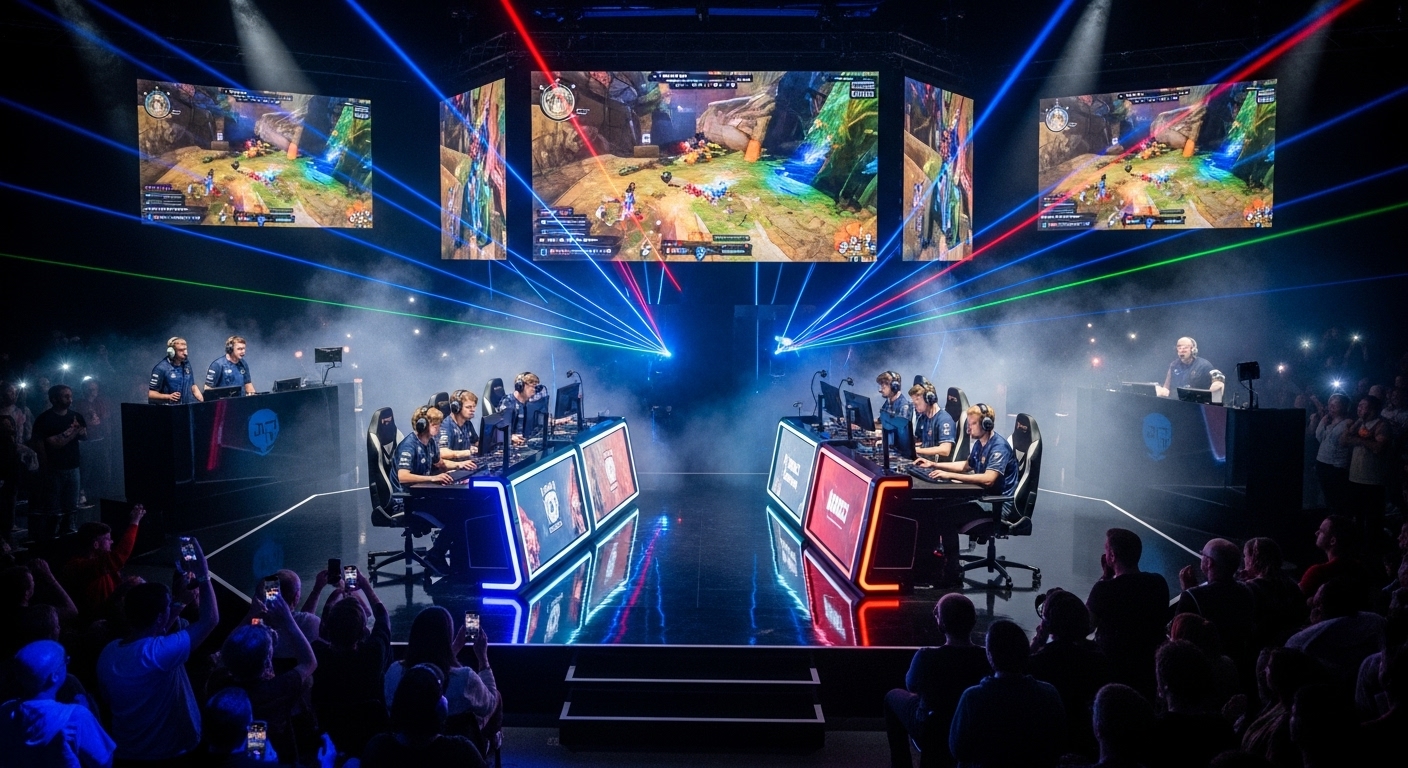
Watching esports has become an experience comparable to attending traditional sports events. Large arenas host tournaments with thousands of spectators, while online streams reach millions more. Fans enjoy live commentary, player analysis, and immersive coverage that highlights the excitement of gameplay. Esports events combine high production value, engaging storytelling, and interactive fan experiences. Unlike traditional sports, esports allows for global accessibility—anyone with an internet connection can watch top players compete in real time. This level of engagement has created a passionate community that supports teams, follows tournaments, and even participates in amateur competitions.
The Economics of Esports
Esports is now a multi-billion-dollar industry, with revenue streams from sponsorships, advertising, media rights, merchandise, and tournament prize pools. Major brands, from energy drinks to technology companies, sponsor teams and events, recognizing the marketing potential of reaching a younger, digitally engaged audience. Streaming platforms generate revenue through subscriptions, donations, and advertisements. Professional players often receive salaries, sponsorship deals, and income from streaming or content creation. This economic ecosystem mirrors traditional sports while leveraging the unique characteristics of digital media. Esports has transformed gaming from a pastime into a viable career path for skilled players.
Training and Professionalism in Esports
Professional esports players dedicate hours each day to practice, strategy, and teamwork. Training routines often include studying opponents, analyzing gameplay, and physical and mental conditioning. Top players work with coaches, analysts, and psychologists to maintain peak performance. Unlike casual gaming, professional play requires discipline, focus, and resilience. Esports organizations invest in player development, providing resources to improve skill, communication, and mental health. The professionalism of esports has elevated the perception of gaming from a recreational activity to a highly competitive and respected field.
The Global Impact of Esports
Esports has a significant global presence, with major tournaments held in North America, Europe, Asia, and beyond. South Korea, China, and the United States are particularly influential in the development of competitive gaming, hosting world-class leagues and producing top-tier talent. International tournaments like The International for Dota 2 and the League of Legends World Championship draw millions of viewers and offer prize pools in the millions of dollars. Esports has also contributed to cultural exchange, connecting players and fans across borders, creating a shared global community united by passion for competition.
Esports and Youth Culture
Esports resonates strongly with younger generations who have grown up with digital technology. It offers not only entertainment but also community, competition, and identity. Gaming clubs, online forums, and streaming channels provide spaces for social interaction and learning. For many young people, esports is a source of inspiration, offering opportunities to pursue professional careers in gaming, streaming, or content creation. It encourages strategic thinking, teamwork, and problem-solving skills, which can have applications beyond gaming. Esports has become an integral part of youth culture, influencing fashion, media consumption, and social interaction.
Challenges Facing Esports
Despite its rapid growth, esports faces challenges that must be addressed to ensure long-term sustainability. Issues such as player burnout, mental health concerns, and the pressure to perform at a young age are significant. Cheating, hacking, and unfair play also pose risks to competitive integrity. Furthermore, the industry must continue to address inclusivity, diversity, and gender representation. Ensuring that esports remains accessible, fair, and supportive for all participants is essential for its credibility and growth. Additionally, regulation and standardization are still evolving, which can create inconsistencies in tournament rules, player contracts, and prize distribution.
The Future of Esports
The future of esports looks promising, with continued growth in audience size, professionalization, and technological innovation. Virtual reality and augmented reality may create new forms of immersive competitive gaming. Advancements in artificial intelligence could enhance training, strategy analysis, and game design. Esports could become more integrated into mainstream media, with coverage on traditional television and collaboration with conventional sports leagues. As esports continues to mature, it will likely attract broader recognition, larger investments, and greater opportunities for players, fans, and businesses alike. The potential for global expansion and innovation is virtually limitless.
Esports Beyond Gaming
Esports is not just about playing games; it has influenced wider aspects of entertainment, media, and culture. The rise of content creators, streaming personalities, and esports commentators has created careers beyond professional play. Educational programs, including esports scholarships and university teams, are emerging worldwide, integrating gaming into academic pathways. Sponsorships, merchandising, and brand partnerships extend the impact of esports beyond the screen. This demonstrates that esports is more than competition—it is a cultural and economic force that intersects with multiple sectors of society.
Conclusion: The Rise of Competitive Digital Culture
Esports has transformed gaming from a casual pastime into a global competitive phenomenon. It combines skill, strategy, entertainment, and community in ways that resonate with audiences worldwide. From humble beginnings to billion-dollar tournaments, esports represents the evolution of digital culture, the potential for professional careers in gaming, and the power of technology to connect people across the globe. As the industry continues to grow, it will face challenges that require careful management, but its impact on entertainment, culture, and technology is undeniable. Esports is no longer just a game—it is a testament to the skill, dedication, and passion of players and fans who have redefined what it means to compete in the digital age.