Introduction: Esports Takes the Spotlight
Esports, or competitive video gaming, has evolved from a niche hobby into a global phenomenon. Millions of players and fans worldwide participate in tournaments, follow professional teams, and engage in online competitions. Esports is more than just playing games—it combines strategy, skill, teamwork, and entertainment into a dynamic digital arena that rivals traditional sports in popularity and influence.
The Evolution of Esports
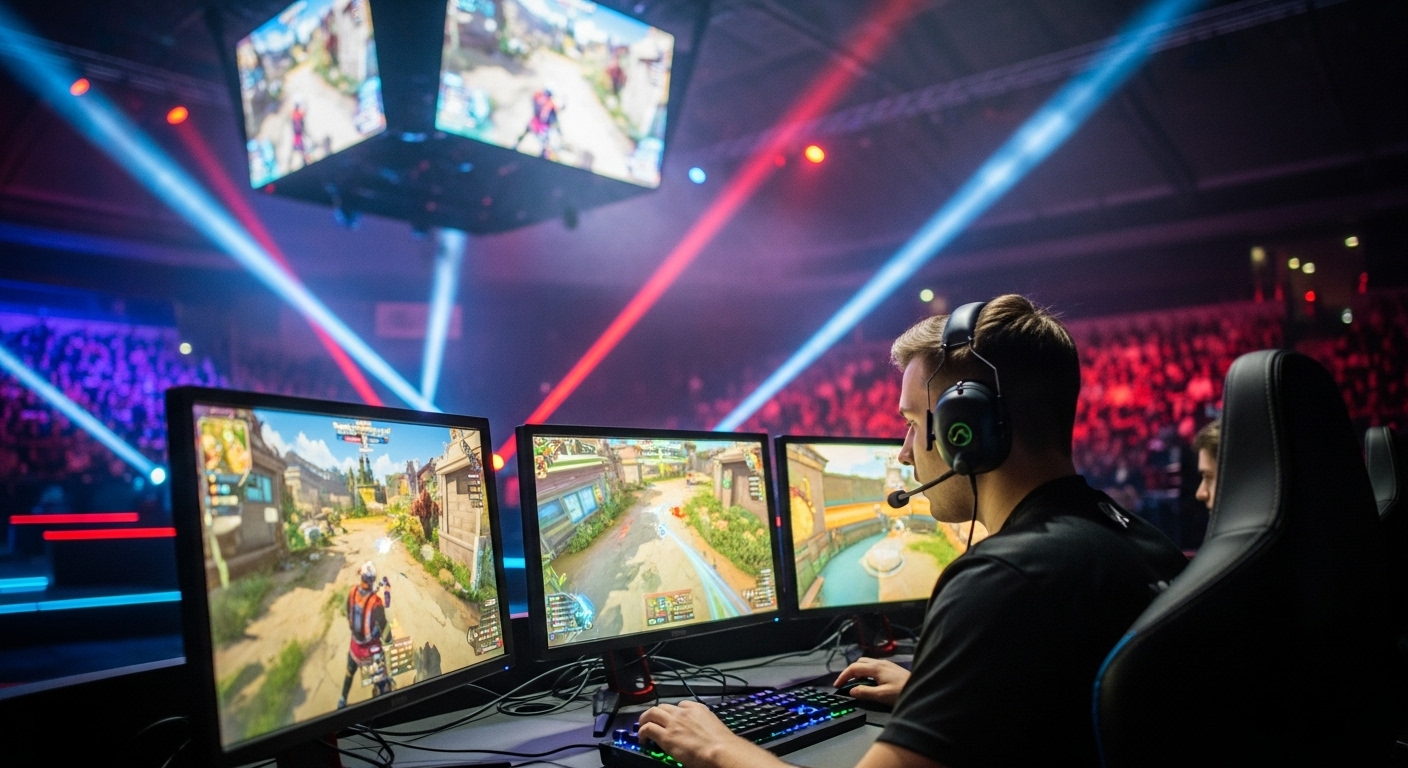
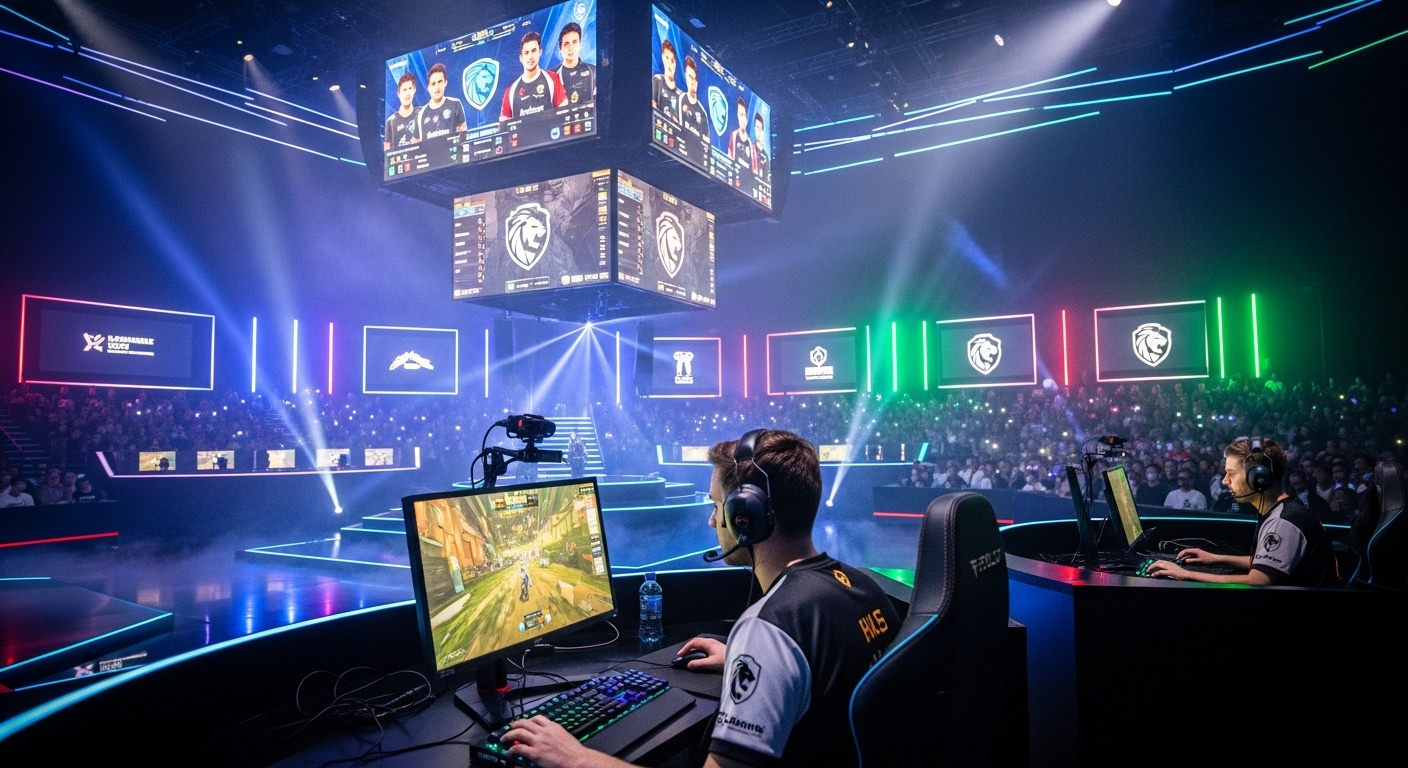
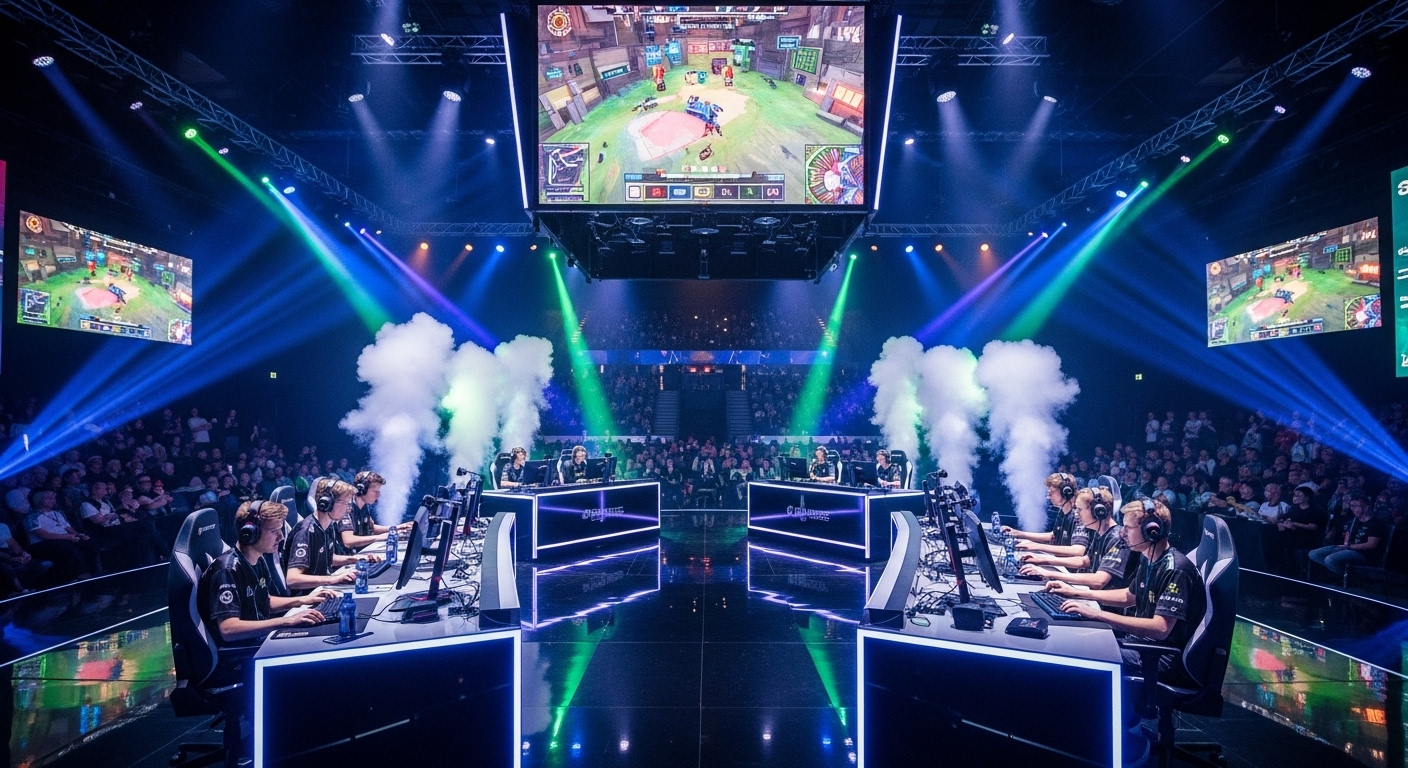
Esports started as small-scale competitions in the early days of video gaming, often hosted in local arcades or community centers. With the rise of online connectivity and streaming platforms, competitive gaming exploded into a professional industry. Today, major tournaments fill arenas, attract international audiences, and offer multi-million-dollar prize pools. The evolution of esports reflects the power of technology and the growing recognition of gaming as a legitimate and respected form of competition.
Popular Esports Games and Genres
Esports covers a wide range of games, each with its unique style, rules, and fan base:
- MOBA (Multiplayer Online Battle Arena): Games like League of Legends and Dota 2 emphasize teamwork and strategy.
- FPS (First-Person Shooter): Titles like Counter-Strike and Call of Duty test reflexes, precision, and coordination.
- Battle Royale: Games like Fortnite and PUBG combine survival skills with strategic thinking.
- Sports Simulations: FIFA and NBA 2K bring real-world sports into the digital competitive space.
- Fighting Games: Titles such as Street Fighter and Tekken focus on timing, skill, and one-on-one competition.
Each genre attracts dedicated players and fans, contributing to the diversity and growth of the esports ecosystem.
The Benefits of Esports
Esports offers more than entertainment. It provides cognitive, social, and professional benefits, including:
- Skill Development: Players improve hand-eye coordination, strategic thinking, and multitasking.
- Teamwork and Communication: Multiplayer games enhance collaboration and social interaction.
- Career Opportunities: Professional players, streamers, coaches, and analysts can build lucrative careers.
- Global Community: Esports connects people across cultures and borders through shared passion.
- Entertainment and Engagement: Spectators enjoy thrilling competitions and dynamic gameplay.
These benefits illustrate why esports has become a respected and influential part of modern culture.
Challenges Facing Esports
Despite its success, esports faces challenges. Competitive pressure can lead to stress and burnout for players. Online toxicity, cheating, and the risk of addiction are ongoing concerns. Additionally, infrastructure, sponsorship, and recognition vary across regions, affecting the sustainability of professional esports careers. Addressing these challenges is essential for the continued growth and credibility of the industry.
The Future of Esports
The future of esports looks promising and dynamic. Advancements in virtual reality, augmented reality, and artificial intelligence will make games more immersive and competitive. Global tournaments will continue to grow in scale and visibility, attracting broader audiences. Educational institutions and professional organizations are increasingly embracing esports, creating structured pathways for aspiring players. The line between esports, entertainment, and traditional sports will continue to blur, solidifying its place in mainstream culture.
Conclusion
Esports has transformed the way people play, watch, and engage with video games. From small competitions to international arenas, it is a testament to the power of technology, creativity, and human skill. As the industry grows, esports will continue to inspire players, unite communities, and redefine the meaning of competition in the digital age.