Introduction: The Rise of Esports
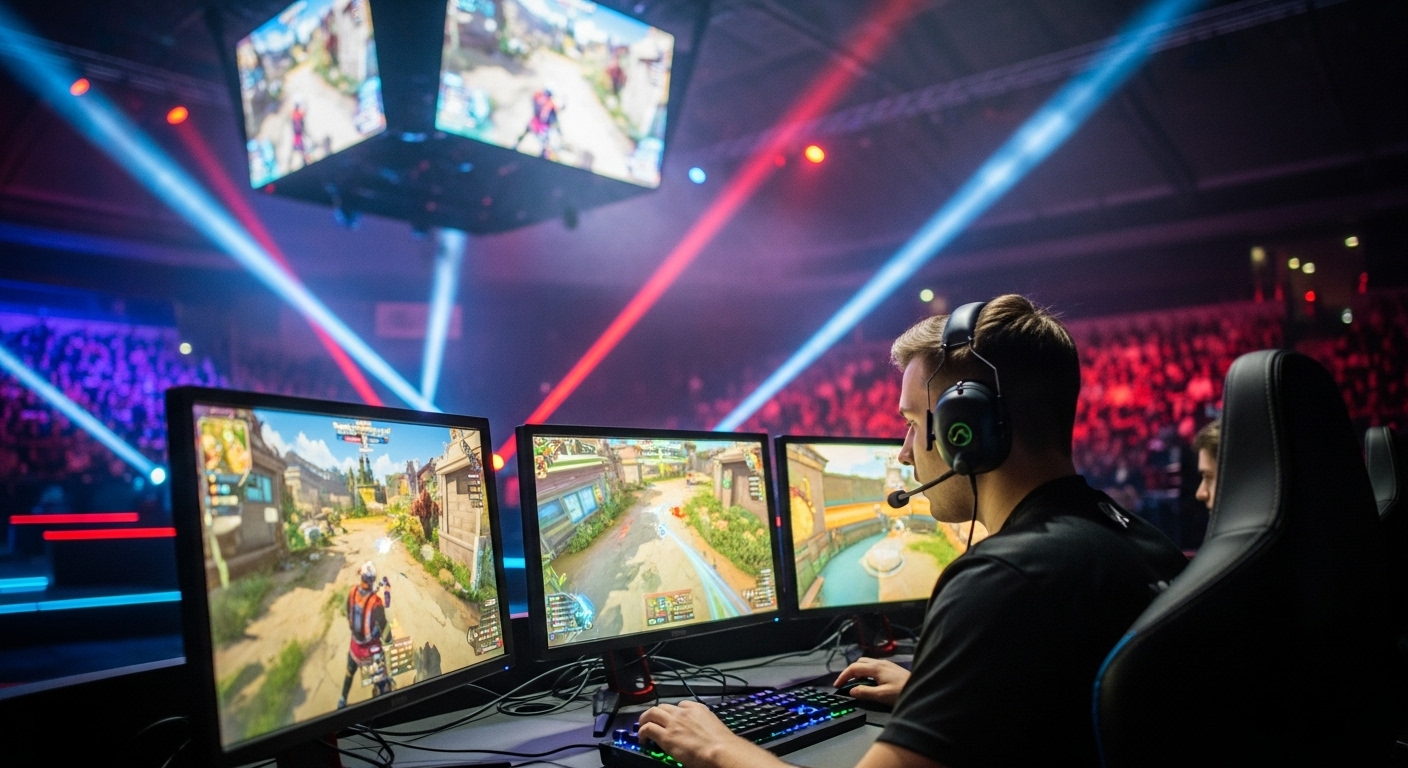
In the past two decades, a new form of competition has emerged that challenges traditional notions of sports and entertainment. Esports, or competitive gaming, has transformed from a niche hobby into a global phenomenon. What began as casual tournaments among friends has evolved into a professional industry attracting millions of players, fans, and sponsors worldwide. Unlike traditional sports, esports is not limited by physical boundaries; the arena exists wherever there is a computer, console, or internet connection. This accessibility has allowed esports to transcend age, culture, and geography, making it one of the fastest-growing forms of entertainment and competition in the modern era.
Understanding Esports: More Than Just Gaming
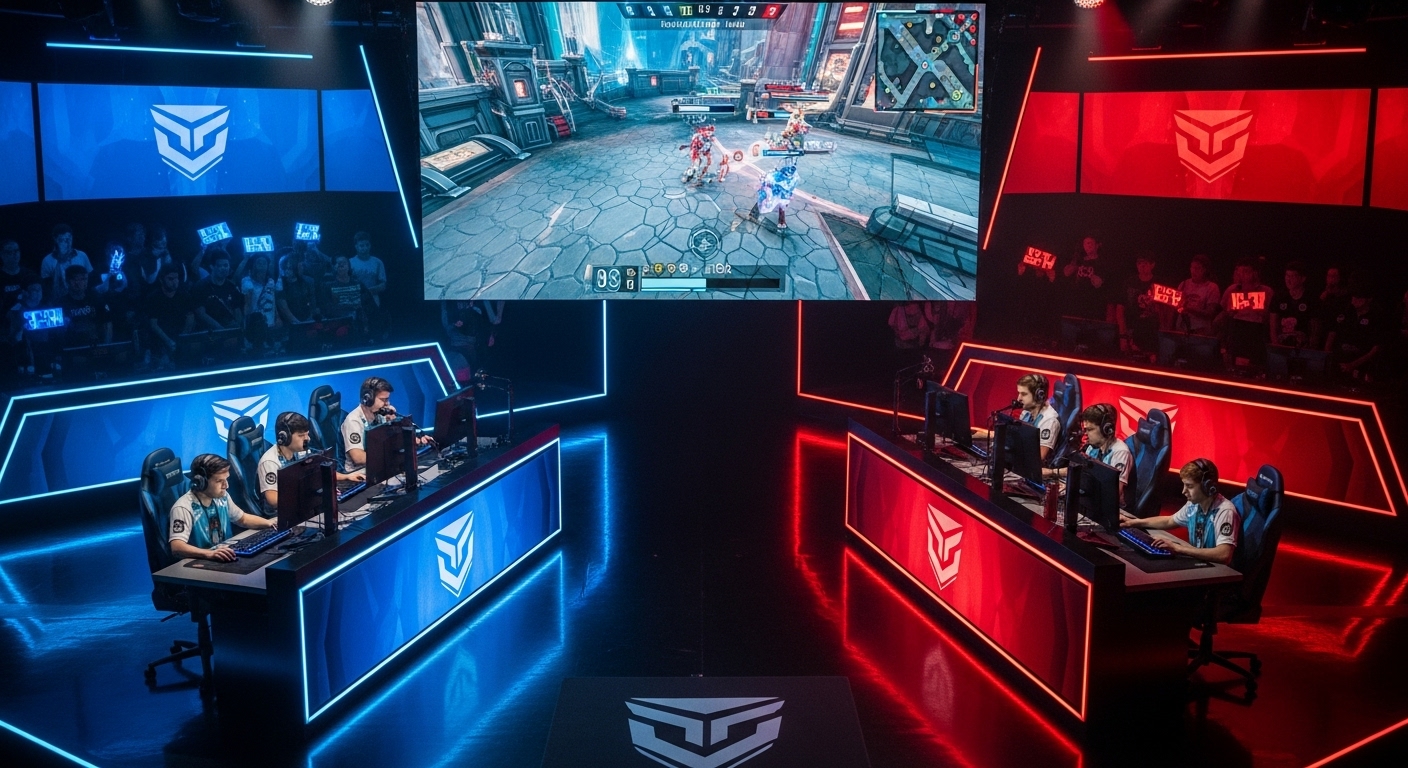
Esports is often misunderstood as simply playing video games, but it is much more complex. It requires strategy, precision, teamwork, and mental endurance. Competitive games like League of Legends, Dota 2, Counter-Strike, Fortnite, and Overwatch demand hours of practice, deep understanding of game mechanics, and the ability to adapt to evolving scenarios. Players are not only athletes in the digital sense but also strategists, decision-makers, and performers under pressure. Esports tournaments mimic the structure of traditional sports, featuring qualifiers, playoffs, and championships, often with prize pools reaching millions of dollars. This professionalization has given rise to a new category of careers, including professional players, coaches, analysts, commentators, and event organizers.
The Global Esports Community
One of the most remarkable aspects of esports is its global reach. Millions of fans follow competitions online, engage in forums, and participate in local gaming communities. Streaming platforms and social media have made it easier than ever for fans to watch their favorite players and teams live. Esports communities are diverse, encompassing people of different ages, backgrounds, and skill levels. These communities create a sense of belonging, where fans share experiences, strategies, and support for their favorite teams. Unlike traditional sports, esports fans often participate actively, whether by playing the same games, creating content, or engaging in discussions about game strategies. The community-driven nature of esports contributes to its rapid growth and cultural significance.
The Economic Impact of Esports
Esports is no longer just entertainment; it has become a multi-billion-dollar industry. Revenue streams include sponsorships, advertising, merchandise, ticket sales, and media rights. Top esports tournaments offer prize pools rivaling those of major traditional sports events. Corporations recognize the marketing potential of esports, sponsoring teams and events to reach younger, digitally-savvy audiences. Streaming platforms monetize content through subscriptions, advertisements, and donations, creating income opportunities for both professional players and content creators. The economic ecosystem surrounding esports also generates jobs in coaching, event management, broadcasting, and marketing. This financial growth underscores esports as a legitimate and sustainable industry, attracting investment from corporations and governments alike.
Esports and Professionalism
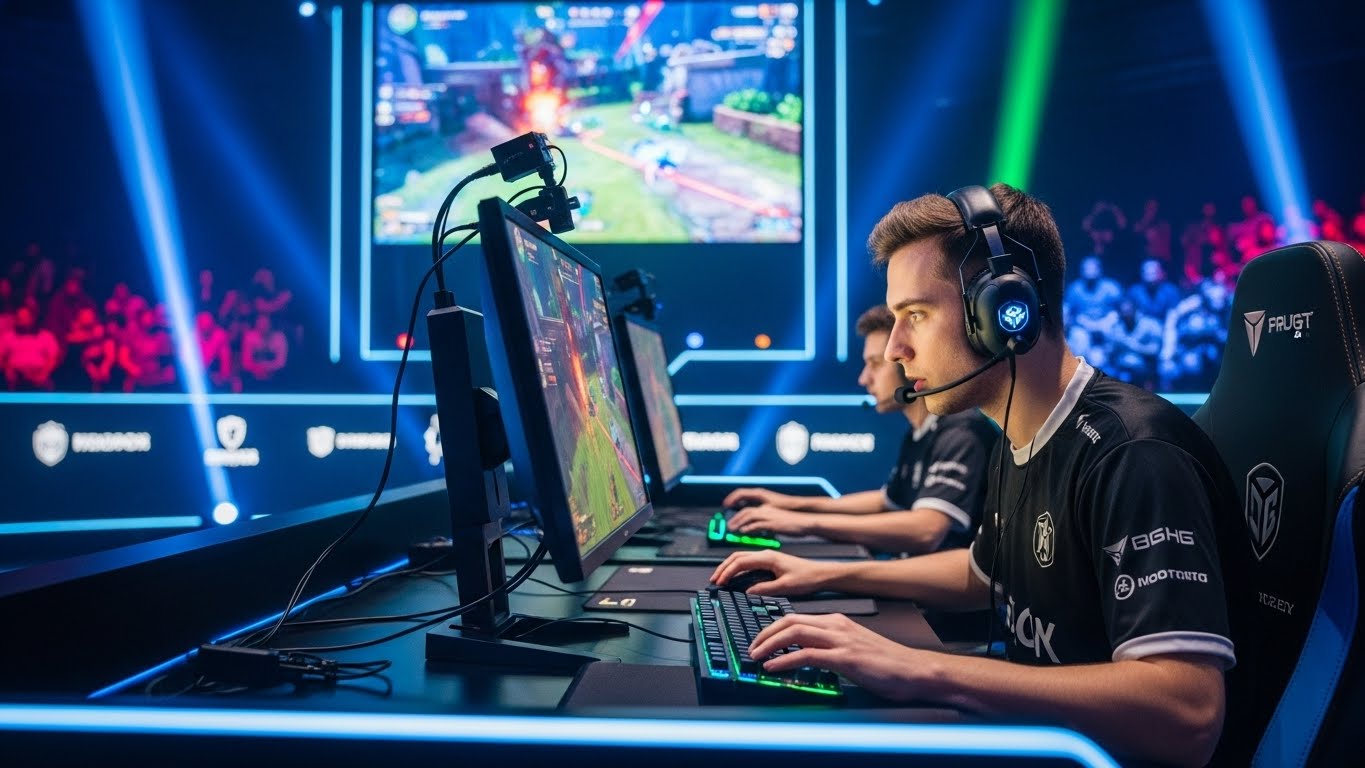
The professionalization of esports has changed the perception of gaming. Players dedicate hours to training, much like athletes in traditional sports. Rigorous practice schedules, physical fitness, diet management, and mental coaching are becoming standard components of professional esports careers. Teams employ analysts to study opponents, optimize strategies, and enhance performance. Tournaments are broadcast with professional commentary, production value, and global audiences, further elevating esports’ legitimacy. Colleges and universities now offer scholarships for esports, recognizing skill, dedication, and potential career pathways. The line between gaming as a hobby and esports as a profession continues to blur, legitimizing competitive gaming as a serious pursuit.
Mental and Cognitive Benefits of Esports
While esports is often criticized for being sedentary, it offers significant cognitive and mental benefits. Players develop strategic thinking, problem-solving skills, and quick decision-making abilities. High-level competition requires focus, concentration, and multitasking, enhancing cognitive flexibility. Team-based games improve communication, collaboration, and leadership skills. Additionally, esports provides stress relief, social interaction, and a sense of achievement. For many participants, competing in esports fosters self-confidence, resilience, and goal-setting abilities. Esports demonstrates that mental agility, strategy, and teamwork are as essential to success as physical prowess in traditional sports.
The Role of Technology in Esports
Technology is the backbone of esports. High-performance computers, fast internet connections, and advanced gaming peripherals are essential for competitive play. Streaming platforms enable live broadcasts to millions of viewers worldwide, creating interactive experiences for fans. Data analytics and artificial intelligence are increasingly used to study player performance, optimize strategies, and predict outcomes. Virtual reality and augmented reality are beginning to expand the possibilities of immersive gaming, while mobile esports brings competitive gaming to smartphones, making it accessible to an even broader audience. Technology not only powers the gameplay but also amplifies the experience for both players and fans, ensuring continuous growth and innovation.
Esports and Inclusivity
One of the defining features of esports is its inclusivity. Unlike many traditional sports that have physical barriers, esports is accessible to individuals of varying ages, genders, and abilities. Adaptive technologies and specialized equipment allow players with disabilities to participate at high levels. Women in esports are gradually gaining recognition, challenging stereotypes, and achieving professional success. Online communities enable players from different countries and cultures to connect, collaborate, and compete, fostering diversity and cross-cultural understanding. Esports exemplifies how digital platforms can democratize competition and provide opportunities for anyone with skill and dedication.
Challenges Facing Esports
Despite its rapid growth, esports faces several challenges. One of the primary concerns is the risk of physical and mental strain. Prolonged gaming sessions can lead to eye strain, poor posture, and repetitive strain injuries. Mental health issues such as stress, burnout, and anxiety are prevalent among professional players due to high expectations and intense competition. Regulatory and ethical issues also pose challenges, including concerns over cheating, match-fixing, and fair play. Additionally, esports must overcome societal stigma, as some still perceive gaming as unproductive or frivolous. Addressing these challenges is essential for the sustainable growth and recognition of esports as a legitimate competitive field.
Esports in Education and Career Development
Esports is increasingly integrated into education and career pathways. Schools and universities offer esports programs, fostering skill development, teamwork, and strategic thinking. These programs provide pathways for careers in professional gaming, coaching, event management, broadcasting, and content creation. Beyond gaming careers, esports develops transferable skills such as critical thinking, communication, leadership, and time management. By incorporating esports into education, institutions are recognizing the value of digital skills, technological literacy, and innovation, preparing students for diverse opportunities in the digital economy.
The Cultural Impact of Esports
Esports has a profound cultural impact, shaping entertainment, media, and social interaction. It has created new forms of celebrity, with professional players achieving global recognition and influence. Esports content influences fashion, music, and popular culture, particularly among younger generations. Tournaments and events create shared experiences, fostering global fan communities that transcend geographical and cultural boundaries. Memes, streaming personalities, and in-game culture contribute to a vibrant, dynamic subculture. Esports is not just a pastime; it is a cultural movement that redefines how people interact, socialize, and experience competition in the digital era.
The Future of Esports
The future of esports promises continued growth, innovation, and mainstream acceptance. Advancements in technology, virtual reality, and augmented reality will create new gameplay experiences and immersive tournaments. Mobile gaming and cloud-based platforms will make competitive gaming even more accessible, expanding audiences and participation. Esports is likely to integrate further with traditional sports, media, and entertainment, creating hybrid events and collaborations. As society increasingly values digital skills, strategic thinking, and creativity, esports will continue to gain recognition as a legitimate form of competition, education, and career development. The potential of esports to influence culture, economy, and personal growth is immense, and its evolution is only beginning.
Conclusion: Esports as a Transformative Force
Esports is redefining competition, entertainment, and community in the digital era. It combines skill, strategy, teamwork, and technology, creating experiences that are both engaging and transformative. The growth of esports highlights the potential of digital platforms to connect people, create opportunities, and inspire innovation. While challenges exist, including physical health, mental strain, and societal perceptions, the benefits of esports are undeniable. It provides avenues for personal development, professional careers, and global connectivity. Ultimately, esports represents a shift in how society defines competition, achievement, and community, proving that the power of play extends far beyond traditional boundaries. In the world of esports, the game is more than pixels on a screen; it is a reflection of human potential, resilience, and creativity in the 21st century.