Esports has rapidly transformed from a niche hobby into a global entertainment powerhouse. What began as friendly LAN competitions among small groups of gaming enthusiasts has evolved into a multibillion-dollar industry that rivals traditional sports in viewership, sponsorship, and cultural impact. In today’s digital era, esports is more than a game; it is a movement reshaping the future of sports, entertainment, and technology.
The Evolution of Competitive Gaming
The roots of esports can be traced back to the early days of arcade gaming. Competitive gaming existed long before high-speed internet, with players gathering in arcades to prove who could achieve the highest score. As technology advanced, so did the competitive landscape. With the rise of personal computers and console gaming, tournaments became more structured, organized, and accessible.
The true turning point arrived with online multiplayer games. Titles such as Counter-Strike, StarCraft, and Warcraft III laid the foundation for global competition by allowing players from different countries to battle in real time. Streaming platforms and social media later removed boundaries that once isolated gamers, enabling millions to watch tournaments from anywhere in the world. This shift was instrumental in transforming gaming from a private pastime into a professional and widely recognized sport.
Why Esports Captures Global Attention
Multiple factors contribute to the explosive popularity of esports. First, it appeals to a young, tech-savvy audience that grew up playing video games. Unlike traditional sports, esports is deeply embedded in digital culture, making it accessible to a global community without the limitations of geography.
Esports is also inclusive. Anyone with an internet connection and a device can participate, regardless of age, background, or physical ability. This open structure creates a vast pool of talent and expands the competitive ecosystem. Moreover, games evolve constantly, adding new challenges and strategies that keep the audience engaged.
Another major appeal is the excitement and unpredictability of competitive gaming. Every match is filled with fast-paced action, strategic maneuvers, and moments that keep viewers on the edge of their seats. The emotional highs of victory and the stinging defeats resonate deeply with fans, creating a sense of loyalty and community similar to traditional sports fandom.
The Rise of Professional Players and Teams
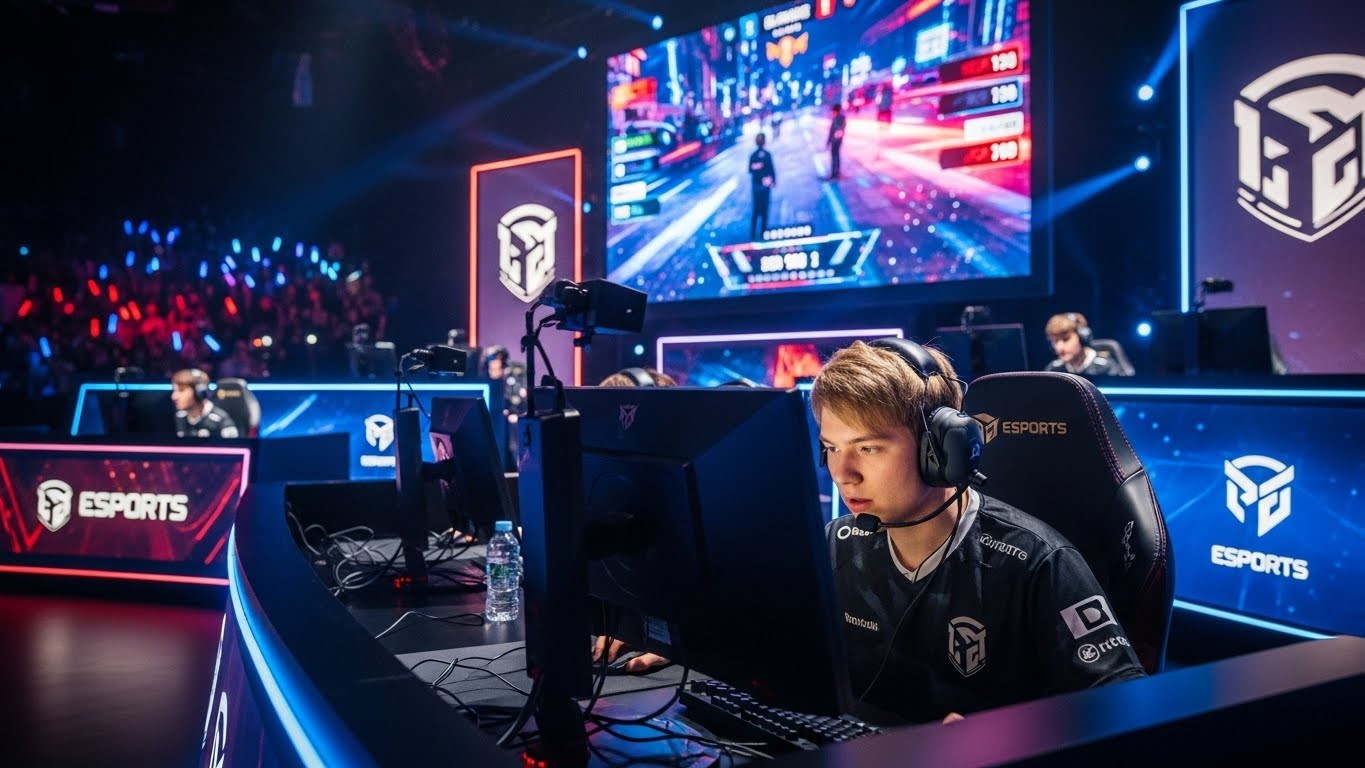
Esports has given birth to a new generation of athletes who dedicate countless hours to mastering their craft. Professional players train intensively, often practicing specific game mechanics, refining reactions, studying strategic plays, and maintaining peak mental focus. Many esports teams operate with the same structure as traditional sports organizations, complete with coaches, analysts, nutritionists, and psychologists.
For these professional players, esports is not just a hobby. It is a career path. With sponsorship deals, prize money, streaming revenue, and merchandise sales, top players can earn substantial incomes. The fame and admiration they receive rival those of athletes in football, basketball, or cricket. Fans follow their favorite players not only for their gaming skills but also for their personalities, dedication, and journey to the top.
Popular Games That Dominate the Scene
Esports encompasses a wide variety of genres, each attracting its own dedicated fanbase. Multiplayer battle arena games, first-person shooters, real-time strategy titles, and sports simulations all have established competitive circuits. Games such as League of Legends, Dota 2, Counter-Strike, Valorant, and Fortnite dominate global tournaments, with each title offering unique gameplay, strategies, and competitive dynamics.
These games are designed with esports in mind, featuring balanced mechanics, frequent updates, and spectator modes that make tournaments exciting to watch. Their global appeal ensures that major events draw millions of viewers, creating unforgettable moments that push esports further into mainstream culture.
How Tournaments Became Global Events
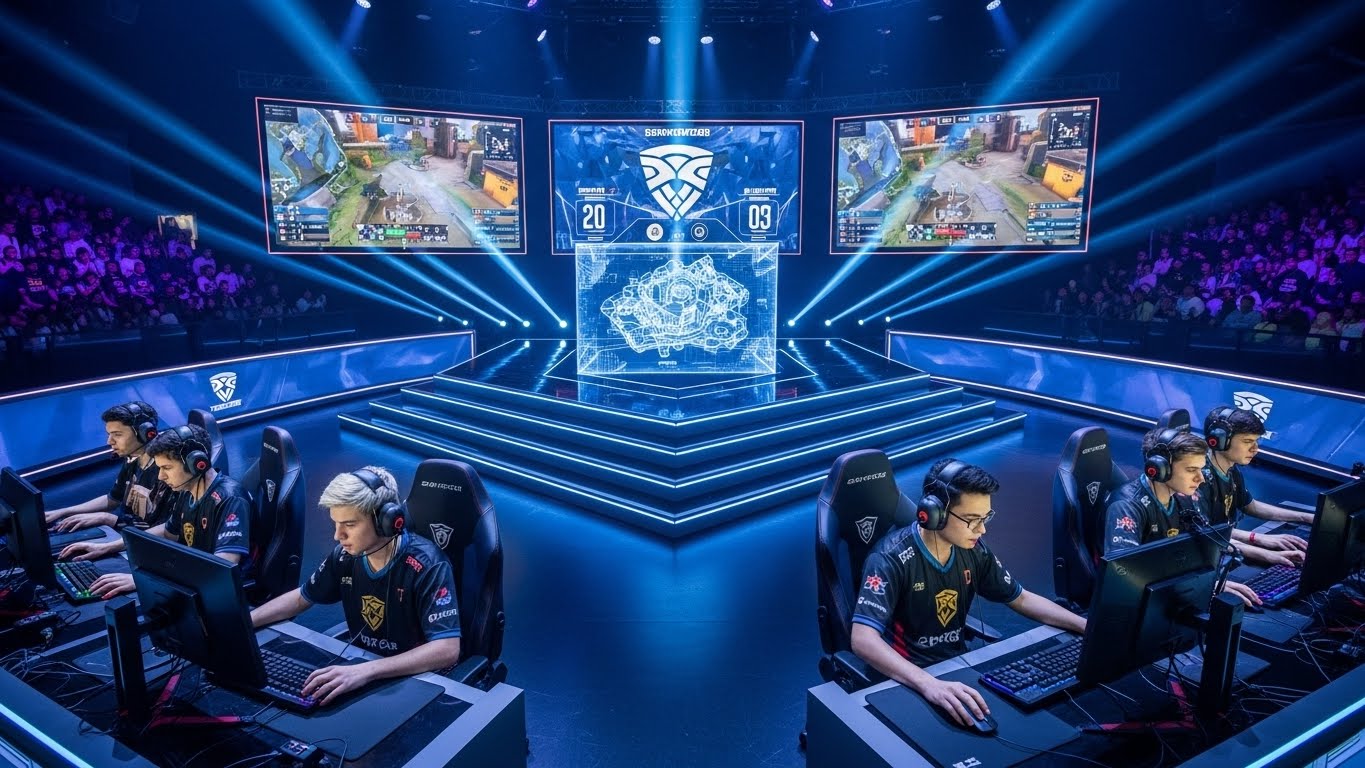
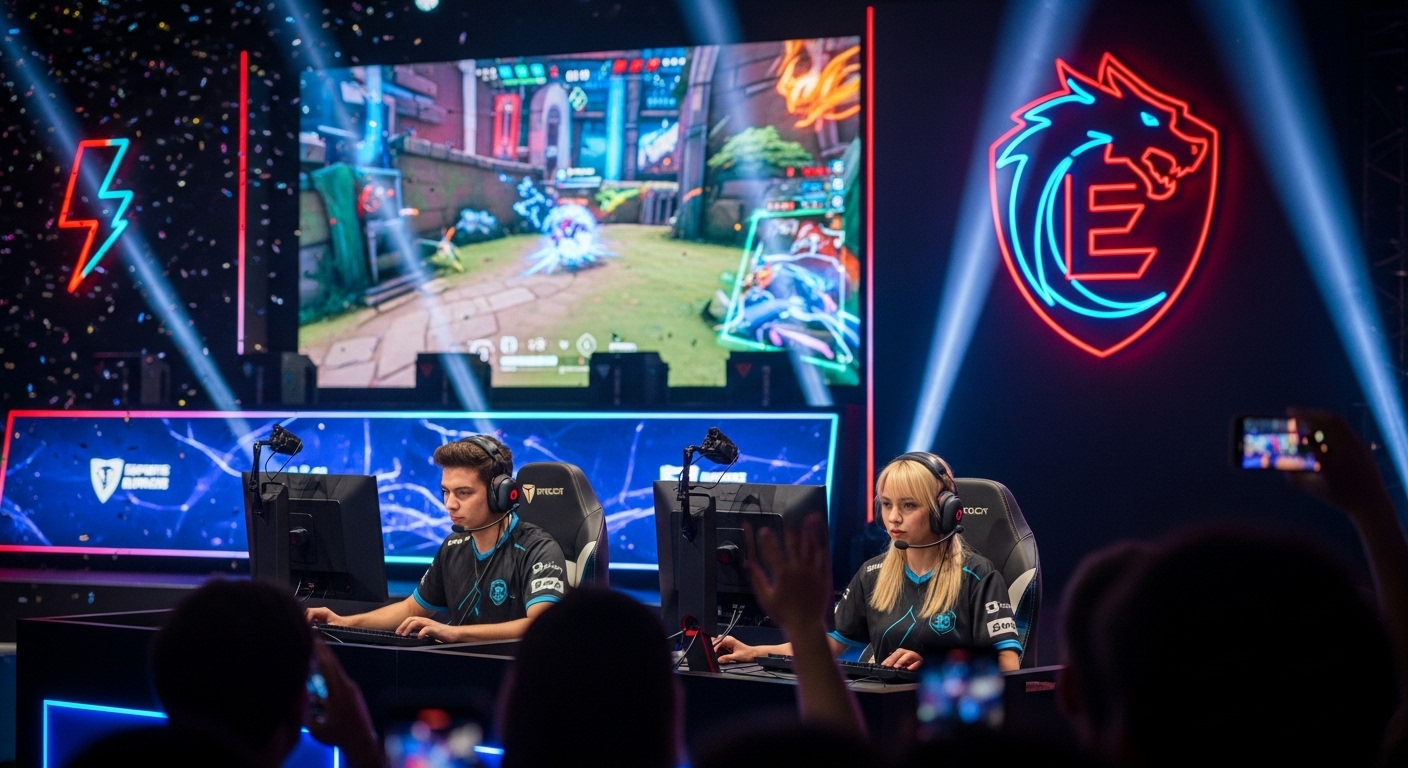
The structure and scale of esports tournaments have changed dramatically over the past decade. Early competitions were small gatherings in local gaming cafes or community centers. Today, major tournaments are held in massive arenas filled with thousands of cheering fans. These events include dazzling stage designs, live commentary, dramatic storylines, and intense rivalries.
International tournaments often last several days and conclude with grand finals that feel like major sporting championships. The energy, atmosphere, and production quality rival that of concerts and traditional sports finals. Millions more watch online, turning these events into global spectacles.
The competitive circuits of many games operate on seasonal formats. Teams compete throughout the year, earning points and rankings that secure their place in regional and international championships. This structure ensures continuous competition and keeps fans engaged year-round.
The Impact on Youth and Global Culture
Esports has become a massive cultural force among young people. Many teenagers and young adults aspire to become professional gamers or content creators. Gaming communities foster friendships across borders, encouraging collaboration and communication among people of diverse cultures.
Educational institutions have also recognized the value of esports. Schools and universities around the world now offer esports clubs, programs, and even scholarships. These initiatives highlight gaming’s potential to teach teamwork, leadership, critical thinking, and problem-solving skills.
The cultural impact extends beyond gameplay. Esports has influenced fashion, music, technology, and media. Collaborations between game developers and artists create unique experiences that attract both gamers and non-gamers alike. Merchandise, esports apparel, and limited-edition collectibles have become part of a growing lifestyle movement embraced by fans worldwide.
Economic Growth and Job Opportunities
The esports industry has grown into a thriving ecosystem that supports numerous career paths. Beyond professional players, there are opportunities for coaches, analysts, casters, streamers, event organizers, marketers, game developers, graphic designers, and many more.
Brands and companies from various industries invest heavily in esports, recognizing its potential to reach large and engaged audiences. This influx of sponsorship boosts the economy and supports the growth of tournaments, teams, and content creators. The industry’s expansion also drives innovation in gaming technology, including hardware development, virtual reality, and advanced graphics engines.
Esports also stimulates tourism and hospitality. Major tournaments bring fans from different countries to host cities, generating revenue for local hotels, restaurants, and businesses. As esports continues to integrate into global entertainment, its economic impact is expected to grow even further.
Challenges Faced by the Esports Industry
Despite its success, esports faces several challenges. One major issue is player burnout. The competitive nature of esports demands intense training, often leading to stress and exhaustion. Balancing mental health with the pressure to perform remains a key concern.
The industry also grapples with issues such as cheating, match-fixing, and inconsistent regulations across different games and regions. Ensuring fair play and maintaining integrity are essential to the credibility of competitive gaming.
Another challenge is sustainability. While major tournaments and top players receive global attention, smaller organizations and lesser-known games often struggle to secure funding. Building a stable and long-term ecosystem for all levels of competition is crucial for the continued growth of esports.
The Future of Esports
The future of esports is incredibly promising. As technology continues to advance, the boundaries of what is possible will expand. Virtual reality, artificial intelligence, and augmented reality may revolutionize how games are played and watched. The integration of interactive features in live broadcasts could give fans more immersive viewing experiences.
More countries are likely to officially recognize esports as a legitimate sport, opening doors for government support, training facilities, and international cooperation. Esports may eventually become part of large multisport events, bringing global recognition to professional gamers.
Additionally, the continued growth of mobile gaming will introduce esports to millions of new players, especially in regions where traditional gaming devices are less accessible. The rise of mobile-focused tournaments illustrates how the industry constantly adapts to reach wider audiences.
Conclusion
Esports is no longer just a digital pastime; it is a global movement reshaping entertainment, culture, and technology. From professional leagues to international tournaments, from young dreamers to world-famous champions, esports embodies passion, creativity, and innovation. As the digital arena continues to expand, the world will witness new forms of competition, collaboration, and connection.
The evolution of esports reflects the changing nature of modern society. With its blend of skill, strategy, community, and excitement, esports stands tall as one of the most influential phenomena of the 21st century. Whether you are a player, fan, or curious observer, the world of competitive gaming has something extraordinary to offer—and its journey is only just beginning.