Introduction
Once considered a fringe pastime reserved for dedicated gamers, Esports has transformed into one of the fastest-growing entertainment industries in the world. It is a realm where skill, strategy, and technology converge, producing tournaments that attract millions of viewers and generate massive revenues. What began as small, local competitions in dimly lit arcades has evolved into multi-million-dollar events broadcast across global networks. Esports today rivals traditional sports in popularity, influence, and financial power, marking a significant cultural shift in how people view gaming and competition.
The Origins of Competitive Gaming
The foundation of Esports can be traced back to the early 1970s and 1980s, when video games first captured the imagination of young players. In 1972, a group of students at Stanford University organized what is often considered the first competitive gaming event—a “Spacewar” tournament. The prize was modest, a year’s subscription to Rolling Stone magazine, but it symbolized something greater: the start of organized gaming.
As video games became more accessible in arcades and on home consoles, informal competitions began to appear everywhere. In the 1980s, classic titles like Pac-Man, Donkey Kong, and Space Invaders became the focal points of gaming tournaments. The 1980 Space Invaders Championship organized by Atari attracted more than 10,000 participants, signaling the first glimpse of Esports’ potential.
The Growth of Local Tournaments and LAN Parties
During the 1990s, the concept of multiplayer gaming expanded rapidly. Games like Doom, Quake, and Counter-Strike introduced the world to first-person shooters that could be played competitively. The rise of local area network (LAN) parties—where gamers connected their computers physically to compete—helped build strong community ties among players.
LAN tournaments offered players not only the chance to compete but also to socialize and showcase their skills in person. They were the grassroots foundation of modern Esports, fostering a sense of camaraderie and rivalry that would later define professional gaming culture.
The Internet Revolution and the Birth of Global Esports
The true turning point for Esports came with the widespread adoption of the internet. Online connectivity transformed competitive gaming from a local event into a global phenomenon. Suddenly, players from different continents could challenge each other without leaving their homes.
Games like StarCraft, Counter-Strike, and Warcraft III became the backbone of early Esports leagues. South Korea, in particular, emerged as a global hub for professional gaming. By the early 2000s, televised StarCraft tournaments were attracting millions of viewers across the country. Professional gamers became celebrities, sponsored by corporations and treated like traditional athletes.
This era also saw the birth of organized Esports organizations and leagues such as Major League Gaming (MLG) in North America and the World Cyber Games (WCG). These platforms provided structure, consistent competition, and global exposure to players.
The Role of Streaming and Digital Media
The 2010s marked another crucial evolution in Esports: the rise of live streaming. Platforms like Twitch and YouTube Gaming revolutionized how fans consumed Esports content. No longer confined to cable TV or specific channels, viewers could now tune in to live matches, replays, and commentary from anywhere in the world.
Streaming not only expanded Esports’ audience but also democratized the industry. Amateur players could broadcast their gameplay, build audiences, and even become professionals through sheer talent and charisma. The line between player and entertainer began to blur. Personalities like Ninja, Faker, and Shroud became household names, representing the new digital celebrity era.
The Business of Esports
What makes Esports unique is not just the gameplay—it’s the ecosystem surrounding it. By the mid-2010s, the Esports economy had developed into a complex network of sponsors, advertisers, tournament organizers, and media partners.
Corporate giants from tech, energy drinks, and even automotive sectors started investing in Esports teams and events. Brand partnerships became a major source of revenue, along with merchandise sales, ticketed events, and in-game purchases. Major tournaments like The International (for Dota 2), the League of Legends World Championship, and the Fortnite World Cup began offering prize pools that rivaled traditional sports tournaments.
For instance, The International 2019 prize pool exceeded $34 million, demonstrating the financial power of Esports. At the same time, player salaries, sponsorship deals, and streaming contracts reached unprecedented levels.
Esports as a Legitimate Sport
For years, traditional sports fans debated whether Esports should be considered a “real sport.” However, the similarities between the two are undeniable. Both require intense training, strategic thinking, teamwork, and exceptional mental endurance.
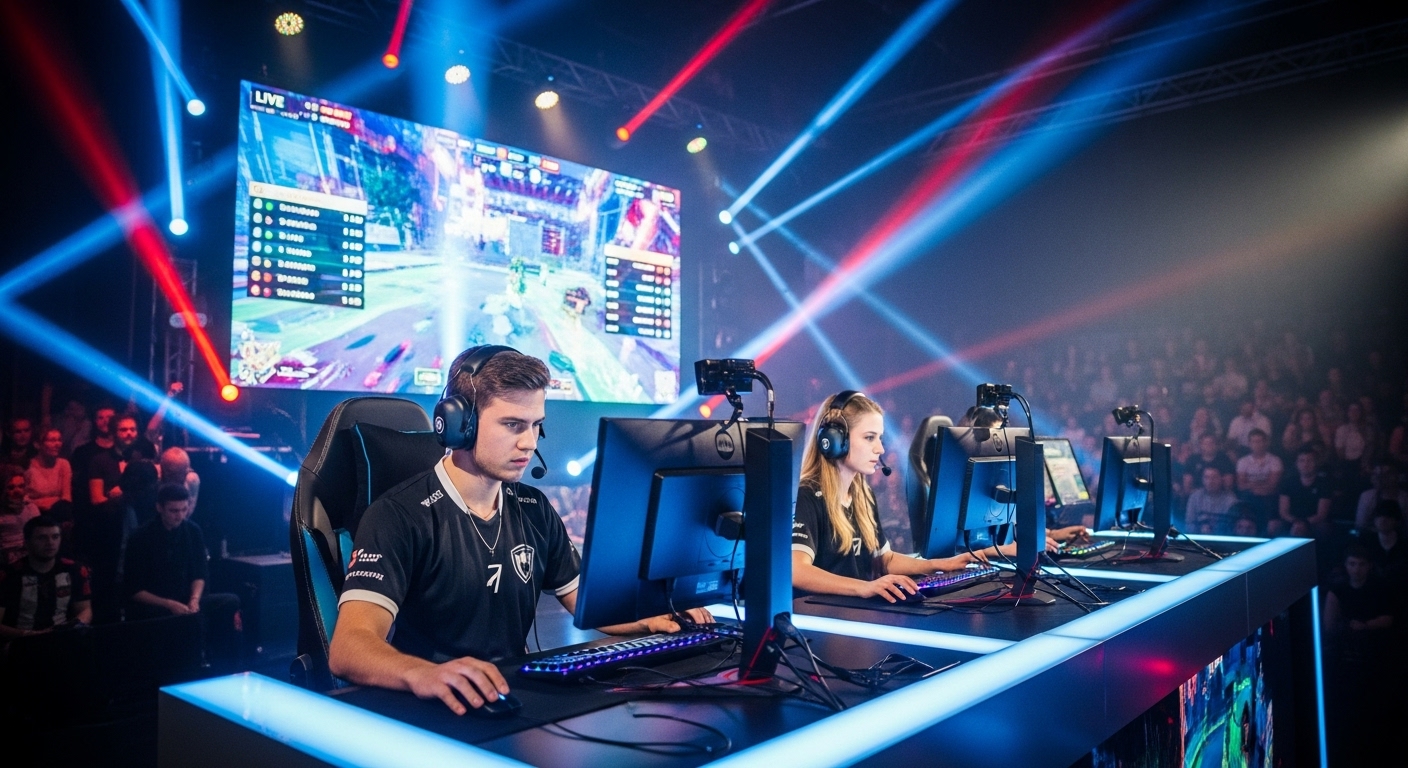
Professional Esports athletes often practice for 8 to 12 hours daily, refining their reflexes, communication, and game sense. Teams employ coaches, analysts, and nutritionists to maintain performance. Esports training facilities now mirror those of physical sports teams, complete with gyms, study rooms, and dedicated mental health professionals.
The International Olympic Committee (IOC) has even explored integrating Esports into future Olympic events, recognizing the cultural and economic significance of competitive gaming. Universities around the world now offer scholarships for Esports players, solidifying its position as a serious athletic discipline.
Diversity and Inclusion in Esports
As Esports grows, the conversation around diversity and inclusivity has become increasingly important. Historically, the scene was dominated by young male players, but in recent years, more women and players from diverse backgrounds have entered the professional space.
Organizations have started to promote inclusivity through all-female leagues, mixed tournaments, and anti-harassment initiatives. Streamers and influencers have also played a major role in promoting positive gaming culture, challenging stereotypes, and encouraging new players to participate without fear of discrimination.
The accessibility of gaming—requiring only a computer, console, or smartphone—means anyone, anywhere, can compete. This universality is one of the strongest appeals of Esports, bridging cultural and geographic divides.
The Role of Esports in Education and Youth Development
Beyond entertainment, Esports is finding a place in education. Schools and universities across the world now incorporate Esports programs to teach teamwork, communication, and problem-solving. Many institutions recognize Esports as a tool for engaging students in STEM (Science, Technology, Engineering, and Mathematics) subjects.
High school and collegiate Esports leagues have surged, giving students opportunities to compete, earn scholarships, and pursue careers in gaming-related fields such as event management, broadcasting, and game design. These programs provide a structured path for young players to develop professionally while maintaining academic balance.
Technology and the Future of Esports
Technology has always driven the Esports industry, and advancements continue to reshape its future. High-speed internet, virtual reality (VR), augmented reality (AR), and artificial intelligence (AI) are transforming how games are played and viewed.
Cloud gaming, for example, allows players to stream games directly without expensive hardware, making Esports even more accessible. Meanwhile, innovations in VR could create entirely new genres of competitive gaming, where physical movement and immersion play major roles.
The integration of blockchain technology and NFTs is also beginning to appear in Esports, offering new revenue models for teams and players through digital ownership, collectibles, and fan engagement.
Esports Infrastructure and Global Tournaments
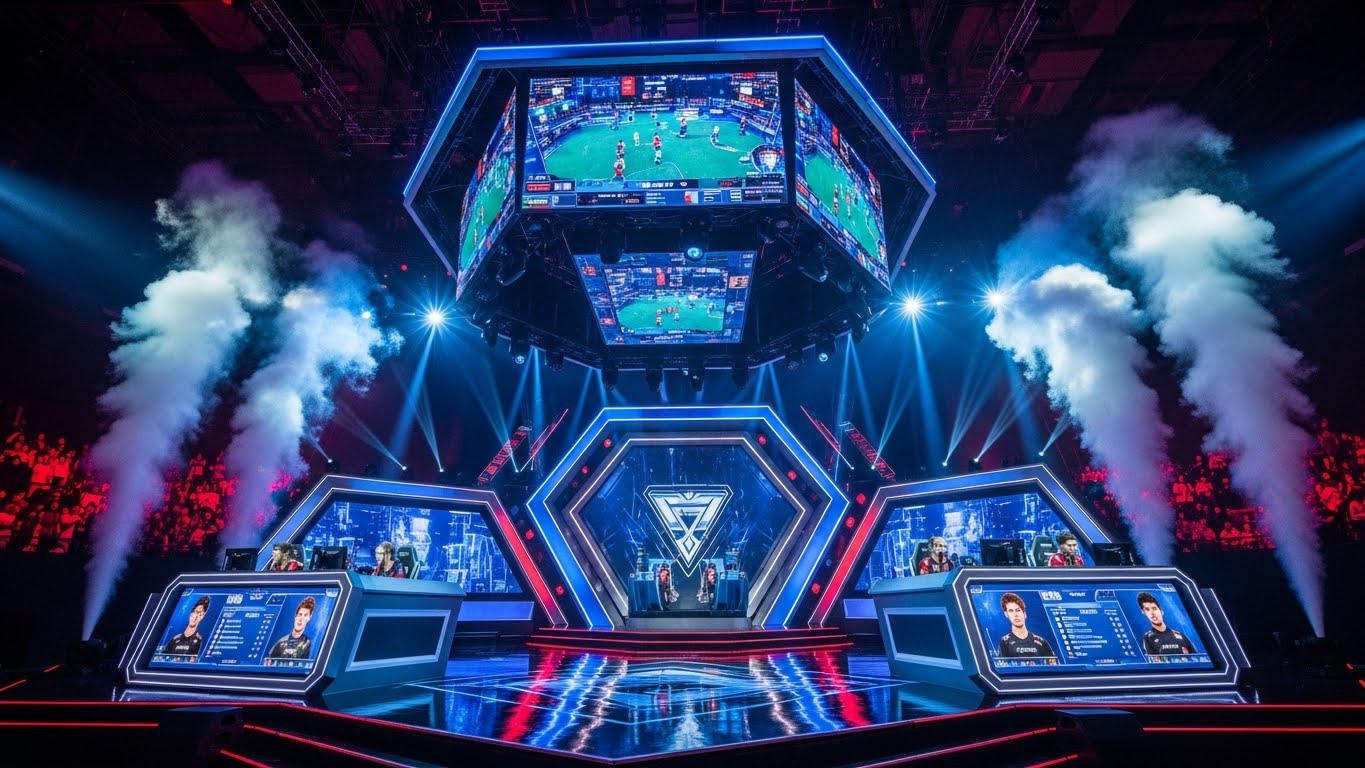
Modern Esports infrastructure is remarkably sophisticated. Dedicated arenas, training centers, and production studios are being built across major cities worldwide. These venues host large-scale events with professional-grade sound, lighting, and broadcasting equipment, rivaling any traditional sports arena.
Global tournaments like the League of Legends World Championship, Call of Duty League, and Valorant Champions Tour now draw millions of live viewers. The production value of these events continues to rise, blending elements of concert entertainment, cinematic storytelling, and professional competition.
Countries such as China, South Korea, and the United States lead in infrastructure development, but emerging regions like Southeast Asia, the Middle East, and Africa are quickly catching up, seeing Esports as both cultural and economic opportunities.
The Role of Fans and Communities
No Esports ecosystem can thrive without its community. Fans drive engagement, fuel sponsorships, and sustain the emotional connection that keeps the scene alive. Online forums, fan art, memes, and live chat discussions create a vibrant participatory culture.
Social media platforms have further amplified this connection, allowing direct interaction between players and fans. Team loyalty and rivalries add drama and excitement, turning each tournament into a shared global experience. The Esports fan is not just a passive viewer—they are an active participant, contributing to the culture through creativity and enthusiasm.
Challenges Facing the Esports Industry
Despite its meteoric rise, Esports faces challenges that must be addressed for sustainable growth. One major issue is player burnout. The intense practice schedules, mental pressure, and competitive stress can take a toll on players’ physical and emotional health.
Another concern is regulation. As Esports is a global phenomenon, it lacks a unified governing body to oversee rules, contracts, and fair play across all regions. This can lead to disputes, inconsistent standards, and exploitation of players.
Cheating and match-fixing also pose threats to Esports’ credibility. The use of hacks, illegal software, or manipulated results undermines the integrity of competitions. Thankfully, advanced anti-cheat systems and strict tournament regulations are helping combat these problems.
Finally, the volatility of game popularity is a unique challenge. Unlike traditional sports with stable formats, Esports titles can fade as trends change. Games must constantly evolve, adapt, or risk losing their competitive scenes.
The Future of Esports as Entertainment
Looking ahead, Esports will continue to merge with mainstream entertainment. Collaborations between game developers, musicians, and filmmakers are creating hybrid experiences that appeal to wider audiences.
Virtual concerts within games, celebrity appearances at tournaments, and cross-media storytelling are becoming common. The line between Esports, pop culture, and entertainment is blurring rapidly, signaling a future where gaming is a central part of global culture.
The continued expansion into mobile Esports also promises massive growth, particularly in developing regions. Mobile titles like PUBG Mobile, Free Fire, and Mobile Legends are dominating markets in Asia, Africa, and Latin America, reaching millions who may never have owned a gaming PC or console.
Economic Impact and Career Opportunities
Esports is not only about players—it is an industry with thousands of career paths. Event organizers, coaches, analysts, content creators, journalists, marketing specialists, and developers all contribute to the Esports ecosystem.
The economic ripple effect is profound. Esports tourism, sponsorships, and city partnerships are creating local jobs and boosting economies. Major cities like Seoul, Los Angeles, and Shanghai are investing heavily in Esports districts, recognizing its potential as both an entertainment and business powerhouse.
For many young people, Esports represents a new kind of career aspiration—a field where passion for gaming can lead to sustainable and respected professions.
Cultural Influence of Esports
Beyond its economic and competitive aspects, Esports has had a deep cultural influence. It has reshaped perceptions of gaming, transforming it from a solitary hobby into a social and professional pursuit.
Esports has also become a unifying force in a digital world. It connects people across borders, languages, and backgrounds. During global events, fans rally together to support their favorite teams, creating a sense of shared identity that transcends geography.
Pop culture now draws heavily from Esports aesthetics—streaming setups, digital avatars, and gaming slang have entered mainstream media. Films, TV shows, and documentaries celebrate the lives of Esports athletes, capturing their struggles and triumphs much like traditional sports stories.
Conclusion: The Future Belongs to Esports
Esports is no longer a futuristic concept—it is the present. Its rise mirrors the evolution of technology, community, and culture in the digital age. What began as a small gathering of passionate gamers has grown into a billion-dollar global movement that influences media, business, and education alike.
The future of Esports looks boundless. As innovation continues, and as society embraces gaming as both art and sport, the industry will expand into new realms we can barely imagine. For millions of players and fans, Esports is more than just competition—it is a shared passion, a lifestyle, and a testament to how digital entertainment can unite the world.