Introduction
Esports, or competitive gaming, has exploded onto the global stage in recent years, transforming from a niche hobby into a massive industry. What was once considered a pastime for tech enthusiasts and gamers has now evolved into a mainstream sport with millions of players, viewers, and even professional organizations. Esports tournaments are now being broadcast to millions across the world, and the industry is generating billions of dollars in revenue. But what is it about esports that has made it such a global phenomenon? In this blog post, we will explore the rise of esports, the factors that have contributed to its success, and its cultural impact on the gaming and entertainment industries.
The Origins of Esports
Esports traces its roots back to the early days of gaming. In the 1990s, competitive gaming began with small tournaments and LAN (local area network) parties where players would gather in person to compete. The release of games like Doom, Quake, and Warcraft opened the door for multiplayer gaming, which laid the groundwork for competitive gaming leagues. However, esports remained a relatively niche activity until the internet became more widespread, allowing players to connect and compete on a global scale.
One of the earliest major milestones in the development of esports was the establishment of tournaments like the Cyberathlete Professional League (CPL) in 1997. This league hosted competitions for games such as Quake, and its success helped lay the foundation for future professional gaming events. Another significant early tournament was the World Cyber Games (WCG), launched in 2000, which became a prestigious global competition for gamers across various titles. These events paved the way for esports to gain recognition and began to bring in sponsorships, viewers, and eventually a professional athlete pipeline.
The Growth of Esports and Its Explosion in Popularity
The real turning point for esports came in the 2010s, with the rise of popular multiplayer online games like League of Legends, Dota 2, Counter-Strike: Global Offensive, and Overwatch. These games introduced accessible platforms for competitive play, attracting large and dedicated communities of gamers. Tournaments began to offer larger prize pools, drawing in top-tier players from around the world, while platforms like Twitch provided a means for fans to watch live broadcasts of the events.
In 2011, League of Legends by Riot Games became a pivotal game for esports. Its highly competitive nature, coupled with its free-to-play model, made it accessible to millions of players. The first League of Legends World Championship in 2011 offered a modest prize pool, but the event was a huge success, marking a key moment in the establishment of esports as a global industry. By 2018, the League of Legends World Championship offered a prize pool of $6.4 million, and the event attracted over 100 million viewers worldwide.
The launch of Twitch in 2011 provided the perfect platform for esports to flourish. As the leading live streaming service for gamers, Twitch allowed fans to watch their favorite players and teams compete in real time. The ability to interact with players, comment on matches, and even participate in live chats helped create a sense of community around esports. As more viewers flocked to Twitch, advertisers and sponsors took notice, leading to lucrative partnerships with major brands like Coca-Cola, Intel, and Red Bull.
In addition to mainstream games like League of Legends and Dota 2, esports also saw the rise of battle royale games like Fortnite, PUBG, and Apex Legends. These games, which involve a large number of players competing to be the last one standing, introduced new formats of competition, further expanding the diversity of esports events and appealing to a broader audience.
The Esports Ecosystem: Teams, Leagues, and Organizations
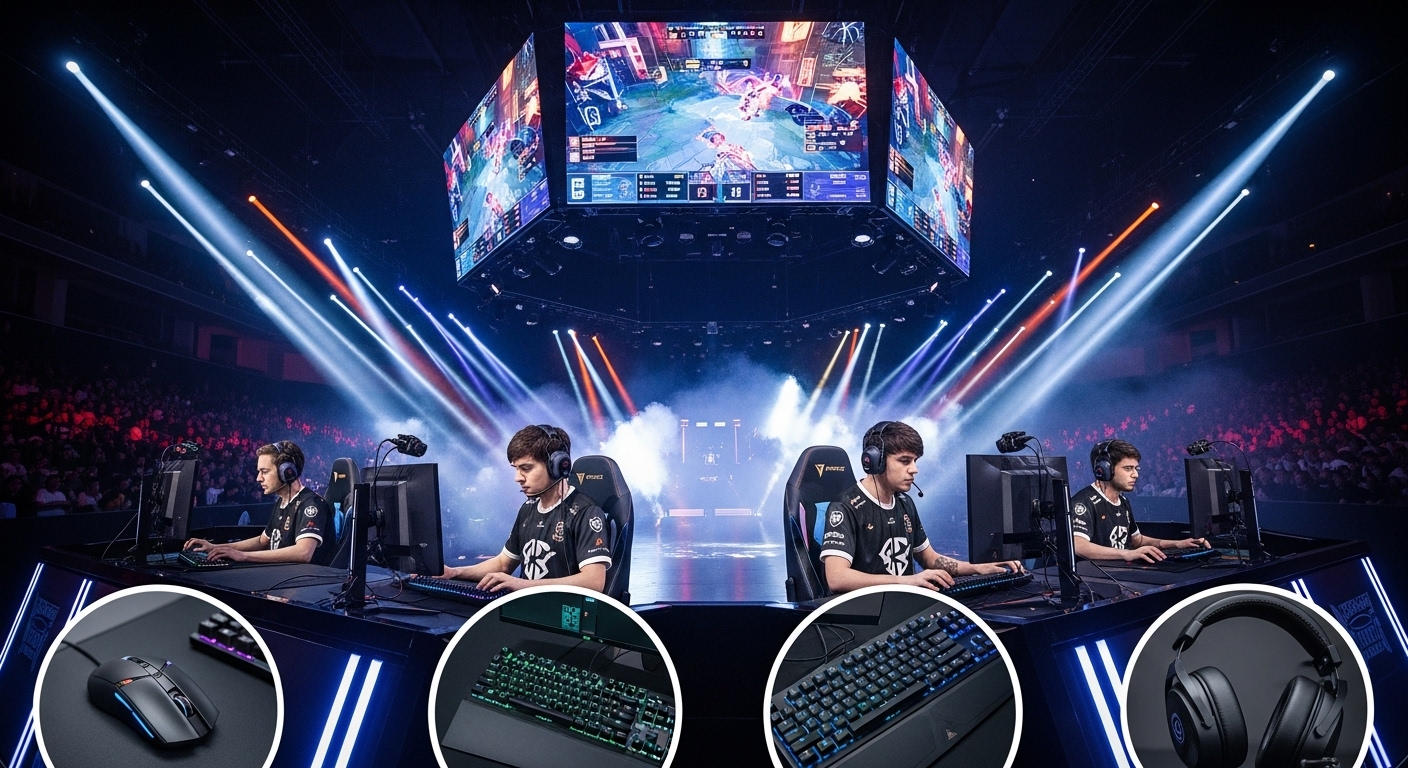
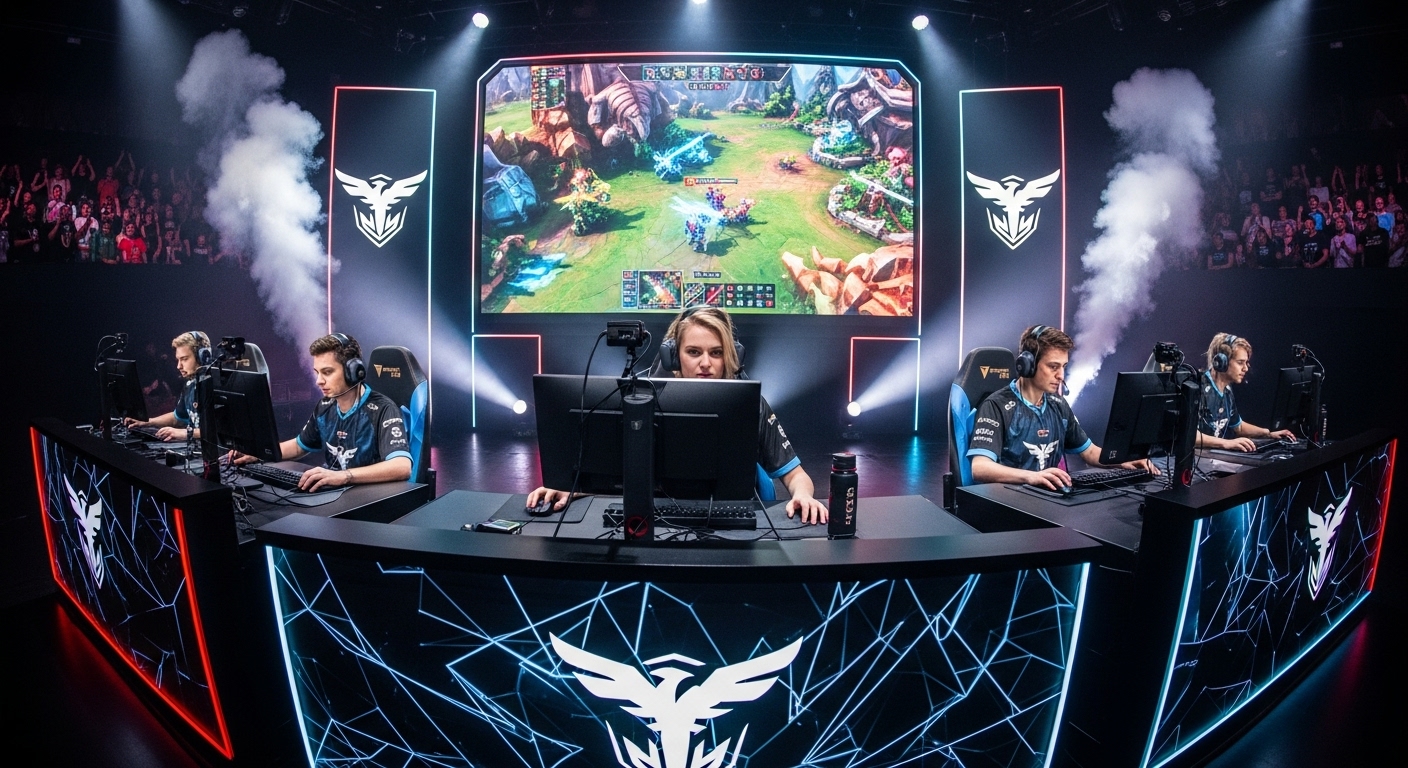
Esports has evolved into a fully developed ecosystem, where players, teams, sponsors, organizers, and broadcasters all work together to drive the industry forward. At the center of this ecosystem are the professional teams, which recruit the best players to compete in various games. Esports teams are structured much like traditional sports teams, with players, coaches, analysts, and managers.
Many top-tier esports organizations, such as Cloud9, Fnatic, Team Liquid, and G2 Esports, are international powerhouses that field teams in multiple games. These teams are often supported by corporate sponsors and have dedicated training facilities, coaching staffs, and medical professionals to keep players in peak condition. For top esports players, being recruited by a prestigious team offers financial stability, fame, and a platform to reach millions of fans.
Professional esports leagues are another critical aspect of the ecosystem. Leagues like the Overwatch League (OWL), League of Legends European Championship (LEC), and Call of Duty League (CDL) provide a structured competition format with regular seasons, playoffs, and championships. These leagues are modeled after traditional sports leagues, with team owners, franchise systems, and revenue-sharing models. They provide a pathway for players to progress from grassroots competitions to the highest levels of professional play.
Esports Players: The Athletes of the Digital Age
Esports players are often referred to as digital athletes, and for good reason. Just like traditional athletes, esports professionals must train for hours every day, hone their reflexes, improve their coordination, and study their opponents. While physical strength is not as essential in esports, mental and cognitive endurance is critical. Esports players must make split-second decisions, communicate effectively with teammates, and maintain focus in high-pressure situations.
Esports players train intensively, often spending upwards of 10 hours a day practicing their gameplay, studying strategies, and analyzing matches. They work with coaches to improve their individual skills and team coordination. Many players also consult with sports psychologists to maintain their mental health and focus, as the pressure of constant competition can take a toll on their well-being.
The life of a professional esports player is not without challenges. The average career span for an esports player is relatively short, as players typically peak in their early twenties and retire in their late twenties or early thirties. Physical strain, mental fatigue, and the constant need to stay ahead of the competition contribute to the short career lifespan. However, for those who succeed, esports can be a lucrative career, with top players earning substantial salaries, sponsorships, and streaming revenue.
Esports as Entertainment: Fans, Viewership, and Streaming
Esports is not just for players; it is a spectator sport, attracting millions of viewers worldwide. The ability to watch live tournaments, engage with commentary, and interact with other fans has turned esports into a highly social form of entertainment. Platforms like Twitch, YouTube Gaming, and Facebook Gaming allow fans to watch their favorite players compete in real-time, while providing a space for community interaction.
Major esports tournaments, like The International (Dota 2 World Championship), League of Legends World Championship, and ESL One, regularly attract millions of viewers, rivaling the viewership of traditional sports events. The International 2019 had a prize pool of over $34 million and attracted more than 1 million concurrent viewers during the grand finals. These events are broadcast globally, with live commentary, analysis, and post-match interviews providing fans with a full entertainment experience.
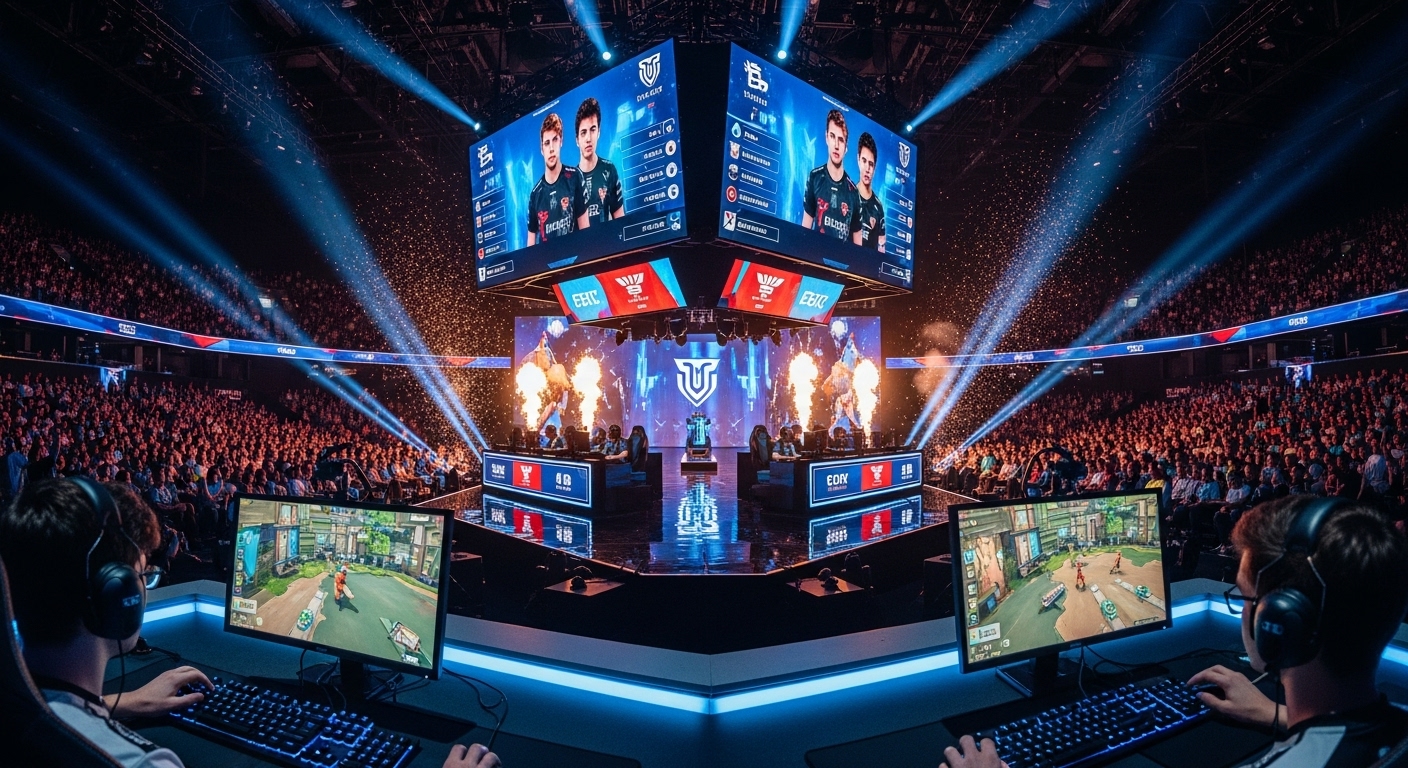
Esports has become so mainstream that traditional sports broadcasters are increasingly taking notice. Networks like ESPN and Turner Sports have begun airing esports tournaments, providing wider visibility and legitimacy to the industry. Some esports events are even being held in traditional sports arenas, with large crowds attending in person. The growing popularity of esports has not only attracted viewers but also major advertisers, further fueling the growth of the industry.
The Business of Esports: Sponsorships, Revenue, and Investments
Esports has become a multi-billion-dollar industry, driven by a combination of sponsorships, advertising, ticket sales, merchandise, and media rights. Major brands from various industries, including technology, gaming, and consumer goods, are investing heavily in esports, seeing it as a way to reach a young, engaged audience.
Sponsorship deals between esports teams and brands can be worth millions of dollars. Companies like Intel, Coca-Cola, Mercedes-Benz, and Nike sponsor tournaments, teams, and players, providing funding and promoting their products to the global gaming community. These partnerships help ensure the financial sustainability of the esports ecosystem and support the growth of the industry.
The growing investment in esports has also led to the creation of professional esports leagues and tournaments with significant prize pools. These competitions offer millions in cash prizes, and players who perform well can earn substantial incomes. The prize pool for The International 2018 reached $25 million, with the winning team, OG, taking home $11 million. The financial rewards in esports are now on par with those of traditional sports.
The Future of Esports
As esports continues to grow, its future is bright, with several emerging trends shaping its trajectory. One of the most exciting developments is the increasing recognition of esports as a legitimate form of sports competition. Esports is being included in major multi-sport events like the Asian Games and could potentially be part of the Olympic Games in the future. This growing institutional recognition is helping elevate esports to a new level of respectability.
Another trend is the rise of mobile esports. As mobile gaming continues to grow, games like PUBG Mobile and Mobile Legends are becoming competitive sports in their own right. Mobile esports tournaments are attracting millions of viewers, particularly in Asia, and providing opportunities for players who may not have access to high-end gaming PCs or consoles.