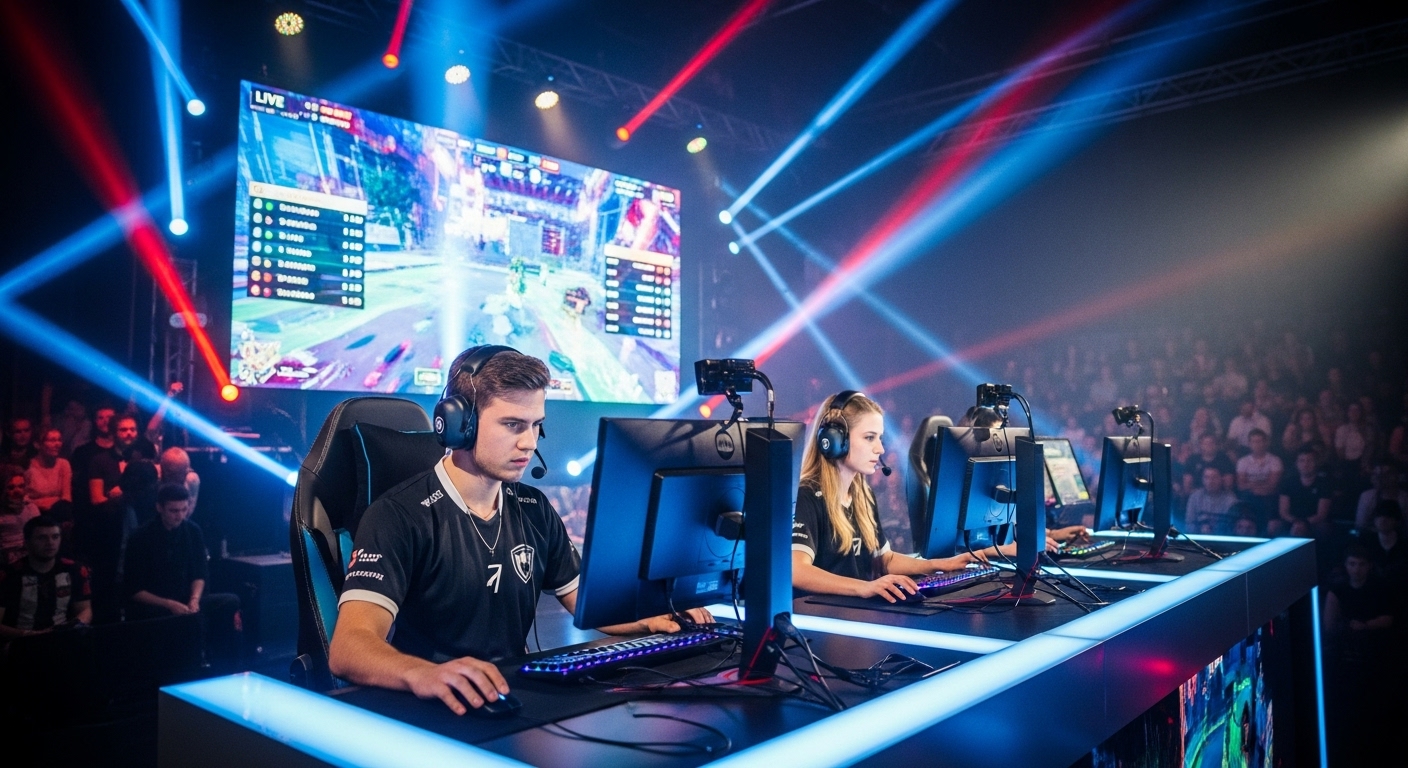
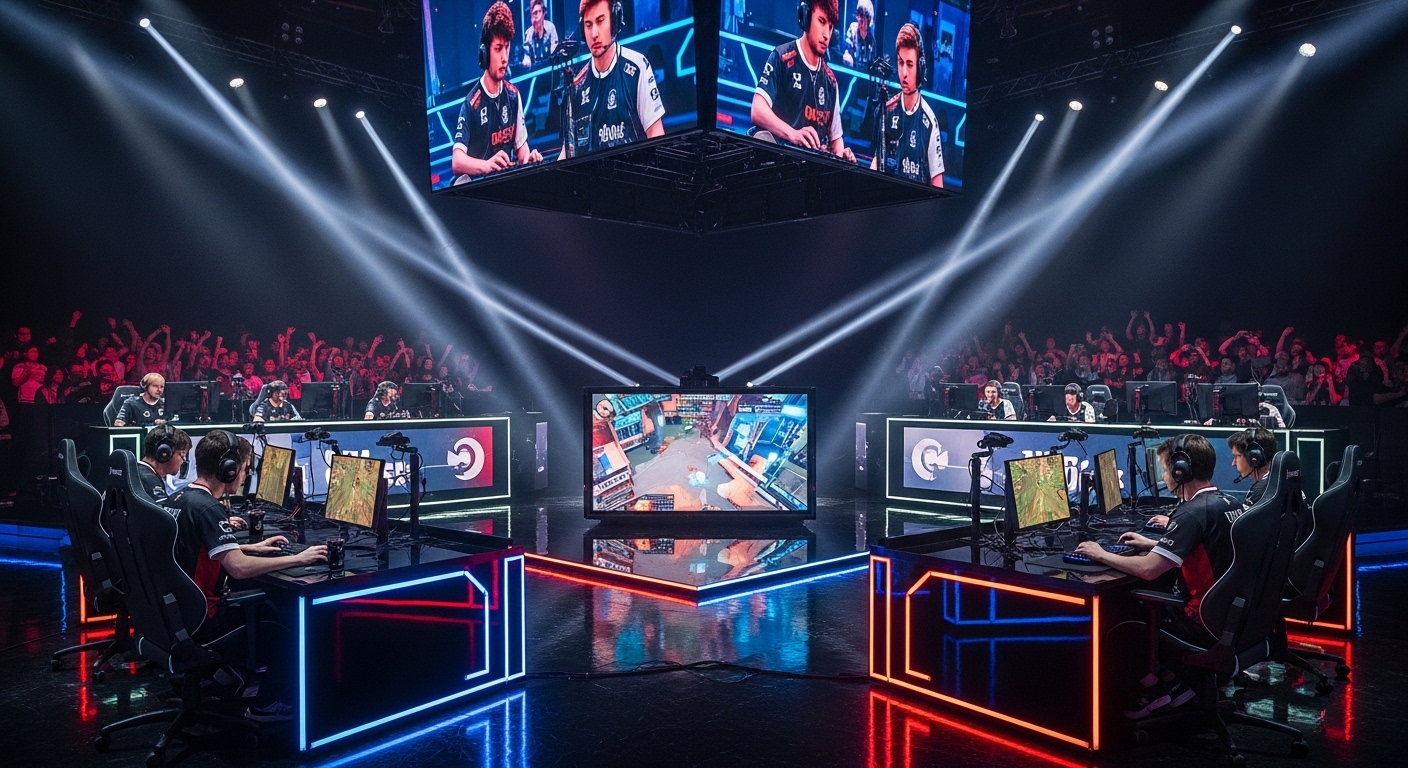
Esports, or competitive video gaming, has transformed from a niche hobby into a global phenomenon, captivating millions of players and fans worldwide. What began as small-scale competitions in internet cafes and living rooms has grown into a billion-dollar industry, complete with professional leagues, sponsorships, and international tournaments. Esports is no longer just a pastime; it is a cultural movement, a career path, and a new form of sports entertainment that rivals traditional athletics in skill, strategy, and audience engagement. This blog explores the evolution of esports, its cultural and economic impact, the skills required to compete, and its future potential.
The Evolution of Esports
The history of esports can be traced back to the early 1980s when arcade games like Space Invaders and Pac-Man sparked competitive challenges among players. By the 1990s, video game tournaments began to take shape, fueled by games such as Street Fighter and StarCraft. These competitions were initially limited to local communities, but the rise of the internet allowed gamers to connect and compete on a global scale.
The 2000s marked the beginning of organized esports leagues and professional teams. Titles like Counter-Strike, Dota 2, and League of Legends became central to competitive gaming, attracting sponsors, media attention, and fan communities. Today, esports tournaments fill stadiums, offer multi-million-dollar prize pools, and are broadcasted on streaming platforms, demonstrating that digital competition has arrived as a legitimate form of entertainment and sport.
The Cultural Impact of Esports
Esports has had a profound cultural impact, particularly among younger generations. Gaming has shifted from being seen as a solitary or recreational activity to a communal and highly social experience. Professional esports players are celebrated as celebrities, inspiring millions of fans through their skill, personality, and online presence.
Streaming platforms allow fans to watch tournaments live, follow players’ daily routines, and even interact in real-time. This interaction has created a unique culture centered around digital competition, blending fandom, community engagement, and content creation. Cosplay, fan art, and esports-related events further contribute to a vibrant subculture that extends beyond the games themselves.
The Economic Impact of Esports
Esports is no longer just a hobby; it is a major economic force. Professional teams generate revenue through sponsorships, merchandise, streaming partnerships, and tournament winnings. Brands recognize the value of esports in reaching a young, engaged, and tech-savvy audience, leading to investments from traditional sports franchises, technology companies, and entertainment corporations.
Streaming platforms provide an additional revenue stream for players and content creators, allowing them to earn money through subscriptions, donations, and advertising. Esports has also contributed to the growth of gaming hardware, software development, and digital infrastructure, creating jobs and driving technological innovation. The economic ecosystem surrounding esports demonstrates that competitive gaming is not only entertainment but also a viable industry with global significance.
The Skills Required in Esports
Success in esports requires far more than quick reflexes. Professional players must demonstrate strategic thinking, teamwork, adaptability, and mental resilience. Games like Dota 2 and League of Legends require players to analyze complex scenarios, make split-second decisions, and coordinate with teammates to achieve objectives. First-person shooters demand precision aiming, spatial awareness, and rapid decision-making under pressure.
Physical health also plays a role. Despite being a digital activity, esports requires stamina, hand-eye coordination, and fine motor control. Professional players often follow rigorous training regimens, including exercise, nutrition, and mental conditioning, to maintain peak performance. The combination of cognitive, strategic, and physical skills highlights that esports is a demanding and highly specialized form of competition.
Esports and Education
Esports has begun to intersect with education in innovative ways. Schools and universities now offer esports programs, scholarships, and competitive teams, recognizing gaming as a legitimate avenue for skill development and career opportunities. Participation in esports teaches teamwork, problem-solving, time management, and leadership—skills that are transferable to many professional fields.
Moreover, esports education extends to careers beyond playing. Opportunities exist in coaching, broadcasting, event management, game development, and marketing. By integrating esports into educational programs, institutions are preparing students for the growing digital economy while promoting digital literacy and strategic thinking.
The Role of Streaming and Media
Streaming platforms have played a crucial role in the growth of esports. Services such as Twitch, YouTube Gaming, and regional platforms allow players to broadcast live gameplay, interact with viewers, and build personal brands. Streaming has transformed esports from a competition-based activity into an interactive entertainment experience, where fans engage directly with players and tournaments in real time.
Media coverage has also expanded esports’ reach, with specialized shows, podcasts, and news outlets dedicated to competitive gaming. This visibility has legitimized esports as a mainstream form of entertainment, drawing attention from sponsors, advertisers, and traditional media companies. Streaming and media are thus central to the cultural and economic ecosystem of esports.
Global Esports Tournaments
Esports tournaments have grown to rival traditional sporting events in scale and spectacle. Competitions such as The International for Dota 2, the League of Legends World Championship, and the Fortnite World Cup offer multi-million-dollar prize pools and attract millions of viewers worldwide.
These tournaments provide a platform for international competition, showcasing the skill and creativity of top players while uniting fans across cultures and continents. Major events are often held in stadiums with live audiences, blending traditional sports production with digital innovation. The global reach of esports demonstrates its power as a unifying and highly engaging form of entertainment.
Challenges in Esports
Despite its rapid growth, esports faces significant challenges. Player burnout, mental health issues, and intense pressure are common concerns for professional gamers. Long hours of practice and high-stakes competition can lead to stress, anxiety, and physical strain. Teams and organizations are increasingly recognizing the need for mental health support and wellness programs to protect players.
Regulation and governance are also ongoing challenges. Ensuring fair play, addressing cheating, and creating standardized rules across regions require coordinated efforts. Additionally, the digital nature of esports raises issues related to intellectual property, online harassment, and data security. Addressing these challenges is essential for the sustainable growth of esports as an industry and culture.
The Future of Esports
The future of esports is full of possibilities. Virtual reality and augmented reality are expected to create more immersive gaming experiences, while mobile esports continues to expand access globally. Artificial intelligence and advanced analytics may provide new tools for player training and strategy optimization.
Esports is also likely to deepen its integration with mainstream entertainment, with collaborations in movies, music, and fashion. As technology advances, the line between digital and physical sports may blur, opening opportunities for hybrid competitions that combine traditional and virtual experiences. The future promises continued growth, innovation, and global cultural impact.
Esports and Society
Esports is more than a form of entertainment; it reflects broader societal trends in technology, communication, and culture. It demonstrates how digital platforms can create global communities, foster creativity, and generate economic opportunities. Esports also challenges traditional notions of competition, skill, and athleticism, expanding the definition of what it means to be an athlete in the 21st century.
The social impact of esports is significant. It provides inclusive spaces for individuals who may not participate in traditional sports, promotes teamwork and collaboration, and offers pathways for career development in the digital economy. By embracing esports, society acknowledges the value of emerging forms of skill, entertainment, and cultural expression.
Conclusion: Esports as a Cultural and Competitive Revolution
Esports has evolved from a niche hobby into a global cultural and economic phenomenon. It has redefined competition, entertainment, and professional opportunities in the digital age. Through professional leagues, streaming platforms, tournaments, and education programs, esports has created a vibrant ecosystem that engages millions worldwide.
The skills required for success in esports—strategic thinking, teamwork, reflexes, and mental resilience—demonstrate that competitive gaming is a highly demanding and legitimate form of sport. The industry’s economic impact, cultural influence, and educational integration further highlight its significance in modern society.
As esports continues to grow, it faces challenges related to mental health, regulation, and sustainability, but the potential for innovation and global engagement is immense. By understanding and embracing esports, we recognize the evolving nature of competition, the power of digital communities, and the limitless possibilities of human creativity in the digital era.
In the end, esports is more than just gaming; it is a revolution in competition, culture, and technology, redefining how we connect, compete, and celebrate skill in the 21st century.