Introduction to Esports
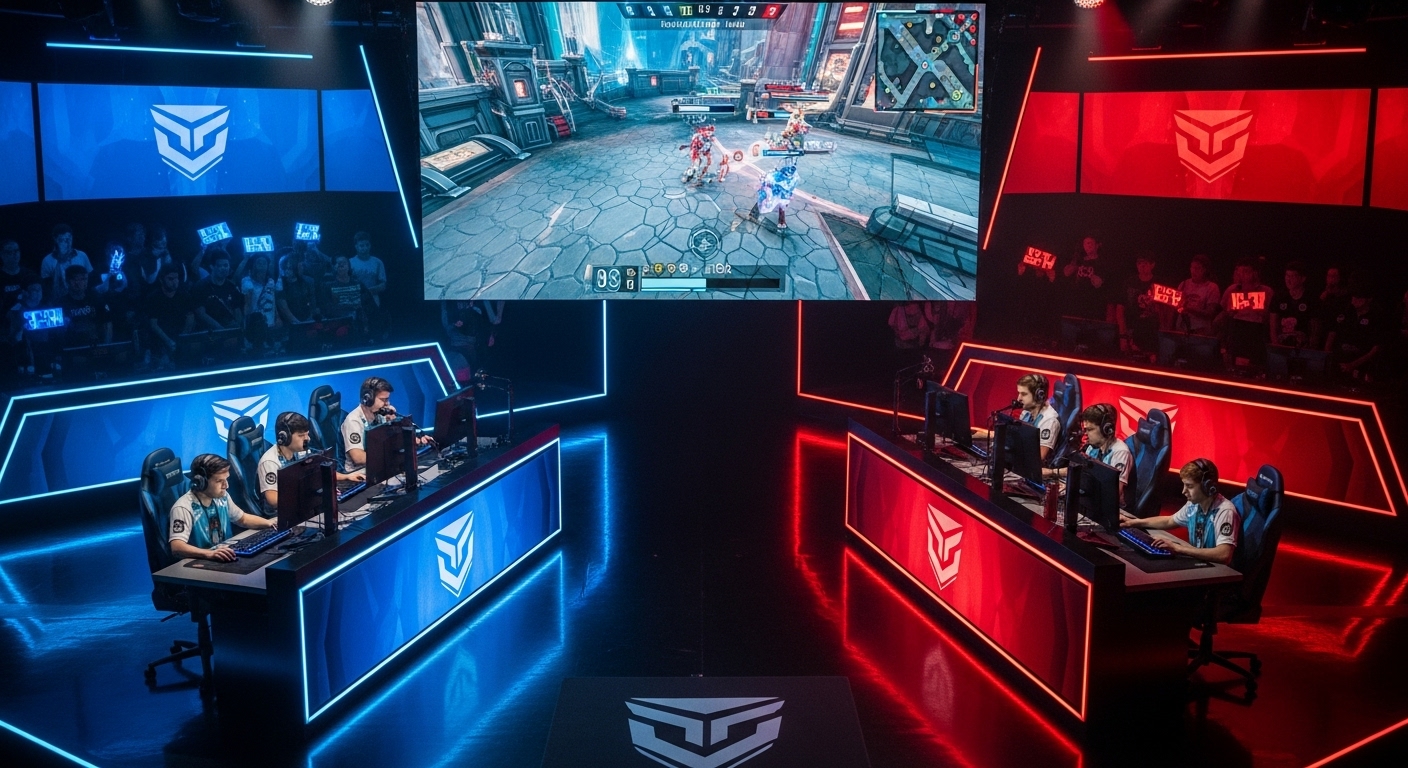
Esports, short for electronic sports, has emerged from humble beginnings to become one of the fastest-growing entertainment industries in the world. What started as friendly competitions in gaming cafes and basements has transformed into a global phenomenon with professional teams, multimillion-dollar tournaments, and audiences that rival traditional sports.
The Evolution of Competitive Gaming
The roots of esports can be traced back to the early 1980s, when arcade games like Space Invaders sparked the first organized gaming competitions. However, the real momentum began in the 2000s with the rise of high-speed internet and online multiplayer games. Titles like StarCraft, Counter-Strike, and later League of Legends and Dota 2, laid the foundation for what would become a highly structured and lucrative competitive scene.
Why Esports is Booming
Several factors have fueled the rise of esports. First, the accessibility of games across platforms like PC, console, and mobile has broadened the player base. Second, streaming platforms have made it easier than ever to watch live competitions, allowing fans to follow their favorite players and teams just as they would in football or basketball. Finally, the social aspect—connecting with others in virtual arenas—adds a layer of engagement that keeps both players and viewers coming back.
Esports as a Career
What was once seen as just a hobby has become a legitimate career path. Professional esports players train rigorously, maintain disciplined routines, and often work with coaches, analysts, and nutritionists. Beyond players, the industry also offers roles in event management, marketing, broadcasting, and game development. Universities are even offering esports scholarships and courses, acknowledging its impact on education and employment.
The Global Stage of Esports
Esports tournaments now fill stadiums around the world. Events like The International (for Dota 2) and the League of Legends World Championship attract millions of viewers globally. Nations are also beginning to recognize esports in a formal capacity, with some countries integrating esports into national sports programs. The inclusion of esports in events like the Asian Games reflects its growing legitimacy on the world stage.
Challenges Facing the Industry
Despite its success, esports faces a set of challenges. Issues such as player burnout, lack of long-term career stability, cheating, and the need for better regulation continue to be areas of concern. There is also an ongoing debate about the health impacts of long gaming hours, particularly among younger players.
The Future of Esports
The future of esports looks incredibly promising. With advancements in virtual reality, artificial intelligence, and cloud gaming, the landscape is set to evolve further. Esports could soon become even more immersive, accessible, and interactive. Additionally, with increasing investment from traditional sports teams, media companies, and tech giants, the industry is poised for sustained growth.
Conclusion
Esports is no longer just a niche for gaming enthusiasts—it is a cultural and economic force reshaping the way we view competition and entertainment. As technology continues to evolve, so too will the world of esports, bringing new opportunities and challenges. Whether you’re a player, a fan, or a curious observer, one thing is certain: the era of virtual champions is here to stay.