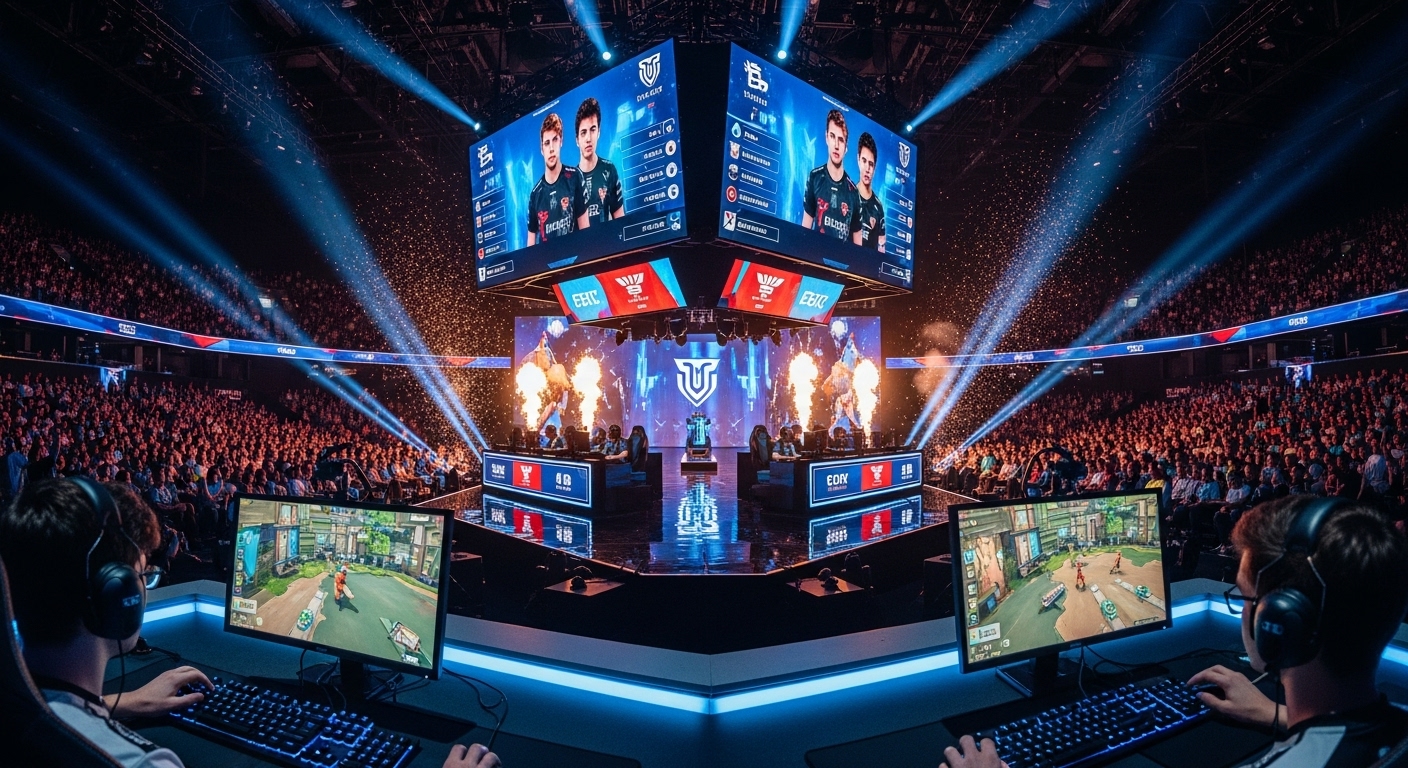
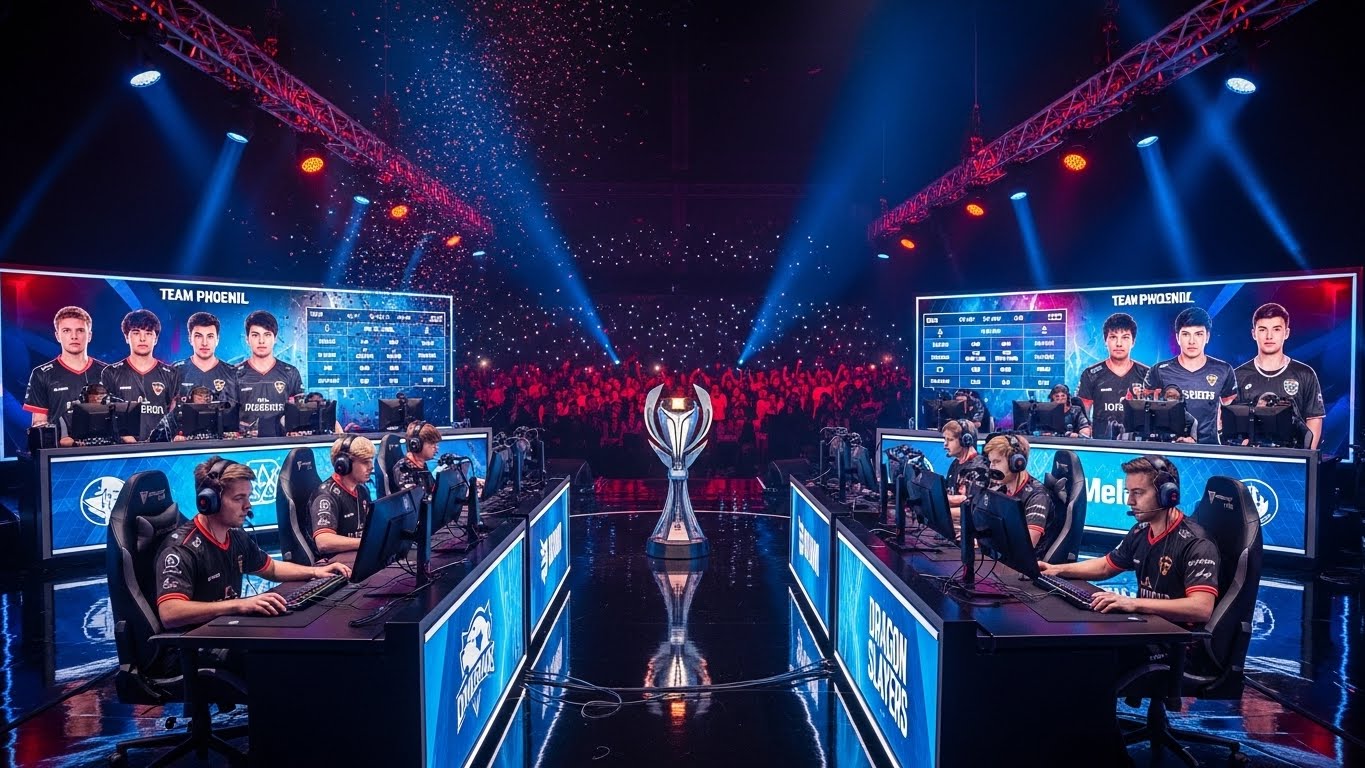
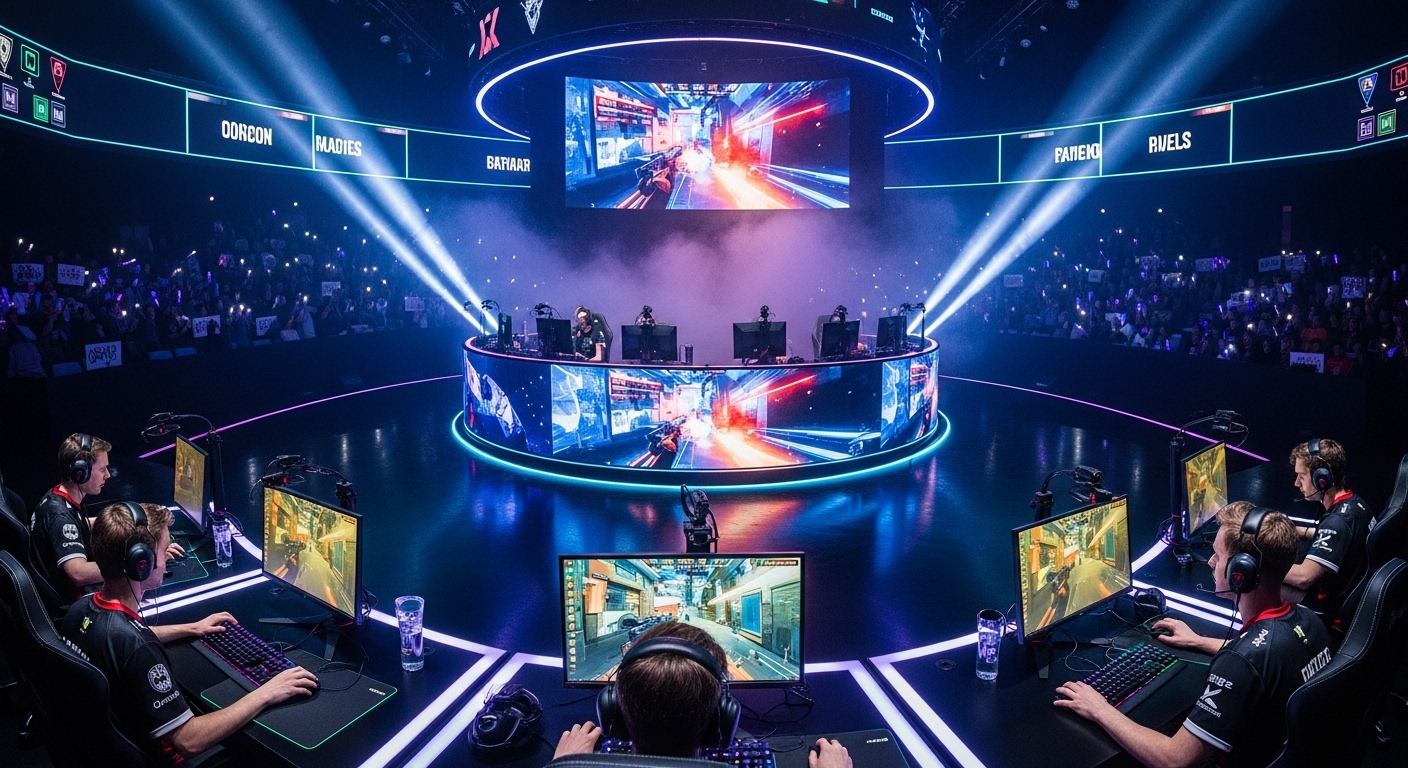
In recent years, esports has rapidly transformed from a niche hobby into a global phenomenon. What was once a pastime for dedicated gamers is now a billion-dollar industry, attracting millions of players, fans, and spectators from all corners of the world. From thrilling international tournaments to professional gaming leagues, esports has redefined the world of competitive sports. This blog post explores the rise of esports, its impact on the gaming industry, its cultural significance, and what the future holds for this exciting form of entertainment.
What Is Esports?
At its core, esports refers to organized, multiplayer video game competitions, often between professional players, teams, or organizations. These competitions span a wide variety of game genres, including real-time strategy, first-person shooters, multiplayer online battle arenas (MOBAs), and sports simulation games. Esports can be played in-person at physical venues or streamed online, with millions of viewers tuning in to watch live tournaments or catch up on highlights.
Unlike casual gaming, which is typically a solitary or recreational activity, esports is highly competitive, with players and teams practicing extensively, honing their skills, and developing strategies to compete at the highest level. Some of the most popular esports games include League of Legends, Dota 2, Counter-Strike: Global Offensive, Fortnite, and Overwatch, to name a few.
The Beginnings of Esports: From LAN Parties to Major Tournaments
The origins of esports date back to the early days of online gaming. In the 1990s, players would gather at local area network (LAN) parties, where they could connect their computers to compete against one another in games like StarCraft and Quake. These informal, grassroots tournaments helped to lay the foundation for what would become a much larger, professionalized industry.
The first major landmark event in esports history was the Red Annihilation tournament in 1997, which was held for the first-person shooter Quake. This tournament attracted a significant amount of attention, with professional players from around the world vying for the top spot. The success of this event highlighted the potential for esports to grow beyond small-scale competitions and into something much larger.
The late 2000s saw the rise of significant esports events such as World Cyber Games (WCG) and the Electronic Sports World Cup (ESWC), both of which provided a platform for competitive gamers to showcase their skills on a global stage. These tournaments were broadcast on TV and streamed online, helping to spread the awareness of esports beyond the gaming community.
The Growth of Esports: From Niche to Mainstream
While esports began as an underground scene, it quickly gained momentum in the 2010s, propelled by several key factors. The increasing accessibility of high-speed internet, the rise of streaming platforms like Twitch, and the growing popularity of competitive games all played a significant role in propelling esports into the mainstream.
One of the major turning points in esports was the launch of League of Legends (LoL) by Riot Games in 2009. The game’s fast-paced, strategic gameplay and the company’s focus on creating a robust competitive ecosystem made it an instant hit with players and fans alike. Riot Games organized the first League of Legends World Championship in 2011, which has since become one of the most-watched esports events in the world. The championship’s success demonstrated that esports could generate significant fan engagement and viewership, similar to traditional sports leagues.
Following the success of LoL, other major titles like Dota 2, Counter-Strike: Global Offensive (CS:GO), and Overwatch entered the competitive gaming scene. The rise of these games contributed to the rapid expansion of esports, with established teams, sponsors, and investors pouring money into the ecosystem.
In 2013, the League of Legends World Championship reached over 32 million viewers, cementing esports’ place as a mainstream entertainment industry. Since then, viewership for esports tournaments has continued to soar, with some events drawing in audiences larger than those of traditional sports leagues. The Dota 2 International, for example, broke records with its prize pool of over $40 million in 2018.
Esports as a Profession: The Emergence of Professional Players and Teams
As esports gained popularity, it began to evolve from an amateur activity to a legitimate profession. Professional gamers are now able to make a living by competing in tournaments, signing sponsorships, and streaming their gameplay. These players often train for hours each day, practicing their mechanics, perfecting strategies, and analyzing opponents to stay at the top of their game.
The creation of esports organizations, such as Cloud9, Team Liquid, and FaZe Clan, has also contributed to the professionalization of the industry. These organizations sign top players, manage their careers, and provide training facilities and support staff. These teams compete in national and international leagues, with some events offering prize pools that exceed millions of dollars.
The emergence of professional esports players has also led to the rise of esports influencers and content creators. Many players have expanded their reach beyond tournaments by streaming their gameplay on platforms like Twitch or YouTube, where they interact with fans and generate additional revenue through ads, sponsorships, and donations. Some esports personalities have become celebrities in their own right, with massive social media followings and endorsement deals with major brands.
The Global Esports Scene: International Tournaments and Leagues
Esports has quickly grown into a global industry, with major tournaments and leagues held across the world. In addition to regional events, there are now several internationally recognized competitions that attract players and viewers from all over the globe. These events often take place in large arenas, with live audiences, and are broadcast to millions of viewers via streaming platforms.
One of the most prestigious esports tournaments is The International for Dota 2. Held annually by Valve Corporation, the tournament features the world’s best Dota 2 teams competing for a massive prize pool. The International has become an iconic event in the gaming world, with the 2018 tournament attracting more than 15 million concurrent viewers. Its prize pool is funded in part by the community, with players purchasing in-game items to contribute to the pool, making it one of the most unique funding models in esports.
Other major tournaments include the League of Legends World Championship, the CS:GO Major Championships, and the Overwatch League. These tournaments have not only boosted the profile of esports but have also created new opportunities for fans to engage with their favorite games and teams. Fans can watch tournaments live in stadiums, follow the action online, or participate in fantasy leagues and community events.
Esports Sponsorships and Media Coverage: The Business Side of Esports
As esports has grown, so too has its economic impact. Sponsorships from major brands like Coca-Cola, Intel, and Red Bull have become a significant revenue stream for esports organizations and tournaments. These partnerships help to fund tournaments, pay prize pools, and support player development. In return, companies gain access to a large and engaged audience, many of whom are young, tech-savvy, and highly engaged with gaming culture.
Media coverage of esports has also grown substantially, with major networks like ESPN, TBS, and BBC broadcasting esports events. Streaming platforms like Twitch have become central to the esports ecosystem, offering live coverage of events, interviews with players, and behind-the-scenes content. This shift in media consumption has played a crucial role in normalizing esports as a legitimate form of entertainment, on par with traditional sports.
The business side of esports is also evolving, with investment firms and venture capitalists pouring money into esports startups, teams, and platforms. In 2021, the esports industry was valued at over $1 billion, and it is expected to continue growing in the coming years. The rise of esports betting and fantasy leagues has also created new opportunities for fans to engage with the competitive gaming scene.
The Future of Esports: Innovation and Global Growth
As esports continues to grow, its future looks incredibly promising. There are several trends and developments that are likely to shape the industry in the years to come.
- Virtual Reality (VR) and Augmented Reality (AR): VR and AR are expected to play a significant role in the future of esports. These technologies have the potential to create more immersive, interactive, and dynamic gaming experiences. VR tournaments could revolutionize how we experience competitive gaming, offering a new level of immersion that traditional esports cannot match.
- Mobile Esports: With the rise of mobile gaming, esports is expanding into new platforms. Games like PUBG Mobile and Arena of Valor have become popular in the mobile esports scene, especially in regions like Southeast Asia and India. Mobile esports tournaments are gaining popularity, and mobile gaming is expected to become an even more significant part of the esports landscape.
- Inclusivity and Diversity: As esports becomes more mainstream, there is a growing focus on making the industry more inclusive. Efforts are being made to create opportunities for women, minorities, and other underrepresented groups in esports. Diversity and inclusion in esports are essential to fostering a positive and welcoming community for players and fans alike.
- More Traditional Sports Integration: Major traditional sports leagues, including the NBA, NFL, and others, have started investing in esports teams and tournaments. These partnerships will likely continue to grow, as traditional sports organizations see the potential of esports to reach younger audiences and create new revenue streams.
Conclusion: Esports as a Cultural Powerhouse
Esports has come a long way since its humble beginnings as a grassroots hobby. Today, it stands as a global powerhouse, with millions of players, fans, and spectators. The competitive nature of esports, combined with its ability to bring together people from around the world, has made it one of the most exciting forms of entertainment in the digital age.