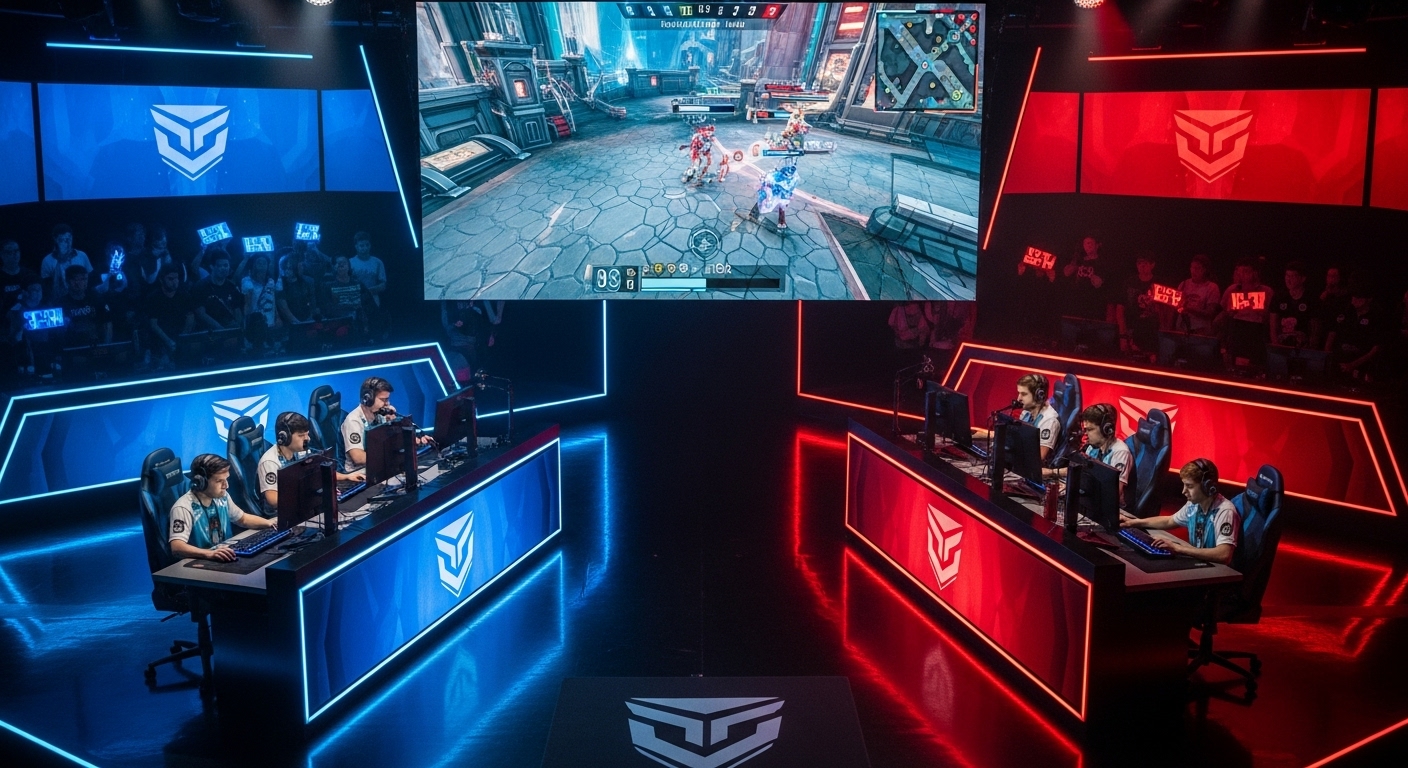
Esports is no longer just a hobby for a select group of gamers—it’s a global industry that captivates millions of fans, generates billions of dollars, and continues to grow exponentially. The term “esports” refers to competitive video gaming, where professional players, teams, and organizations compete for prestige and substantial prize money. This blog post explores the rise of esports, its cultural impact, the role of technology, and its future in the world of entertainment.
The Emergence of Esports: From Casual Play to Global Phenomenon
The history of esports can be traced back to the 1970s when the first video game competitions were held. While the idea of gaming tournaments was initially simple and small-scale, it was the advent of online multiplayer games in the 1990s that truly changed the game. As internet connectivity improved and PCs became more powerful, games like Quake, StarCraft, and Warcraft began attracting large-scale tournaments. These games were the precursors to modern esports, laying the foundation for competitive gaming at a professional level.
The early 2000s saw the first major esports events, particularly in South Korea, where StarCraft became a national phenomenon. The competitive scene grew to include televised tournaments, creating a bridge between gaming and mainstream entertainment. This marked the beginning of esports as we know it today—an industry complete with sponsorships, endorsements, and professional leagues.
The Growth of Esports Leagues and Tournaments
One of the key elements that propelled esports into the mainstream was the development of structured tournaments and leagues. Games like League of Legends, Dota 2, Counter-Strike, and Fortnite now boast massive global tournaments that offer millions of dollars in prize money. The International, for example, is an annual Dota 2 event with prize pools surpassing $30 million, making it one of the highest-paying tournaments in all of esports.
Esports leagues, such as the League of Legends Championship Series (LCS) and the Overwatch League (OWL), have created a more organized structure for professional gamers. These leagues not only provide a platform for the best players to showcase their talents but also allow fans to follow their favorite teams, attend live events, and participate in online communities. The increasing professionalization of esports has helped solidify its place in global sports culture.
Technology’s Role in Shaping Esports
Technology has played an integral role in the development and success of esports. The growth of high-speed internet, advanced gaming hardware, and streaming platforms has allowed players from around the world to compete seamlessly. Competitive gaming now thrives in an era where players can compete in real-time, regardless of location, and fans can watch the action from anywhere.
Streaming services like Twitch and YouTube Gaming have become essential to esports’ rise, giving fans the ability to watch live tournaments and engage with their favorite players in real-time. These platforms have democratized access to esports, allowing anyone with an internet connection to become a fan, player, or even a broadcaster. The accessibility of esports has also been enhanced by the increasing quality of game graphics, making competitions more visually engaging and enjoyable to watch.
Esports as a Spectator Sport
What truly distinguishes esports from other forms of gaming is its role as a spectator sport. Traditional sports like football, basketball, and soccer rely on physical activity to entertain fans, while esports offers entertainment through skill, strategy, and fast-paced gameplay. As a result, the appeal of esports as a spectator sport has grown tremendously in recent years.
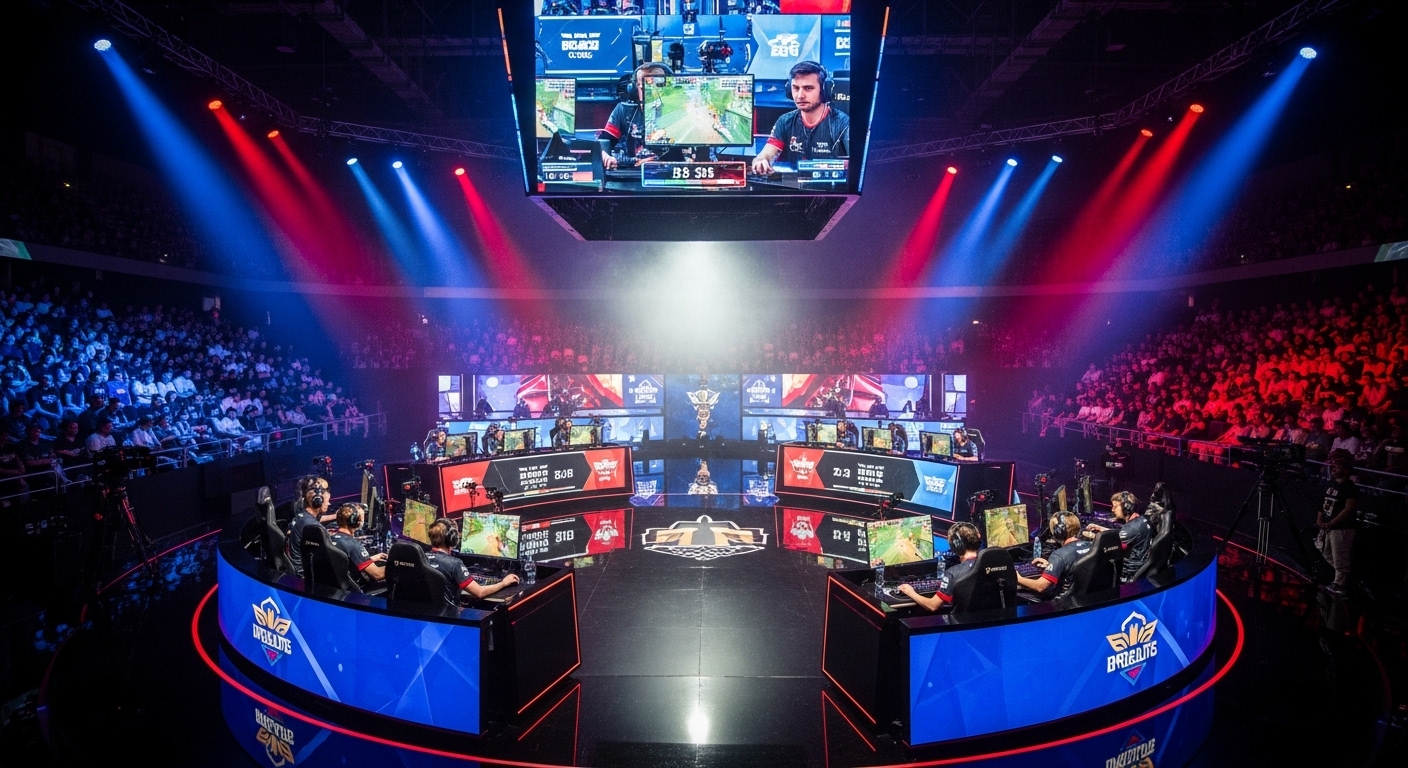
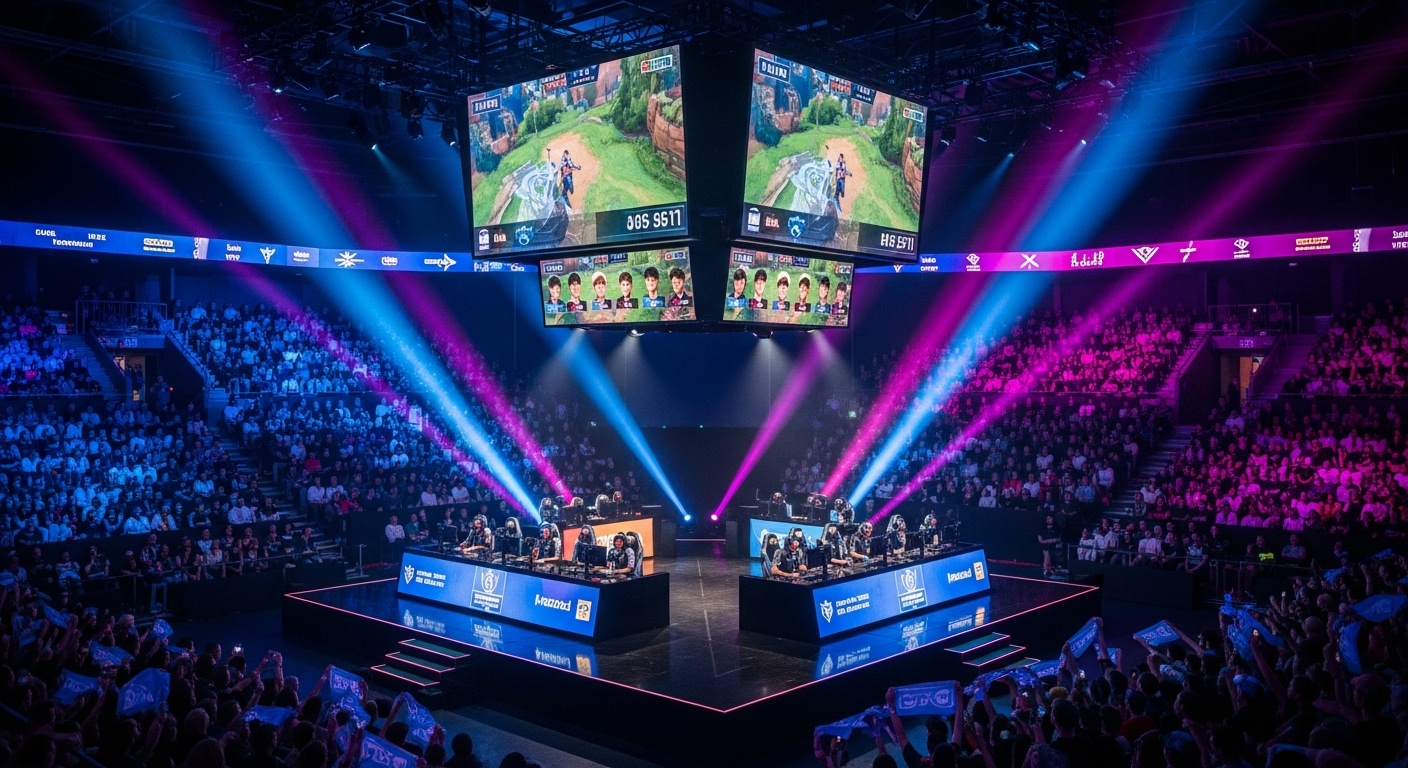
Esports events now attract large live audiences, filling arenas and stadiums to capacity. The League of Legends World Championship, held annually, draws millions of viewers both in person and online. Major esports tournaments are often streamed in multiple languages, providing fans from around the world the opportunity to engage in real-time with the competition.
The spectator experience in esports has been further enhanced by innovative features such as in-game commentary, player interviews, and live stats tracking. Much like traditional sports, esports has developed a dedicated ecosystem of commentators, analysts, and influencers who help bring the excitement of each match to life.
The Cultural Impact of Esports
Beyond the tournaments and prize money, esports has had a profound cultural impact. Professional gamers have become celebrities in their own right, with large social media followings and endorsement deals. Gaming organizations and esports teams now rival traditional sports teams in terms of fan loyalty, with merchandise, branded content, and exclusive team access growing in popularity.
Esports has also contributed to the normalization of gaming as a career choice. It has helped to break down the stereotypes of gamers being isolated individuals and has opened up the possibility of professional gaming for young talent around the world. Schools and universities are now offering esports scholarships and even creating dedicated esports programs, providing students with the chance to pursue gaming as both a passion and a profession.
Moreover, esports has played a role in bridging cultural divides, as players and fans from different countries come together to celebrate their shared love for gaming. Events like The International and BlizzCon have become global spectacles, transcending geographic and language barriers and creating a truly international community.
The Economic Boom of Esports
Esports is no longer just a hobby for gamers; it is a massive industry that contributes significantly to the global economy. In 2023, the global esports market was valued at over $1 billion, with projections for continued growth. Revenue streams for esports include sponsorships, advertising, broadcasting rights, merchandising, and ticket sales. In fact, companies in industries such as energy drinks, technology, and even fashion have jumped on the esports bandwagon, sponsoring events and teams to increase brand visibility.
The rise of esports has also opened doors for new forms of media content. Esports broadcasting has become a major part of digital media, with esports events now being broadcast on major television networks and streaming platforms. The growth of esports has led to job creation in areas such as game development, content creation, event management, and broadcasting. The esports ecosystem has fostered a new generation of entrepreneurs and professionals, all benefiting from the sector’s rapid expansion.
Training and Professionalism in Esports
Becoming a professional esports player requires more than just playing video games for fun—it requires intense dedication, discipline, and training. Just like athletes in traditional sports, professional gamers must undergo daily practice regimens to hone their skills and stay at the top of their game. Many esports teams employ coaches, analysts, and support staff to help players improve their gameplay, develop strategies, and maintain peak performance.
Esports players also face the mental and physical challenges of competition. Extended gaming sessions, stress, and the pressure to perform at the highest level can take a toll on their health and well-being. As a result, there has been an increased focus on player welfare, with esports organizations investing in mental health services, fitness programs, and stress-management techniques to ensure their players are both physically and emotionally prepared for the demands of professional gaming.
The Future of Esports
The future of esports is incredibly promising, with new technologies, formats, and platforms continuing to reshape the industry. One of the most exciting developments is the integration of virtual reality (VR) and augmented reality (AR) into competitive gaming. These technologies promise to take esports to the next level, offering players and spectators a more immersive experience than ever before.
Additionally, esports is becoming more closely intertwined with traditional sports. Collaborations between esports organizations and sports teams are becoming more common, and esports events are even being featured alongside traditional sporting events. The inclusion of esports in multi-sport events like the Asian Games is a testament to its growing recognition as a legitimate and respected form of competition.
Esports will also continue to diversify, with new games and genres emerging all the time. While current heavyweights like League of Legends and Counter-Strike dominate the scene, new titles and esports leagues are emerging regularly, catering to different audiences and offering fresh opportunities for competition.
Conclusion: Esports as the Future of Competitive Entertainment
Esports has evolved from a small hobby into a cultural and economic powerhouse. With its growing fan base, increasing viewership, and professionalization, esports is reshaping the way we think about competition, entertainment, and digital culture. What began as a niche activity is now a global phenomenon that unites people across continents and languages.
Esports represents more than just gaming; it represents the future of entertainment. It is a space where skill, strategy, and technology converge to create experiences that are thrilling, engaging, and meaningful. As the industry continues to evolve, esports will no doubt continue to captivate and inspire, offering opportunities for players, fans, and businesses alike.
Esports is not just a game—it is a revolution in how we view competitive sports and entertainment. Whether you’re a player, a fan, or a newcomer, one thing is clear: the future of esports is bright, and it is here to stay.