Introduction: The Birth of a Digital Arena
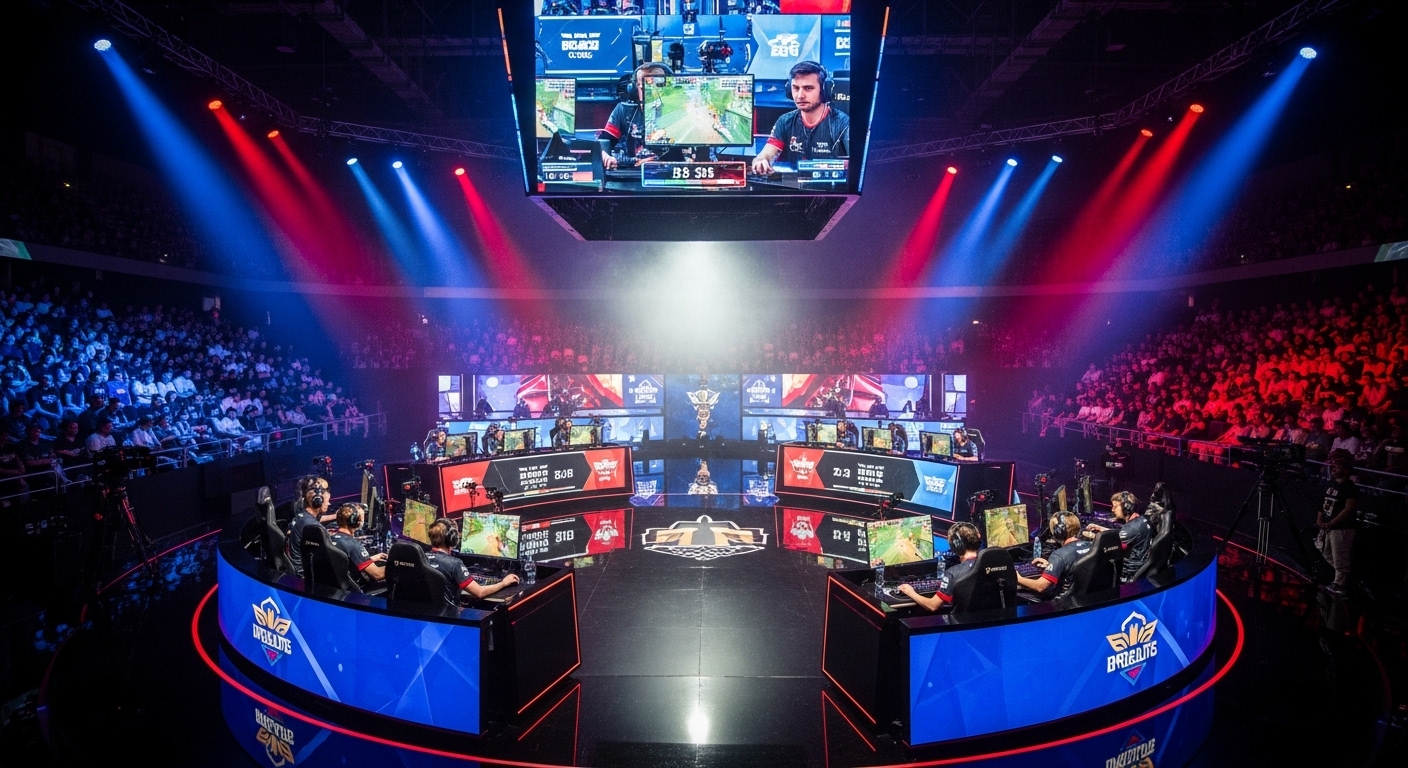
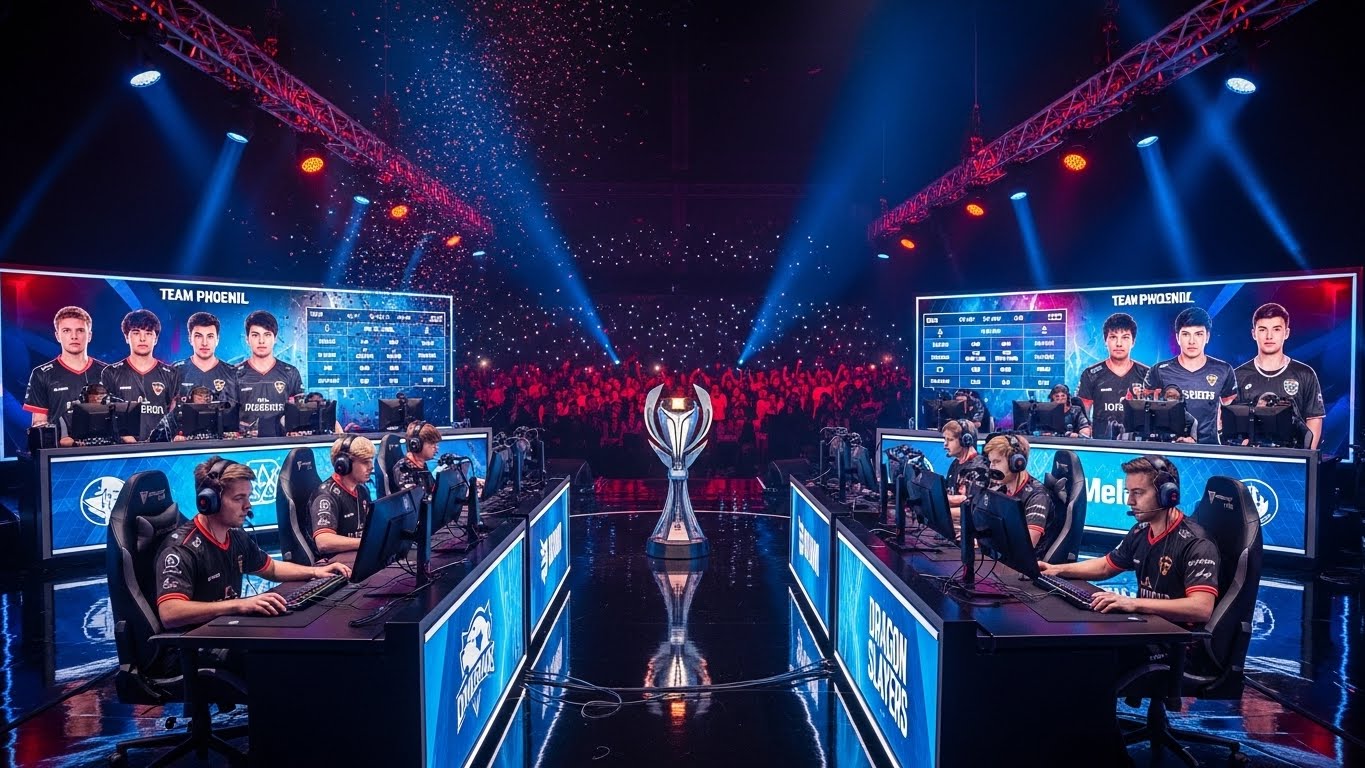
In the last two decades, esports has transformed from a niche hobby into a global entertainment powerhouse. Once considered a pastime limited to late-night gaming sessions among friends, competitive gaming now draws millions of viewers worldwide, boasts multimillion-dollar prize pools, and has established a professional ecosystem rivaling traditional sports. The term “esports” itself, short for electronic sports, represents not just the act of playing video games competitively but an entire industry involving professional players, teams, leagues, and audiences spanning multiple continents. Understanding the rise of esports requires exploring its history, economic impact, cultural influence, and the unique ways it continues to shape modern entertainment.
A Brief History of Competitive Gaming
The roots of esports can be traced back to the late 1970s and early 1980s, when arcade competitions and early video game tournaments began to emerge. One of the earliest recorded competitive gaming events took place in 1980, called the Space Invaders Championship, attracting over ten thousand participants in the United States. These early tournaments were primarily grassroots events, fueled by the enthusiasm of gaming communities rather than commercial interest.
The 1990s saw a significant evolution with the advent of networked PC gaming and internet connectivity. Games such as Quake and StarCraft became the foundation of professional competitions, with tournaments offering modest cash prizes. South Korea, in particular, played a pivotal role in popularizing esports on a national scale through the creation of professional leagues for StarCraft, which became a cultural phenomenon. This era marked the transition from casual competition to structured tournaments and professional teams, laying the groundwork for the esports ecosystem we know today.
The Growth of Esports as an Industry
Esports has grown into a multi-billion-dollar industry driven by sponsorships, media rights, merchandising, and tournament revenues. Major franchises such as League of Legends, Dota 2, and Counter-Strike: Global Offensive have cultivated global fan bases, with events attracting audiences comparable to traditional sports finals. The emergence of streaming platforms like Twitch and YouTube Gaming has further accelerated this growth, providing fans with live coverage, player commentary, and behind-the-scenes access to professional teams.
Corporate sponsorships have become a critical revenue source, with tech companies, beverage brands, and even traditional sports organizations investing heavily in esports. Professional teams now operate similarly to football or basketball clubs, with managers, coaches, analysts, and marketing staff supporting players. These investments have elevated the competitive standard and expanded the appeal of esports to mainstream audiences.
Esports and the Player Experience
Professional esports players face a unique blend of physical and mental demands. Unlike traditional athletes, esports competitors rely heavily on reflexes, strategic thinking, and split-second decision-making. Training regimens for professional gamers often involve hours of daily practice, team strategy sessions, and rigorous review of gameplay footage. Mental resilience is crucial, as players must perform consistently under high pressure in front of global audiences.
Despite the digital nature of the sport, the physical aspect cannot be ignored. Hand-eye coordination, reaction time, and ergonomic health are essential factors, leading many players to incorporate physical exercise, nutrition, and posture training into their routines. This combination of cognitive and physical preparation highlights the complexity of esports as a discipline and underscores why professional players are regarded as elite athletes in their own right.
The Cultural Impact of Esports
Esports has not only created a new form of entertainment but also influenced broader cultural trends. Gaming conventions, fan communities, and online forums have cultivated spaces where players and fans connect across borders. This global connectivity has fostered a sense of belonging among diverse groups, breaking down traditional cultural barriers.
Additionally, esports has challenged perceptions of what constitutes a sport. Critics once dismissed gaming as a sedentary hobby, but the competitive structure, athleticism, and teamwork involved in professional play have demonstrated that esports is a legitimate form of athletic competition. Universities and high schools now offer esports scholarships, and professional leagues continue to gain recognition alongside traditional sporting institutions.
Technological Innovations Driving Esports
The growth of esports is closely tied to technological advancements. High-speed internet, powerful gaming hardware, and sophisticated software platforms have enabled competitive gaming at unprecedented levels of precision and engagement. Real-time streaming technology allows millions of fans to watch live tournaments, interact with commentators, and participate in the gaming community virtually.
Virtual reality and augmented reality are emerging as potential game-changers for the esports experience. VR esports competitions offer immersive experiences, challenging players in entirely new ways and providing spectators with a fresh perspective on gameplay. As technology continues to evolve, the boundaries of esports will likely expand, creating even more opportunities for engagement and entertainment.
Economic Opportunities in Esports
The esports ecosystem offers a wide array of economic opportunities beyond just player salaries. Event organizers, tournament hosts, marketing professionals, content creators, and game developers all contribute to the industry’s growth. Prize pools for major tournaments can reach tens of millions of dollars, with some players earning substantial incomes through sponsorships, streaming revenue, and merchandise sales.
Furthermore, esports has become an attractive sector for investors. Venture capital funding and brand partnerships have fueled the creation of new leagues, game titles, and esports infrastructure. Cities around the world are investing in esports arenas and hosting international tournaments, recognizing the potential for tourism, job creation, and cultural prestige.
Challenges Facing the Esports Industry
Despite its rapid growth, esports faces several challenges. One of the most significant issues is player burnout. Intense training schedules, high-pressure competitions, and the transient nature of careers in esports can lead to mental health struggles and early retirement. The industry has begun addressing these concerns through wellness programs, counseling services, and regulated training schedules, but this remains an ongoing challenge.
Another concern is the sustainability of esports business models. While top-tier tournaments and teams generate substantial revenue, smaller organizations often struggle to remain financially viable. Market saturation and reliance on sponsorships can create instability, requiring careful management and diversification of income streams.
The Future of Esports
Looking ahead, the future of esports appears both promising and transformative. Traditional sports organizations are increasingly entering the esports space, creating crossover opportunities and enhancing legitimacy. Educational institutions are integrating esports into curricula, offering pathways for students to develop technical, strategic, and management skills relevant to the industry.
Esports is also likely to expand into new formats and genres, appealing to wider demographics. Mobile gaming tournaments, VR competitions, and hybrid events that combine live and virtual experiences are gaining traction, ensuring that esports continues to innovate and adapt to changing audience preferences.
Ultimately, esports represents more than just competitive gaming; it is a cultural, economic, and technological movement reshaping how people engage with entertainment. Its growth reflects broader trends in digital consumption, global connectivity, and the democratization of competition, offering a glimpse into the future of sports, media, and community.
Conclusion: Esports as a Global Phenomenon
Esports has evolved from modest beginnings into a global cultural and economic powerhouse. It embodies the intersection of technology, entertainment, and competition, providing opportunities for players, fans, and investors alike. With its dynamic growth, technological innovation, and widespread cultural impact, esports is no longer a niche hobby but a defining aspect of contemporary digital culture. As the industry continues to expand, it will undoubtedly shape the future of sports, entertainment, and interactive experiences for generations to come.