Introduction: The Rise of a New Era in Sports
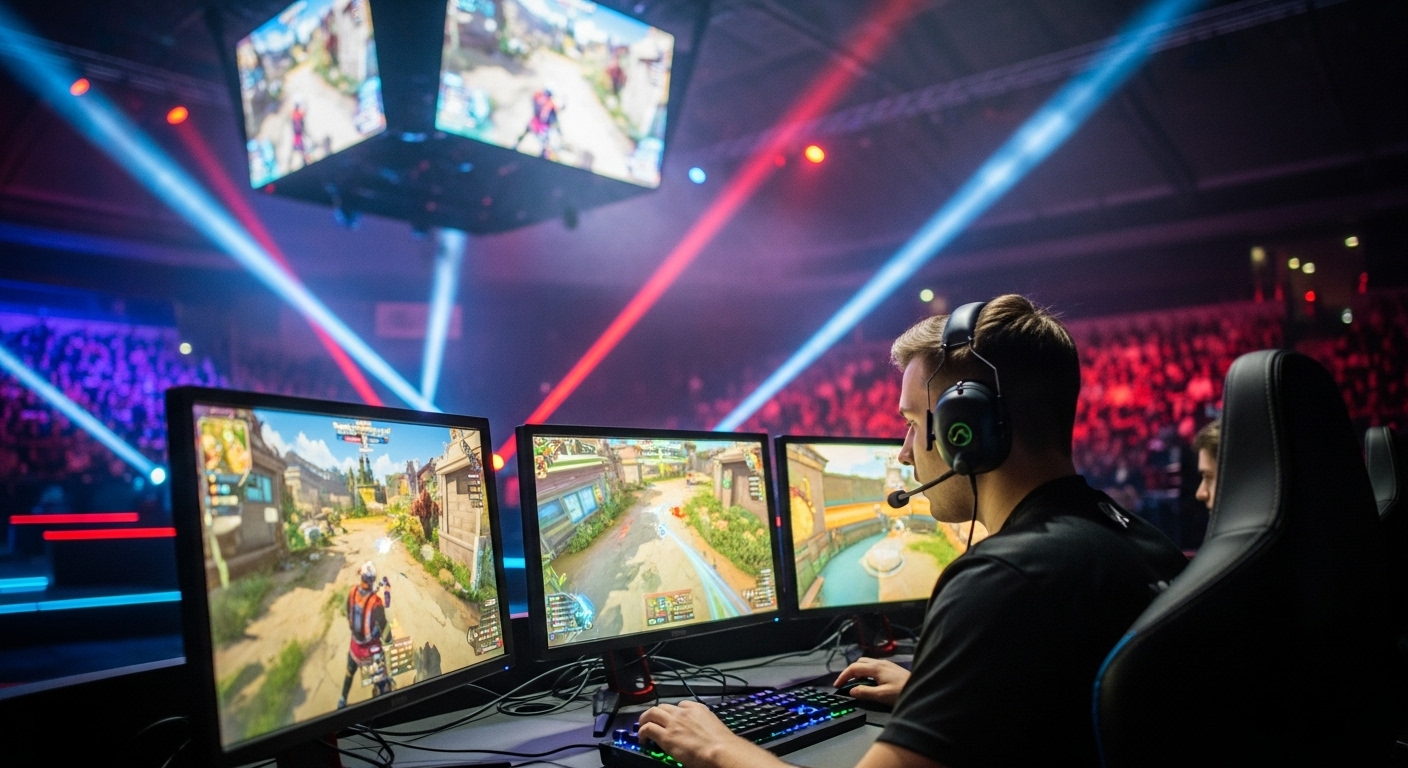
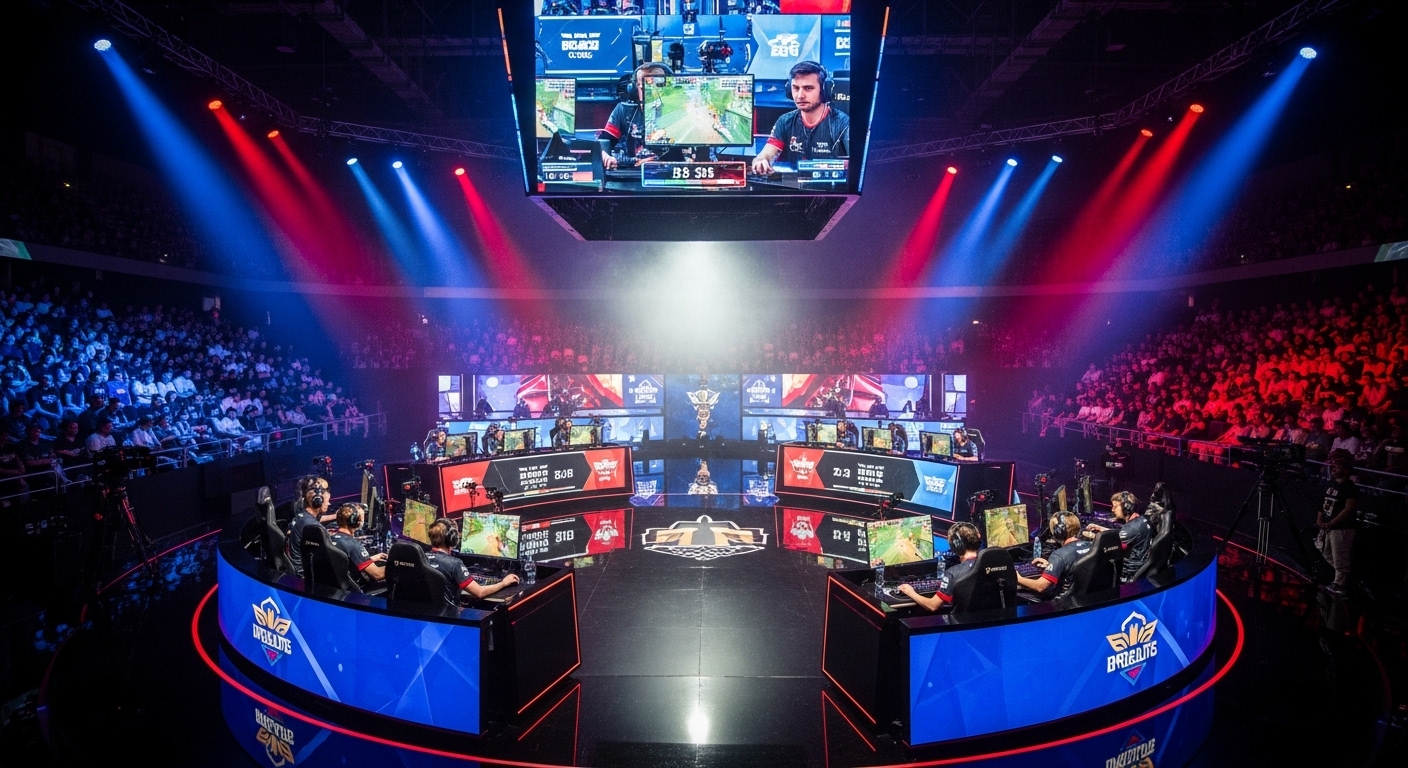
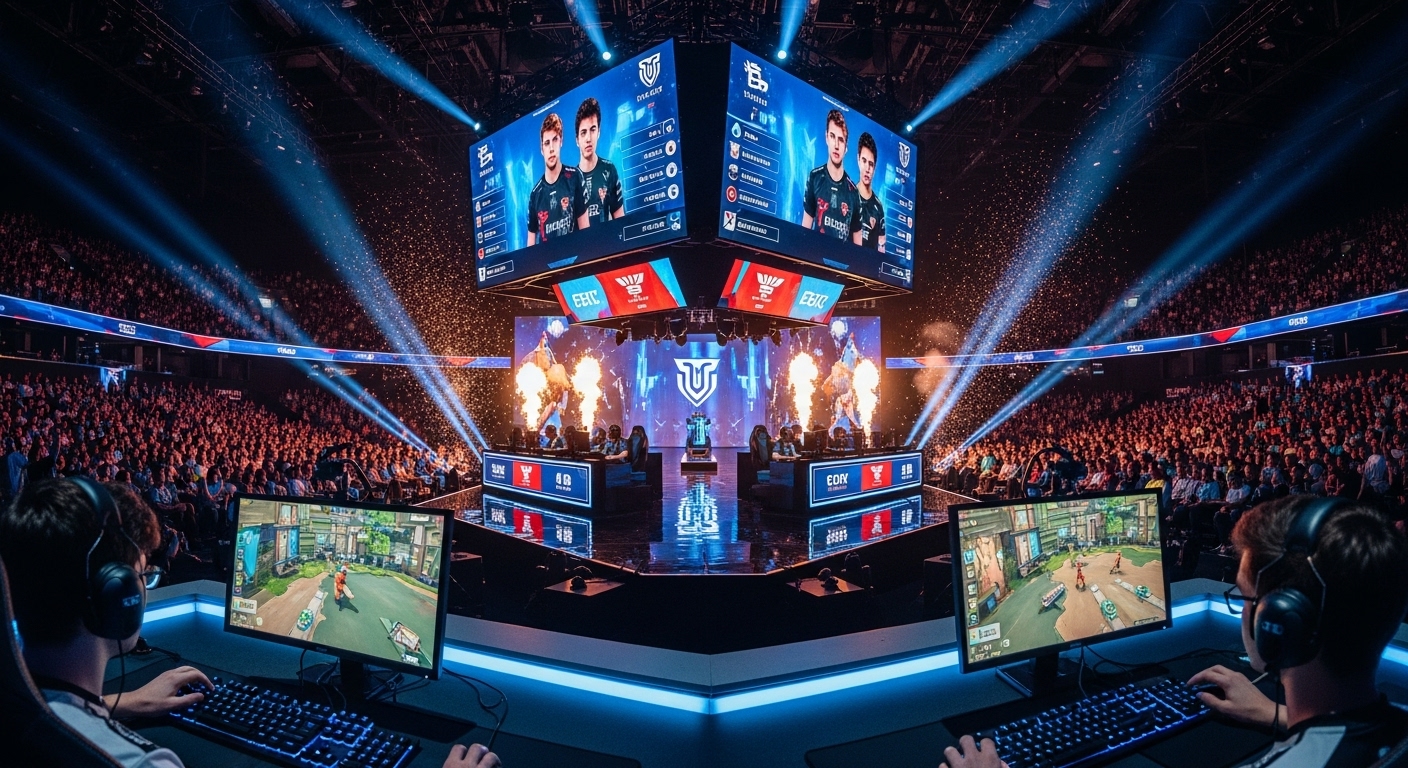
Esports, or competitive gaming, has grown from a niche hobby into a global cultural and economic phenomenon. What started as casual gaming among friends has transformed into professional leagues, massive tournaments, and an industry worth billions of dollars. Today, esports rivals traditional sports in terms of audience size, sponsorship deals, and international recognition.
Esports is more than playing video games; it is a complex ecosystem where skill, strategy, teamwork, and mental resilience define success. Professional players train rigorously, coaches analyze gameplay, and teams invest in infrastructure similar to traditional sports organizations. This digital revolution is redefining how we perceive competition, entertainment, and career opportunities in the 21st century.
The Origins and Early Development of Esports
The roots of esports can be traced back to the late 1970s and 1980s when arcade competitions and high-score challenges were popular. Early games such as “Space Invaders” and “Pac-Man” attracted local tournaments and enthusiastic communities. The 1990s saw the rise of PC gaming and networked multiplayer games like “Doom” and “Quake,” laying the groundwork for competitive online play.
South Korea played a pivotal role in the professionalization of esports during the late 1990s. Games like “StarCraft” became national phenomena, with televised competitions, professional teams, and dedicated esports arenas. By the early 2000s, multiplayer online games such as “Warcraft III” and “Counter-Strike” were attracting international audiences, while online platforms allowed players worldwide to compete and spectate.
The Structure of Modern Esports
Modern esports operates with a level of organization comparable to traditional sports. Professional leagues, tournaments, and championships follow strict rules, have referees, and maintain ranking systems to ensure fair competition. Teams consist of players, coaches, analysts, and support staff, all working together to maximize performance.
Games in esports span multiple genres, including multiplayer online battle arenas (MOBAs), first-person shooters (FPS), battle royale games, real-time strategy (RTS), and sports simulation games. Each genre emphasizes different skills, from precision and reflexes to strategy, teamwork, and communication. The diversity of games allows esports to appeal to a wide variety of players and fans.
Global Popularity and Audience Engagement
Esports is a global phenomenon, with millions of fans tuning in to live events and online streams. Asia, particularly South Korea, China, and Japan, has led the way, creating professional leagues and treating esports players as celebrities. North America and Europe have followed, hosting tournaments that draw massive audiences both online and in stadiums.
Streaming platforms play a crucial role in esports’ growth, allowing fans to watch matches live, interact with players, and engage with content creators. Unlike traditional sports, esports is accessible to anyone with a computer or console, making it inclusive and appealing to diverse audiences. This accessibility has accelerated the rise of esports as a mainstream entertainment medium.
Technology: The Backbone of Esports
Technology is integral to esports, shaping every aspect of competition and fan experience. High-performance gaming systems, fast internet connections, and streaming platforms allow players to compete at the highest level while audiences enjoy instant access to live events.
Teams and coaches use analytics to track performance, analyze opponents, and develop strategies. Artificial intelligence and machine learning tools simulate gameplay scenarios, helping players train more effectively. Advances in virtual reality and augmented reality promise to create even more immersive esports experiences in the future.
Economic Impact of Esports
Esports has become a multi-billion-dollar industry. Revenue comes from tournament prizes, sponsorships, advertising, merchandise, streaming subscriptions, and media rights. Top-tier players earn salaries comparable to professional athletes, supplemented by streaming and endorsements.
Major tournaments offer staggering prize pools, with competitions like the “Dota 2 International” distributing millions of dollars to winning teams. Esports organizations invest in infrastructure, coaching staff, and marketing, creating sustainable ecosystems and opening avenues for investment and entrepreneurship.
Career Opportunities in Esports
Esports offers careers beyond professional gameplay. Roles include coaching, strategy analysis, content creation, event management, broadcasting, and marketing. Streamers and influencers build personal brands, earning income through subscriptions, sponsorships, and donations.
Technical and creative roles such as game development, software engineering, graphic design, and data analytics also contribute to the industry’s growth. With the rise of esports, careers in this field are increasingly recognized as legitimate and viable paths for young professionals.
Mental and Physical Demands of Esports
While esports is digital, it requires significant mental and physical discipline. Cognitive skills such as decision-making, problem-solving, focus, and strategic planning are essential for success. Players often train for hours daily to maintain quick reflexes, game awareness, and coordination.
Physical health is equally important. Many professional players follow exercise routines to maintain endurance and prevent repetitive strain injuries. Eye care, posture, and hand-eye coordination exercises are integral parts of their regimen, demonstrating that esports demands both mental acuity and physical wellness.
Youth Participation in Esports
Esports resonates strongly with younger generations who have grown up with gaming as part of their daily lives. Participation in esports promotes problem-solving skills, teamwork, and digital literacy. Many schools and universities have embraced esports, establishing competitive teams and offering scholarships for talented players.
These opportunities help students balance education with competitive gaming, encouraging personal growth, leadership, and social interaction. Esports fosters a sense of belonging among youth, giving them a platform to develop skills and pursue careers in an emerging industry.
Cultural and Social Influence of Esports
Esports has a profound cultural and social impact. It creates global communities where people connect over shared interests, communicate across borders, and celebrate achievements together. Online forums, social media, and streaming platforms allow fans to interact with players, discuss strategies, and participate in gaming culture.
Esports challenges traditional notions of sports and competition. It emphasizes skill, intelligence, and teamwork over physical attributes, making it accessible to a wider audience. The industry is also increasingly promoting diversity and inclusion, encouraging participation from different genders, backgrounds, and abilities.
Challenges Facing the Esports Industry
Despite rapid growth, esports faces several challenges. The intense nature of competition can lead to burnout, stress, and mental health issues for players. Managing pressure, maintaining a healthy lifestyle, and balancing personal and professional life are essential for long-term success.
The industry must also address issues such as online toxicity, cheating, and lack of standardization across regions. Establishing regulations, ethical guidelines, and sustainable practices is crucial to maintaining credibility and ensuring the continued growth of esports.
The Future of Esports
The future of esports is dynamic and full of potential. Emerging technologies such as virtual reality, cloud gaming, and AI-driven training are set to transform how games are played and experienced. Competitive gaming will continue expanding globally, attracting larger audiences and higher investment.
Esports is likely to gain further recognition alongside traditional sports, with more professional leagues, collegiate programs, and sponsorship opportunities. As the industry matures, it will continue to create career paths, influence entertainment culture, and redefine the concept of competition in the digital age.
Conclusion: Esports as a Cultural Revolution
Esports has evolved from a niche pastime into a global industry that combines entertainment, competition, and community. It rewards skill, intelligence, strategy, and teamwork, offering opportunities for players, creators, and fans alike.
From local competitions to international tournaments, esports unites people across cultures, genders, and backgrounds. It challenges traditional sports models, creates new career opportunities, and fosters digital literacy and social interaction. As technology continues to advance, esports will only grow in influence, proving that competitive gaming is more than a trend—it is a cultural and economic revolution shaping the future of entertainment and competition.